Universitas Negeri Semarang (UNNES) strengthens water security through cooperation with local, regional, and national governments, as well as international academic institutions. These partnerships focus on improving community access to water, protecting watersheds, supporting sustainable reservoir management, and promoting research-based solutions to water resource challenges.
Through collaboration with government institutions and communities, UNNES connects academic expertise with practical initiatives to strengthen water conservation and long-term water resilience.
Local Government Collaboration: Improving Community Access to Water
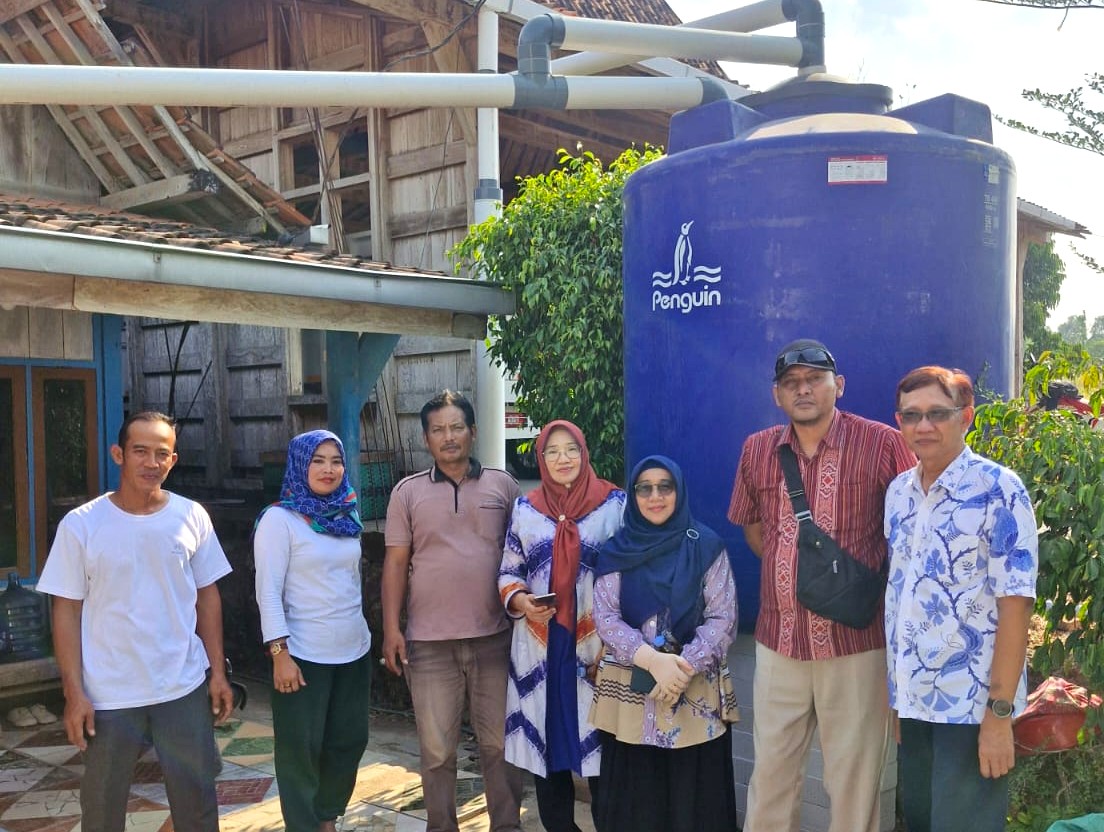
At the local level, UNNES partnered with the Wiru Village Government in Bringin District, Semarang Regency, to address water scarcity, particularly in Jrebeng Hamlet. Through a community service programme led by the Faculty of Social and Political Sciences (FISIP UNNES), the university supported the development of a communal water source through a dug well.
The programme also introduced rainwater harvesting, biopore infiltration holes, and alternative water conservation practices. Residents participated in practical demonstrations and received guidance on improving rainwater absorption and groundwater conservation. The collaboration was further strengthened through an Implementation Arrangement (IA) between UNNES and the village government, supporting continued community engagement in water conservation.
Regional Government Collaboration: Protecting the Upper Tuntang Watershed
At the regional level, UNNES contributes to water security through watershed conservation in the Upper Tuntang River Basin, particularly in Bandungan District, Semarang Regency.
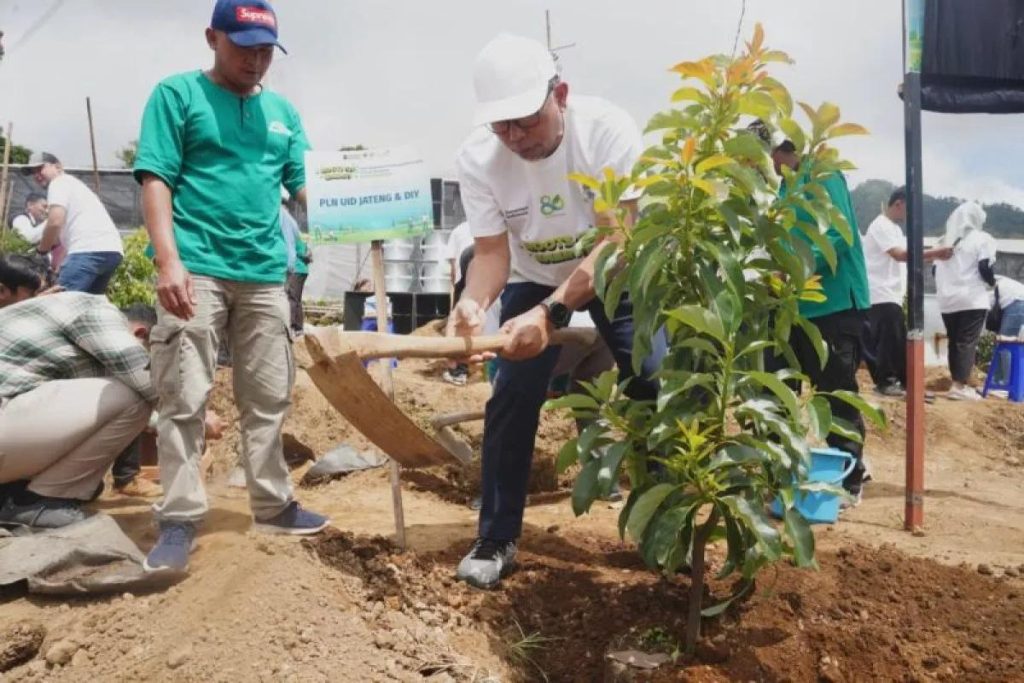
On November 28, 2025, UNNES collaborated with PLN Central Java and the Special Region of Yogyakarta Distribution Unit (UID), alongside local farming groups, to plant 600 avocado trees in Candi Village. The location was identified as a critical area requiring rehabilitation based on recommendations from Forestry Service Branch 3. The initiative also received support from the Central Java Provincial Environment and Forestry Agency.
The programme aims to restore vegetation cover, improve water retention, and maintain the ecological functions of the upstream watershed, which is important for sustaining water resources in the surrounding region.
National Government Engagement: Supporting Sustainable Reservoir Management
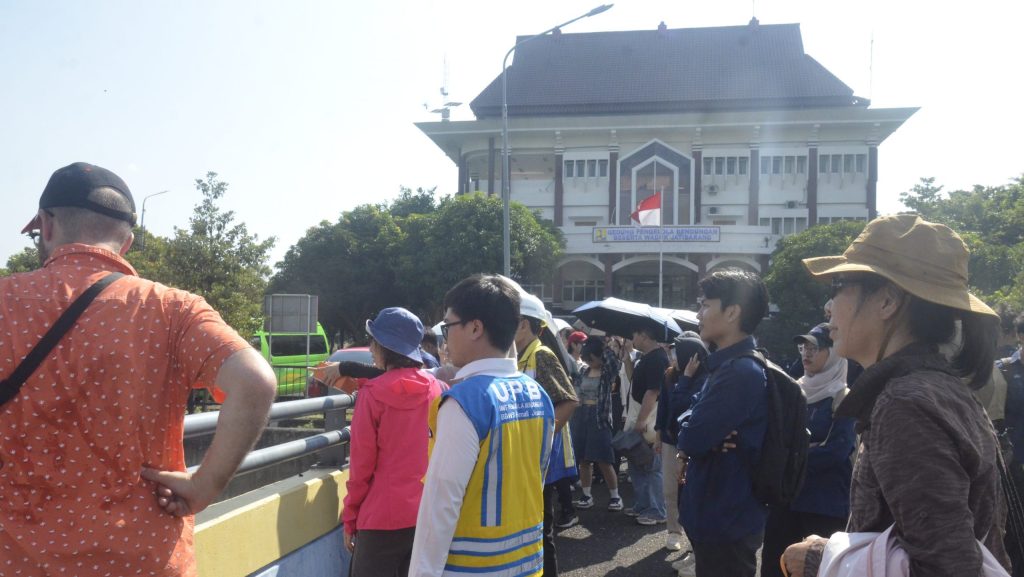
At the national level, UNNES engages with BBWS Pemali Juana to strengthen understanding of sustainable water resource management through technical learning and field activities at Jatibarang Reservoir, Semarang.
During the activities, BBWS representatives provided information on reservoir operations, water distribution infrastructure, and the reservoir’s strategic functions. With a capacity of approximately 20.4 million cubic metres, Jatibarang Reservoir plays an important role in providing raw water, supporting hydropower generation, and controlling flood risks in Semarang.
This engagement connects UNNES’s academic activities with national water resource management practices and provides insights into the importance of integrated reservoir management for regional water security.
International Collaboration: Advancing Sustainable Water Management Research
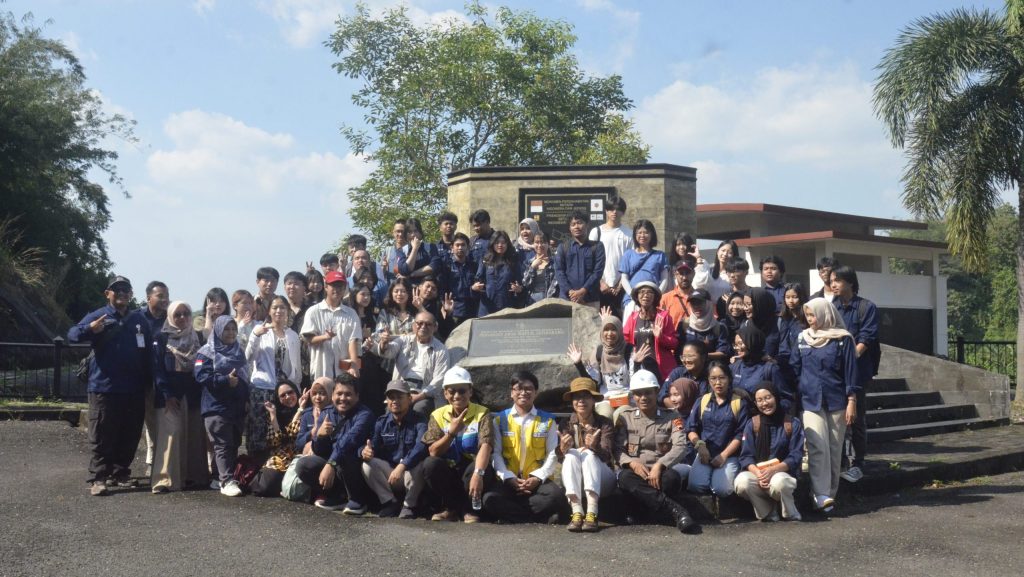
UNNES also extends its water security initiatives internationally through collaboration with National Taiwan Normal University (NTNU). On June 12, 2025, the Geography Study Programme of UNNES and NTNU conducted a joint field study on sustainable water use at Jatibarang Reservoir.
The programme involved 25 students and six lecturers from NTNU, together with UNNES students and lecturers. Participants explored the reservoir’s functions and received technical explanations from BBWS representatives on water infrastructure and reservoir management.
This collaboration promotes international academic exchange, strengthens research-based learning, and broadens perspectives on sustainable water resource management across countries.
Strengthening Water Security Through Partnerships
These partnerships demonstrate UNNES’s contribution to water security through cooperation at local, regional, national, and international levels. By combining community-based water initiatives, watershed rehabilitation, technical knowledge, and international research collaboration, UNNES supports sustainable water resource management and strengthens community resilience.
These efforts contribute to SDG 6 (Clean Water and Sanitation), particularly sustainable water management and the protection of water-related ecosystems, as well as SDG 17 (Partnerships for the Goals).