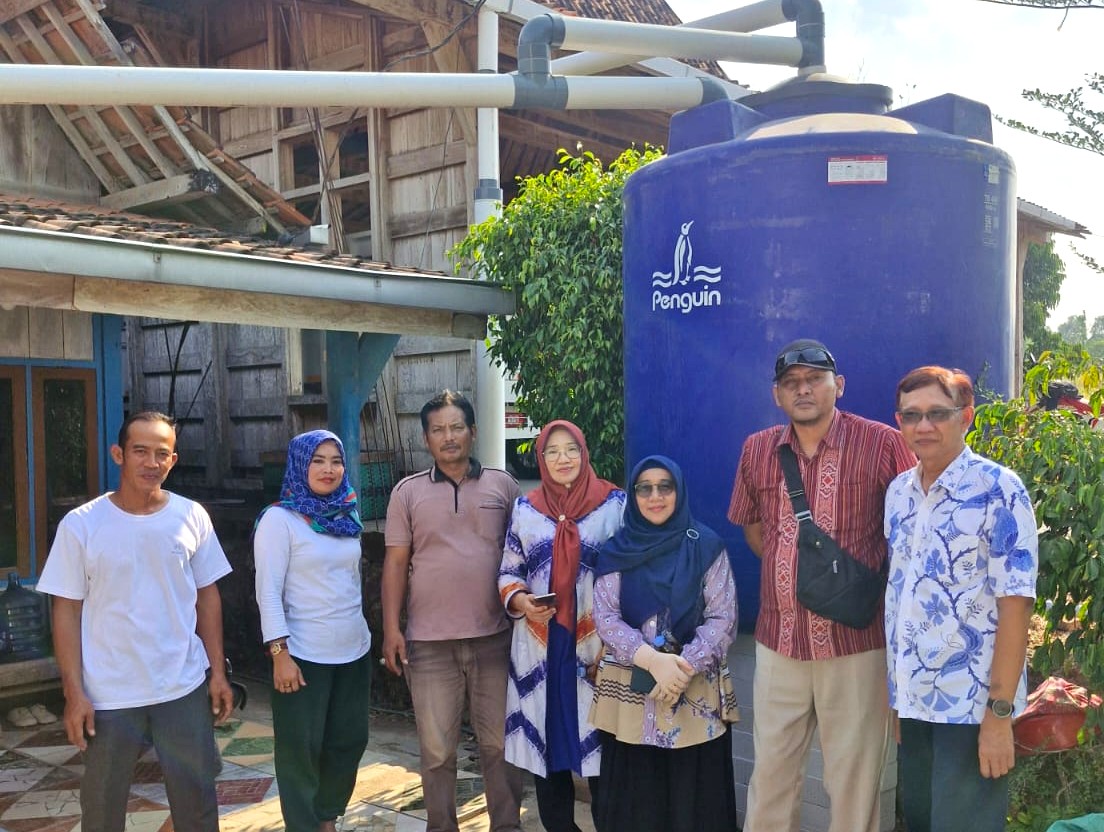
Universitas Negeri Semarang (UNNES) demonstrates its commitment to water conservation beyond the university campus through research, community education, and environmental partnerships. By working with local communities, government agencies, and environmental organisations, UNNES promotes sustainable water management, watershed protection, groundwater recharge, and environmentally responsible agricultural practices. These initiatives reflect the university’s contribution to protecting freshwater resources while strengthening community resilience to environmental challenges.
Strengthening Water Conservation through Communal Recharge Wells
One of UNNES’s initiatives focuses on water conservation in the Upper Tuntang Watershed, particularly in Bandungan District, Semarang Regency. On June 9, 2025, UNNES introduced communal infiltration wells integrated with agroforestry as an approach to improving water conservation and watershed management.
The initiative involved collaboration with government agencies, including the Environmental and Forestry Office (DLHK), CDK Region III, the Semarang Regency Government, and the Akar Banir Foundation. It focuses on developing communal infiltration well technology integrated with agroforestry systems, particularly avocado cultivation.
The programme responds to environmental pressures affecting the Tuntang Watershed, including land-use conversion, intensive agricultural activities, and sedimentation in Lake Rawa Pening. These conditions can reduce soil infiltration capacity and increase environmental risks, including flooding and landslides.
Through the integration of communal infiltration wells and agroforestry, UNNES promotes a community-based approach to improving groundwater recharge and reducing surface water runoff. The initiative also encourages residents to participate in maintaining water conservation facilities and protecting their surrounding environment.
By connecting academic research with practical environmental needs, UNNES supports efforts to maintain the hydrological balance of the Tuntang Watershed and strengthen the sustainability of local water resources.
Integrating Agroforestry and Community Empowerment
UNNES also supports water and environmental conservation through vegetation restoration and community empowerment in Bandungan. On November 28, 2025, UNNES, through its Subdirectorate of Conservation, collaborated with PT PLN (Persero) UID Central Java and Yogyakarta to plant 600 avocado seedlings in Dusun Talun, Desa Candi, Bandungan District.
The planting initiative was part of the 2025 Indonesian Tree Planting Day commemoration and involved local residents, PLN representatives, and the UNNES conservation team.
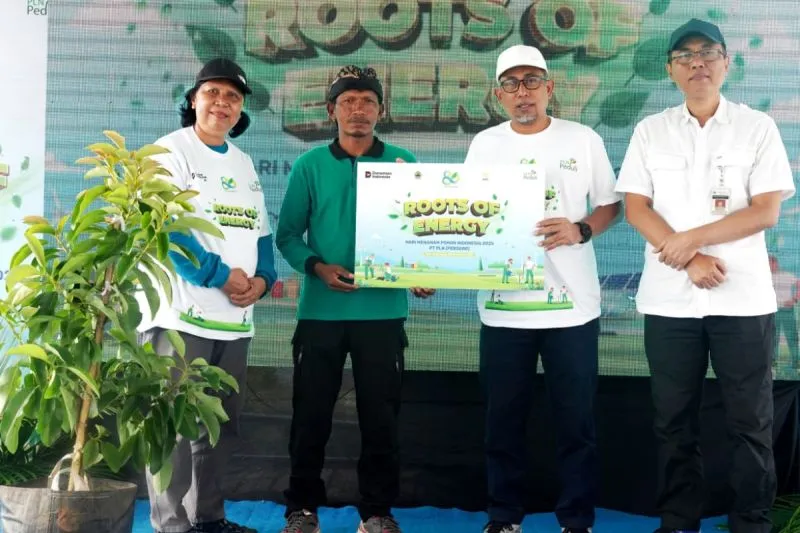
The programme promotes vegetation development in the catchment area while providing potential economic benefits through sustainable agricultural production. Avocado trees are expected to contribute to land conservation while supporting local food security and farmers’ livelihoods.
UNNES further strengthened community engagement through agricultural education in November 2025. In collaboration with PLN and the Akar Banir Foundation, the university supported training for 32 members of the Muda Utomo Lestari Farmers’ Group through a learning visit to Hortimart Agro Center in Bawen, Semarang Regency.
Participants learned about sustainable avocado cultivation and plant maintenance, including irrigation systems, fertilisation, planting arrangements, and the use of Internet of Things (IoT) technology, such as soil moisture sensors integrated with drip irrigation.
These activities demonstrate how UNNES connects environmental conservation with community capacity building. By encouraging sustainable agricultural practices and strengthening vegetation in upstream areas, the university supports broader efforts to maintain watershed ecosystems and protect water resources.
Promoting Public Education on Freshwater Ecosystem Protection
Beyond direct environmental initiatives, UNNES also contributes to water conservation through public education and legal outreach. The Faculty of Law (FH UNNES) promotes freshwater ecosystem protection through educational programmes, research, community service, seminars, public lectures, legal counselling, focus group discussions, and community empowerment activities.
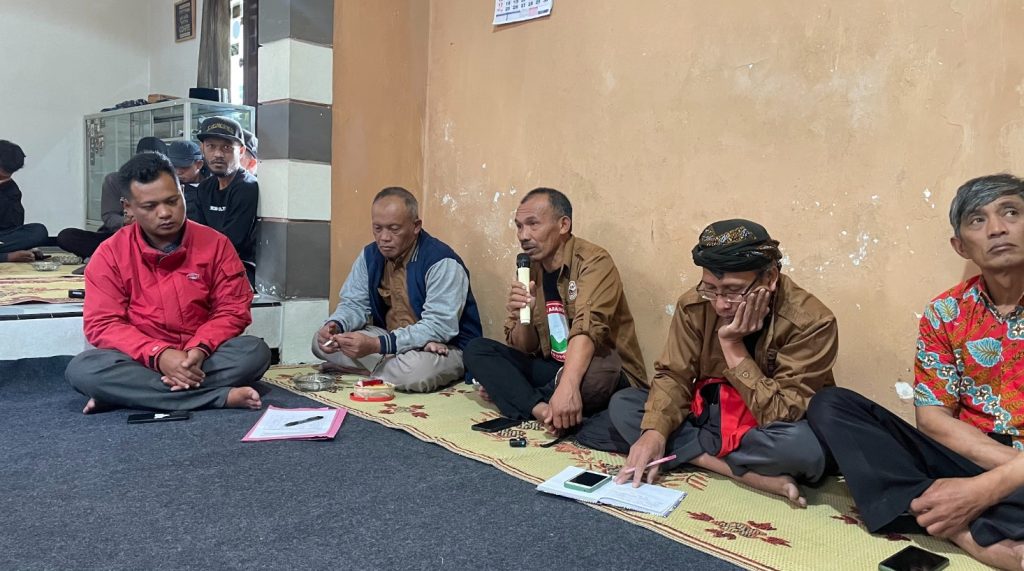
These initiatives address important aspects of sustainable water management, including freshwater resource conservation, watershed management, efficient irrigation practices, freshwater quality protection, and environmental regulations.
Through multidisciplinary research and policy studies, FH UNNES also encourages the development of recommendations to support fair and sustainable water governance. These efforts aim to improve public understanding of the importance of freshwater ecosystems and encourage collaboration among universities, local governments, farming communities, and other stakeholders.
By integrating academic knowledge with public education and community engagement, UNNES seeks to strengthen awareness of water conservation and encourage responsible management of freshwater resources.
Strengthening Community Participation in Sustainable Water Management
Through its initiatives in Bandungan and its educational programmes, UNNES demonstrates that its environmental responsibility extends beyond campus boundaries. By combining research-based innovation, practical conservation initiatives, agricultural training, and public education, the university contributes to local efforts to improve water infiltration, conserve rainwater, promote efficient irrigation, and protect watershed ecosystems.
Collaboration with government institutions, private-sector partners, environmental organisations, and local communities further strengthens the implementation of these programmes. These partnerships enable academic knowledge to be translated into practical solutions that address environmental challenges at the community level.
The initiatives support the Sustainable Development Goals (SDGs), particularly SDG 6 (Clean Water and Sanitation), SDG 13 (Climate Action), SDG 15 (Life on Land), and SDG 17 (Partnerships for the Goals).