UNNES Strengthens Green Building Policy by Implementing National Energy Efficiency Standards in Campus Development

Universitas Negeri Semarang > Sustainable Development Goals Universitas Negeri Semarang > News > UNNES Strengthens Green Building Policy by Implementing National Energy Efficiency Standards in Campus Development

Universitas Negeri Semarang (UNNES) continues to strengthen its commitment to environmental sustainability by integrating energy efficiency principles into campus infrastructure development. Through its institutional Green Building Policy, the university promotes energy-efficient construction, building renovation, and sustainable facility management in alignment with Indonesian National Standards (Standar Nasional Indonesia/SNI).

This initiative supports UNNES’s long-term commitment to achieving carbon neutrality by 2045, as stipulated in Rector’s Decree No. B/3669/UN37/HK.02/2024, and reinforces Rector’s Circular Letter No. B/28595/UN37/PA.00.00/2024 concerning Green Buildings.

Through its Green Building Policy, UNNES emphasizes the importance of integrating sustainability considerations throughout the lifecycle of campus buildings, from initial planning and construction to operation, maintenance, and renovation. Energy efficiency considerations include optimizing natural lighting and ventilation, selecting efficient air conditioning equipment, reducing unnecessary cooling loads, and improving building energy management. In addition to SNI 6390:2011, other relevant Indonesian building energy conservation standards provide complementary technical references, including SNI 6197:2020 concerning energy conservation in lighting systems and SNI 6389:2011 concerning energy conservation in building envelopes. Together, these standards provide a framework for improving building energy performance while maintaining a comfortable and productive environment for academic activities.

The university’s inventory demonstrates extensive adoption of energy-saving technologies across various categories of electrical equipment. Among the 15,843 LED lighting units recorded, 15,063 units (95%) were classified as energy efficient. Similarly, 21,434 of 23,338 fluorescent lighting units (92%) met the inventory’s energy efficiency classification. Energy-efficient technologies have also been incorporated into cooling systems. Of the 1,904 air conditioning units installed across university facilities, 1,557 units (82%) were identified as energy efficient. Other equipment categories showed similarly high levels of energy efficiency, including 702 of 762 LCD projectors (92%), 1,724 of 1,877 personal computers (92%), and 147 of 167 Smart TVs (88%). These figures demonstrate that energy efficiency considerations extend beyond lighting and cooling systems to encompass the technological infrastructure supporting teaching, research, and administrative operations.
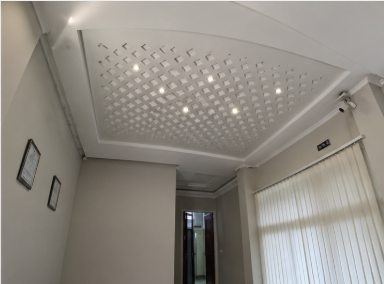
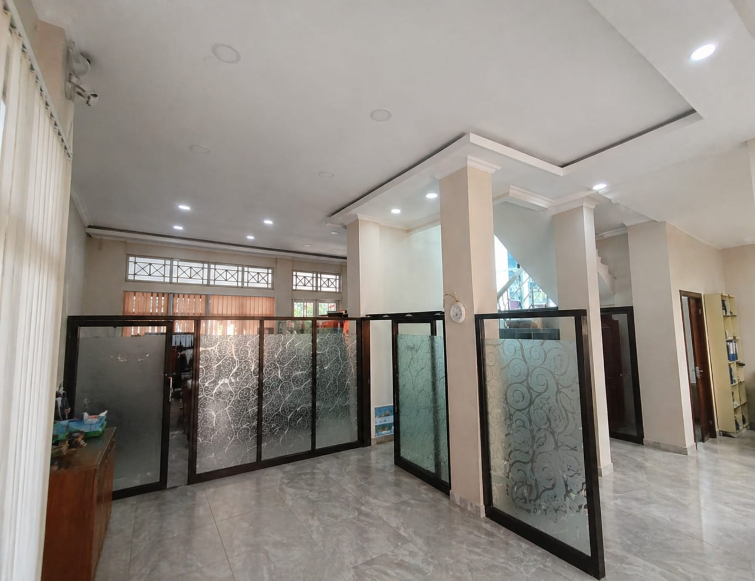
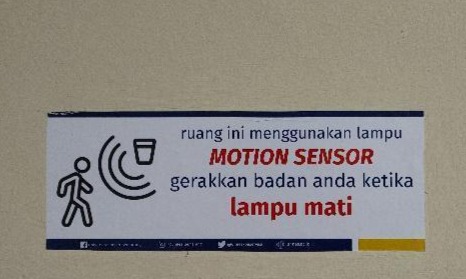
Beyond the number of energy-efficient appliances, UNNES has implemented various technologies designed to optimize electricity consumption within campus buildings. Motion-sensor lighting has been installed in selected restrooms, allowing lights to operate automatically when movement is detected. 
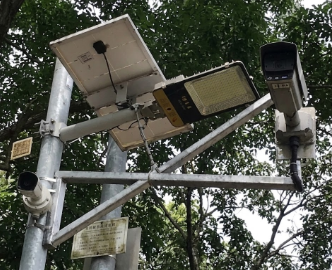
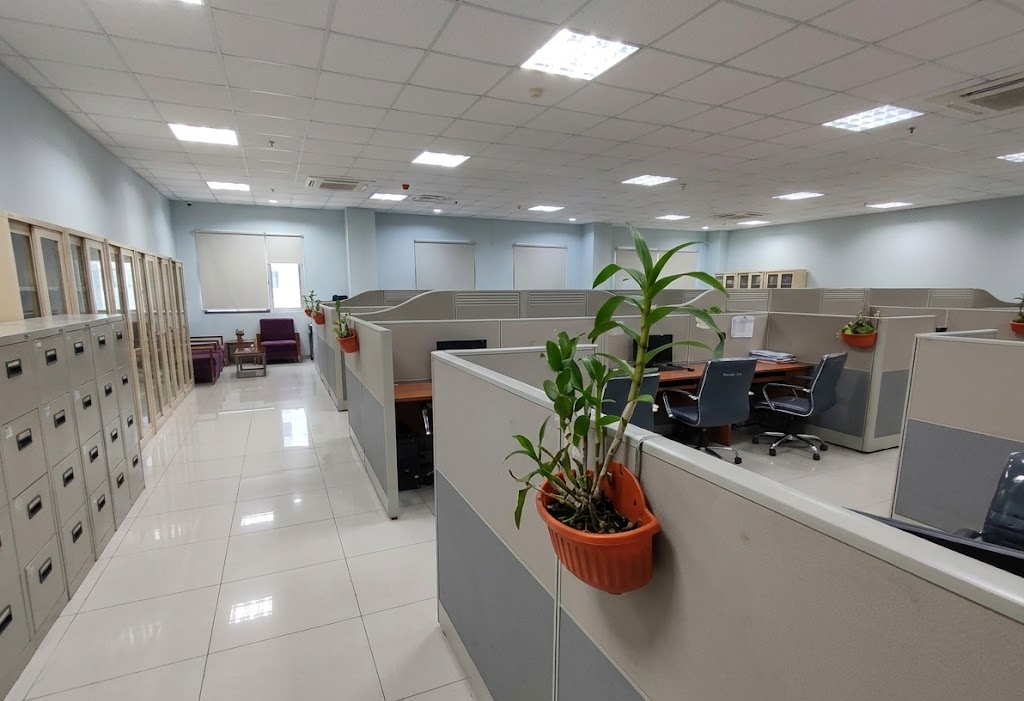
Outdoor lighting systems incorporate light sensors, timers, and solar-powered technologies to minimize unnecessary electricity use during daylight hours. LED lighting has also been widely implemented in classrooms, offices, corridors, and other university facilities. In addition, energy-efficient fluorescent lighting, including Philips Essential TL5 14W lamps classified under energy efficiency class A in the university’s report, is used alongside reflectors that improve light distribution. 
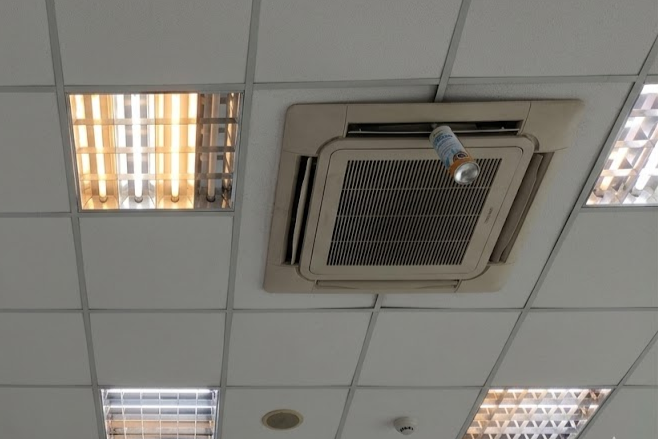
In building cooling systems, UNNES utilizes air conditioning equipment equipped with digital inverter technology. These include four-way cassette systems for larger rooms and wall-mounted air conditioning units designed to optimize cooling performance while reducing energy demand. Such technologies support more efficient building operations while maintaining

Related Posts

Leave a Reply

* Kode Akses Komentar:

* Tuliskan kode akses komentar diatas:

GDPR

  • Privacy Policy

Privacy Policy

At unnes.ac.id, the privacy of our visitors is of extreme importance to us. This privacy policy document outlines the types of personal information that is received and collected by unnes.ac.id and how it is used.

Log Files

Like many other Web sites, unnes.ac.id makes use of log files. The information inside the log files includes internet protocol (IP) addresses, type of browser, Internet Service Provider (ISP), date/time stamp, referring/exit pages, and number of clicks to analyze trends, administer the site, track user’s movement around the site, and gather demographic information. IP addresses and other such information are not linked to any information that is personally identifiable.

Cookies

unnes.ac.id uses cookies to store information about visitors’ preferences, to record user-specific information on which pages the site visitor accesses or visits, and to personalize or customize our web page content based upon visitors’ browser type or other information that the visitor sends via their browser.

Third-party ad servers or ad networks use technology in their respective advertisements and links that appear on unnes.ac.id and which are sent directly to your browser. They automatically receive your IP address when this occurs. Other technologies (such as cookies, JavaScript, or Web Beacons) may also be used by our site’s third-party ad networks to measure the effectiveness of their advertising campaigns and/or to personalize the advertising content that you see on the site.

unnes.ac.id has no access to or control over these cookies that are used by third-party advertisers.

You should consult the respective privacy policies of these third-party ad servers for more detailed information on their practices as well as for instructions about how to opt-out of certain practices. unnes.ac.id’s privacy policy does not apply to, and we cannot control the activities of, such other advertisers or web sites.

If you wish to disable cookies, you may do so through your individual browser options. More detailed information about cookie management with specific web browsers can be found at the browsers’ respective websites.

Consent

By using our website, you hereby consent to our privacy policy and agree to its terms.

Update

This Privacy Policy was last updated on: 2023-02-14. Should we update, amend or make any changes to our privacy policy, those changes will be posted here.

Contact Us

If you have any questions, comments, or concerns about our Privacy Policy or our practices with regards to your personal information, please feel free to contact us through the contact form on our website or by emailing us at humas[at]mail.unnes.ac.id.

This Privacy Policy is intended as a general guide to our practices in collecting and using information. If there is any inconsistency between this Privacy Policy and the terms of the Service Agreement or any other terms that may apply to specific services you use, then those specific service terms shall apply.

Terms of Use

By using our website, you agree to abide by this Privacy Policy. If you do not agree with this Privacy Policy, please do not use our website. We reserve the right to update this Privacy Policy from time to time without prior notice. Please review our Privacy Policy periodically to check for changes. Your continued use of our website following the posting of changes to this Privacy Policy means that you accept the changes.

Thank you for reading our Privacy Policy. We are committed to protecting the privacy of our website visitors and will continue to update our Privacy Policy to ensure optimal protection.