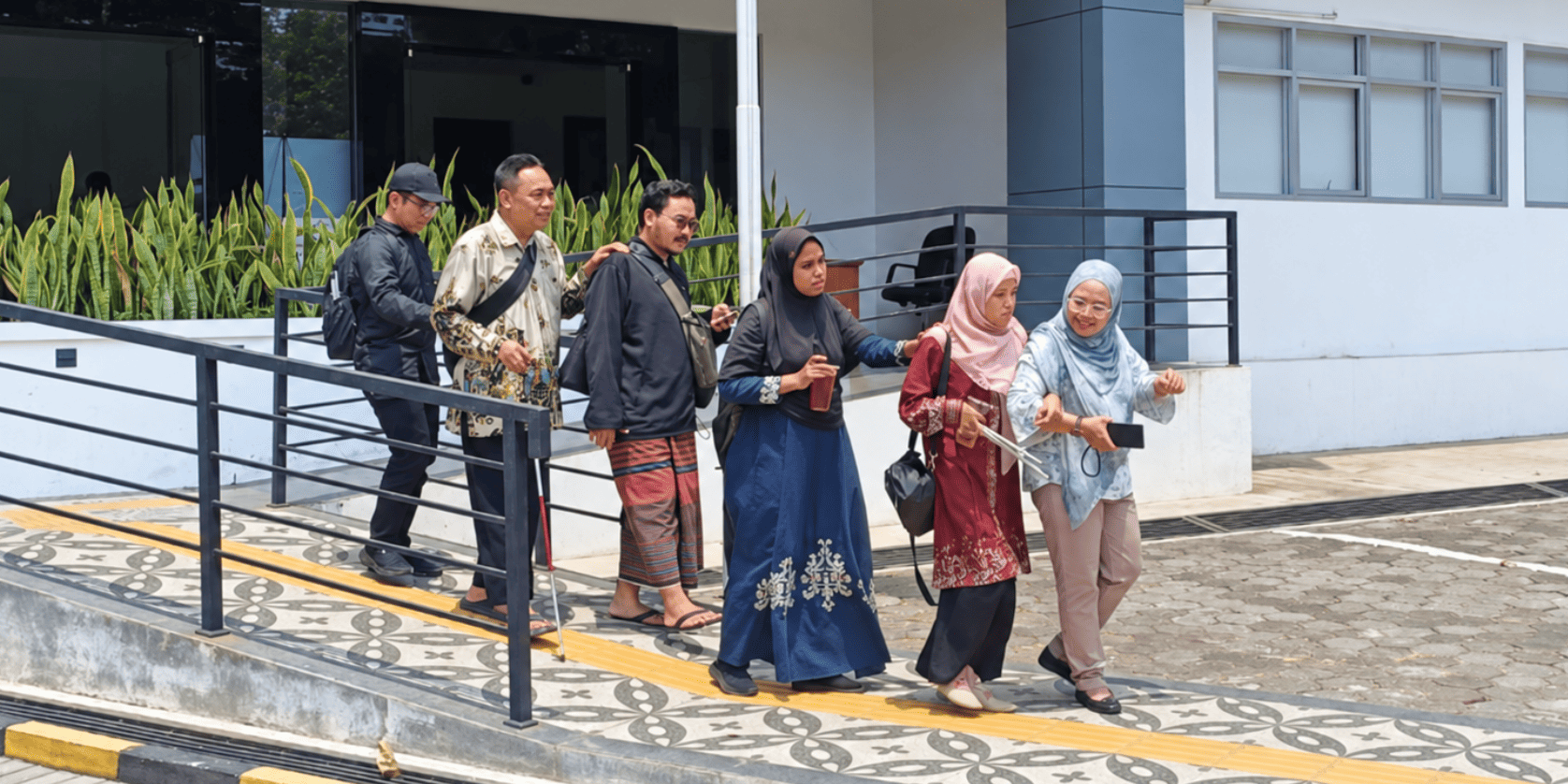
Universitas Negeri Semarang (UNNES) provides access schemes for people with disabilities through a combination of accessible infrastructure and coordinated support services. These arrangements address physical access, participation in learning, examinations, campus activities and preparation for employment.
The university’s Disability Services Unit (ULD), operating under PLBPPKBKD, was established through Decree No. T/3392/UN37/HK.02/2024. The unit coordinates support that connects campus accessibility with students’ academic and individual needs, providing an institutional basis for reasonable accommodation.
Supporting Physical Access across Campus
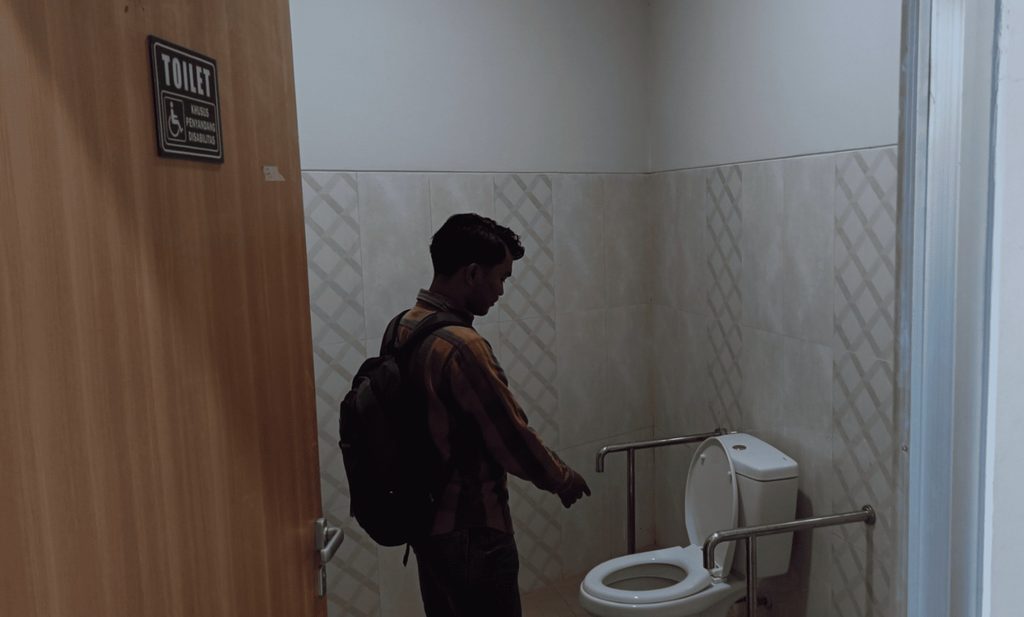
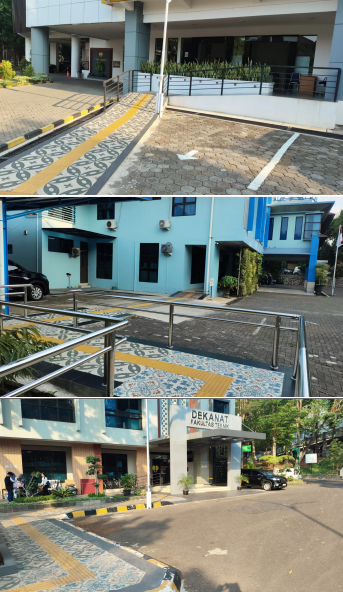
UNNES provides ramps, accessible lifts and accessible toilets across faculties, institutes, the library, auditorium and Rectorate. These facilities support access to spaces where students attend classes, use academic resources, obtain administrative services and participate in university events.
The facilities address different aspects of campus mobility. Ramps support movement between different ground levels, accessible lifts facilitate movement between floors, and accessible toilets provide essential facilities for people with mobility-related needs. Their provision across different university settings helps extend accessibility beyond teaching spaces.
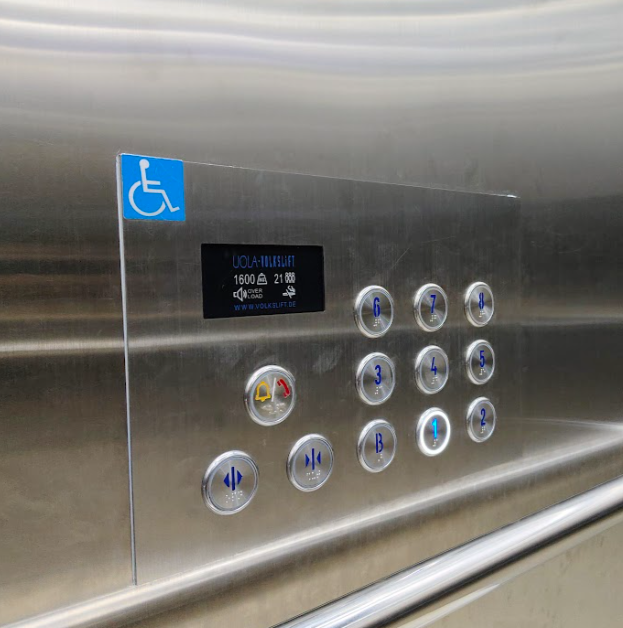
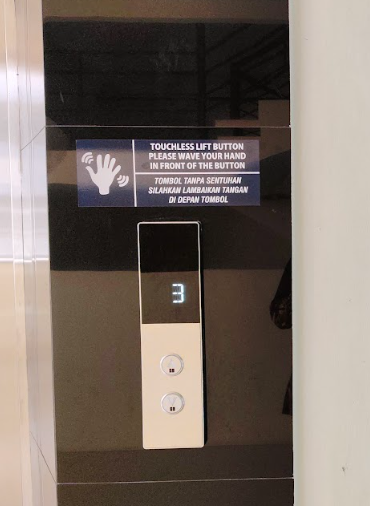
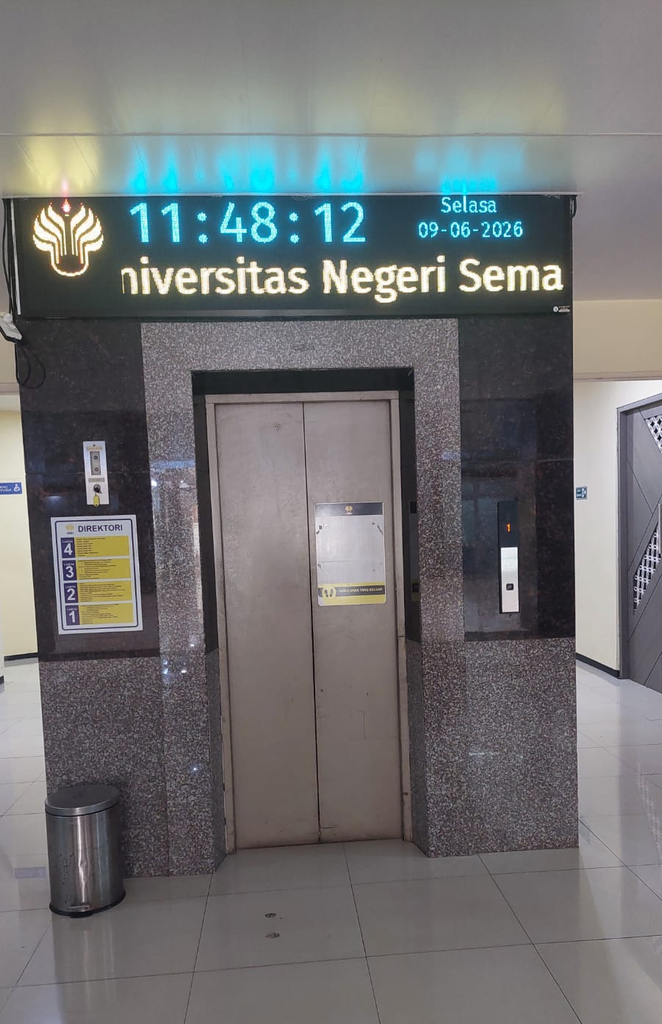
ULD’s support also includes mobility and physical-access assistance. This complements the provision of infrastructure by recognising that accessible facilities and individual assistance may both be needed for students to participate in campus activities.
Providing Academic Assistance and Accessible Learning Materials
During the reported period, 19 students received support through ULD’s services. The support provided included academic assistance from ULD volunteers, sign-language video learning materials, examination accommodations, mobility assistance, inclusive career guidance and inclusion-literacy activities.
Volunteer academic assistance offers an additional source of support for students navigating learning activities. Its inclusion within ULD’s coordinated services connects individual assistance with the university’s wider approach to disability access.
Sign-language video learning materials provide another way to access educational content. Their availability recognises that students may require different communication formats to participate in learning. Together, academic assistance and accessible materials help address barriers that physical infrastructure alone cannot resolve.
Supporting Fair Participation in Examinations
Examination accommodations form part of UNNES’s disability access schemes. These arrangements recognise that students may need adjustments to assessment conditions to demonstrate their knowledge and skills.
The purpose of accommodation is to reduce disability-related barriers while maintaining the academic objectives of an assessment. Including examination support within ULD’s services connects access to teaching with access to the processes used to evaluate learning.
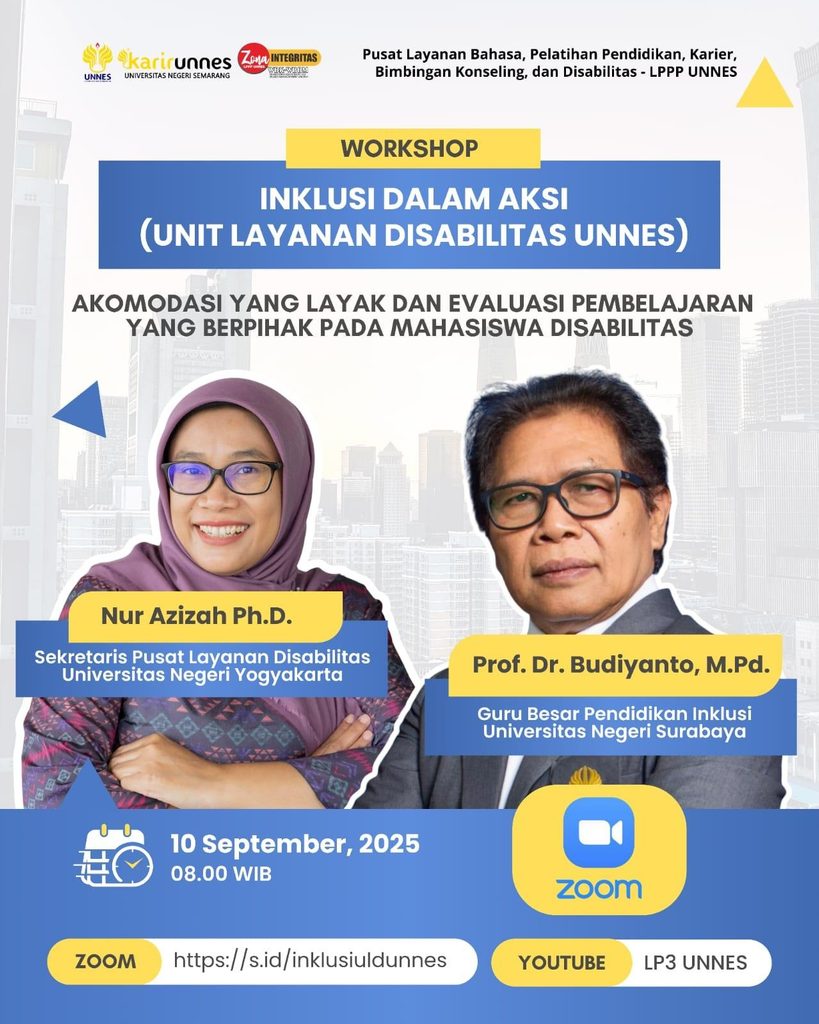
This work is complemented by the university’s 2025 workshops on inclusive teaching and assessment for lecturers. Bringing assessment into staff development helps connect institutional support services with the everyday responsibilities of academic staff.
Extending Support to Career Preparation
UNNES’s access schemes also include inclusive career guidance. This extends support beyond classroom participation to students’ preparation for employment and their transition from university into professional life.
Career guidance forms part of a broader approach that recognises students with disabilities as learners with academic interests, capabilities and professional aspirations. Alongside academic support, it provides a channel for considering future development and participation in the workplace.
ULD’s student interest and aptitude assessments, undertaken as part of its 2024 initiatives, complement this approach. These assessments provide information about students’ strengths and interests that can inform guidance and support.
Developing Disability Guidance and Service Awareness
In 2024, ULD’s initiatives included a disability guide and service outreach. These activities supported the communication of disability-related information and the development of a more recognisable institutional support system.
A disability guide provides a reference for communicating the university’s approach to support. Service outreach complements written guidance by helping the university community become aware of available assistance.
These activities are an important part of access provision: services need to be identifiable and understood by the people who may use them. Guidance and outreach therefore connect the existence of support with awareness of that support.
Strengthening Lecturers’ Capacity for Inclusive Education
In 2025, ULD held inclusive teaching and assessment workshops for lecturers. The workshops addressed the academic dimension of accessibility by supporting staff understanding of different learning needs and appropriate accommodation.
Lecturers play a central role in students’ access to course content, classroom participation and assessment. Staff development helps connect the university’s disability commitments with teaching practices across academic programmes.
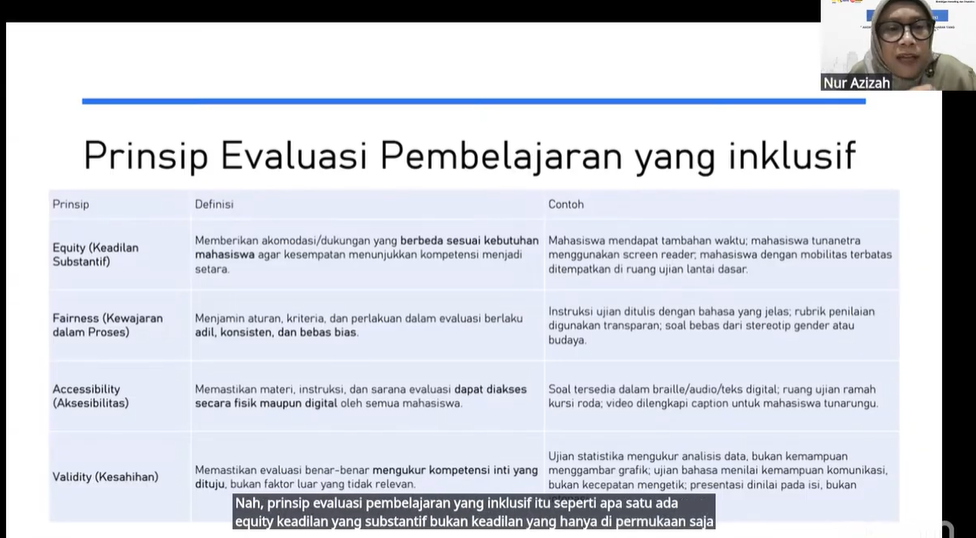
Workshop for lecturers on inclusive assessment for students with disabilities
By addressing both teaching and assessment, the workshops supported a more connected approach to inclusion throughout the learning process. They complemented ULD’s direct assistance to students by strengthening capacity among the academic staff responsible for delivering education.
Developing Volunteer Support and Inclusive Communication
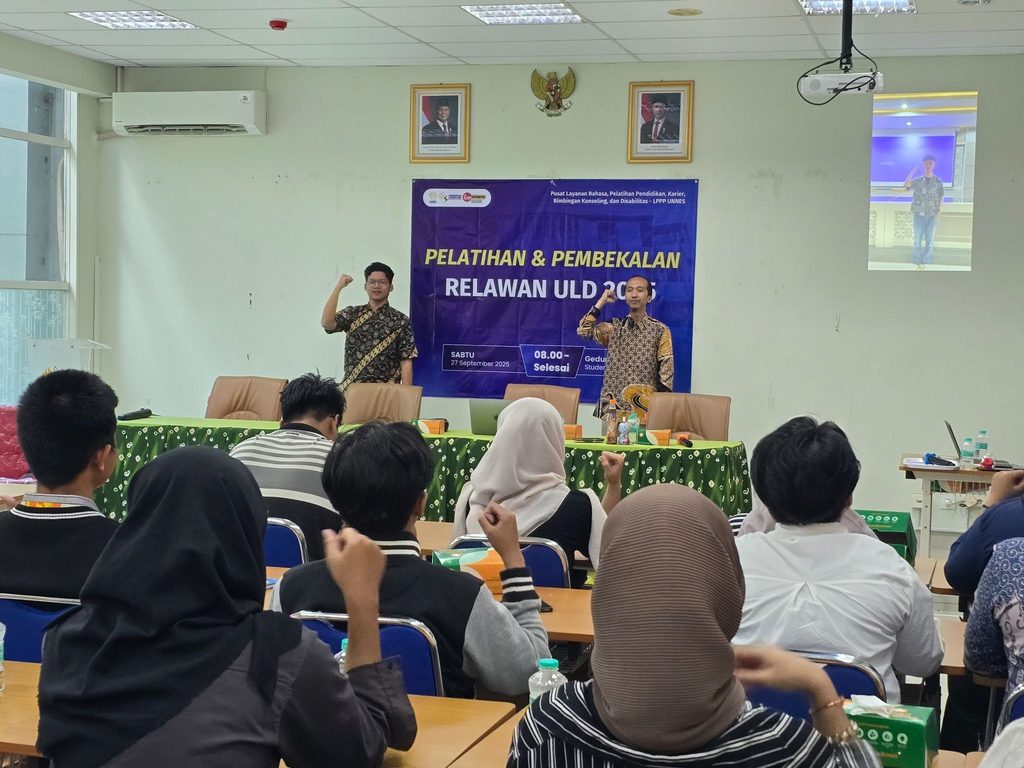
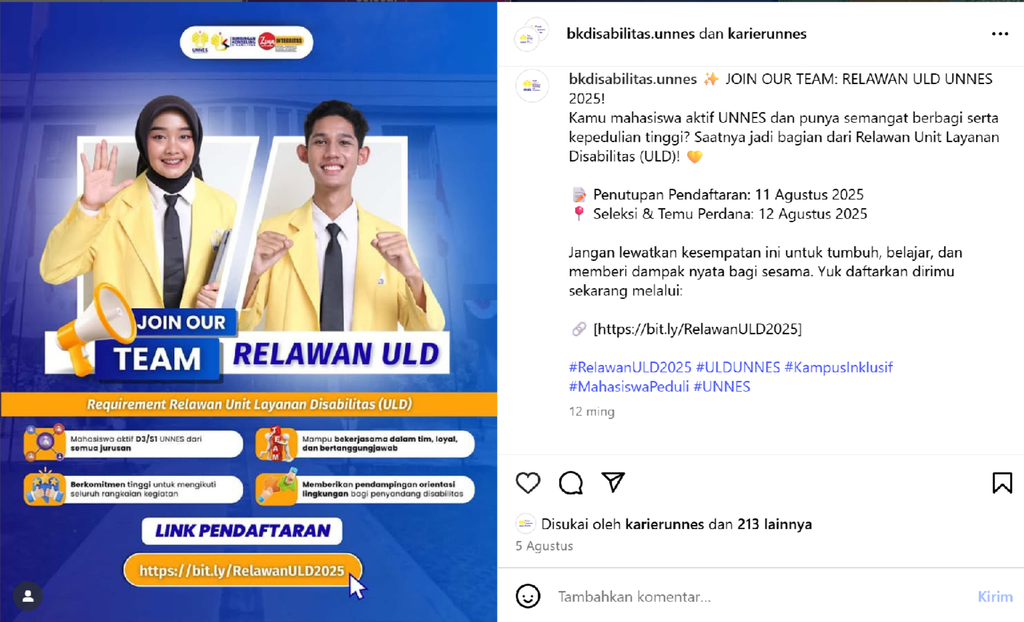
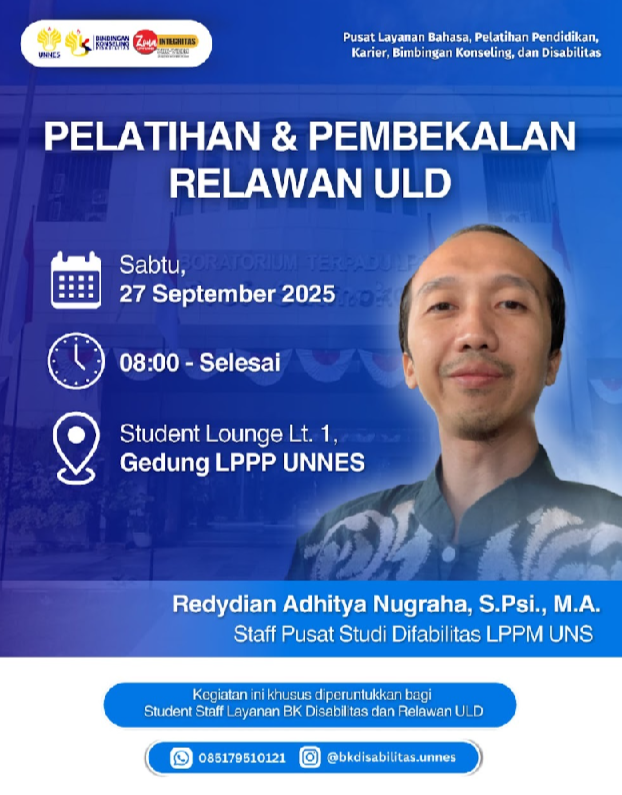
ULD also recruited and trained volunteers in 2025. This initiative strengthened the organised support available to students with disabilities and complemented the academic and mobility assistance already included in the unit’s services.
Volunteer training supports preparation for assistance roles and reinforces the importance of responding to students’ needs respectfully. Coordinating volunteers through ULD places peer assistance within an institutional service framework.
Sign-language training formed another part of the university’s 2025 initiatives. It supported the development of communication skills relevant to a more inclusive campus and complemented the provision of sign-language video learning materials.
Promoting Disability Awareness and Identifying Accessibility Needs
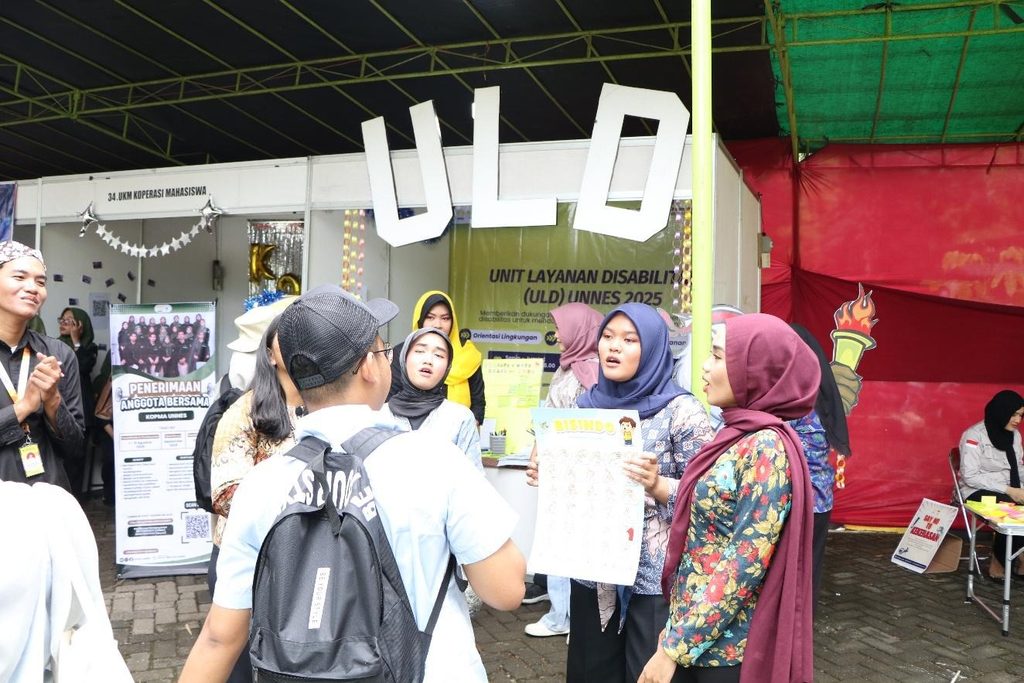
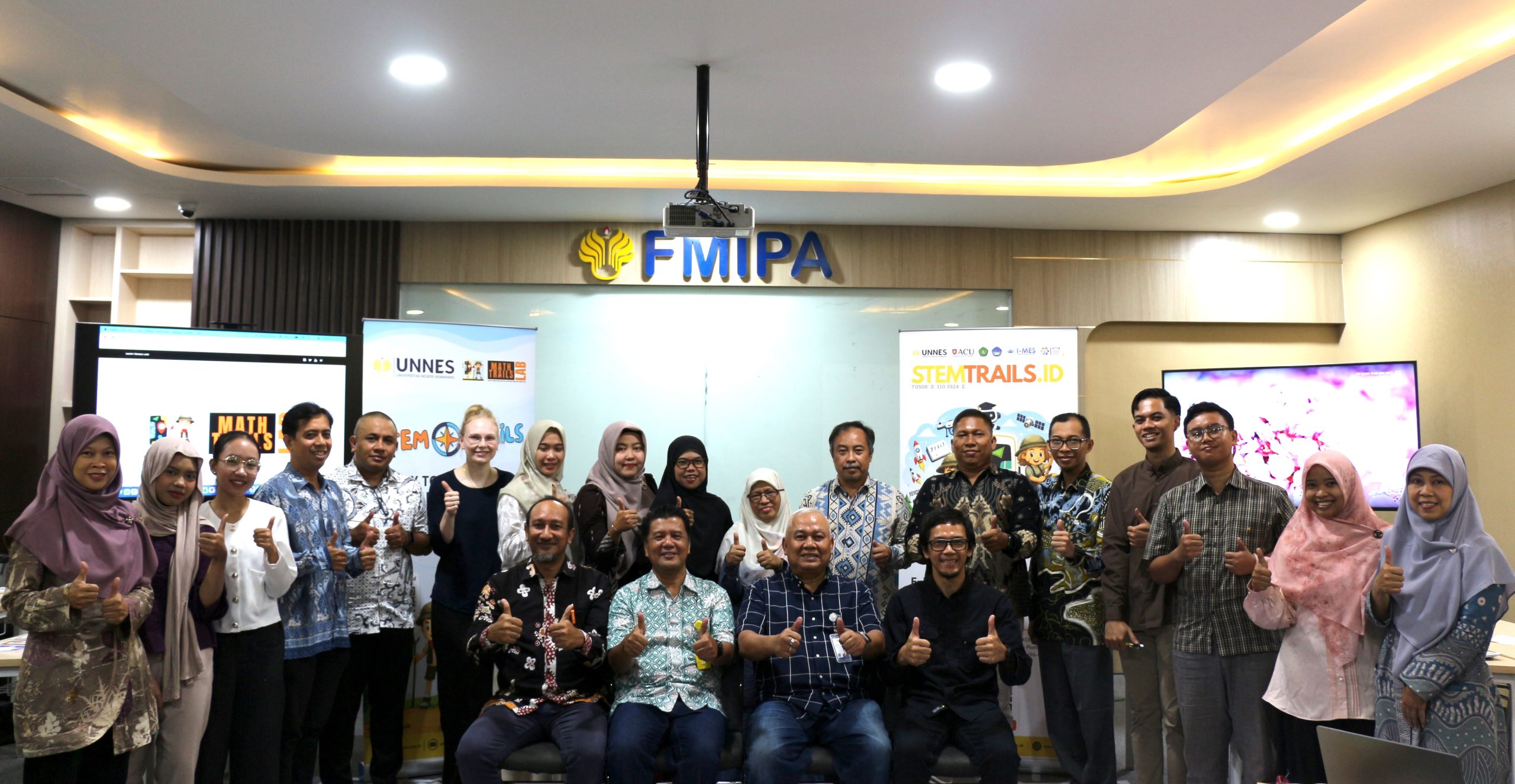
Disability Service Unit (ULD) for Promoting Inclusive Awareness
In 2025, ULD conducted a disability-friendly campus campaign and inclusion-literacy activities. These initiatives addressed the social dimension of accessibility by encouraging greater understanding of disability and participation within the university community.
Accessible facilities and academic accommodations operate within a wider campus environment. Awareness activities help draw attention to the role of communication, attitudes and everyday interactions in supporting inclusion.
ULD also surveyed accessibility needs, providing a channel to gather information on barriers and support requirements. The survey can inform reviews of facilities and services, helping the university consider further improvements based on identified needs.
Through these coordinated schemes, UNNES supports disability access across physical facilities, learning, assessment, communication and career preparation. The combination of institutional coordination, direct assistance and capacity development provides a foundation for participation and reasonable accommodation throughout university life.