As part of its strong commitment to social responsibility, Universitas Negeri Semarang (UNNES) has developed a range of sustainable programmes to prevent and address student hunger, ensuring access to nutritious, affordable, and balanced meals for the entire university community.
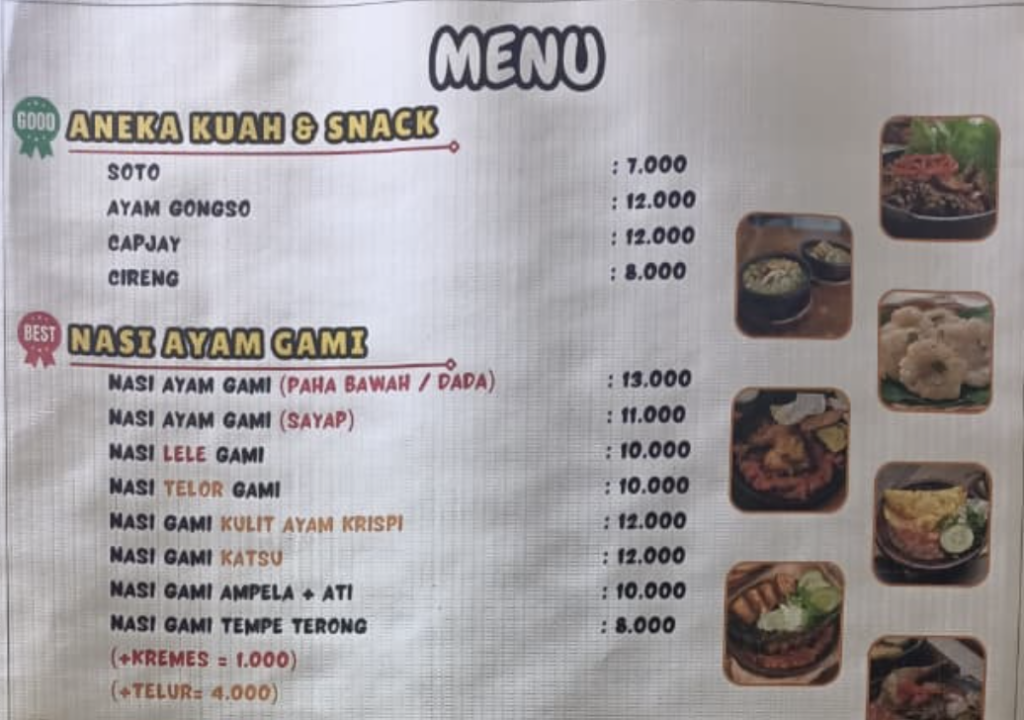
Every campus canteen at UNNES offers nutritious meals, including fried rice, soto (traditional Indonesian soup), nasi pecel (rice served with vegetables and peanut sauce), gado-gado (Indonesian vegetable salad with peanut sauce), spinach soup, stir-fried water spinach, mixed vegetable stir-fry, and tofu or tempeh as sources of plant-based protein. Priced at approximately IDR 8,000-15,000 (USD 0.50–0.90) per serving, these meals help ensure that students can access healthy food on a daily basis.
To further support student welfare, UNNES provides free iftar meals during Ramadan. The programme distributes a total of 4,500 meal packages, with 150 portions provided daily throughout the holy month. The programme is managed by the administrators of Ulul Albab Mosque at Universitas Negeri Semarang.
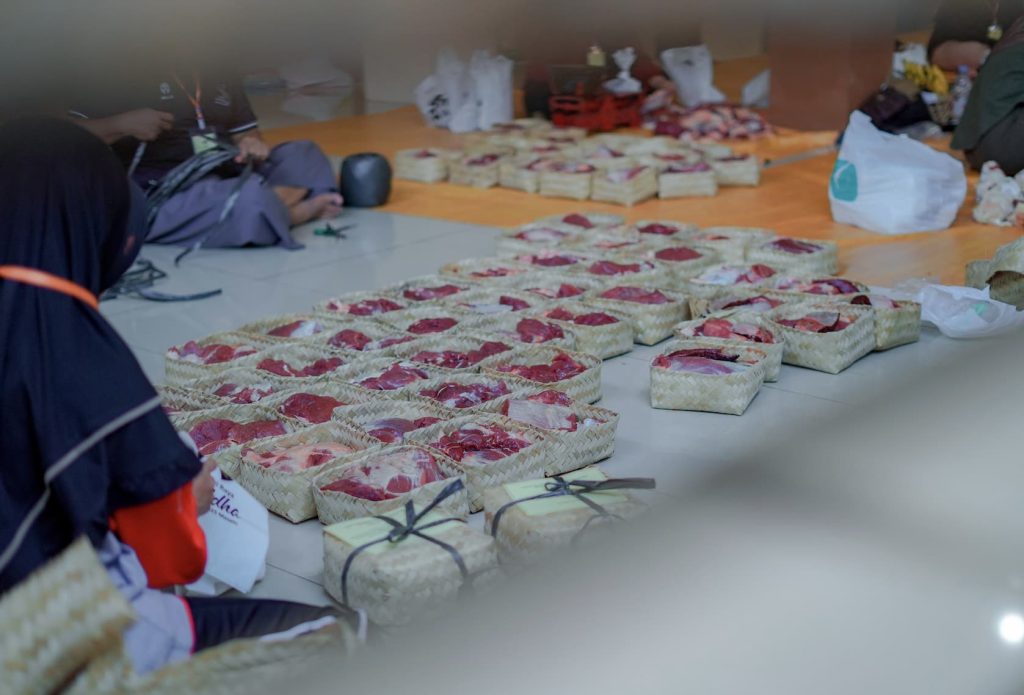
In addition, during the Eid al-Adha celebration, UNNES distributes 2,000 packages of sacrificial meat, comprising 1,000 packages for students, 660 for university staff, and 340 for the general public.
UNNES continues to demonstrate its strong social commitment to student welfare through the Jumat Berkah (Blessed Friday) programme. Through this initiative, the university seeks to ensure that no student experiences hunger.
The programme provides free, nutritious meals to UNNES students every Friday. Its implementation involves collaboration among 10 work units within the university. Through this collective effort, an average of 1,750 nutritious meal packages are distributed every Friday to students across the campus. The programme is jointly implemented by all faculties and institutions within UNNES.
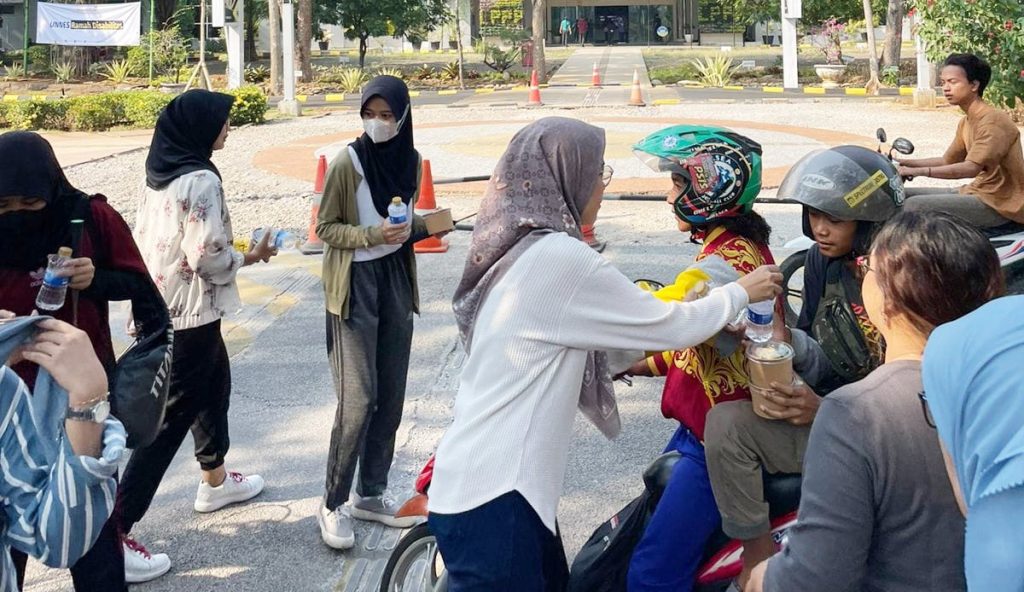
This cross-unit collaboration makes Jumat Berkah a platform for synergy among members of the university community, staff, and women’s organisations within UNNES. Beyond helping prevent student hunger, the programme also supports improved nutrition and health across the campus.
The Chair of Dharma Wanita UNNES, Karniti S. Martono, stated that the programme is expected not only to provide financial relief for students but also to foster a stronger culture of social responsibility within the university.
“Jumat Berkah represents an expression of gratitude and compassion. We want to ensure that no UNNES student has to study on an empty stomach,” she said.
UNNES’s Sustained Commitment to Social Responsibility
In addition to the weekly Jumat Berkah programme, UNNES actively organises other food distribution initiatives. During the holy month of Ramadan, the university provides free iftar meal packages, while during Eid al-Adha, it distributes sacrificial meat packages to students and surrounding communities.
In 2025, UNNES collected 18 sacrificial animals, comprising 10 cattle and eight goats. From these animals, approximately 2,000 packages of sacrificial meat were distributed to local residents, university staff, and students.
The Rector of UNNES, Prof. Dr. S. Martono, emphasised that these social programmes reflect the university’s core values of conservation and social responsibility, which are central to UNNES’s institutional identity.
“UNNES is committed to creating a campus environment that excels not only intellectually but also embodies compassion, empathy, and care for others,” he stated.
Through these initiatives, UNNES continues to strengthen its role as a socially responsible and humanistic university, ensuring that every member of the university community has the opportunity to thrive both intellectually and physically.