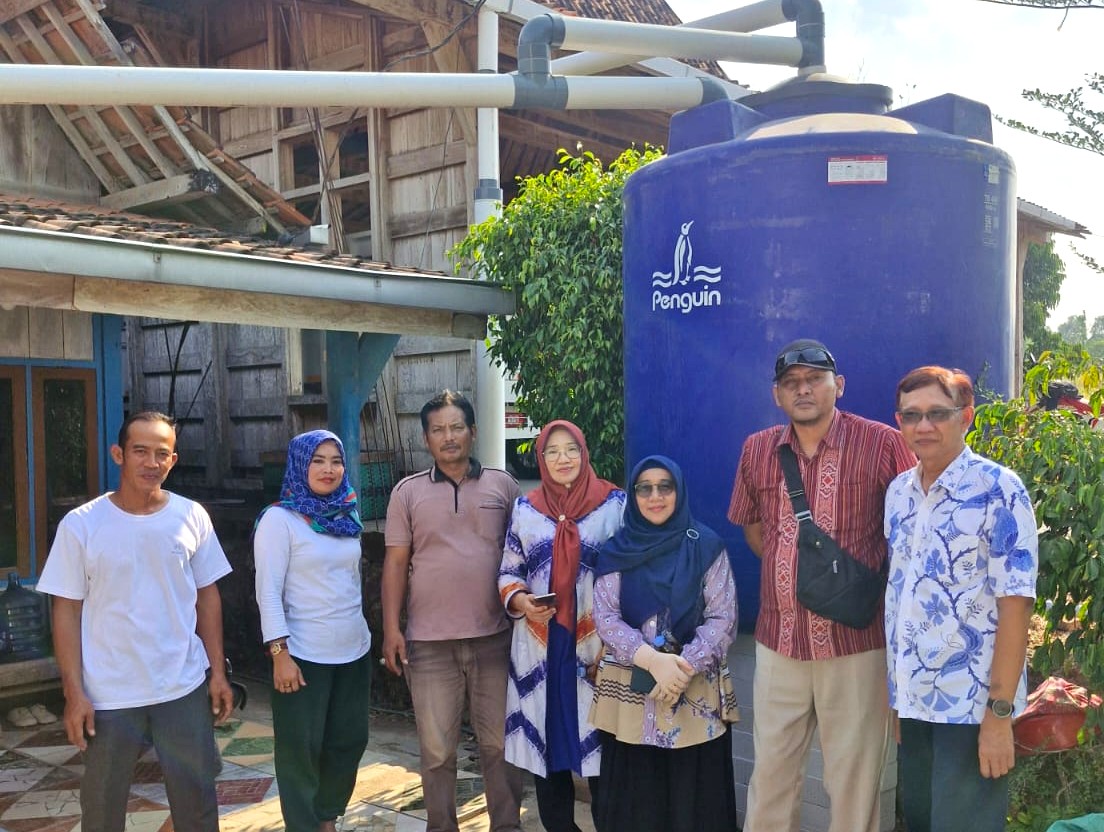
Semarang — Universitas Negeri Semarang (UNNES) provides local education programmes on climate resilience, disaster mitigation and adaptation, impact reduction, and early warning. Through its academic teams and partnerships with communities, schools, and local government, the university connects practical disaster preparedness with education on sustainable energy. Activities documented in 2025 include community education in Keji Village, disaster preparedness and flood early warning in Tambakrejo, and renewable energy learning at SDN 1 Sekaran.
Community Education on Disaster Mitigation and Adaptation in Keji Village
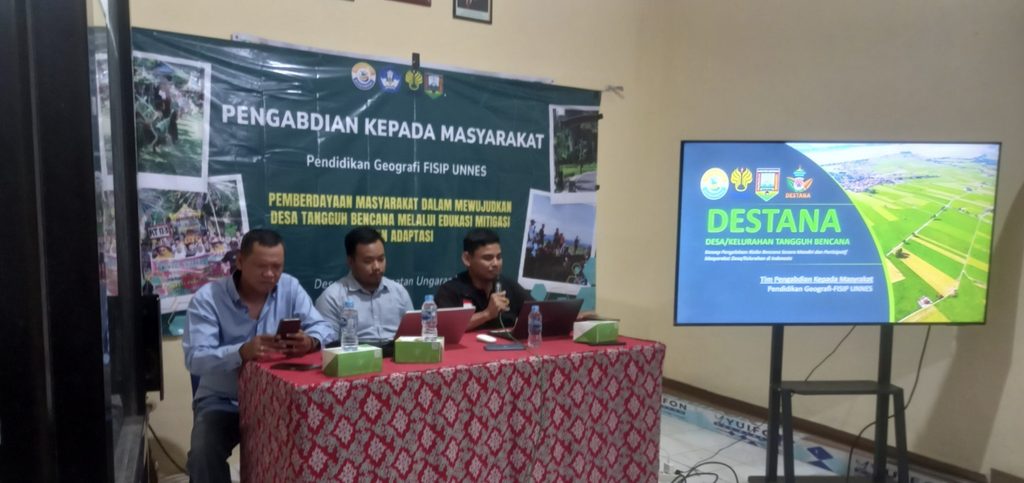
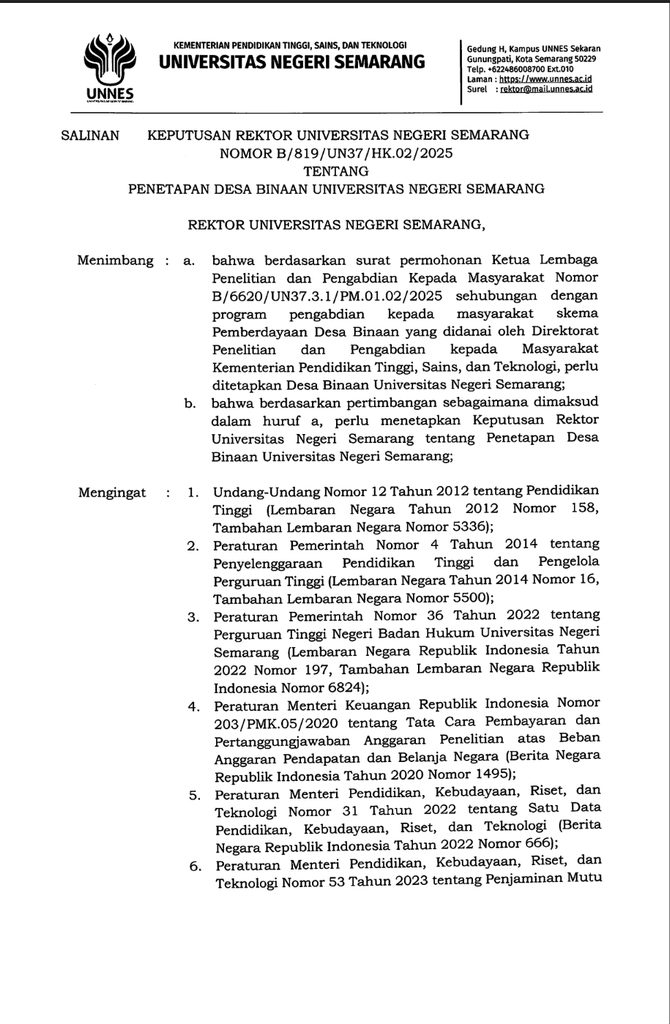
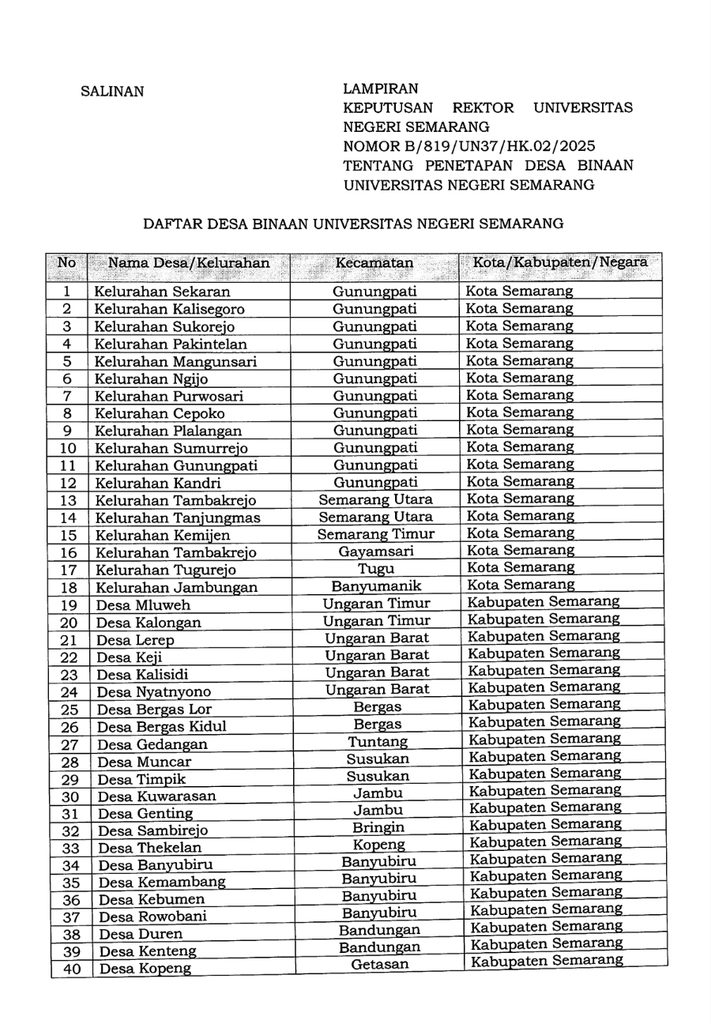
Under the theme “Empowering Communities in Realizing Disaster-Resilient Villages through Mitigation and Adaptation Education,” the initiative aimed to strengthen residents’ ability to recognize potential hazards and take preventive action. The program forms part of UNNES’s institutional community engagement, with Keji Village designated as a university-assisted village under Rector’s Decree Number B/819/UN37/HK.02/2025.
Led by Sriyanto, the interactive session equipped participants with practical knowledge of disaster mitigation and adaptation. Discussions addressed risk identification, early warning systems, and preventive measures to reduce potential losses. Through community participation, the program encouraged residents to translate this knowledge into preparedness measures suited to local conditions.
Keji Village Head Siswanto welcomed the initiative and expressed appreciation for UNNES’s contribution to strengthening community knowledge and skills in disaster mitigation. He also expressed hope that the collaboration would help Keji Village become a model for disaster-resilient villages in Semarang Regency.
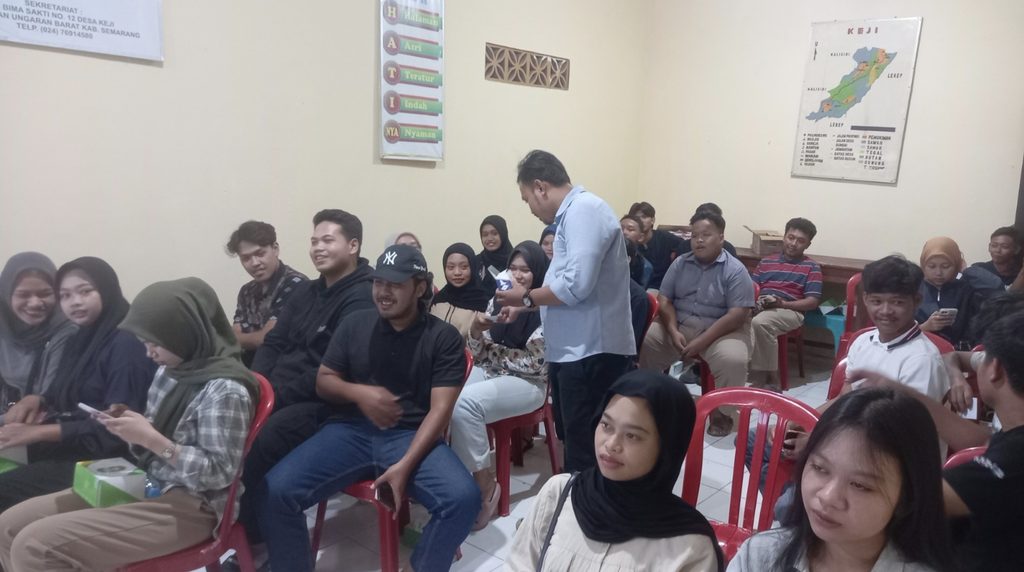
UNNES’s engagement extends beyond the educational session through ongoing monitoring, evaluation, and program development. This continued collaboration provides a foundation for strengthening local preparedness and sustaining community participation in disaster risk reduction.
By connecting university expertise with local needs, the program supports safer, more resilient communities and strengthens their capacity to respond to climate-related challenges. The initiative reflects UNNES’s commitment to advancing climate awareness and community-based adaptation through practical education and sustained village partnerships.
Disaster Education and Flood Early Warning in Tambakrejo
Complementing village-level education, a team led by Prof. Nana Kariada Tri Martuti of FMIPA UNNES implemented a disaster-resilience programme in Tambakrejo Urban Village, Gayamsari, Semarang. Its activities involved residents and Tambakrejo 3 Elementary School, connecting community preparedness with safer education.
Participatory risk mapping identified local exposure to flooding and fire. The programme subsequently combined disaster education, evacuation simulations, and the establishment of a Disaster Safe Education Unit (SPAB) and a school preparedness team. Evacuation routes, assembly points, and emergency equipment supported the practical application of the training.
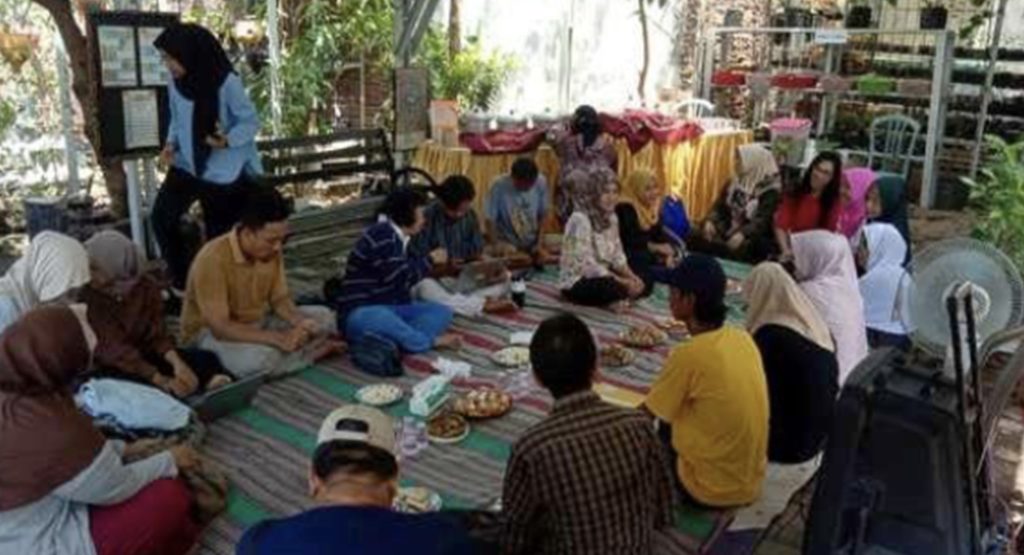
The programme also introduced a solar-powered Flood Early Warning System, using ultrasonic sensors to monitor water levels and a smartphone application for remote access. The system issues alerts when river levels exceed critical thresholds. Together, education, evacuation practice, and warning technology link understanding local hazards with preparedness for emergency action.
Sustainable Energy Education through EPISODE at SDN 1 Sekaran
Alongside adaptation and preparedness, UNNES extends climate-related education through practical lessons on energy and resource use. On 16 November 2025, Physics Education students from FMIPA implemented Environmental Physics for Sustainable Development (EPISODE) at SDN 1 Sekaran, Gunungpati, under the supervision of Dr. Ellianawati, M.Si.
Through demonstrations, practical activities, and discussion, pupils explored energy efficiency and renewable energy using teaching aids such as a solar cooker and a mini water turbine. These activities translated environmental physics into accessible learning experiences and introduced children to alternatives for meeting everyday energy needs.
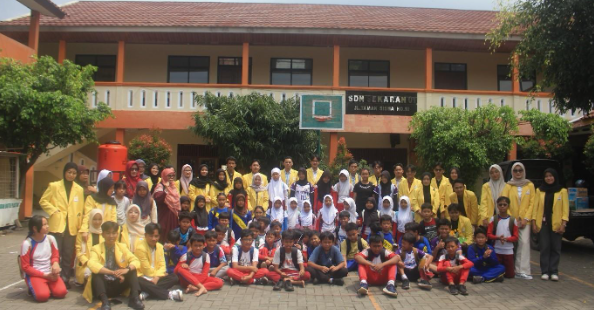
The programme also introduced products made from reused materials, including fertilizer from orange peels and candles from used cooking oil. Teachers reported that the teaching aids made science concepts more concrete and engaging, while encouraging environmental awareness from an early age. This educational approach connects scientific understanding with responsible energy use and everyday conservation practices.
Across the three locations, UNNES’s outreach addresses complementary aspects of climate action: hazard identification and preventive planning in Keji, preparedness and early warning in Tambakrejo, and energy efficiency and renewable energy education in Sekaran. The programmes demonstrate how university expertise reaches local residents, community leaders, teachers, and pupils through activities designed to strengthen preparedness and environmental responsibility.