Monitoring Salary and Incentive Distribution through SIKEU
Universitas Negeri Semarang (UNNES) monitors gender equity in employee salaries, incentives, and allowances through its Financial Information System (SIKEU). Integrated with the Remuneration System and Official Travel System, SIKEU enables the university to monitor financial distribution across gender groups, faculties, and job categories.
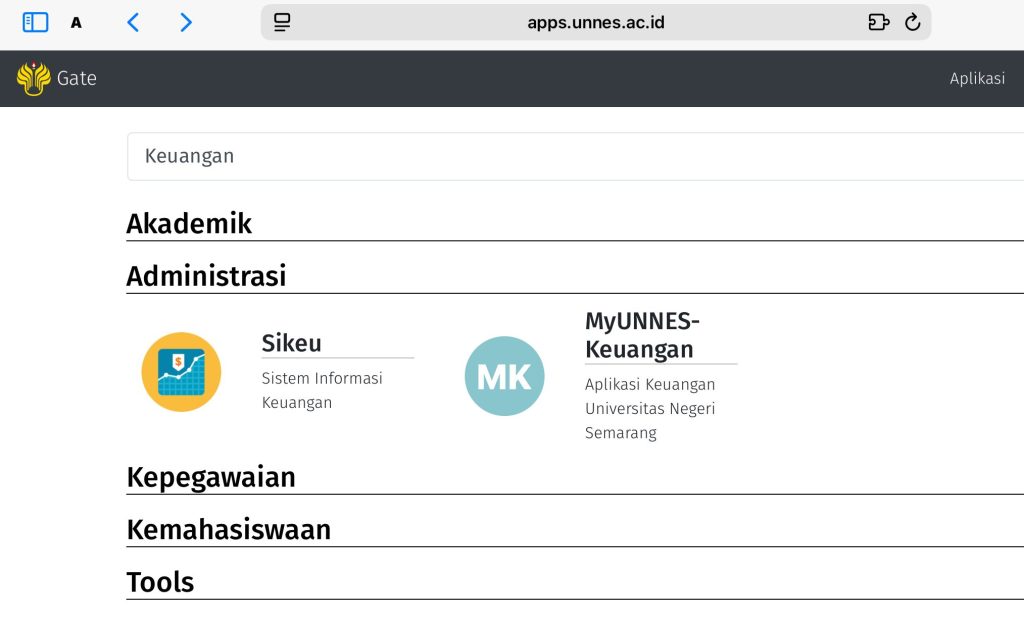
This integrated system supports the monitoring of employee compensation and provides financial data for assessing whether salary and incentive distribution is equitable across the university.
Ensuring Equal Pay Based on Responsibilities and Performance
UNNES implements a remuneration policy based on professional responsibilities, qualifications, job categories, and performance rather than gender. Salary, incentives, and allowances are determined according to employees’ roles and contributions, ensuring the principle of equal pay for equal work.
Through this approach, gender does not become a determining factor in compensation decisions. The university seeks to ensure that employees receive fair remuneration in accordance with their responsibilities and performance.
Conducting Quarterly Reviews to Identify Pay Disparities
To safeguard pay equity, UNNES conducts quarterly reviews of financial distribution patterns under the supervision of the Vice Rector for Finance. These evaluations examine salary and incentive distribution across gender groups to identify potential disparities.
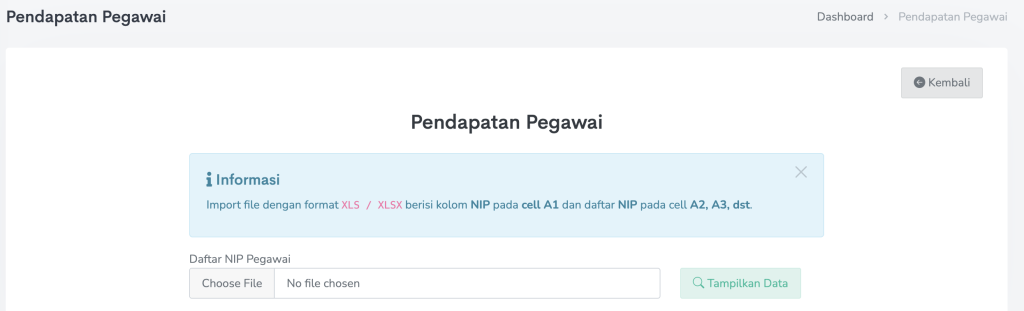
The review findings provide a basis for evidence-based decisions, corrective adjustments, and improvements to remuneration policies. This process also supports greater transparency and accountability in the university’s financial management.
The monitoring process enables UNNES to assess pay equity at the institutional level by comparing salary and incentive distribution between male and female employees across different faculties and job categories.
Through SIKEU integration and regular quarterly evaluations, UNNES systematically monitors gender equity in employee remuneration. These efforts reflect the university’s commitment to fair compensation practices and contribute to SDG 5 (Gender Equality) and SDG 8 (Decent Work and Economic Growth).