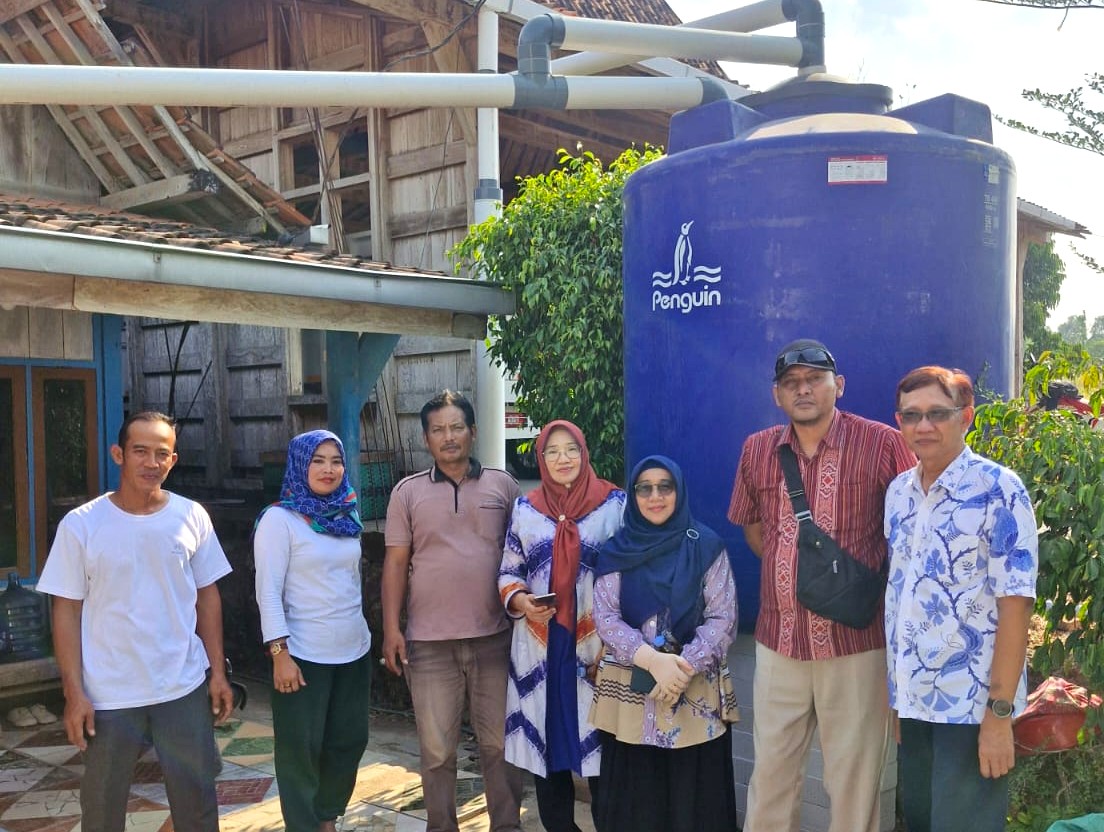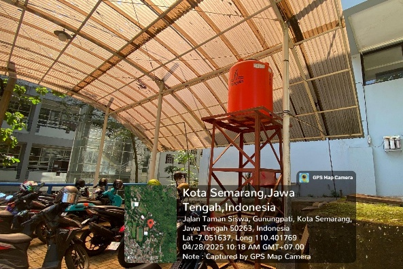
UNNES reports an average of 14,870 liters of ablution water reused each week and monitors rainwater harvesting infrastructure comprising 43 storage tanks with a combined potential capacity of 31,000 liters per collection session. These figures distinguish water actually reused from available collection capacity.
Universitas Negeri Semarang (UNNES) monitors water reuse through its campus ablution water recycling programme, alongside the collection and utilization of harvested rainwater. By recording reuse volumes, infrastructure capacity, and utilization, the university evaluates how alternative water resources support campus operations and reduce reliance on freshwater.
Measuring Weekly Ablution Water Reuse
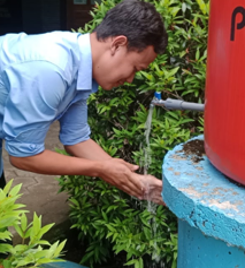
UNNES reports that an average of 14,870 liters, or 14.87 cubic meters, of ablution water is reused every week through its campus mosque recycling programme, associated with approximately 9,913 users.
Collected ablution water is processed for non-potable applications, particularly irrigation of campus gardens and green spaces. Recording the weekly volume provides a quantitative indicator of water recovered for further use.
Monitoring Rainwater Collection and Utilization
Across faculties and participating administrative units, UNNES operates 43 rainwater storage tanks with a combined potential capacity of 31,000 liters, equivalent to 31 cubic meters, per collection session.
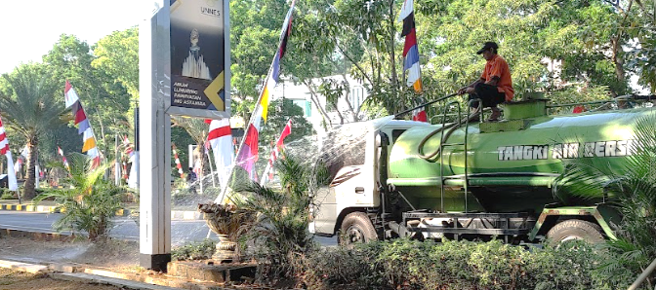
The university reports that all collected rainwater is utilized for non-potable activities, including landscape irrigation, cleaning, and facility maintenance, representing a 100% utilization rate.
The reported capacity indicates how much water the infrastructure can potentially accommodate per collection session. Actual harvested volumes depend on rainfall and available storage; therefore, this capacity should be distinguished from a measured annual volume of water collected or reused.
Tracking the Continuity of Water Reuse Programmes
Reported figures remain relatively consistent with the previous reporting period, indicating the continued operation of established facilities. Monitoring and maintenance help UNNES assess whether these systems continue to support routine campus needs.
Together, weekly ablution water reuse records and rainwater utilization data provide indicators for evaluating the performance of participating campus facilities. These records support the university’s water conservation efforts and its contribution to SDG 6: Clean Water and Sanitation.