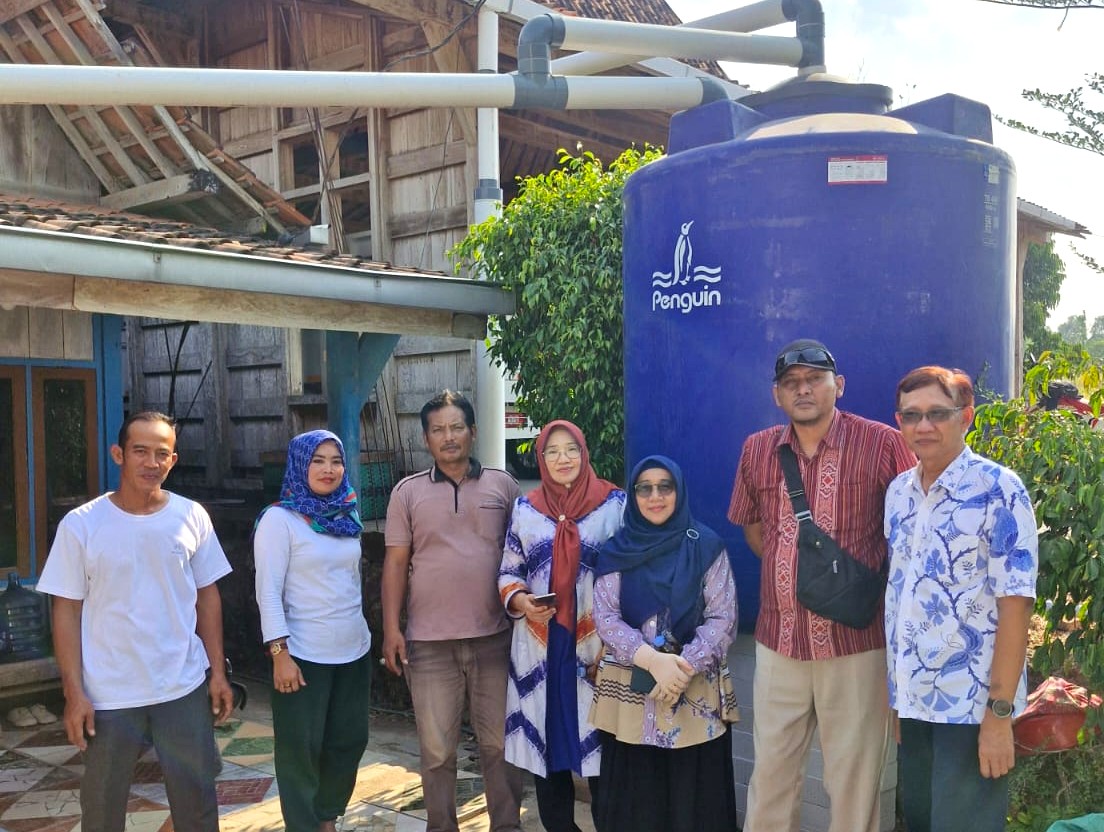
Universitas Negeri Semarang (UNNES) provides educational opportunities for local communities to develop knowledge and practical skills in sustainable water management, water conservation, and watershed protection. Through research-based community engagement, collaborative training, and field-based learning, UNNES connects academic knowledge with local environmental challenges, helping communities understand and apply responsible water management practices.
Promoting Community-Based Water Conservation in the Tuntang Watershed
One of these initiatives is the development of communal infiltration wells integrated with agroforestry in the upstream Tuntang Watershed, located in Bandungan District, Semarang Regency. On June 9, 2025, UNNES collaborated with the Environmental and Forestry Office (DLHK), CDK 3, the Semarang Regency Government, and the Akar Banir Foundation to introduce a community-based water conservation approach. The initiative combines communal infiltration well technology with horticultural agroforestry, particularly avocado cultivation, to improve soil water absorption, reduce surface runoff, and support the long-term sustainability of local water resources.
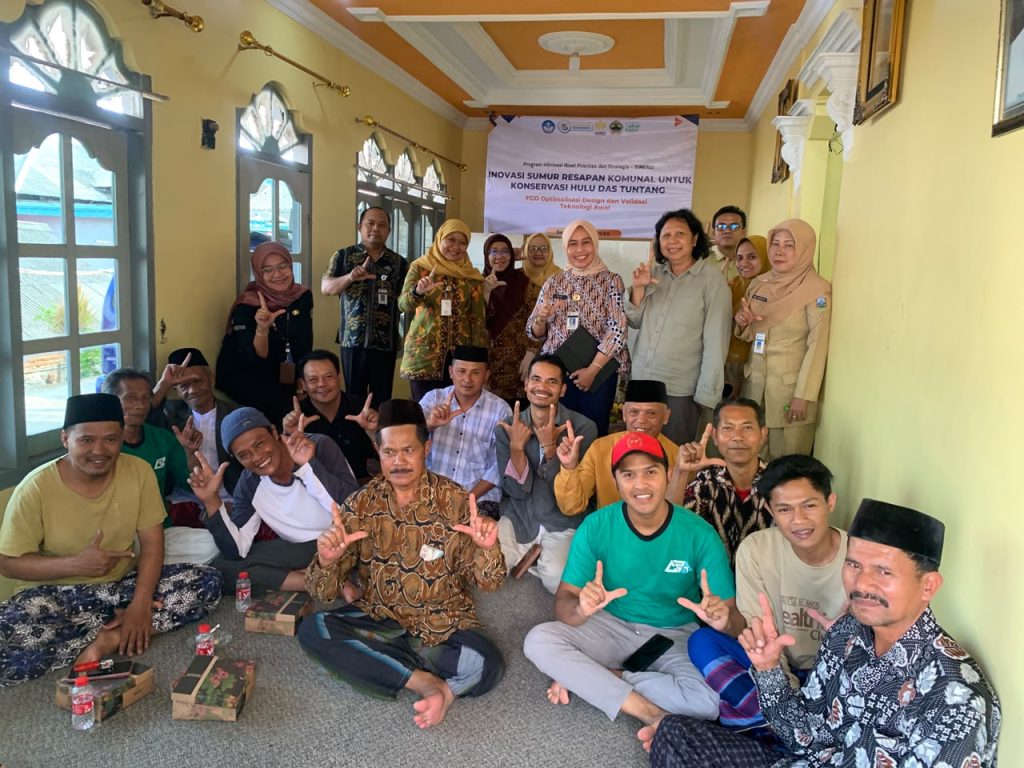
The initiative responds to environmental pressures in the Tuntang Watershed, including land-use conversion, agricultural intensification, and sedimentation in Lake Rawa Pening. These conditions have reduced the land’s capacity to absorb water and increased the risks of flooding and landslides. By introducing integrated water conservation technologies, UNNES promotes greater awareness of the relationship between land management, groundwater recharge, vegetation cover, and watershed health.
Educating Farmers on Sustainable Agriculture and Efficient Water Use
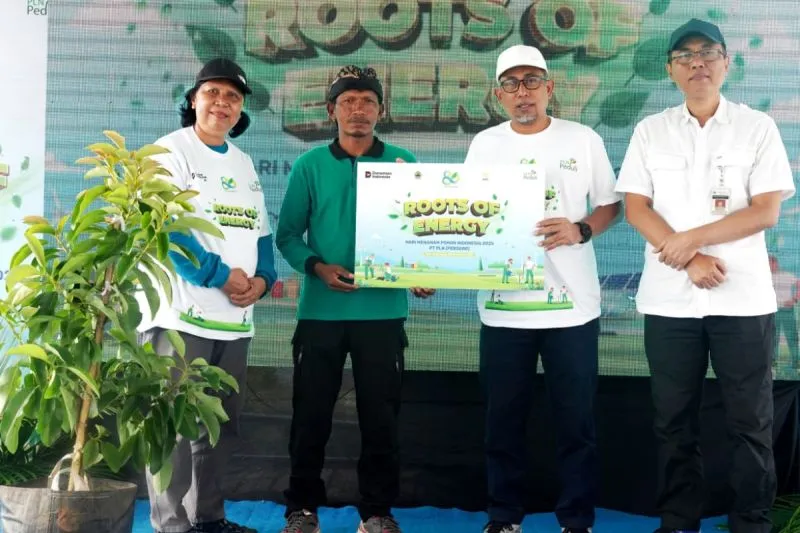
UNNES also provides practical learning opportunities for local farmers through training and field visits related to sustainable agroforestry. In November 2025, UNNES, PT PLN (Persero) UID Central Java and D.I. Yogyakarta, and the Akar Banir Indonesia Foundation organized avocado cultivation and maintenance training for farmers in Bandungan.
A total of 32 members of the Muda Utomo Lestari Farmers Group participated in a learning visit to Hortimart Agro Center in Bawen. Participants observed practical applications of sustainable agricultural management, including irrigation systems, fertilization methods, planting arrangements, and soil-moisture sensors integrated with drip irrigation technology. These activities helped farmers understand how efficient irrigation and appropriate cultivation practices can support agricultural productivity while contributing to the conservation of water catchment areas.
Extending Water Conservation Education to Local Communities
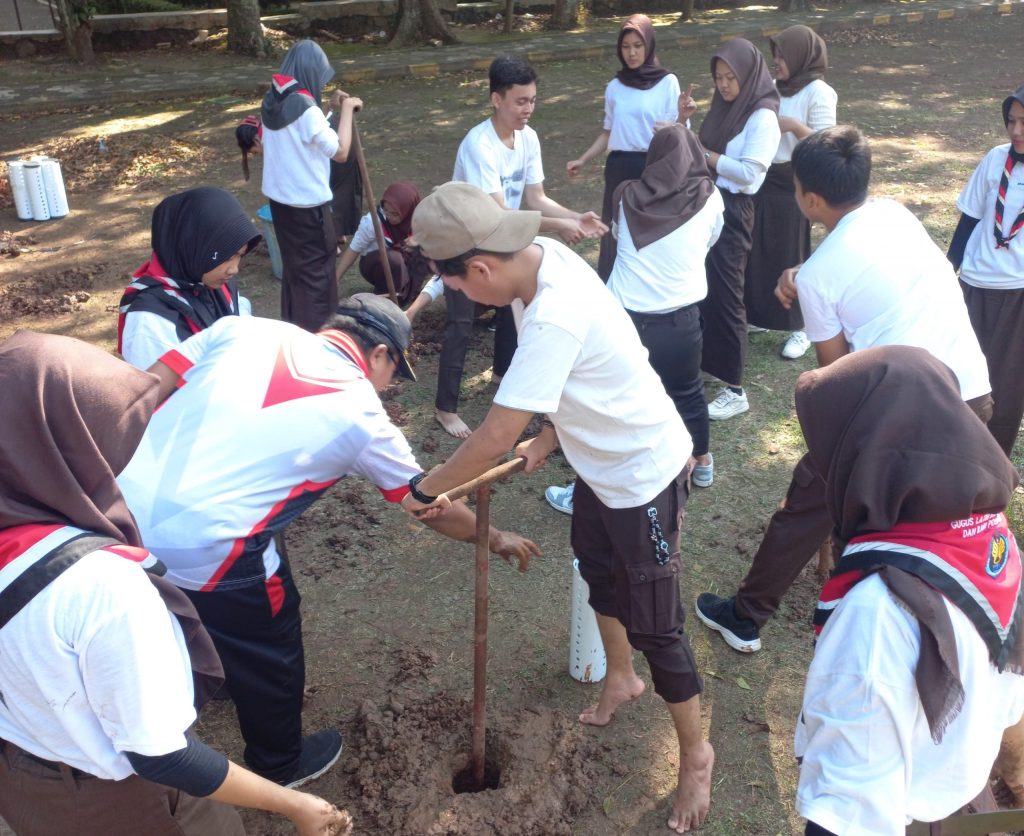
Beyond Bandungan, UNNES extends its community education initiatives through practical water conservation programmes in other local communities. In Desa Wiru, Bringin District, Semarang Regency, FISIP UNNES conducted community education and demonstrations on biopore infiltration holes, rainwater harvesting, and alternative water sources in August 2025.
Residents learned how rainwater can be collected and conserved, how biopores improve water infiltration and reduce surface runoff, and how vegetation can help maintain soil moisture and groundwater resources. The programme combined educational sessions with practical demonstrations and community assistance, enabling residents to apply water conservation practices in their daily environment.
Through these initiatives, UNNES demonstrates its commitment to making water management knowledge accessible beyond the university campus. By combining research-based innovation, community training, and hands-on learning, the university empowers local residents and farmers to adopt more sustainable approaches to water use, agricultural irrigation, rainwater conservation, and watershed protection. These efforts contribute to the achievement of Sustainable Development Goal 6 (Clean Water and Sanitation), particularly by promoting sustainable water management practices and strengthening community capacity to protect local water resources.