University-led forums in 2025 connected environmental challenges, workforce needs, technological innovation and the future of education.
SEMARANG, Indonesia — Universitas Negeri Semarang (UNNES) brought together government agencies, researchers, universities, environmental practitioners, nongovernmental organisations and alumni through a series of sustainability dialogues in 2025. Organised by its Environmental Science Study Program and Faculty of Engineering, the forums provided opportunities to exchange perspectives and inform educational development.
The activities included a cross-sectoral focus group discussion on 24 June 2025 and two international conferences on 17 September 2025. Through these events, UNNES served as both a convenor and an academic participant, connecting university expertise with perspectives from public institutions, professional practice and international research.
Environmental Science Forum Connects Government, NGOs and Industry
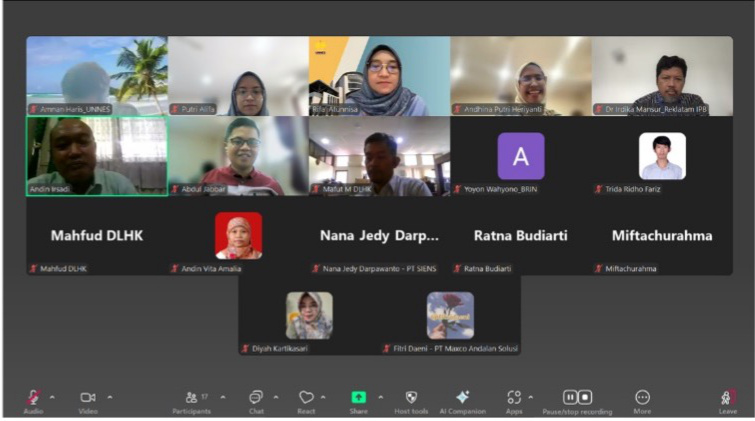
The Environmental Science Study Program at UNNES’s Faculty of Mathematics and Natural Sciences organised an online focus group discussion on 24 June 2025. Held via Zoom, the forum sought to strengthen the programme’s scientific vision and inform curriculum development in preparation for UNNES Curriculum 2025.
Participants represented several sectors. The Central Java Provincial Office of Environment and Forestry (DLHK Jawa Tengah) and the Central Java Natural Resources Conservation Agency (BKSDA Jawa Tengah) contributed government perspectives, while the National Research and Innovation Agency (BRIN) brought a research perspective.
Academics from IPB University and UNNES joined environmental practitioners from PT Green Environesia Cendekia, PT Maxco Andalan Solusi, PT Sinergi Enviro Nusantara and CV Matra Mandiri. NGO representatives and alumni contributed experience from community activities and professional settings.
The forum enabled participants to examine environmental challenges from different institutional and professional viewpoints. It also gave UNNES an opportunity to discuss how environmental education could respond to the needs of government, industry and communities.
Discussing Climate Resilience, Conservation and Workforce Needs
The June dialogue addressed low-carbon and climate-resilient development, circular economy approaches, the triple planetary crisis, sustainable community empowerment, natural-resource conservation and environmental policy.
Participants also discussed the preparation of graduates for environmental challenges in industrial sectors, including oil and gas and mining. These exchanges connected sustainability issues with the responsibilities and competencies graduates would encounter in the workplace.
A review of graduate performance helped identify competency gaps and priorities for educational improvement. Participants highlighted critical thinking, systems thinking, communication, academic writing, technical expertise and foreign-language proficiency as important areas for development.
By bringing employers, public institutions, researchers, NGOs and alumni into the same discussion, UNNES gathered perspectives on both the scientific knowledge and practical skills needed by future environmental professionals.
Turning Stakeholder Input into Curriculum Development
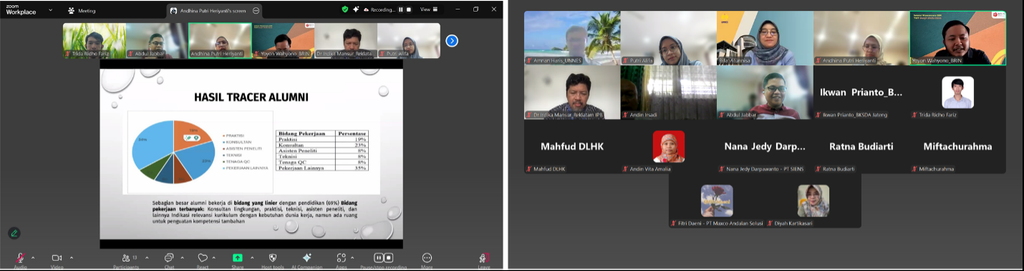
The discussion provided input for the implementation of UNNES Curriculum 2025, based on Outcome-Impactful Learning Achievements. Its development focuses on improving graduate quality and relevance, supporting flexible and adaptive learning, and strengthening connections between university expertise and the needs of industry, government and society.
The curriculum follow-up gave the dialogue a practical purpose beyond the exchange of ideas. Stakeholder perspectives helped inform how the study programme could prepare students to understand environmental problems, work across sectors and respond to changing professional demands.
Engineering Conferences Extend the Dialogue Internationally
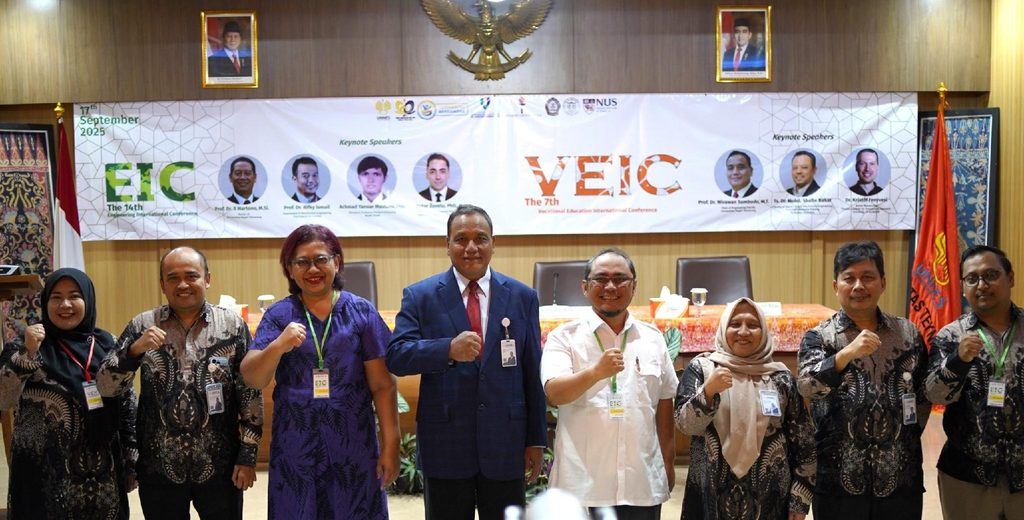
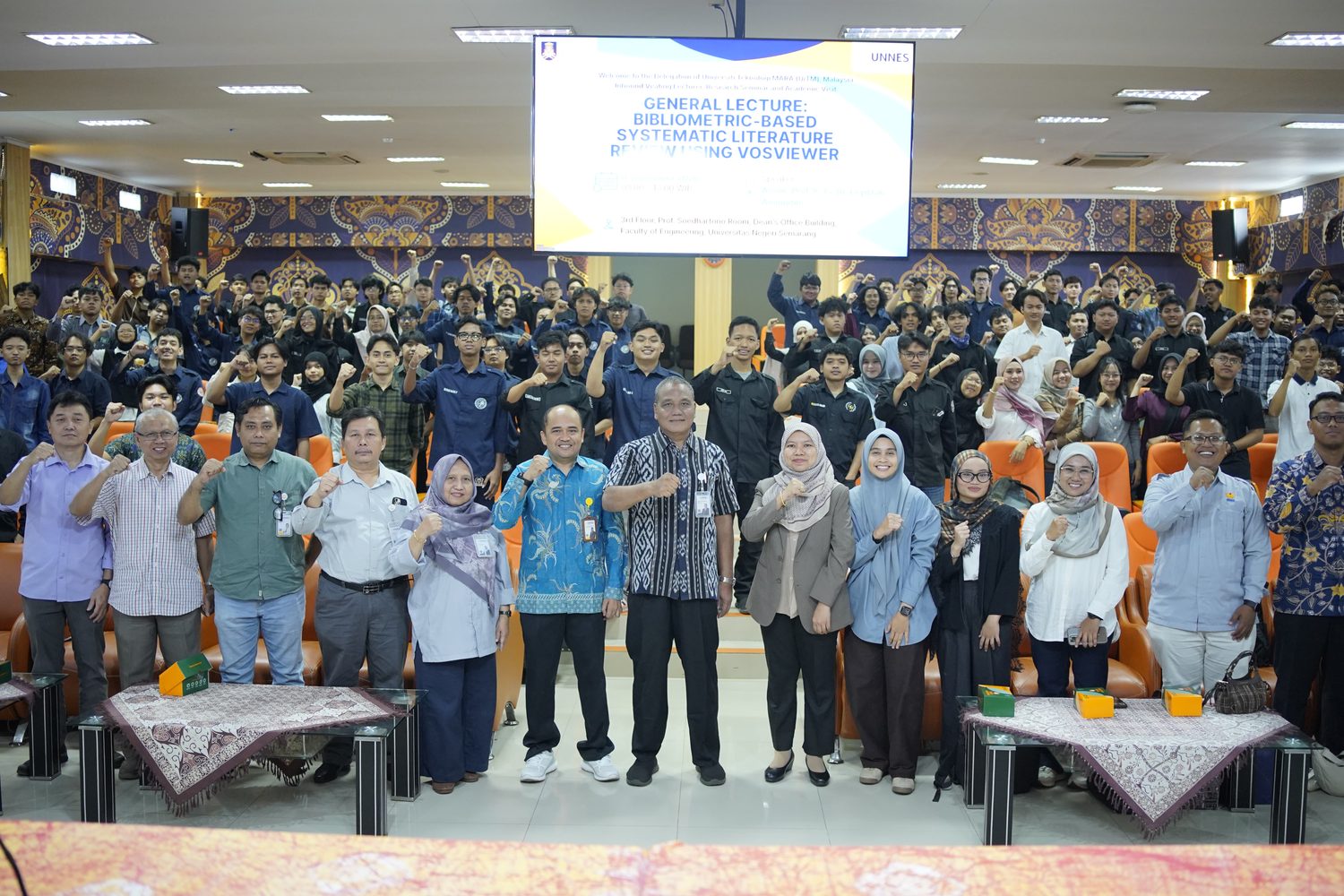
UNNES continued its sustainability dialogue on 17 September 2025, when the Faculty of Engineering organised the 14th Engineering International Conference (EIC) and the 7th Vocational Education International Conference (VEIC).
Held in a hybrid format, the conferences brought together experts from Indonesia, South Korea, Singapore, Malaysia and Finland. They provided an international platform for discussing how engineering, digital technologies and educational innovation can respond to sustainability challenges.
EIC 2025 explored the theme “Achieving Sustainability through Digital Transformation and Technology Development.” Discussions focused on the contribution of engineering and technological development to a more sustainable future.
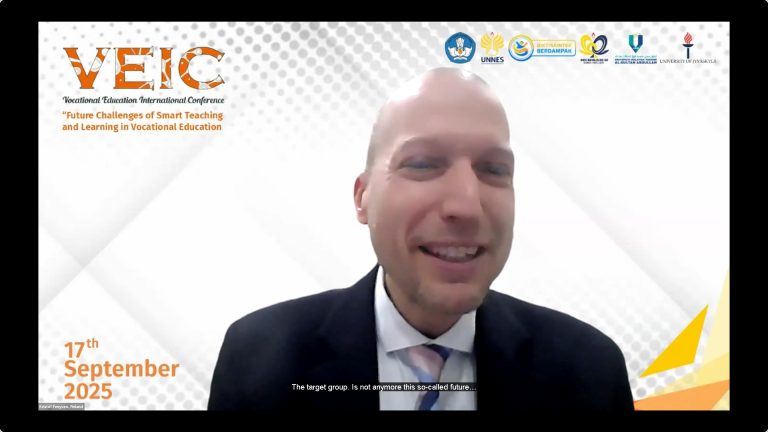
VEIC 2025 addressed “Future Challenges of Smart Teaching and Learning in Vocational Education,” examining innovation in vocational learning and the competencies needed in a changing technological and professional environment.
Experts from Five Countries Exchange Perspectives
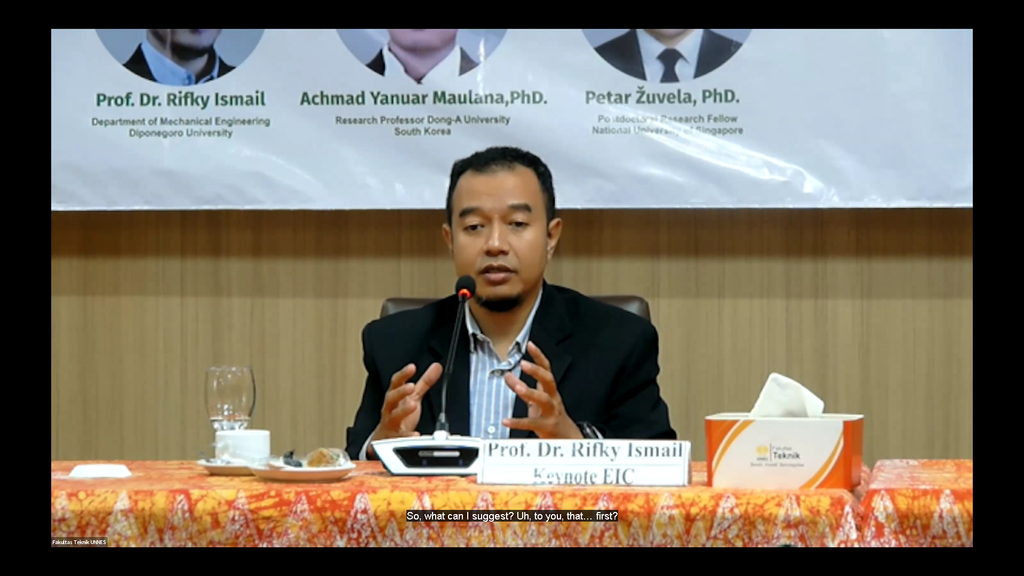
EIC keynote speakers included Prof. Dr. Rifky Ismail from Diponegoro University, Indonesia; Achmad Yanuar Maulana, Ph.D., from Dong-A University, South Korea; and Petar Žuvela, Ph.D., from the National University of Singapore.
VEIC featured Ts. Dr. Mohd. Shafie Bakar from Universiti Malaysia Pahang Al-Sultan Abdullah and Dr. Kristóf Fenyvesi from the University of Jyväskylä, Finland.
Their participation brought international perspectives to discussions on sustainable technology and vocational education. The programme combined keynote lectures, research presentations, participant discussions and parallel sessions, allowing participants to share findings, compare approaches and explore questions across disciplines.
The hybrid format enabled exchanges among onsite and online participants, broadening opportunities for academic dialogue and professional networking.
Connecting Dialogue with Education and Collaboration
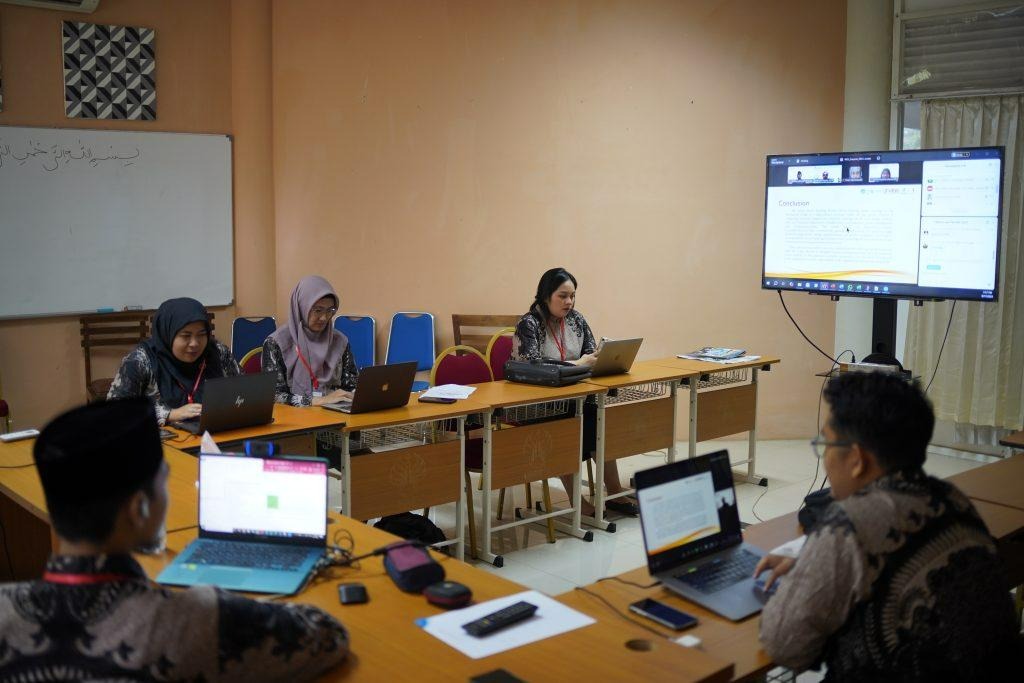
The June focus group discussion and September conferences served complementary purposes. The environmental forum brought government agencies, NGOs, researchers and private-sector practitioners into direct discussions on environmental education and workforce preparation. EIC and VEIC extended the exchange internationally through research presentations and discussions on technology, sustainability and teaching.
Together, the events demonstrated UNNES’s institutional role in initiating dialogue and contributing academic expertise to shared sustainability challenges. The activities were organised through university faculties and study programmes, with structured opportunities for participants to exchange knowledge and discuss practical responses.
The environmental forum informed curriculum development, while the international conferences strengthened academic and professional connections that could support future research and educational cooperation. Through these activities, UNNES connected local and regional priorities with wider international discussions on sustainable development.