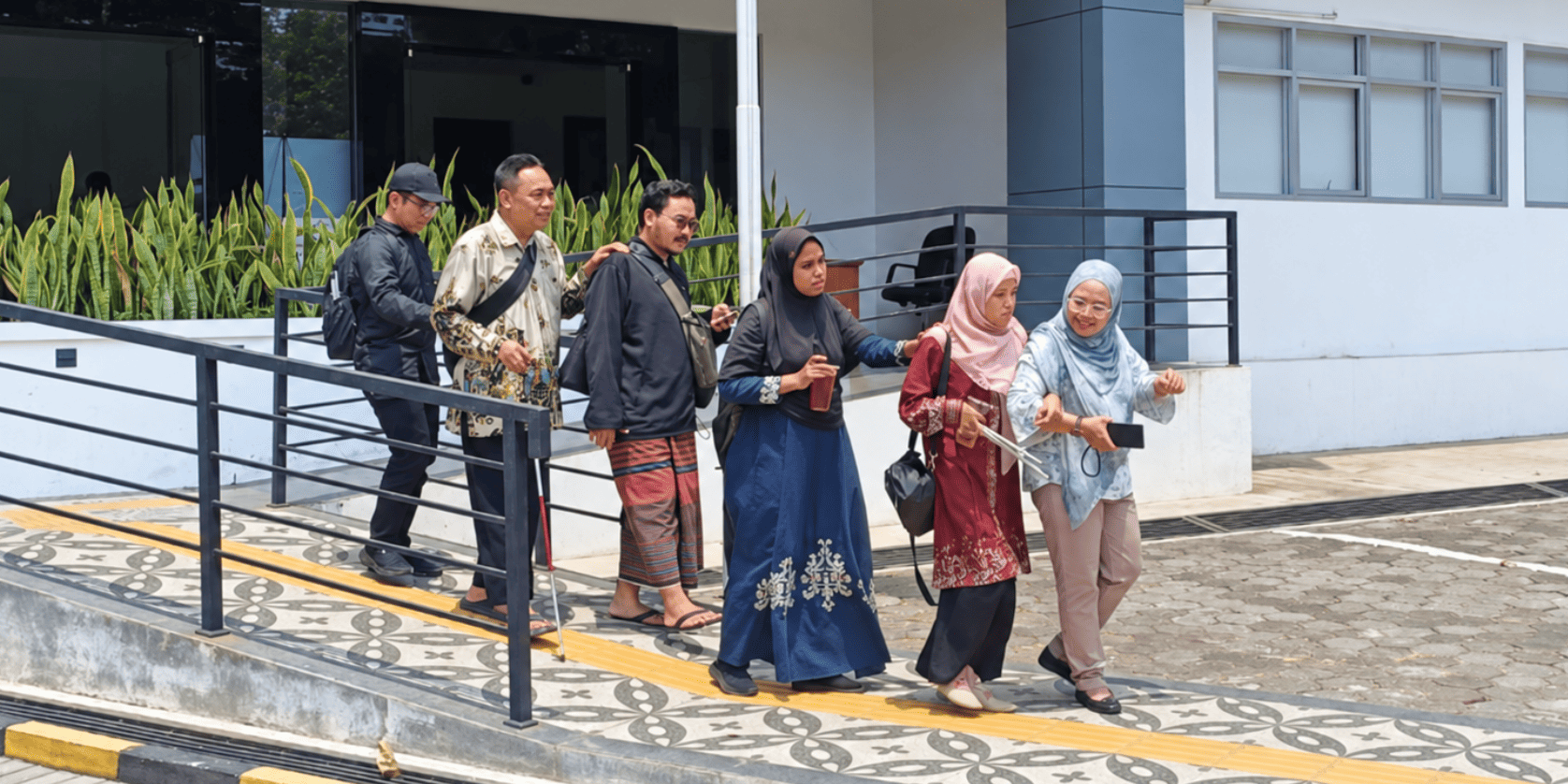
From tactile paths that guide pedestrians with visual impairments to ramps, accessible lifts and designated drop-off points, Universitas Negeri Semarang (UNNES) is working to make moving around campus more accessible for people with disabilities. Coordinated by the Disability Services Unit (ULD) under LPPP, these facilities support safer, more independent access to campus buildings and services.
What does the Disability Service Unit (Unit Layanan Disabilitas/ULD) serve?
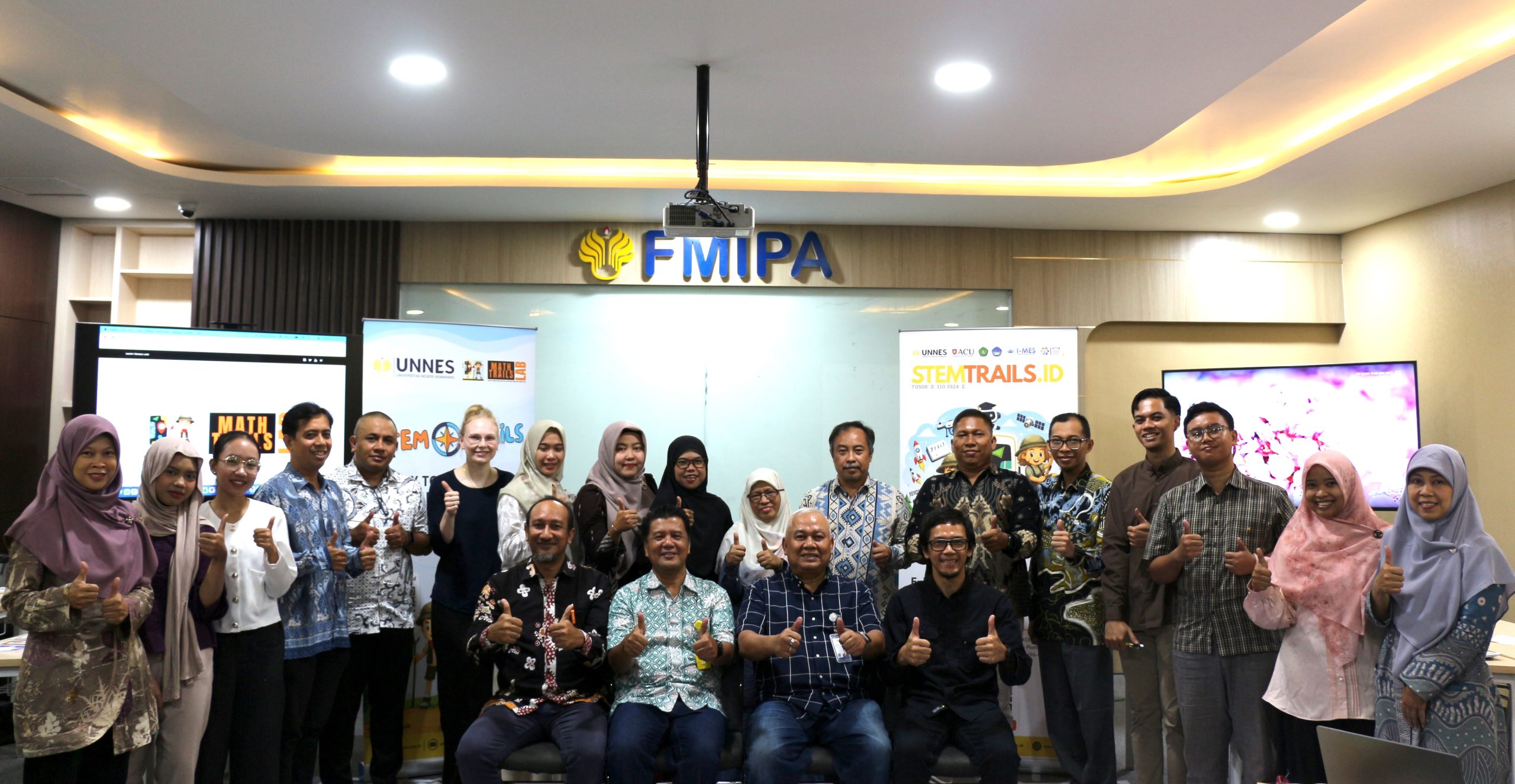
The Disability Services Unit (Unit Layanan Disabilitas – ULD) at Universitas Negeri Semarang is a specialized institutional unit established to support the implementation of inclusive higher education and to ensure equal access to educational opportunities for students with disabilities. The unit serves as a central mechanism for promoting accessibility, inclusion, and equitable participation in all aspects of campus life.
The establishment of ULD reflects UNNES’s commitment to creating an inclusive academic environment where students with diverse physical, sensory, intellectual, and psychosocial conditions can pursue higher education without discrimination. The unit aligns with national policies on disability rights and inclusive education while supporting the university’s vision as a conservation-oriented and socially responsible institution.
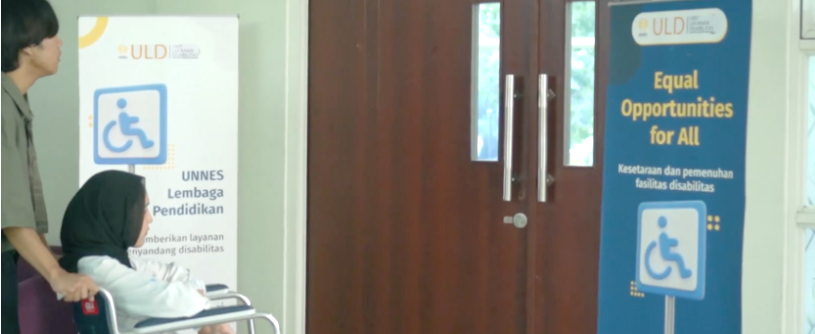
Main Functions and Responsibilities
Through Rector’s Regulation No. 116 of 2024 on Educational Services for Students with Disabilities and Rector’s Decree No. T/3392/UN37/HK.02/2024 establishing the Disability Services Unit Management Team, UNNES’s Institute for Educational Development and Professional Services demonstrates a strong commitment to providing a range of services that accommodate the needs of people with disabilities and underrepresented groups, such as women. Its primary functions include:
a. Academic Support and Accommodation
ULD facilitates reasonable accommodations to ensure that students with disabilities can participate effectively in learning activities. These accommodations may include:
- Academic assistance and mentoring.
- Adaptation of learning materials.
- Examination accommodations.
- Coordination with lecturers regarding students’ specific learning needs.
- Support for accessible learning environments.
b. Counseling and Psychosocial Support
The unit provides counseling services and psychosocial assistance to help students adapt to university life, overcome challenges, and maintain their well-being. These services contribute to students’ academic success and social inclusion.
c. Accessibility and Inclusive Campus Development
ULD works with university stakeholders to improve physical and non-physical accessibility across the campus. This includes providing recommendations related to:
- Accessible building design.
- Barrier-free pedestrian networks.
- Accessible transportation facilities.
- Inclusive learning spaces.
- Universal design principles in campus development.
d. Disability Awareness and Inclusion Programs
The unit organizes educational programs, workshops, and campaigns aimed at increasing awareness and understanding of disability issues among students, lecturers, and administrative staff. These activities help foster a culture of respect, empathy, and inclusiveness throughout the university community.
e. Communication Support Services
ULD promotes accessible communication through initiatives such as:
- Indonesian Sign Language (BISINDO) training.
- Communication support for students with hearing impairments.
- Development of inclusive communication practices within academic and social settings.
Contribution to an Inclusive Campus Environment
The presence of ULD plays a strategic role in transforming UNNES into an inclusive university where all members of the academic community can participate fully and independently. Beyond providing direct services to students with disabilities, ULD contributes to institutional policies, campus planning, and the development of accessible facilities.
Through its activities, the unit helps ensure that inclusion is integrated into various aspects of campus life, including education, student affairs, infrastructure development, and community engagement. This approach supports the broader goal of creating a campus environment that is accessible, equitable, and sustainable.
Relevance to Campus Planning and Research
From the perspective of architecture, urban design, and campus planning, ULD serves as an important stakeholder in assessing and improving accessibility. The unit can provide valuable insights regarding:
- Accessibility requirements for buildings and public spaces.
- Inclusive pedestrian and transportation systems.
- Universal design implementation.
- User experiences of students with disabilities.
- Development of socially inclusive learning environments.
Therefore, the Disability Services Unit at UNNES functions not only as a student support center but also as a key institutional actor in advancing the university’s commitment to inclusivity, social equity, and sustainable campus development.
| Location: This unit functions under the oversight of the Institute for Educational and Professional Development (Lembaga Pengembangan Pendidikan dan Profesi – LPPP) at Universitas Negeri Semarang (UNNES). Address: Prof. Satmoko Building, Integrated Laboratory of LPTK LP3 UNNES, 3rd Floor, UNNES Sekaran Campus, Gunungpati, Semarang 50229, Indonesia.ULD UNNES PROFILE:https://youtu.be/PW1QKuT_kXU?si=bgJGdEDHXedEZ32W |
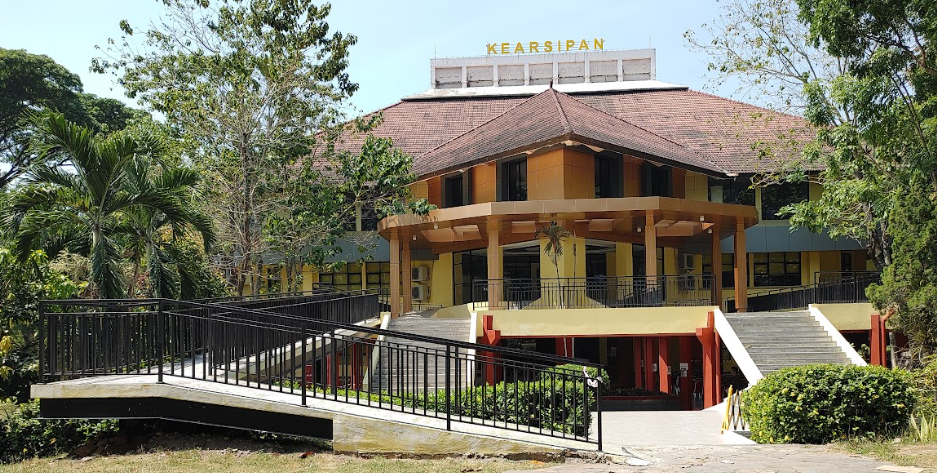
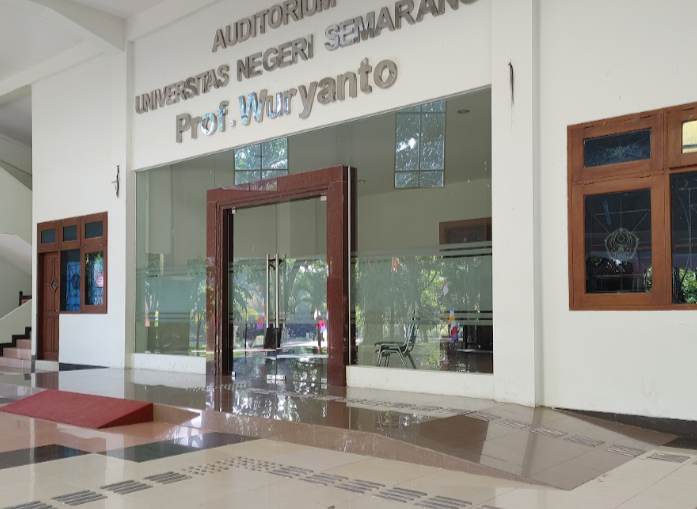
Accessible features are documented across UNNES, including ramps at the Rectorate, Archive Unit, Auditorium, Postgraduate School, and several faculties and administrative buildings. Tactile paths are available around UNNES Square, the library and the Archive Unit, while accessible lifts serve faculties, institutes and the Rectorate. Rector Regulation No. 11/2020 also supports designated internal transport vehicles and routes for people with disabilities. UNNES continues to expand and standardize accessibility provisions across its faculties and administrative units.
Campus facilities for disabled, special needs, and/or maternity care for women
Universitas Negeri Semarang (UNNES) offers a variety of facilities to accommodate individuals with disabilities and special needs, whether temporary or permanent, with the goal of ensuring accessibility, comfort, and inclusivity throughout the campus. These facilities are currently available across several key units and buildings, encompassing features such as ramps, accessible restrooms, and dedicated pathways for wheelchair users. UNNES is actively working to expand and standardize these provisions across all faculties and administrative units as part of its commitment to building an inclusive and barrier-free campus. In keeping with this effort, the university has equipped its buildings with accessible infrastructure and fully functional services for persons with disabilities, individuals with special needs, and maternity care, thereby promoting equal and equitable access to education and campus life for all members of the academic community.
Campus facilities for disabled, special needs, and/or maternity care : Facilities exist in all buildings and are fully operated
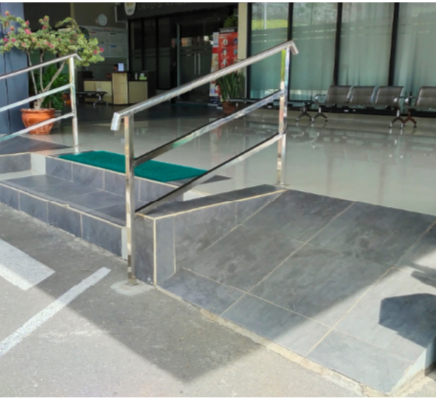
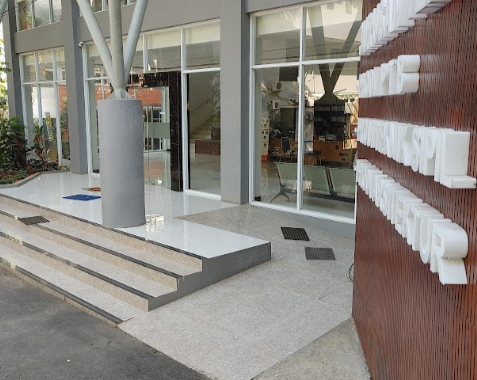
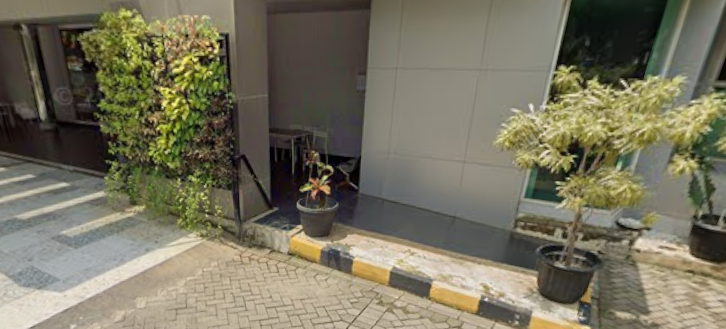
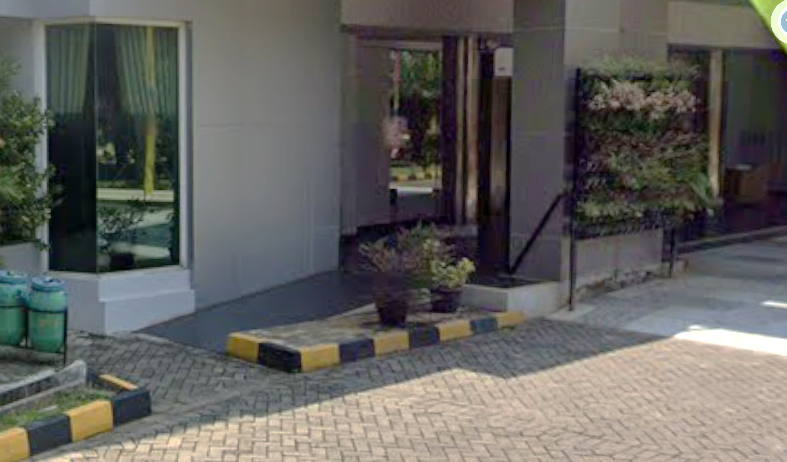
Accessible Ramp and Stair Handle
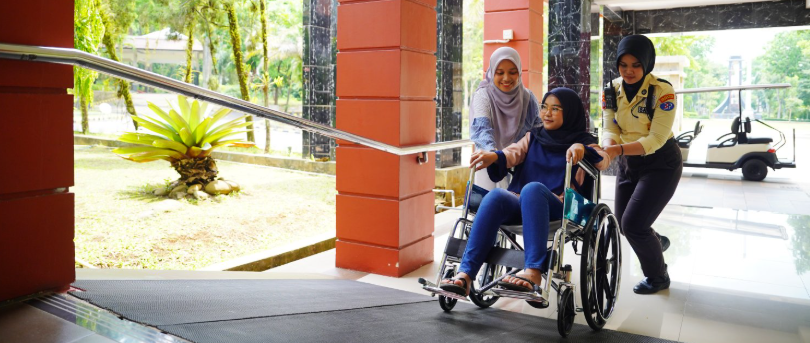
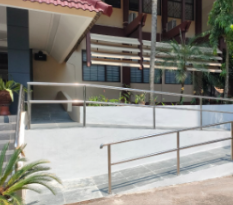
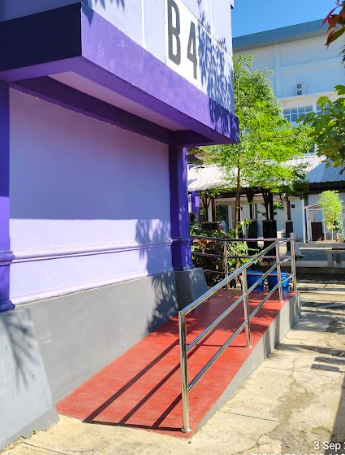
Ramps are one of the essential accessibility facilities provided at Universitas Negeri Semarang (UNNES) to support an inclusive and barrier-free campus environment. As part of the university’s commitment to equal access for all members of the academic community, ramps enable persons with disabilities, particularly wheelchair users and individuals with mobility impairments, to move safely and independently between different areas of the campus.
The provision of ramps at UNNES helps eliminate physical barriers that may restrict access to academic buildings, administrative offices, libraries, student service centers, and other campus facilities. Designed with gentle slopes, non-slip surfaces, and adequate width, these ramps provide a safer and more comfortable route for users who experience difficulty using stairs.
Beyond serving persons with disabilities, ramps also benefit a wider range of campus users, including elderly visitors, pregnant women, students with temporary injuries, and individuals transporting goods or equipment. Therefore, ramps contribute to the realization of universal design principles, ensuring that campus infrastructure can be accessed and utilized by everyone regardless of their physical abilities.
The availability of ramps reflects UNNES’s dedication to creating an inclusive educational environment where accessibility, equality, and participation are promoted for all students, lecturers, staff members, and visitors. Through continuous improvements in accessible infrastructure, UNNES strives to strengthen its role as a disability-friendly and socially inclusive university.
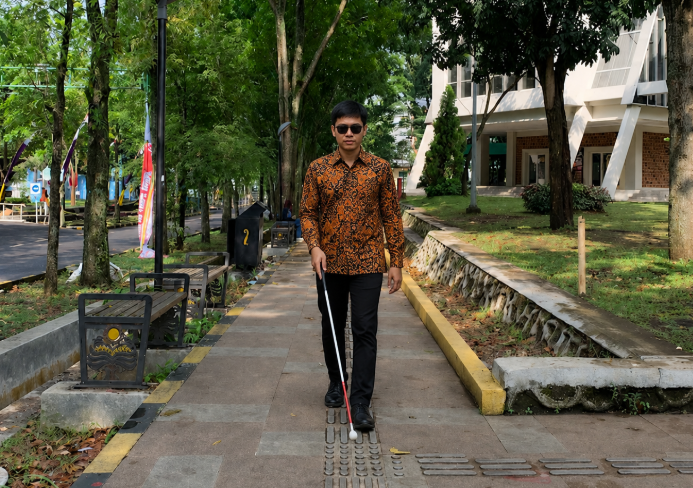
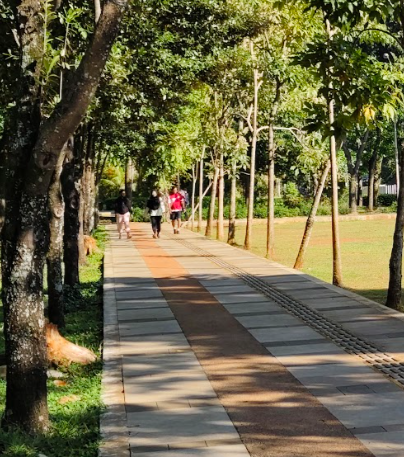
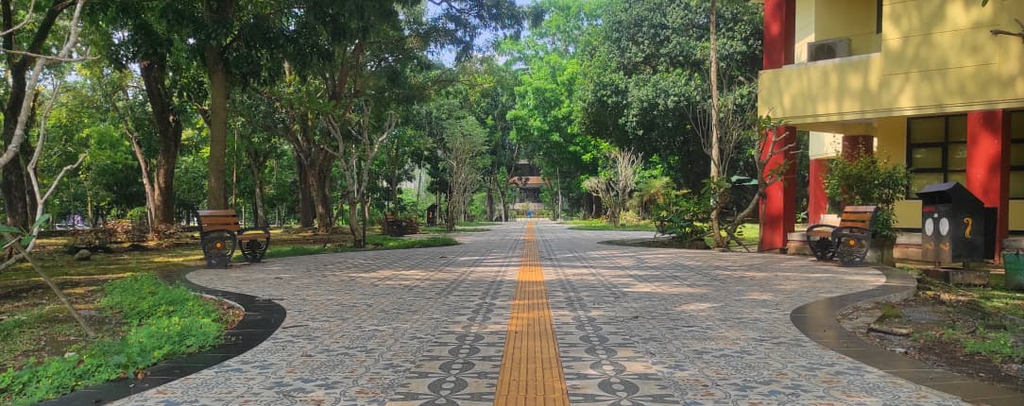
Special Path for Disabled Pedestrians
Universitas Negeri Semarang (UNNES) provides special pedestrian pathways to support accessibility and mobility for persons with disabilities throughout the campus environment. These pathways are designed to create a safer, more comfortable, and more inclusive circulation system, ensuring that students, staff, and visitors with disabilities can navigate the campus independently and confidently.
The special paths are particularly important for individuals with visual impairments, as they incorporate tactile paving that serves as a guiding surface. The tactile indicators help users identify directions, pathways, and potential hazards, enabling them to move more safely between academic buildings, administrative offices, libraries, public spaces, and other campus facilities.
The provision of accessible pedestrian routes reflects UNNES’s commitment to creating a disability-friendly campus that promotes equal access to education and campus services. By integrating accessibility features into the campus circulation network, UNNES seeks to remove physical barriers and enhance the participation of all members of the university community.
In addition to supporting persons with disabilities, these pathways contribute to a more organized and pedestrian-oriented campus environment. They improve connectivity between facilities while encouraging safe and inclusive movement for all users. The availability of special pedestrian paths demonstrates the university’s adherence to principles of universal design, where public spaces are planned and developed to accommodate diverse user needs.
Through the continuous development and maintenance of accessible infrastructure, UNNES strengthens its commitment to inclusivity, social equity, and sustainable campus development, ensuring that every individual has the opportunity to access and benefit from the university environment without unnecessary obstacles.
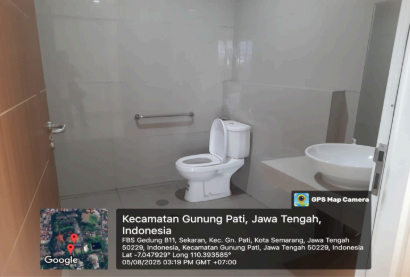
Accessible toilet
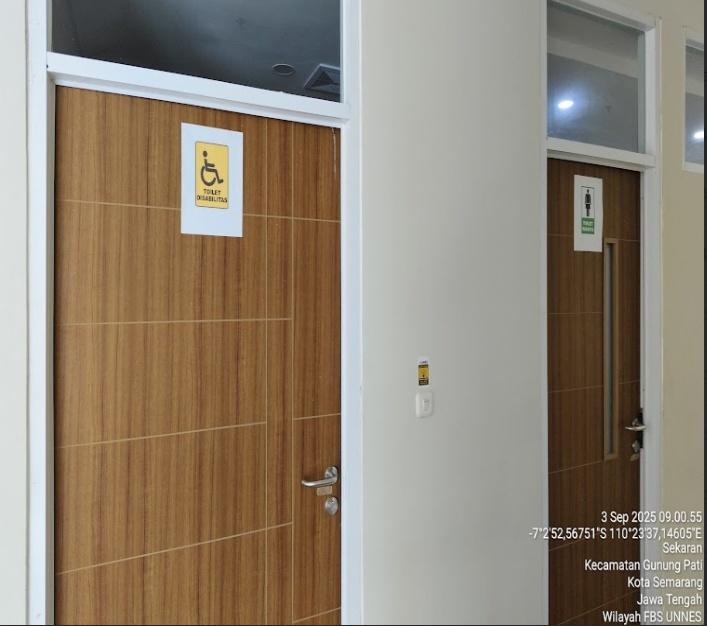
Accessible toilets are an important component of the inclusive infrastructure provided at Universitas Negeri Semarang (UNNES) to ensure that persons with disabilities can access and use campus facilities comfortably, safely, and independently. The availability of accessible toilets demonstrates the university’s commitment to creating a barrier-free educational environment that promotes equal access and participation for all members of the academic community.
These toilets are specifically designed to accommodate the needs of individuals with physical disabilities and mobility limitations. They typically feature wider entrances, sufficient maneuvering space for wheelchairs, handrails or grab bars for support, lower washbasins, and easy-to-reach fixtures. Such design elements help users perform daily activities independently while maintaining comfort, dignity, and safety.
The provision of accessible toilets at strategic locations across the campus, including academic buildings and public service areas, enhances the overall accessibility of the university environment. By ensuring that essential sanitation facilities are available to all users, UNNES supports the well-being and inclusion of students, lecturers, staff members, and visitors with diverse physical abilities.
Furthermore, accessible toilets reflect the principles of universal design and social inclusion adopted by UNNES. Their presence not only addresses functional needs but also represents the university’s commitment to respecting human rights, promoting accessibility, and fostering an equitable learning environment for everyone.
Accessibility Lift
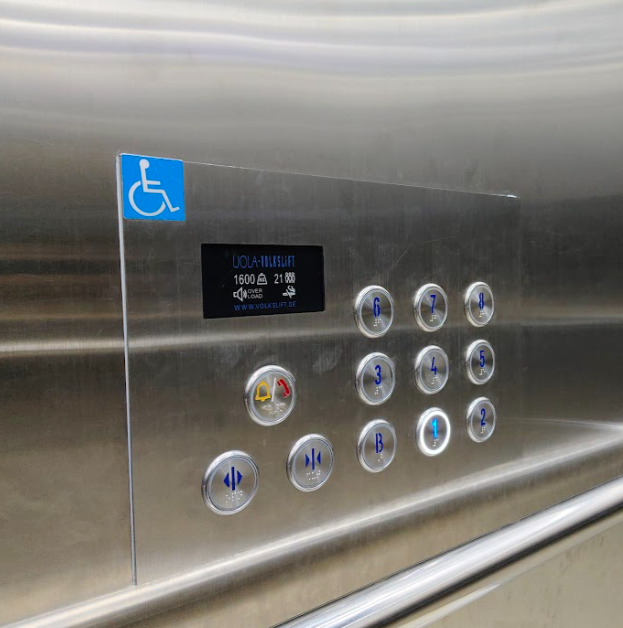
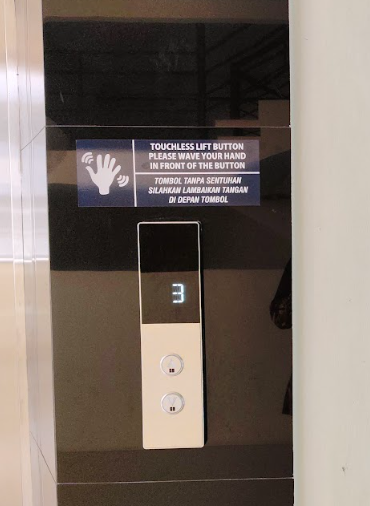
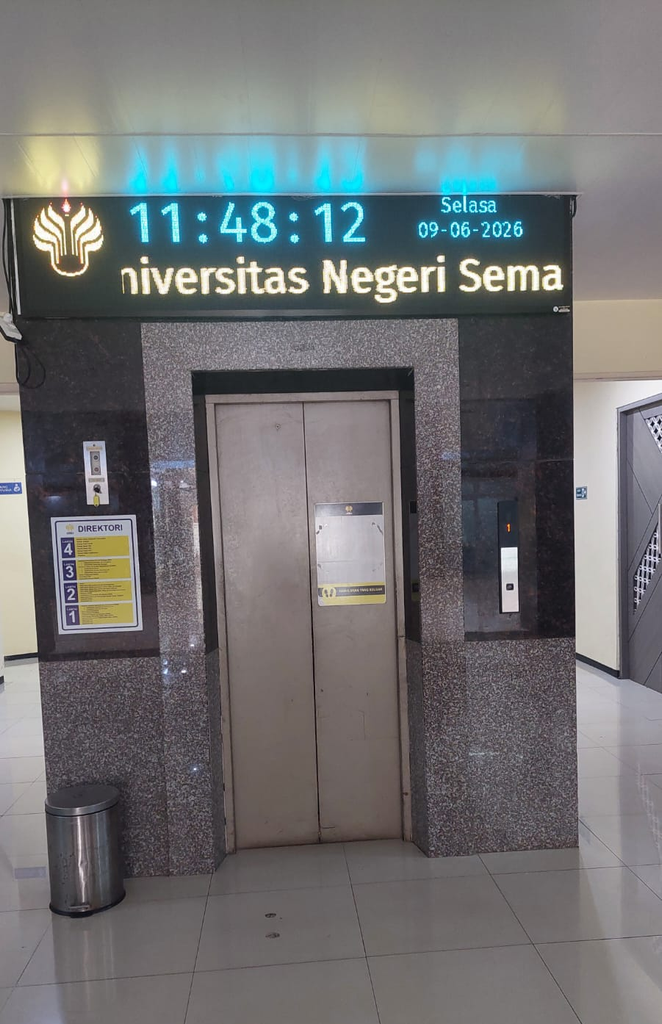
Accessible lifts are among the important facilities provided at Universitas Negeri Semarang (UNNES) to support an inclusive and accessible campus environment. As a university committed to equal opportunities and accessibility for all, UNNES provides lifts in multi-story buildings to ensure that persons with disabilities can move between floors safely, comfortably, and independently. Accessible lifts play a crucial role in eliminating vertical mobility barriers that may be encountered by wheelchair users, individuals with mobility impairments, elderly visitors, pregnant women, and people with temporary injuries. By providing convenient access to classrooms, offices, libraries, laboratories, meeting rooms, and other campus facilities, lifts help ensure that all members of the university community can participate fully in academic and social activities.
The lifts are designed with accessibility considerations, including adequate cabin space for wheelchair maneuverability, accessible control panels, clear floor indicators, and easy-to-use operating systems. These features contribute to a safer and more user-friendly environment for individuals with diverse physical abilities.
The availability of accessible lifts reflects UNNES’s commitment to implementing universal design principles and promoting an inclusive educational setting. By improving access to upper floors and reducing physical barriers, accessible lifts help create a campus where every student, lecturer, staff member, and visitor can enjoy equal access to facilities and services.
Furthermore, accessible lifts contribute to the university’s broader goal of fostering independence, participation, and social inclusion. They serve not only as transportation facilities within buildings but also as a symbol of UNNES’s dedication to accessibility and the rights of persons with disabilities..
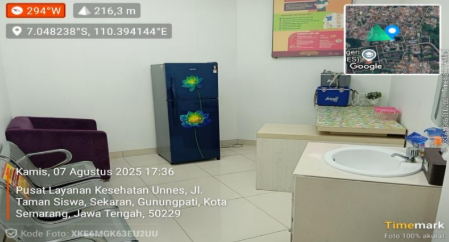
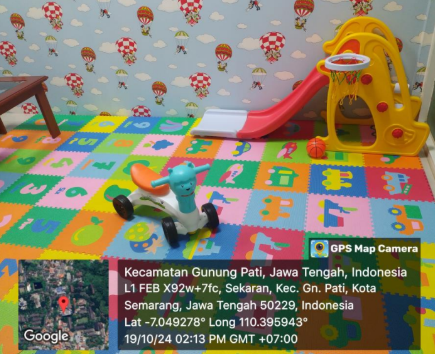
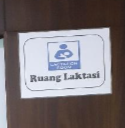
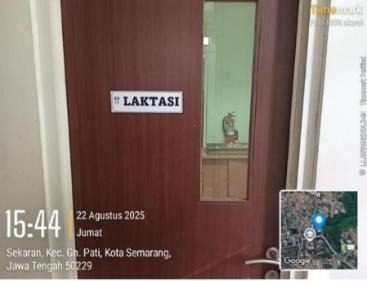
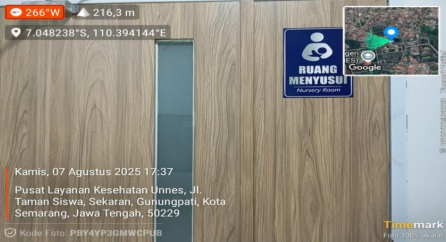
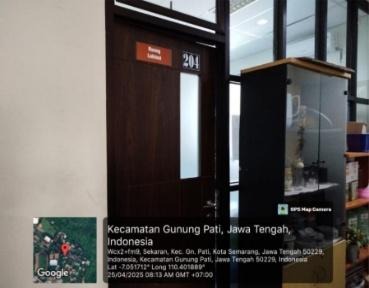
Lactation Room for Women
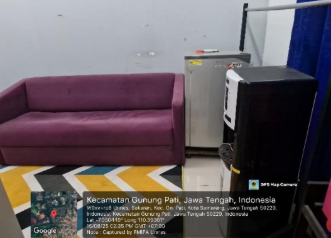
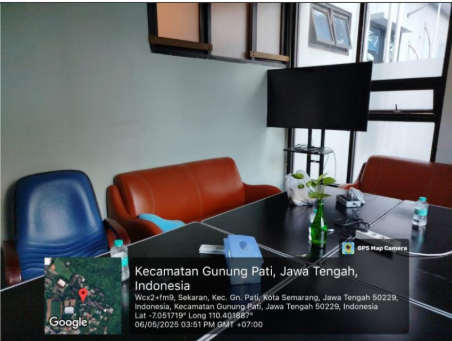
Lactation rooms are among the supportive facilities provided at Universitas Negeri Semarang (UNNES) to promote a healthy, inclusive, and family-friendly campus environment. These dedicated spaces are designed to accommodate the needs of breastfeeding mothers, including students, lecturers, staff members, and campus visitors, by providing a private, comfortable, and hygienic area for breastfeeding and expressing breast milk.
The availability of lactation rooms reflects UNNES’s commitment to supporting maternal health and well-being while ensuring that women can actively participate in academic, professional, and campus activities without facing unnecessary challenges related to childcare responsibilities. By offering appropriate facilities, the university helps create an environment where breastfeeding mothers can balance their educational and professional commitments with their family needs.
Lactation rooms are typically equipped with comfortable seating, adequate privacy, electrical outlets for breast pumps, handwashing facilities, and a clean and quiet atmosphere that supports breastfeeding and milk expression. These features contribute to a safe and convenient space that respects the dignity and comfort of users.
Beyond meeting practical needs, lactation rooms also demonstrate the university’s commitment to gender equality, inclusivity, and social support. They help foster a campus culture that values the well-being of women and families while promoting equal opportunities for participation in higher education and employment.
The provision of lactation rooms is consistent with UNNES’s broader efforts to create a supportive and accessible campus for individuals with diverse needs. By ensuring that breastfeeding mothers have access to appropriate facilities, the university strengthens its role as an inclusive institution that prioritizes health, welfare, and quality of life for all members of the academic community.
Drop off for disabled people
| Drop-off parking areas for disabled people are an important part of the accessibility facilities provided at Universitas Negeri Semarang (UNNES) to ensure convenient and equitable access to campus services and facilities. These designated areas are strategically located near building entrances, enabling persons with disabilities to enter and exit vehicles safely and with minimal travel distance.The availability of accessible drop-off parking supports individuals with mobility impairments, wheelchair users, elderly visitors, and those who require additional assistance when arriving at or departing from campus buildings. By reducing the distance between vehicles and destinations, these facilities help minimize physical barriers and enhance independence in daily campus activities. | |
| Drop-off parking areas are designed to provide sufficient space for safe boarding and alighting from vehicles, including the deployment of wheelchairs, walking aids, or other mobility equipment. Their proximity to accessible routes, ramps, elevators, and building entrances contributes to a seamless and user-friendly mobility experience across the campus environment.The provision of drop-off parking for disabled people reflects UNNES’s commitment to universal accessibility, social inclusion, and equal opportunity. It demonstrates the university’s effort to ensure that all students, lecturers, staff members, and visitors can access educational, administrative, and social facilities without unnecessary obstacles.Furthermore, these facilities contribute to a more welcoming and supportive campus atmosphere by recognizing the diverse mobility needs of the university community. Through the continuous improvement of accessible infrastructure, UNNES strengthens its role as a disability-friendly university that promotes participation, independence, and inclusivity for all. | |
- Woman Parking Area
Location: Rectorat and IT parking areaMaps: https://maps.app.goo.gl/XdzUK2aA4cECFNQ68 | The Women’s Parking Area is one of the supportive facilities provided at Universitas Negeri Semarang (UNNES) to enhance safety, convenience, and accessibility for female members of the university community. These designated parking spaces are strategically located in areas that offer easier access to campus buildings, pedestrian pathways, and essential services, helping to create a more comfortable and secure campus environment.The availability of a women’s parking area reflects UNNES’s commitment to fostering a campus that is responsive to the diverse needs of its users. By providing parking spaces in locations with good visibility, adequate lighting, and proximity to major activity centers, the university seeks to improve personal security and convenience for female students, lecturers, staff members, and visitors. |
| Women’s parking areas contribute to a more inclusive campus by recognizing that different groups may have specific mobility, safety, and accessibility needs. These facilities can be particularly beneficial for women who travel during early morning or evening hours, pregnant women, and those carrying educational materials, personal belongings, or childcare-related items.Beyond their practical function, women’s parking areas demonstrate the university’s commitment to gender-sensitive campus planning and user-centered facility management. Their presence supports a learning and working environment where all individuals can access campus facilities with greater confidence, comfort, and peace of mind.Through the provision of women’s parking areas and other supportive facilities, UNNES continues to strengthen its role as an inclusive and socially responsible university that prioritizes the well-being, safety, and equal participation of all members of the academic community. | |