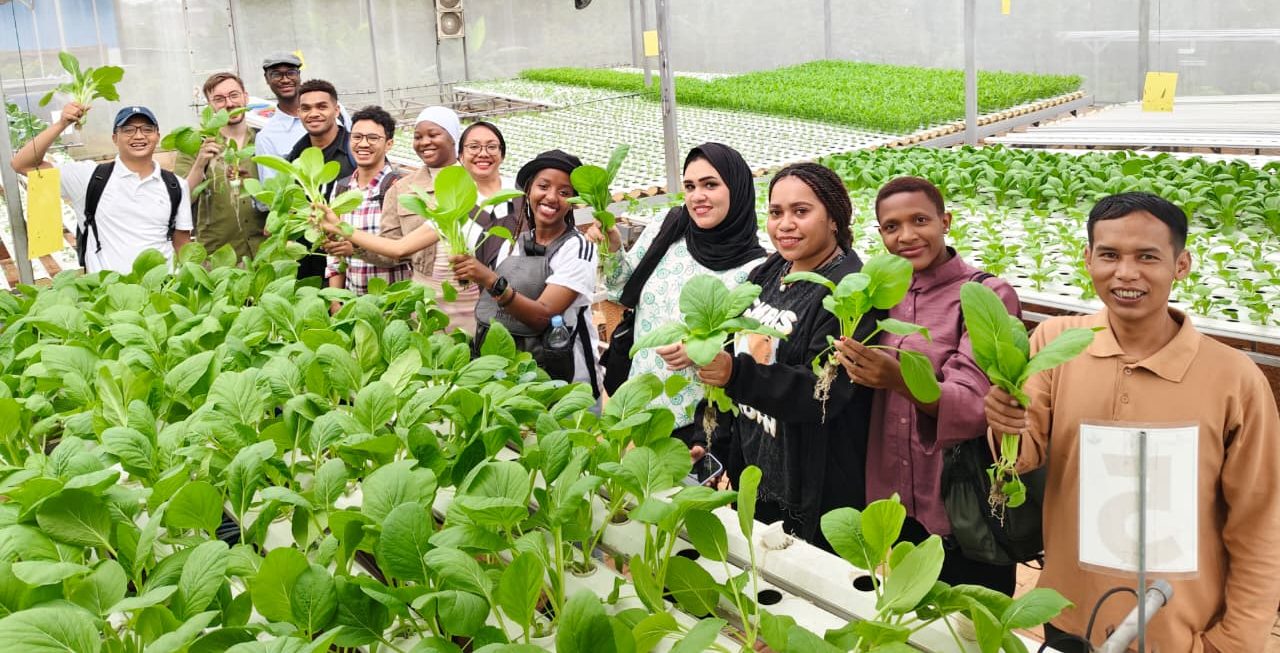
Universitas Negeri Semarang (UNNES) promotes public appreciation of cultural heritage through access to selected historic buildings, architectural replicas, and cultural facilities on its campuses. These sites reflect the university’s commitment to conservation-based education, the preservation of Indonesia’s cultural identity, and public engagement with cultural heritage.
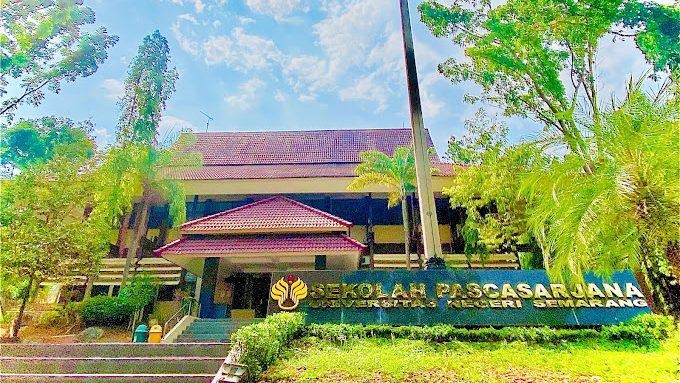
The Historic Postgraduate Building at Bendan Ngisor
One of UNNES’s historical landmarks is the former Postgraduate Building at Bendan Ngisor, located at Jl. Lamongan Tengah No. 2, Semarang. The building has played an important role in the university’s academic history since the establishment of the UNNES Graduate School in 1997. It served as a center for postgraduate academic and administrative activities, including seminars, thesis defenses, and dissertation examinations.
The building also witnessed the transformation of IKIP Semarang into Universitas Negeri Semarang in 1999. In February 2017, postgraduate activities were relocated to the Kelud Utara III Campus to accommodate institutional growth and the need for modern facilities. The Bendan Ngisor building has nevertheless been preserved and continues to support administrative functions and selected academic activities. Maintenance and light revitalization help retain its original character and historical significance. Today, the building represents an important part of UNNES’s institutional memory and the development of higher education in Semarang.
Temple Replicas as Educational Heritage Resources
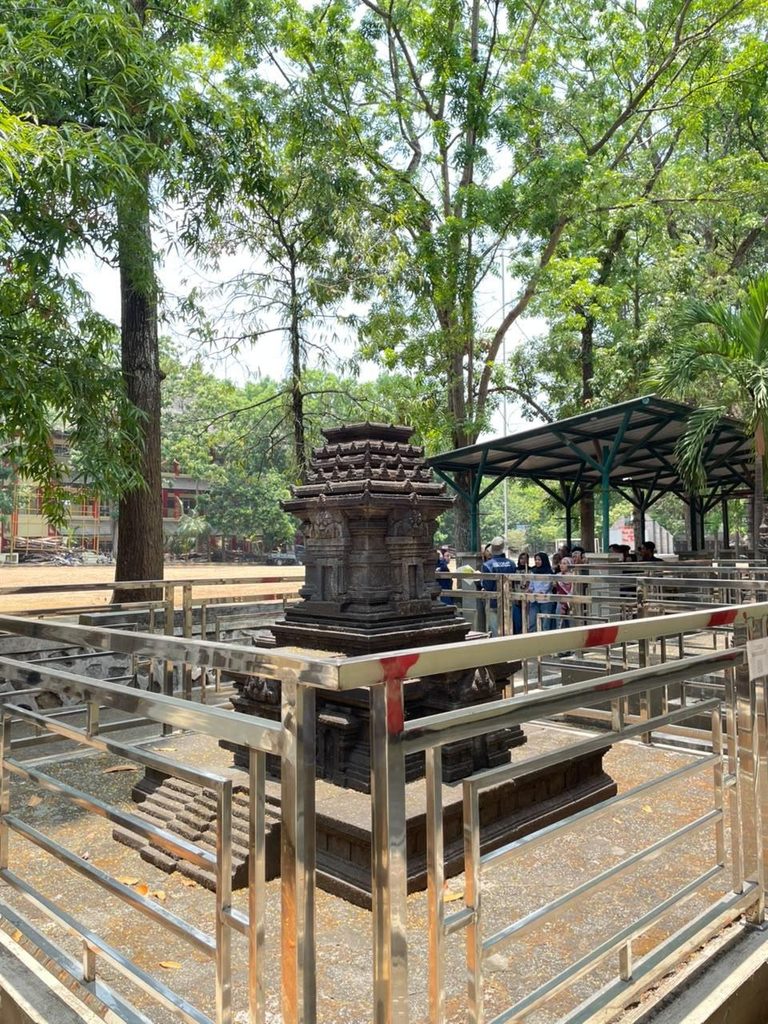
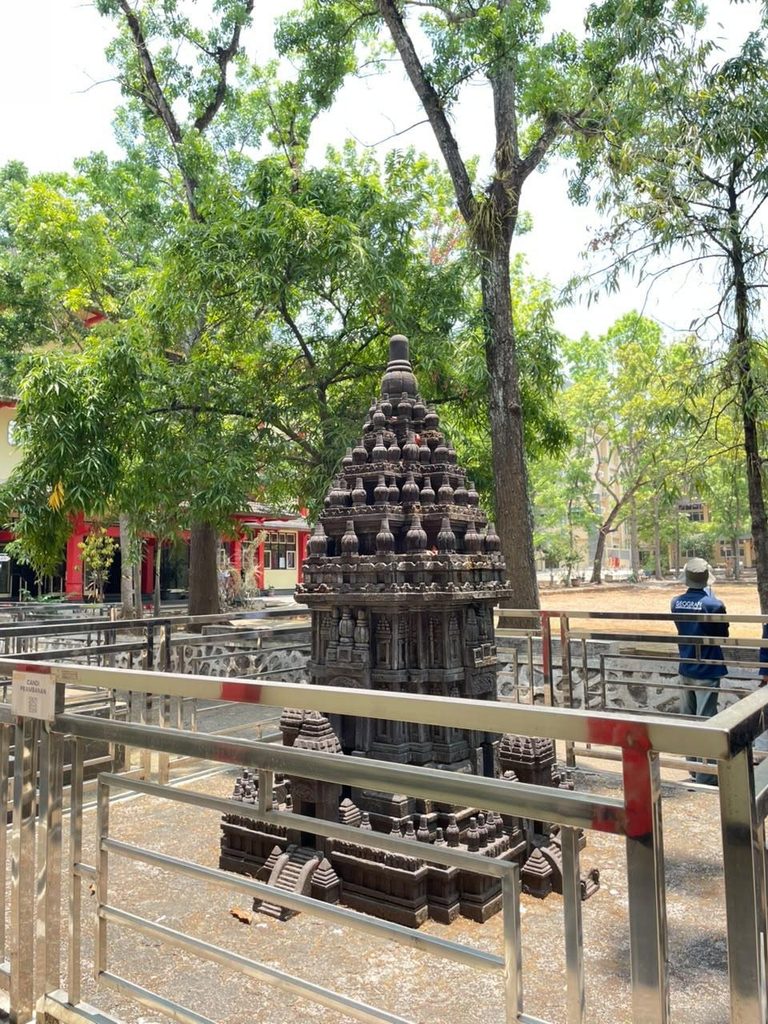
The Department of History at UNNES features replicas of Singasari, Prambanan, and Plaosan Temples. Constructed to resemble the original historical structures, these replicas provide an educational environment for exploring Indonesian temple architecture, symbolism, history, and classical civilization. Beyond their role in university teaching, the replicas have also served as educational destinations for school groups and members of the public interested in learning about Indonesia’s cultural heritage. Through visual and experiential learning, visitors can engage with historical knowledge beyond the classroom while developing an appreciation of the country’s architectural and cultural legacy. The replicas demonstrate how university facilities can support conservation-based education and public understanding of history.
Kampung Budaya: A Living Space for Arts and Traditions
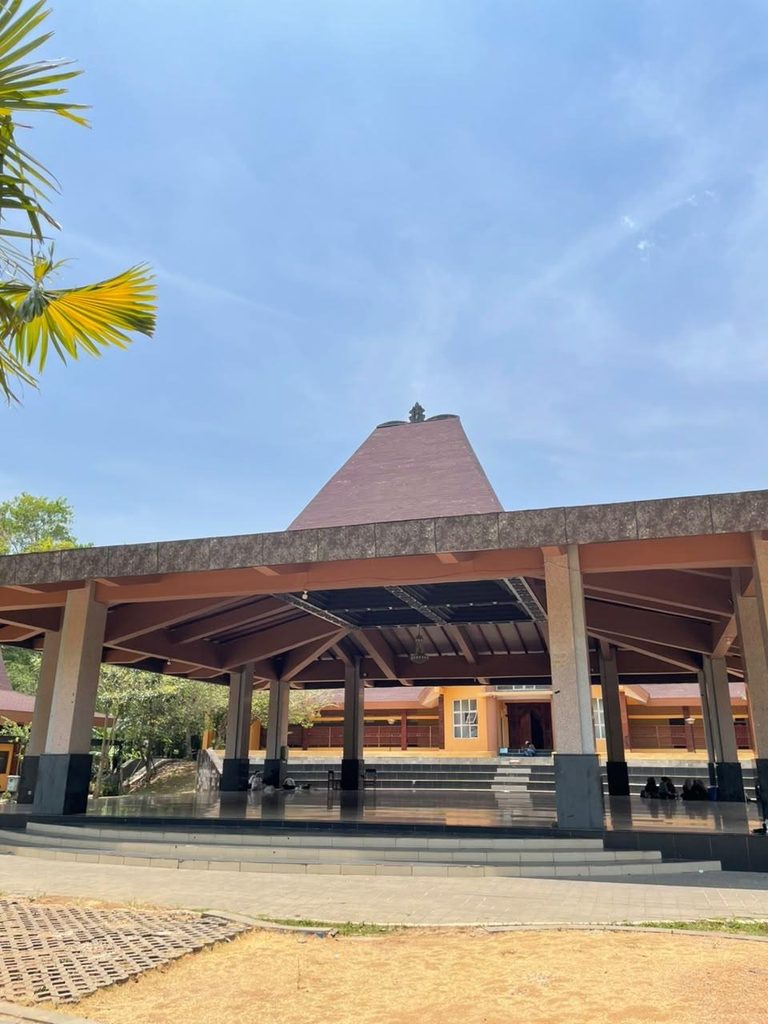
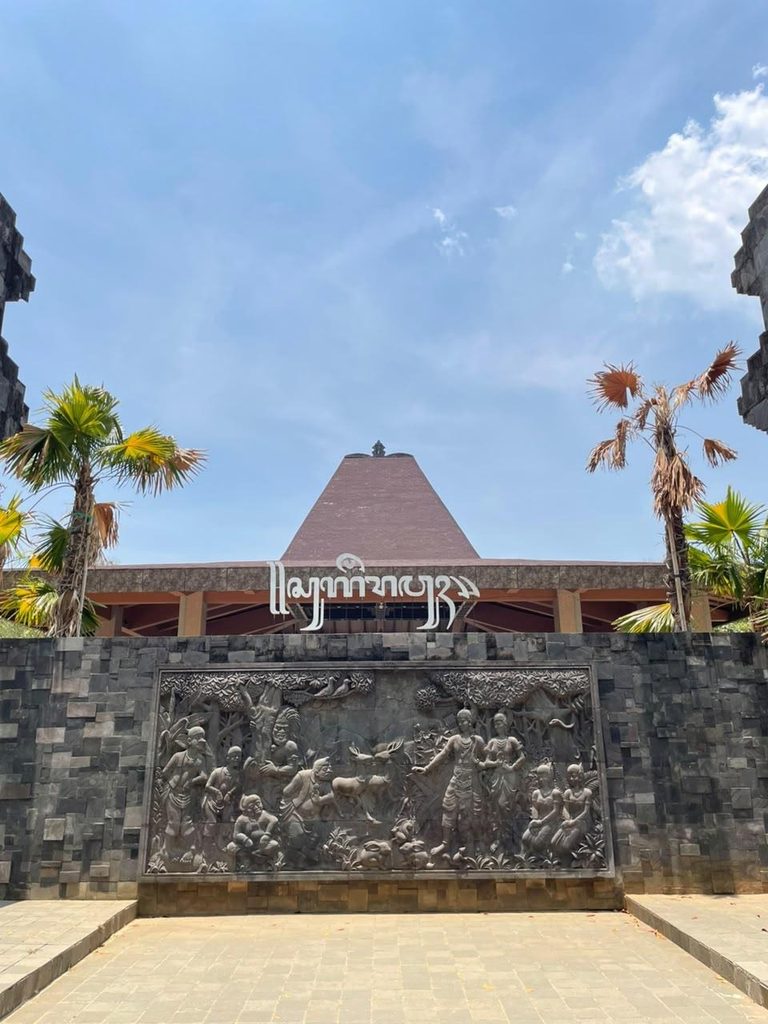
Kampung Budaya (Cultural Village) is another important cultural facility at UNNES’s Sekaran Campus in Gunungpati, Semarang. Designed to accommodate artistic expression and cultural activities, the area includes a traditional joglo-style pavilion measuring approximately 20 by 20 metres, exhibition spaces for fine arts and crafts, and an indoor theatre equipped for performances. The pavilion provides space for traditional and contemporary performances, including wayang, dance, drama, and other art forms. Exhibition spaces support the display of student artwork and crafts, while the indoor theatre provides facilities for performances and creative productions.
Kampung Budaya is also used for student rehearsals, meetings, exhibitions, and other educational and cultural activities. Its traditional Javanese architectural features and cultural functions make it a setting for artistic development, cultural exchange, and the preservation of local traditions.
Public Access and Cultural Heritage Conservation
The Postgraduate Building at Bendan Ngisor, the temple replicas in the Department of History, and Kampung Budaya are open to the public, free of charge. Members of the public can access these sites for educational and cultural appreciation without an admission fee, subject to applicable campus security procedures and any arrangements required by the respective site managers. Visitors are encouraged to coordinate with the relevant university unit before visiting to confirm access arrangements and any applicable visiting hours, particularly when access to academic buildings or teaching facilities is involved.
Through these sites, UNNES demonstrates how university spaces can contribute to public access to historical, architectural, and cultural resources. The preservation of historic buildings, the educational use of temple replicas, and the provision of spaces for artistic expression support cultural awareness, lifelong learning, and engagement between the university and the wider community.