


Tim Peneliti FMIPA UNNES Dorong Penguatan Bank Sampah Berbasis Masyarakat dan Pemberdayaan Perempuan di Kota Semarang

Universitas Negeri Semarang/Faculty of Mathematics and Natural Sciences/Berita/Tim Peneliti FMIPA UNNES Dorong Penguatan Bank Sampah Berbasis Masyarakat dan Pemberdayaan Perempuan di Kota Semarang
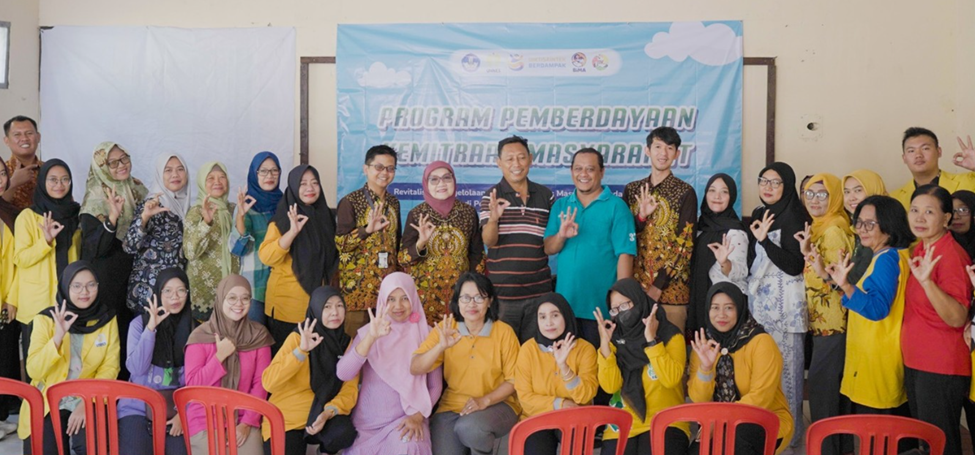
Foto bersama tim peneliti FMIPA UNNES berjas almamater kuning dan batik dengan puluhan peserta perempuan di dalam ruangan berlatar spanduk biru Program Pemberdayaan Kemitraan Masyarakat.

SEMARANG – Bank sampah merupakan salah satu bentuk Community-Based Waste Management (CBWM) atau pengelolaan sampah berbasis masyarakat yang berkembang di Indonesia. Melalui sistem tabungan sampah, masyarakat dapat memilah dan menyetorkan sampah bernilai ekonomi untuk didaur ulang. Di Kota Semarang, pengelolaan bank sampah juga banyak melibatkan perempuan, khususnya melalui kegiatan Pemberdayaan dan Kesejahteraan Keluarga (PKK).

Tim peneliti Fakultas Matematika dan Ilmu Pengetahuan Alam Universitas Negeri Semarang (FMIPA UNNES), yang terdiri atas Abdul Jabbar, Trida Ridho Fariz, Murbangun Nuswowati, bersama kolaborator internasional Sergi Fernandez Alejandro, mengkaji penguatan bank sampah melalui artikel “Community-Based Waste Management in the Global South: Capacity Building and Institutional Strengthening with Legal Reflections from Semarang” yang diterbitkan dalam jurnal internasional terindeks Scopus Q4.

Penelitian tersebut mengangkat kegiatan pemberdayaan di Bank Sampah Mugi Berkah Sari, Kelurahan Tegalsari, Kecamatan Candisari, Kota Semarang. Kegiatan meliputi pelatihan pemilahan dan pengolahan sampah, pembuatan produk bernilai tambah seperti lilin aromaterapi dari minyak jelantah dan kerajinan dari limbah tekstil, serta penguatan administrasi melalui sistem informasi bank sampah. Seluruh peserta pelatihan merupakan perempuan dari unsur pengelola bank sampah dan PKK.

Kajian ini juga diperkuat oleh penelitian “Analisis Keberlanjutan Bank Sampah pada Sebuah Permukiman Sekitar Kawasan Industri di Kota Semarang” yang mengambil studi kasus Bank Sampah Wijaya Makmur di Kelurahan Karanganyar, Kecamatan Tugu. Hasil penelitian menunjukkan bahwa bank sampah berperan dalam mendorong pemilahan sampah rumah tangga, meningkatkan kepedulian lingkungan, serta memberikan manfaat ekonomi melalui tabungan sampah dan pengolahan sampah organik menjadi produk biowash. Namun, keberlanjutannya masih menghadapi tantangan fasilitas, ketergantungan pada pengepul, dan konsistensi partisipasi masyarakat.
Kedua kajian tersebut menunjukkan bahwa keberlanjutan bank sampah tidak hanya bergantung pada teknologi pengolahan sampah, tetapi juga pada partisipasi masyarakat, pemberdayaan perempuan, manfaat ekonomi, dan tata kelola kelembagaan. Penguatan kapasitas pengelola dan administrasi yang transparan menjadi langkah penting untuk mendukung keberlangsungan program.

Kegiatan ini relevan dengan Sustainable Development Goals (SDGs) 5, 8, 10, 11, 12, 16, dan 17. Kontribusinya terutama mencakup SDG 5 (Kesetaraan Gender) melalui peningkatan kapasitas dan peran perempuan dalam pengelolaan lingkungan, SDG 11 (Kota dan Permukiman yang Berkelanjutan) dan SDG 12 (Konsumsi dan Produksi yang Bertanggung Jawab) melalui pengelolaan sampah berbasis masyarakat. Sementara itu, potensi manfaat ekonomi, kesempatan partisipasi masyarakat, penguatan tata kelola yang akuntabel, serta kemitraan dengan pemerintah dan berbagai pihak turut relevan dengan SDG 8, 10, 16, dan 17.

Melalui penelitian dan kegiatan pemberdayaan tersebut, FMIPA UNNES turut berkontribusi dalam penguatan pengelolaan sampah berbasis masyarakat yang inklusif, dengan menempatkan perempuan dan kelembagaan lokal sebagai bagian penting dari upaya mewujudkan lingkungan perkotaan yang lebih berkelanjutan.

Related Posts

Leave a Reply

* Kode Akses Komentar:

* Tuliskan kode akses komentar diatas:

GDPR

  • Privacy Policy

Privacy Policy

At unnes.ac.id, the privacy of our visitors is of extreme importance to us. This privacy policy document outlines the types of personal information that is received and collected by unnes.ac.id and how it is used.

Log Files

Like many other Web sites, unnes.ac.id makes use of log files. The information inside the log files includes internet protocol (IP) addresses, type of browser, Internet Service Provider (ISP), date/time stamp, referring/exit pages, and number of clicks to analyze trends, administer the site, track user’s movement around the site, and gather demographic information. IP addresses and other such information are not linked to any information that is personally identifiable.

Cookies

unnes.ac.id uses cookies to store information about visitors’ preferences, to record user-specific information on which pages the site visitor accesses or visits, and to personalize or customize our web page content based upon visitors’ browser type or other information that the visitor sends via their browser.

Third-party ad servers or ad networks use technology in their respective advertisements and links that appear on unnes.ac.id and which are sent directly to your browser. They automatically receive your IP address when this occurs. Other technologies (such as cookies, JavaScript, or Web Beacons) may also be used by our site’s third-party ad networks to measure the effectiveness of their advertising campaigns and/or to personalize the advertising content that you see on the site.

unnes.ac.id has no access to or control over these cookies that are used by third-party advertisers.

You should consult the respective privacy policies of these third-party ad servers for more detailed information on their practices as well as for instructions about how to opt-out of certain practices. unnes.ac.id’s privacy policy does not apply to, and we cannot control the activities of, such other advertisers or web sites.

If you wish to disable cookies, you may do so through your individual browser options. More detailed information about cookie management with specific web browsers can be found at the browsers’ respective websites.

Consent

By using our website, you hereby consent to our privacy policy and agree to its terms.

Update

This Privacy Policy was last updated on: 2023-02-14. Should we update, amend or make any changes to our privacy policy, those changes will be posted here.

Contact Us

If you have any questions, comments, or concerns about our Privacy Policy or our practices with regards to your personal information, please feel free to contact us through the contact form on our website or by emailing us at humas[at]mail.unnes.ac.id.

This Privacy Policy is intended as a general guide to our practices in collecting and using information. If there is any inconsistency between this Privacy Policy and the terms of the Service Agreement or any other terms that may apply to specific services you use, then those specific service terms shall apply.

Terms of Use

By using our website, you agree to abide by this Privacy Policy. If you do not agree with this Privacy Policy, please do not use our website. We reserve the right to update this Privacy Policy from time to time without prior notice. Please review our Privacy Policy periodically to check for changes. Your continued use of our website following the posting of changes to this Privacy Policy means that you accept the changes.

Thank you for reading our Privacy Policy. We are committed to protecting the privacy of our website visitors and will continue to update our Privacy Policy to ensure optimal protection.