

Related to SDGs

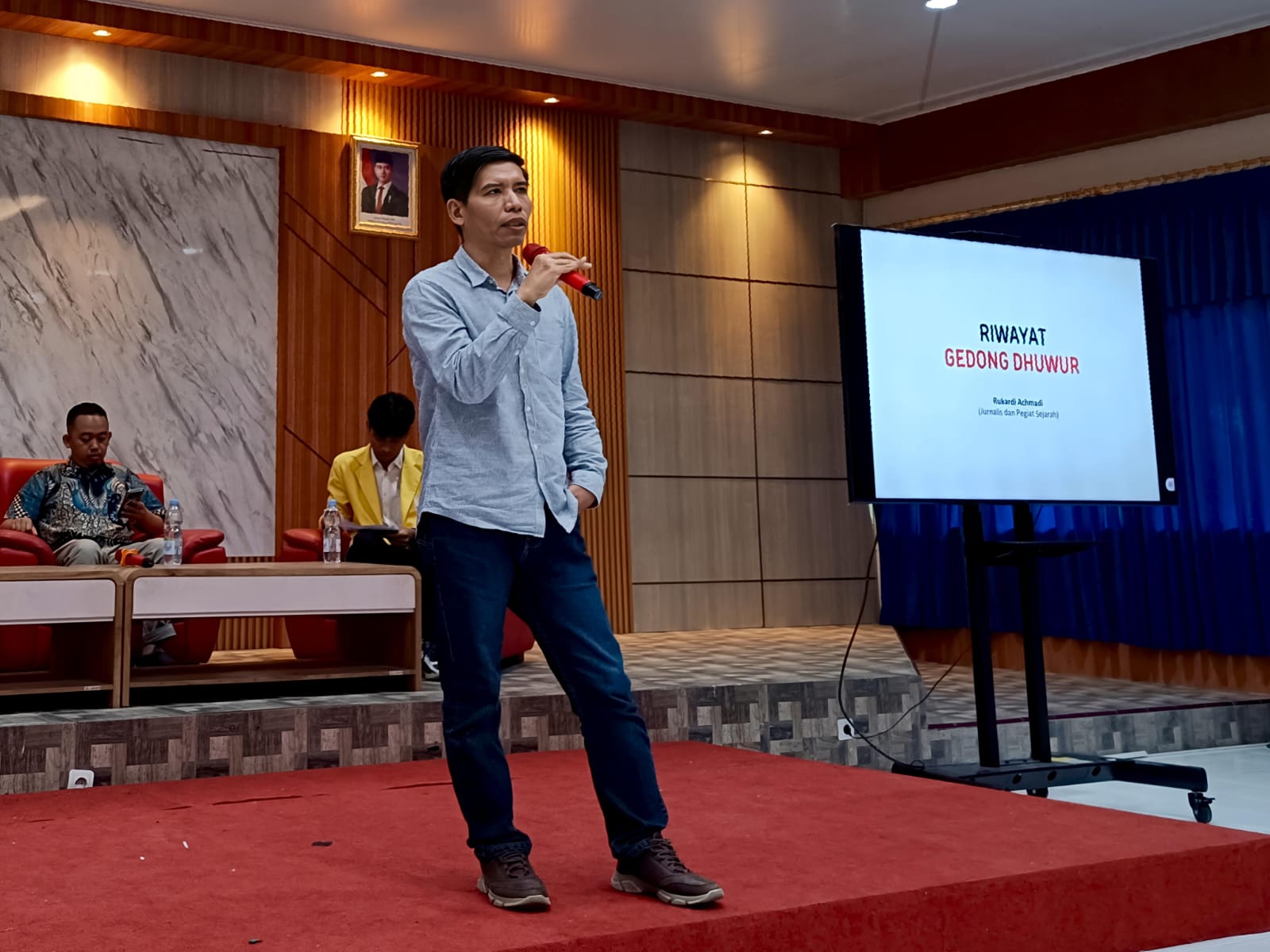
Universitas Negeri Semarang (UNNES) strengthened its commitment to cultural heritage preservation by organizing a Historical Conservation Seminar on Thursday, June 4, 2026, at the C7 Hall of FISIP UNNES. The seminar focused on the revitalization of heritage buildings as a response to the challenges of rapid urbanization.
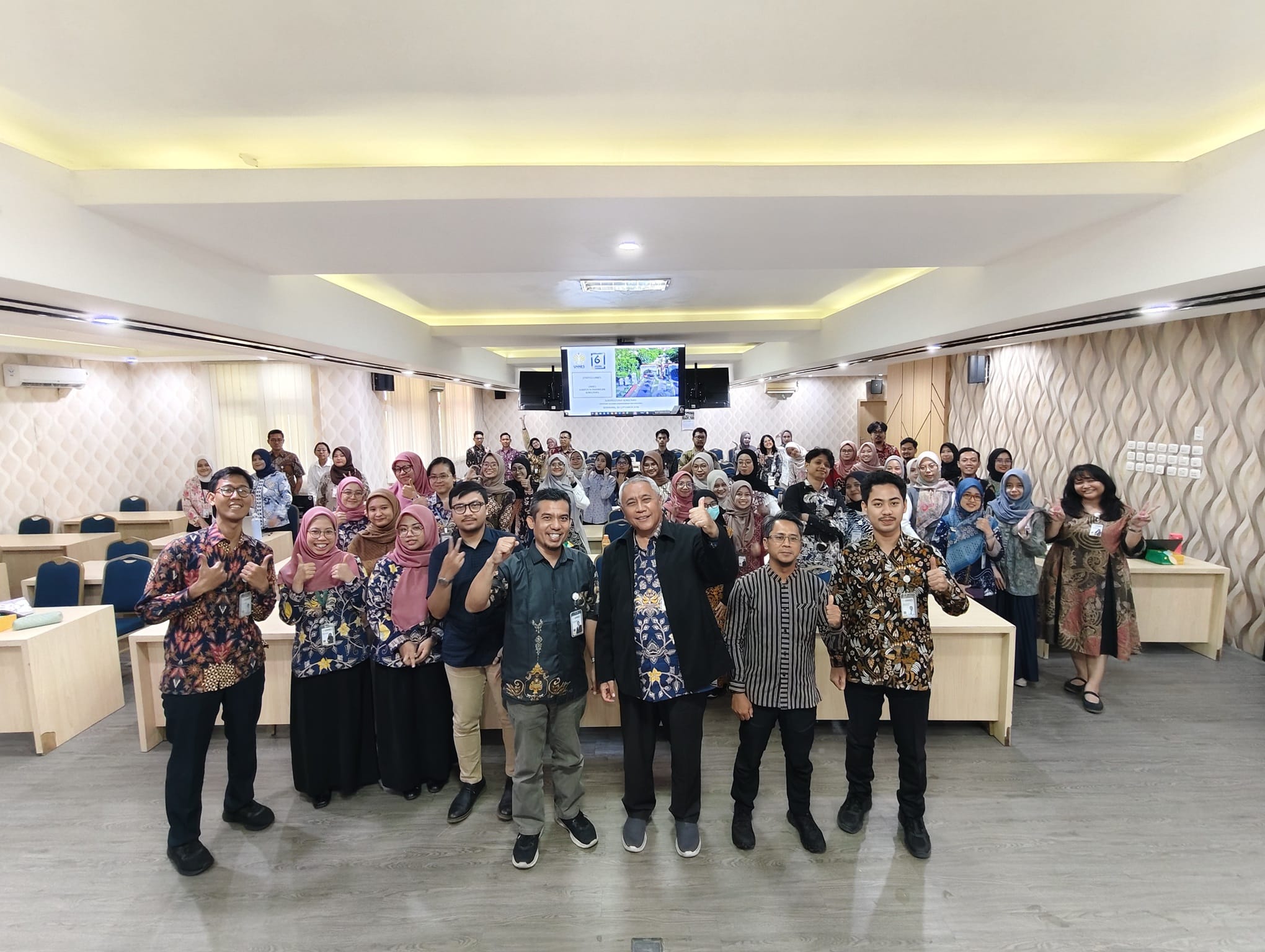
The seminar was attended by around 150 students who actively engaged in discussions on strategies for preserving historical heritage amid urban development. The activity provided an academic platform to understand the importance of maintaining cultural sustainability in modern urban contexts.
Andy Suryadi, S.Pd., M.Pd., Head of the History Education Study Program at FISIP UNNES, emphasized that conservation education should go beyond classroom learning. “Students need to gain direct field experience and interact with practitioners to fully understand real-world heritage preservation challenges,” he stated.
During the seminar, speakers presented innovative approaches to cultural preservation, including the use of digital media as a tool for historical education. “When history is presented in formats that resonate with younger generations, awareness and appreciation for heritage become stronger,” one of the speakers explained.
The discussion also highlighted the importance of studying historical areas in Semarang as part of local identity. Revitalization efforts should not only focus on physical preservation but also on strengthening the historical values embedded within these sites.
Through this initiative, UNNES encourages students to actively contribute to preserving cultural heritage as part of sustainable development efforts. The program is expected to raise awareness among young generations about the importance of conservation in the face of urbanization challenges.
This activity supports the Sustainable Development Goals (SDGs), particularly SDG 4 (Quality Education), SDG 11 (Sustainable Cities and Communities), and SDG 17 (Partnerships for the Goals).