International Forum Highlights UNNES Contributions to Asian Psychologies

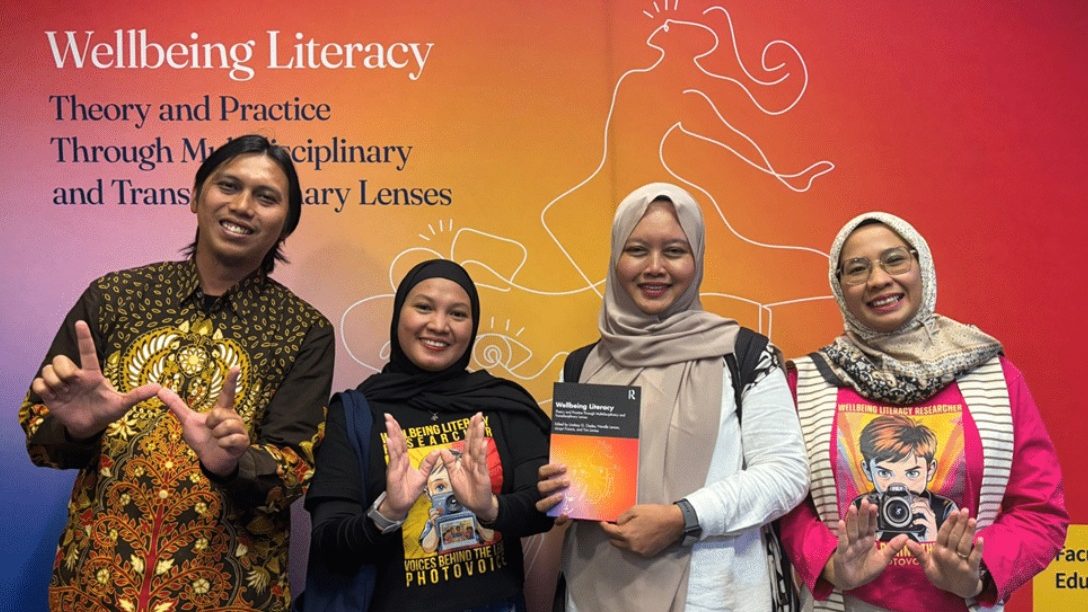
The Asian Association of Social Psychology (AASP) convened the International Seminar on Promoting Asian Psychologies in Aotearoa New Zealand, held from 17–19 November 2025, in Auckland and hosted jointly by the Enhancing Participation and Inclusive Change (EPIC) Collective, the University of Auckland, and Massey University.

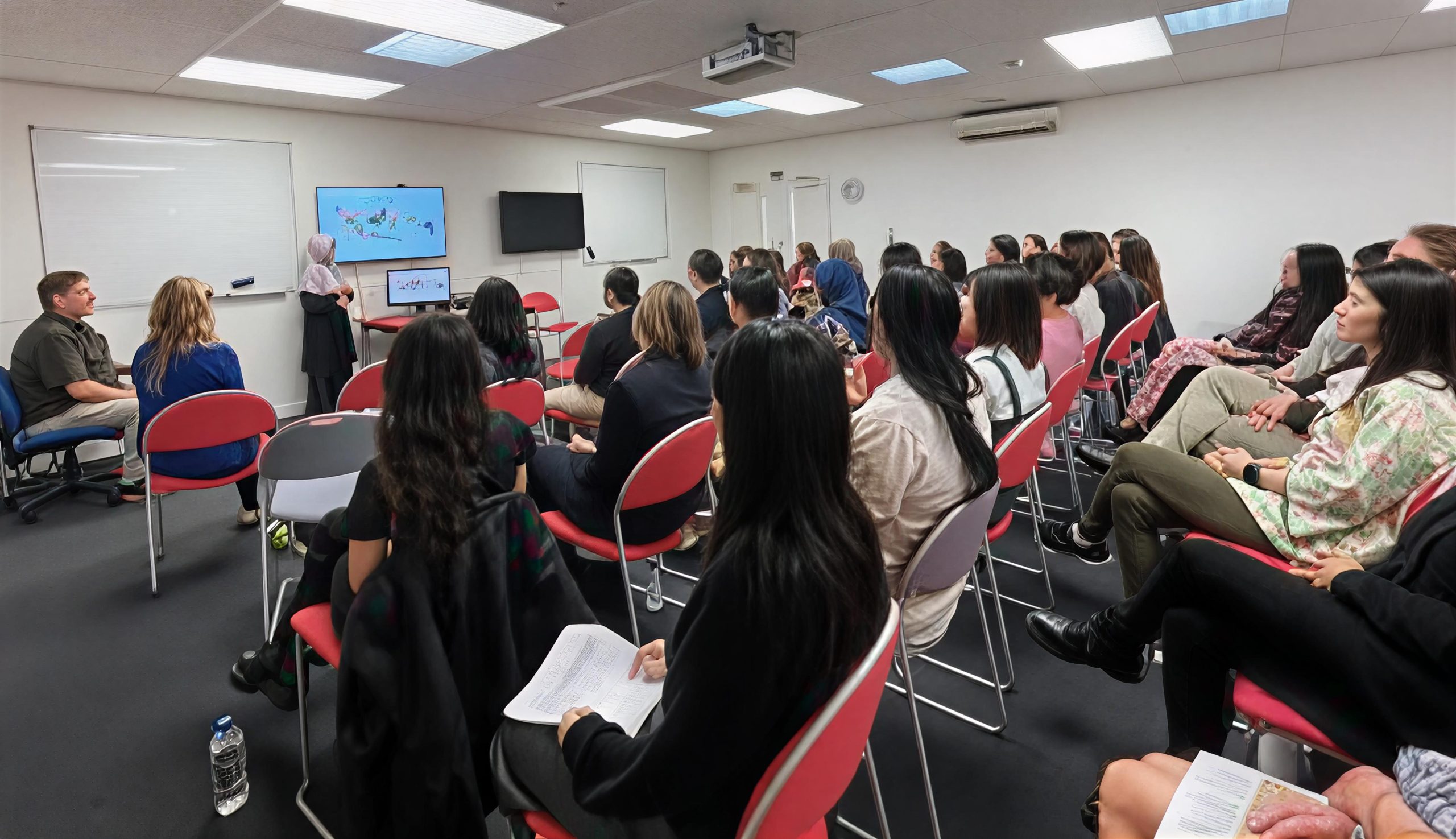
The seminar brought together lecturers, professionals, professors, postgraduate students, and researchers representing 12 countries across Asia Pacific, on 19 November 2025.

The seminar made a substantive contribution to advancing cross-cultural psychology and community-engaged research across Asia, Aotearoa New Zealand, and Australia. It provided a unique platform for sharing theoretical, empirical, and practical insights derived from work with diverse communities.

Participants also refined their competencies in community engagement, scholarly publication, and the development of innovative strategies for promoting Asian psychologies.

Its aims and thematic priorities are closely aligned with the United Nations Sustainable Development Goals (SDGs), particularly SDG 3 (Good Health and Well-being), SDG 4 (Quality Education), SDG 10 (Reduced Inequalities), and SDG 17 (Partnerships for the Goals).

By foregrounding diverse Asian perspectives within psychological science, the seminar facilitated dialogue on equitable knowledge production and inclusive community development.

Keynote addresses were delivered by academics from Aotearoa New Zealand, the Philippines, Indonesia, China, and Australia. Dr. Anna Undarwati from the Psychology Department, Faculty of Education and Psychology, UNNES, served as one of the keynote speakers. She presented an evidence-based framework for promoting health behaviours among Indonesian communities, drawing upon findings from a UNNES-funded research project.

Other keynote contributions included those by Professor Wendy Li (James Cook University, Australia), who discussed advancing wellbeing among underserved Asia–Pacific populations; Professor Mendiola Teng-Calleja (Ateneo de Manila University, Philippines), who examined the contextualisation of work and organisational psychology; and Dr. Lincoln Dam (Auckland University of Technology, New Zealand), who spoke on Becoming Tangata Tiriti: Asian Identity & Belonging in Aotearoa.

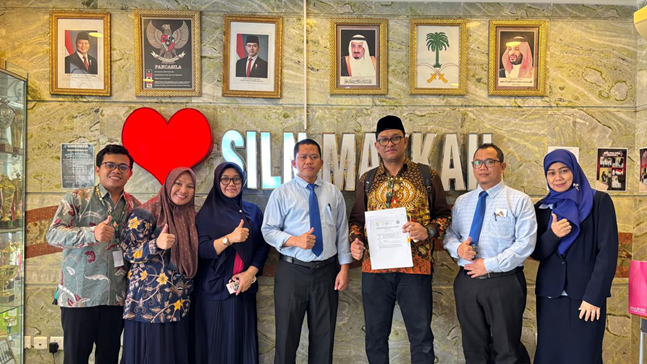
The seminar also featured numerous presentations, including one by Nuke Martiarini, a lecturer in the Psychology Department at UNNES. She presented research conducted in collaboration with Anna Undarwati, Pradipta Christy Pratiwi, Chamilul Hikam Al Karim, Adelina Rahmawati, and Fikrotul Hanifah, focusing on adaptive parenting practices among marginalised mothers living in urban poverty in Indonesia.

This research forms part of an ongoing international partnership with the University of Auckland (represented by Dr. Shiloh Groot), the Safina Trust, a non-government organisation supporting the empowerment of Muslim women in Aotearoa New Zealand (represented by Jennifer Khan-Janif, BA, MHumRight), and PKBI (Perkumpulan Keluarga Berencana Indonesia) Semarang.

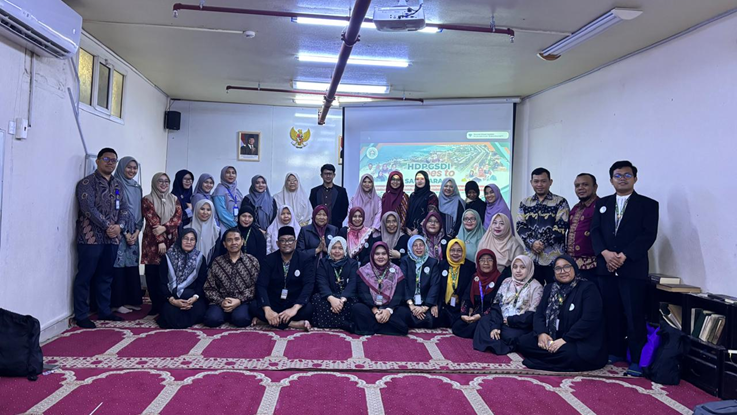
Overall, the event underscores UNNES’s sustained commitment to strengthening international academic partnerships and supporting research and community-engagement initiatives aimed at empowering communities across Indonesia.
Related Posts

Leave a Reply

* Kode Akses Komentar:

* Tuliskan kode akses komentar diatas:

GDPR

  • Privacy Policy

Privacy Policy

Who we are

Our website address is: https://unnes.ac.id.

Comments

When visitors leave comments on the site we collect the data shown in the comments form, and also the visitor’s IP address and browser user agent string to help spam detection.

An anonymized string created from your email address (also called a hash) may be provided to the Gravatar service to see if you are using it. The Gravatar service privacy policy is available here: https://automattic.com/privacy/. After approval of your comment, your profile picture is visible to the public in the context of your comment.

Media

If you upload images to the website, you should avoid uploading images with embedded location data (EXIF GPS) included. Visitors to the website can download and extract any location data from images on the website.

Cookies

If you leave a comment on our site you may opt-in to saving your name, email address and website in cookies. These are for your convenience so that you do not have to fill in your details again when you leave another comment. These cookies will last for one year.

If you visit our login page, we will set a temporary cookie to determine if your browser accepts cookies. This cookie contains no personal data and is discarded when you close your browser.

When you log in, we will also set up several cookies to save your login information and your screen display choices. Login cookies last for two days, and screen options cookies last for a year. If you select “Remember Me”, your login will persist for two weeks. If you log out of your account, the login cookies will be removed.

If you edit or publish an article, an additional cookie will be saved in your browser. This cookie includes no personal data and simply indicates the post ID of the article you just edited. It expires after 1 day.

Embedded content from other websites

Articles on this site may include embedded content (e.g. videos, images, articles, etc.). Embedded content from other websites behaves in the exact same way as if the visitor has visited the other website.

These websites may collect data about you, use cookies, embed additional third-party tracking, and monitor your interaction with that embedded content, including tracking your interaction with the embedded content if you have an account and are logged in to that website.

Who we share your data with

If you request a password reset, your IP address will be included in the reset email.

How long we retain your data

If you leave a comment, the comment and its metadata are retained indefinitely. This is so we can recognize and approve any follow-up comments automatically instead of holding them in a moderation queue.

For users that register on our website (if any), we also store the personal information they provide in their user profile. All users can see, edit, or delete their personal information at any time (except they cannot change their username). Website administrators can also see and edit that information.

What rights you have over your data

If you have an account on this site, or have left comments, you can request to receive an exported file of the personal data we hold about you, including any data you have provided to us. You can also request that we erase any personal data we hold about you. This does not include any data we are obliged to keep for administrative, legal, or security purposes.

Where your data is sent

Visitor comments may be checked through an automated spam detection service.