
How Indonesian Students are Fighting Food Waste: Inspiration from Semarang

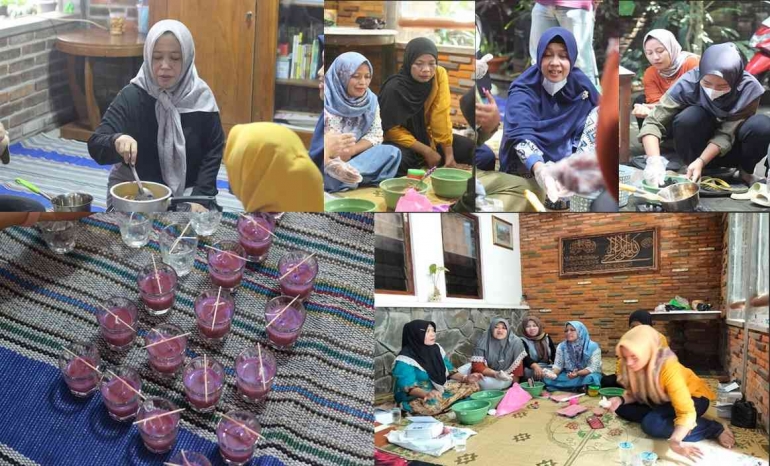
In the heart of Central Java, Indonesia, a group of young change-makers is redefining the fight against food waste. At Universitas Negeri Semarang (UNNES), widely known as Indonesia’s leading Conservation University, students are transforming surplus food into economic and social value, a mission that strengthens community resilience against hunger.

The initiative, recently featured in the Business and Accounting Education Journal, showcases a circular economy model where students serve as innovators, entrepreneurs, and community leaders. Their goal: to reduce food loss and waste through a blend of academic innovation and grassroots action.

Aditya Nanda Yulianto, lead author of the study, emphasized “Collaboration among key stakeholders, from academics to zero waste communities and student conservation cadres, is critical for transforming food waste into economic and environmental value. Innovation, balance, and empowerment are at the heart of this mission.”

At the core of this approach lies the ABCGM collaboration framework — bringing together Academics, Business, Community, Government, and Media to close the loop in food systems. This synergy ensures that food waste is diverted from landfills and repurposed into compost, black soldier fly feed, and other value-added products that boost local food production and reduce hunger risks.

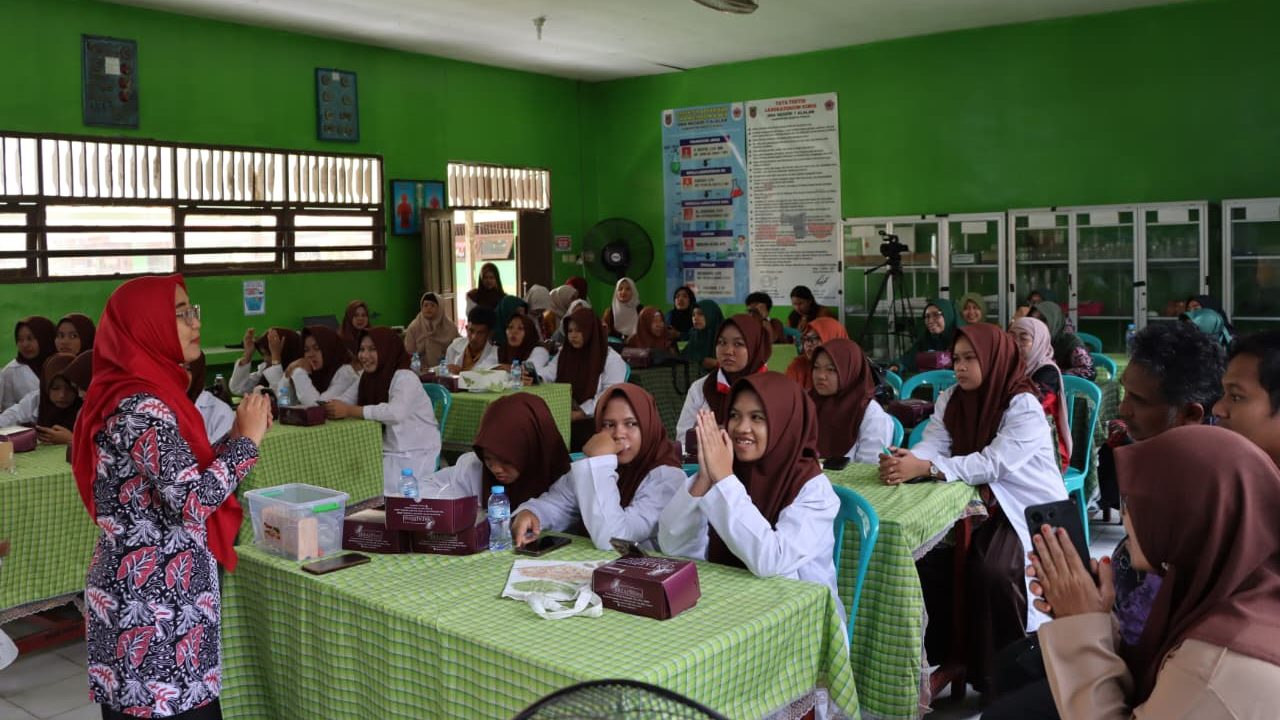
The research reveals that the most powerful drivers of change in this initiative are the high-impact partnerships forged between UNNES academics, Zero Waste Communities, and student conservation cadres. These collaborations ensure that efforts are both knowledge-driven and deeply rooted in community action. At the heart of the strategy lies a focus on innovation and competitiveness, blending the principles of Natural Balance, Production, and Profit (3P) with strong community empowerment.

This approach not only advances local sustainability but also aligns closely with Indonesia’s ambitious goal of reducing waste by 70% by 2025 — setting a scalable model that can be adopted by other universities and cities across Southeast Asia.

With its strategic location in Semarang, one of Central Java’s major metropolitan hubs, and a decade-long commitment to conservation education since 2010, UNNES is emerging as a regional role model for sustainable campus management and community-based food waste solutions.

“This is more than waste management — it is about rethinking our relationship with food, empowering communities, and ensuring that no one is left hungry,” added Aditya.

The model is now inspiring discussions beyond Indonesia, offering a blueprint for how universities in developing nations can leverage student-led innovation to tackle food waste while advancing food security, economic opportunity, and climate resilience.

Sumber artikel:
https://journal.unnes.ac.id/journals/baej/article/view/11296
Related Posts

Leave a Reply

* Kode Akses Komentar:

* Tuliskan kode akses komentar diatas:

GDPR

  • Privacy Policy

Privacy Policy

Who we are

Our website address is: https://unnes.ac.id.

Comments

When visitors leave comments on the site we collect the data shown in the comments form, and also the visitor’s IP address and browser user agent string to help spam detection.

An anonymized string created from your email address (also called a hash) may be provided to the Gravatar service to see if you are using it. The Gravatar service privacy policy is available here: https://automattic.com/privacy/. After approval of your comment, your profile picture is visible to the public in the context of your comment.

Media

If you upload images to the website, you should avoid uploading images with embedded location data (EXIF GPS) included. Visitors to the website can download and extract any location data from images on the website.

Cookies

If you leave a comment on our site you may opt-in to saving your name, email address and website in cookies. These are for your convenience so that you do not have to fill in your details again when you leave another comment. These cookies will last for one year.

If you visit our login page, we will set a temporary cookie to determine if your browser accepts cookies. This cookie contains no personal data and is discarded when you close your browser.

When you log in, we will also set up several cookies to save your login information and your screen display choices. Login cookies last for two days, and screen options cookies last for a year. If you select “Remember Me”, your login will persist for two weeks. If you log out of your account, the login cookies will be removed.

If you edit or publish an article, an additional cookie will be saved in your browser. This cookie includes no personal data and simply indicates the post ID of the article you just edited. It expires after 1 day.

Embedded content from other websites

Articles on this site may include embedded content (e.g. videos, images, articles, etc.). Embedded content from other websites behaves in the exact same way as if the visitor has visited the other website.

These websites may collect data about you, use cookies, embed additional third-party tracking, and monitor your interaction with that embedded content, including tracking your interaction with the embedded content if you have an account and are logged in to that website.

Who we share your data with

If you request a password reset, your IP address will be included in the reset email.

How long we retain your data

If you leave a comment, the comment and its metadata are retained indefinitely. This is so we can recognize and approve any follow-up comments automatically instead of holding them in a moderation queue.

For users that register on our website (if any), we also store the personal information they provide in their user profile. All users can see, edit, or delete their personal information at any time (except they cannot change their username). Website administrators can also see and edit that information.

What rights you have over your data

If you have an account on this site, or have left comments, you can request to receive an exported file of the personal data we hold about you, including any data you have provided to us. You can also request that we erase any personal data we hold about you. This does not include any data we are obliged to keep for administrative, legal, or security purposes.

Where your data is sent

Visitor comments may be checked through an automated spam detection service.