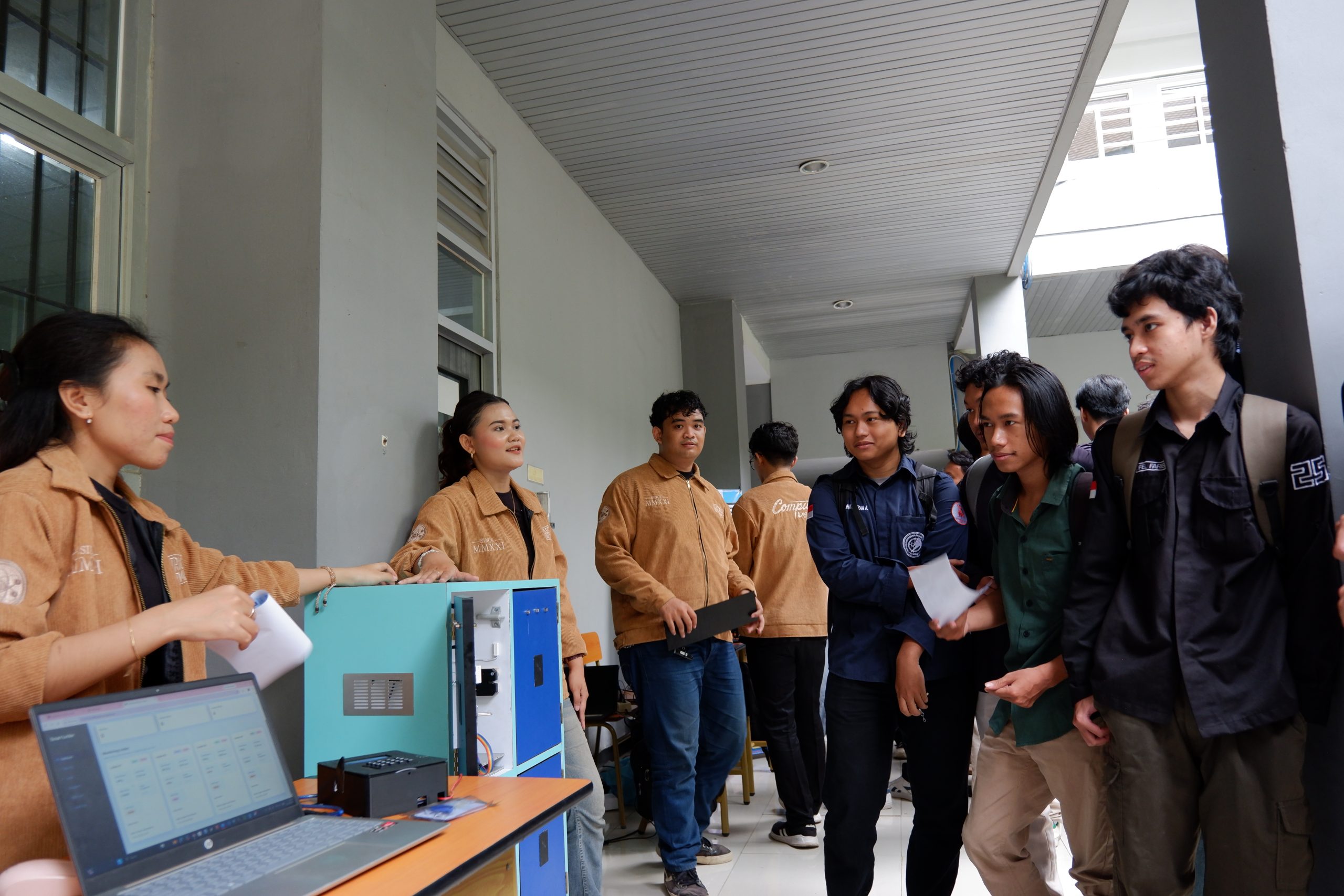




SEMARANG — Three Electrical Engineering students from the Faculty of Engineering, Universitas Negeri Semarang (FT UNNES)—Rakha Alviano Syaputra, Raditya Wahyu Pratomo, and Ellena Nayla Firdausi—unveiled Smart Harmonic Analyzer, an electrical power quality monitoring instrument powered by the Artificial Intelligence of Things (AIoT), during the EXPO Capstone exhibition at Building E11, FT UNNES, on Wednesday (November 11, 2026).
The prototype was engineered to address power quality degradation caused by nonlinear electrical loads, which are increasingly prevalent in modern electronic devices and industrial machinery. Nonlinear loads generate harmonic distortions that degrade electrical efficiency, cause overheating in conductors and transformers, and shorten equipment lifespans. While commercial harmonic analyzers exist, they are often prohibitively expensive and lack integrated cloud or AI diagnostic capabilities.
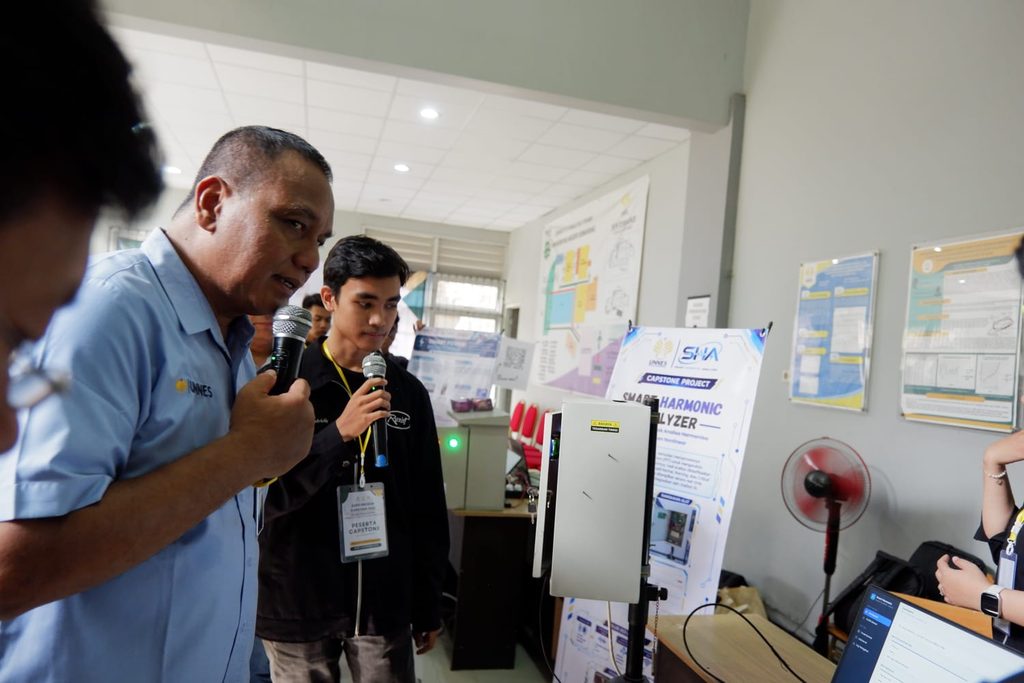
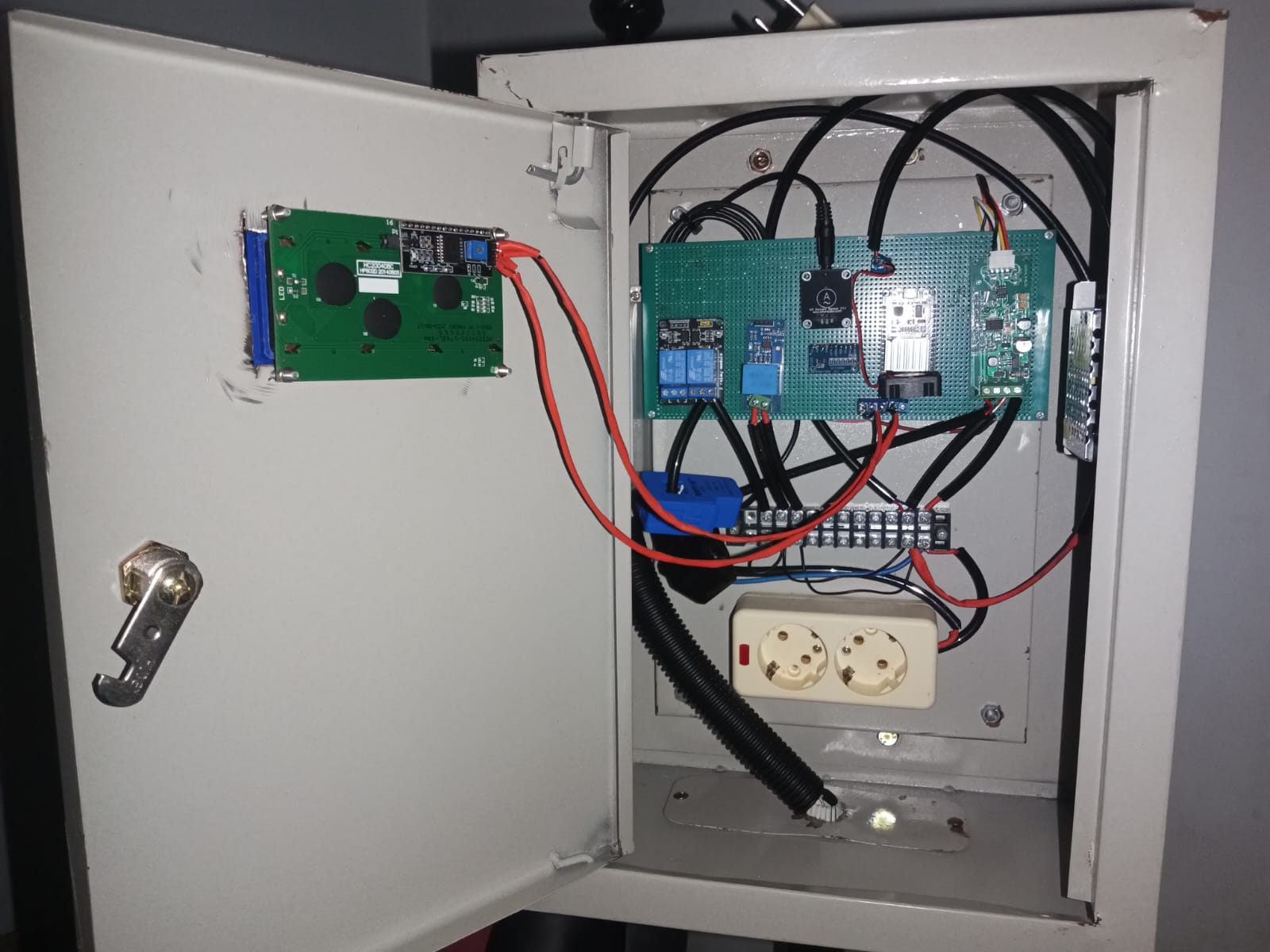
To provide a more accessible and intelligent alternative, the team designed a dedicated data acquisition architecture centered on an ESP32 microcontroller integrated with a ZMPT101B voltage sensor, an SCT-013-030 current sensor, and an ADS1115 Analog-to-Digital Converter (ADC) module. Additionally, a PZEM-004T energy meter was incorporated into the system as a reference benchmark to validate measurement accuracy.
Captured voltage and current waveforms are processed using Digital Signal Processing (DSP) techniques, specifically the Fast Fourier Transform (FFT), to isolate the fundamental frequency and identify harmonic components. The system evaluates key power quality metrics—including harmonic amplitude, harmonic ratio, Root Mean Square (RMS) values, and Signal-to-Noise Ratio (SNR)—to provide a comprehensive assessment of electrical grid health.
Processed data is transmitted in real time via the MQTT communication protocol to a FastAPI-based backend and rendered on an intuitive web monitoring dashboard. Enhancing its analytical capabilities, the platform integrates a Random Forest Machine Learning model to automatically classify connected electrical load types, alongside a Fuzzy Logic inference engine that evaluates overall power quality and triggers automated alerts when anomalies occur.
From an engineering efficiency standpoint, the team completed the prototype on September 14, 2026, following a 30-day development cycle encompassing hardware assembly, DSP implementation, machine learning integration, and calibration. Constructed with a total budget of IDR 700,000 (Rp700,000), the device demonstrates that sophisticated harmonic analysis instrumentation can be engineered domestically at a fraction of commercial costs.
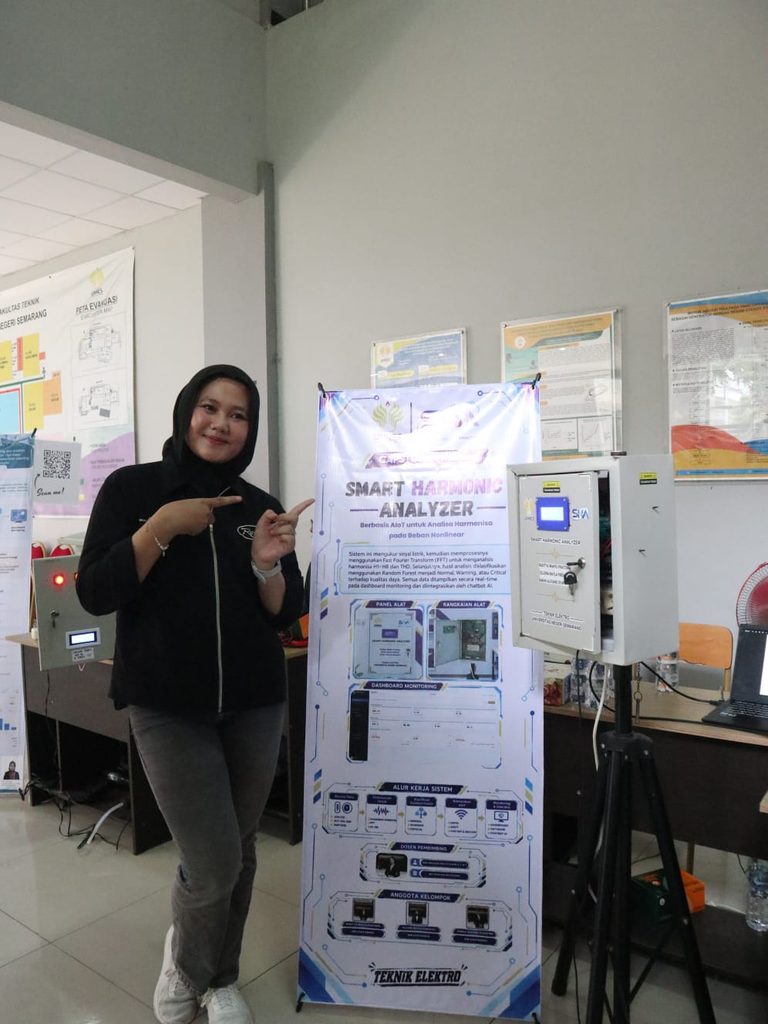
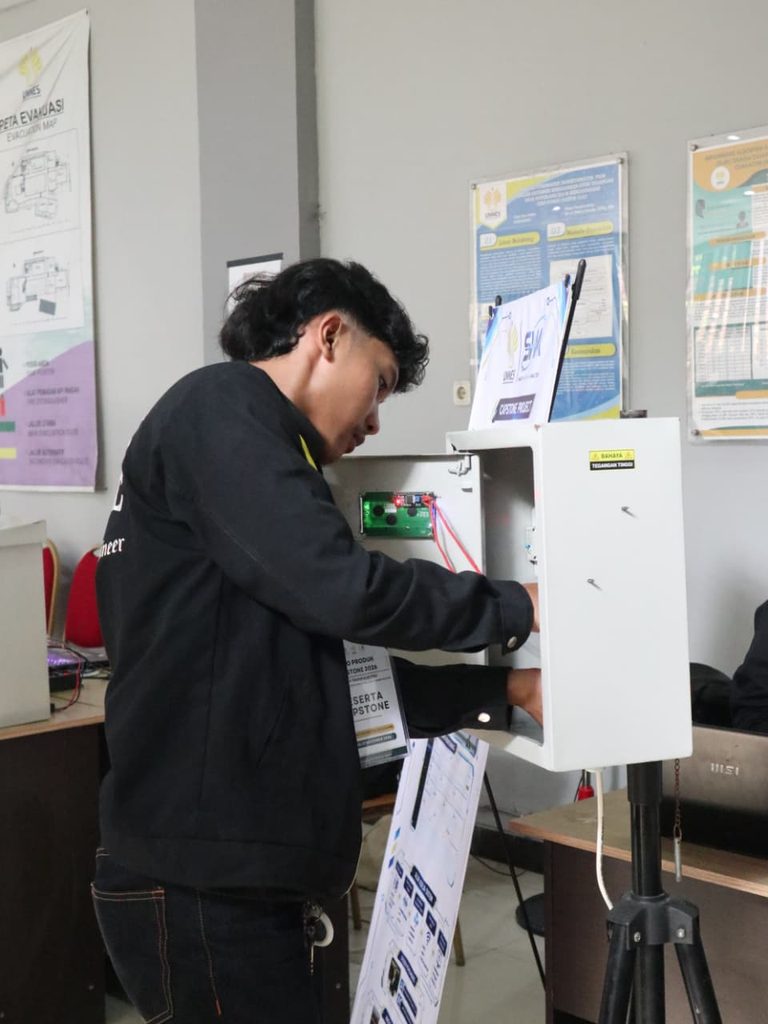
Showcased at FT UNNES’s EXPO Capstone, the Smart Harmonic Analyzer directly advances SDG 9 (Industry, Innovation, and Infrastructure) by fostering resilient energy infrastructure and accessible AIoT instrumentation. Through practical, high-impact applied research, UNNES Electrical Engineering students continue to drive technological innovation aimed at enhancing electrical infrastructure reliability and industrial efficiency.