

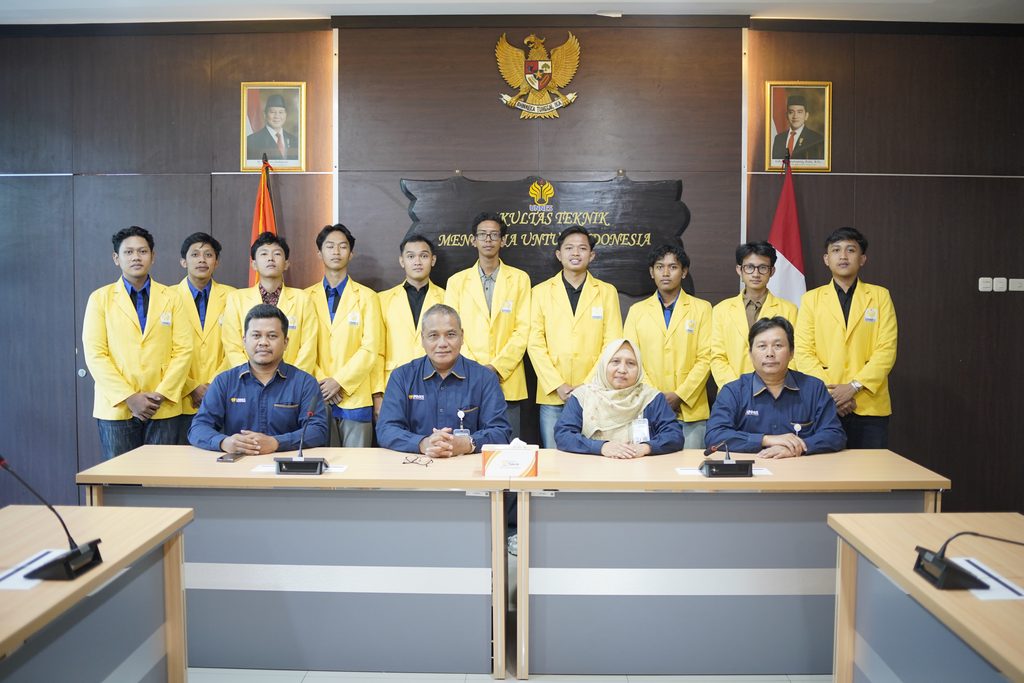
Semarang, October 5, 2026 — The Faculty of Engineering, Universitas Negeri Semarang (FT UNNES), is strengthening its international academic and research engagement through an Outbound Student Mobility and Joint Research Program at Universiti Malaysia Pahang Al-Sultan Abdullah (UMPSA). Ten students from the Mechanical Engineering Education Study Program (PTM), Faculty of Engineering, UNNES, will take part in the program from October 7 to October 29, 2026, spending 23 days at the Faculty of Manufacturing and Mechatronic Engineering Technology, UMPSA.
The program offers students an opportunity to experience an international academic environment while deepening their technical and research competencies. Throughout the mobility period, they will participate in training on Finite Element Analysis (FEA), develop engineering projects involving FEA-based analysis, and gain practical exposure to manufacturing and related engineering technologies. The participating students are Fuad Fahmi, Muhammad Akmal Ilhamudin, Muhammad Affandi Sutrisno, Tunggul Ulung Adi Kusumo, Gayuh Restu Pamungkas, Muhammad Ghufron Purnama, Muhammad Satria Ramadhan, Hilal Ramadhantyo Pratama, Jaya Rindo Utama, and Fadli Arszan Izza Ramadhan.
The program will be supervised by Dr. Musfirah binti Abdul Hadi, Deputy Dean of Student Affairs & Alumni, UMPSA, together with academic staff at the Faculty of Manufacturing and Mechatronic Engineering Technology.
Learning Beyond the Classroom. The international mobility program is designed not only to broaden students’ academic horizons, but also to encourage them to become more confident in research, discussion, collaboration, and problem-solving within an international setting.
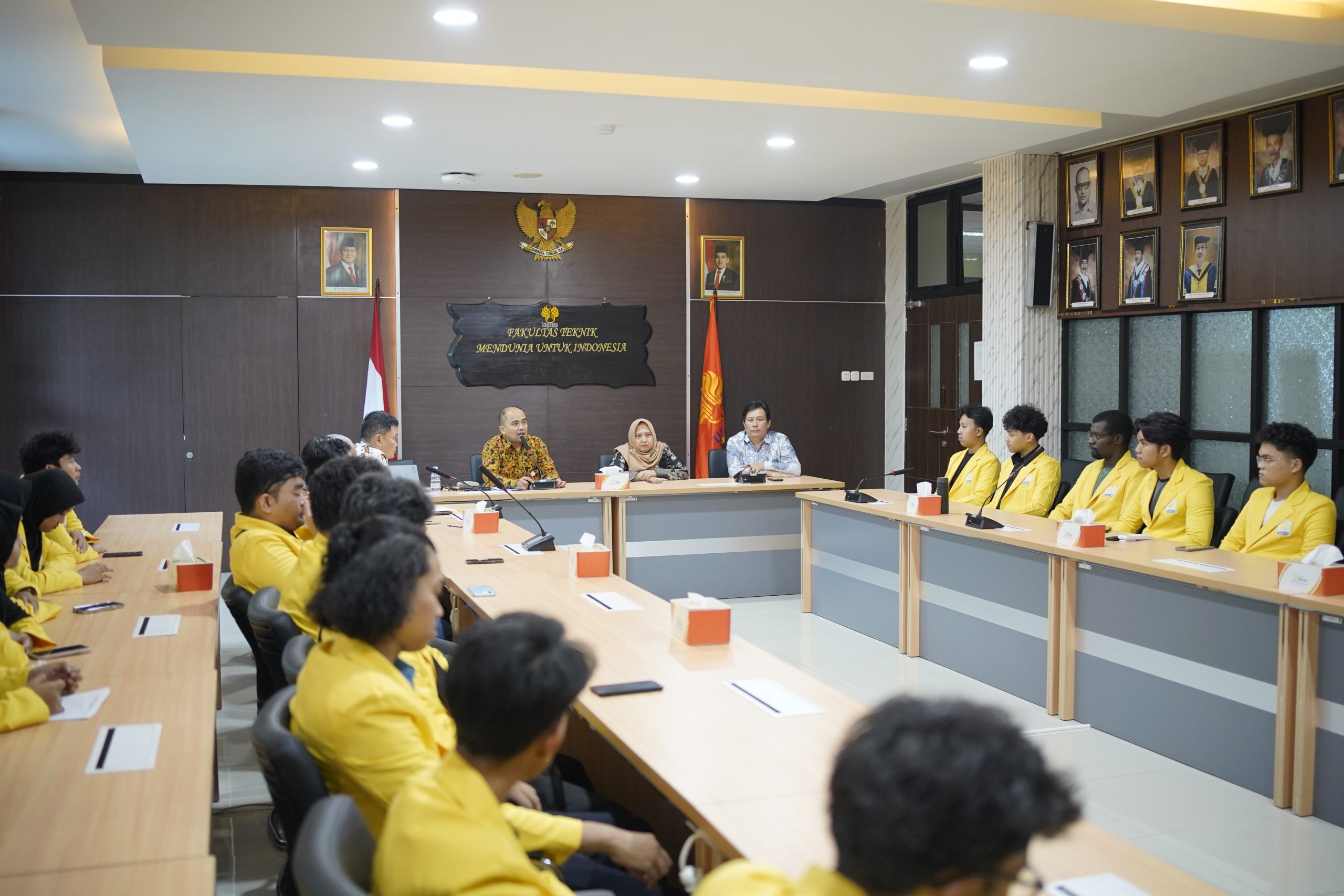
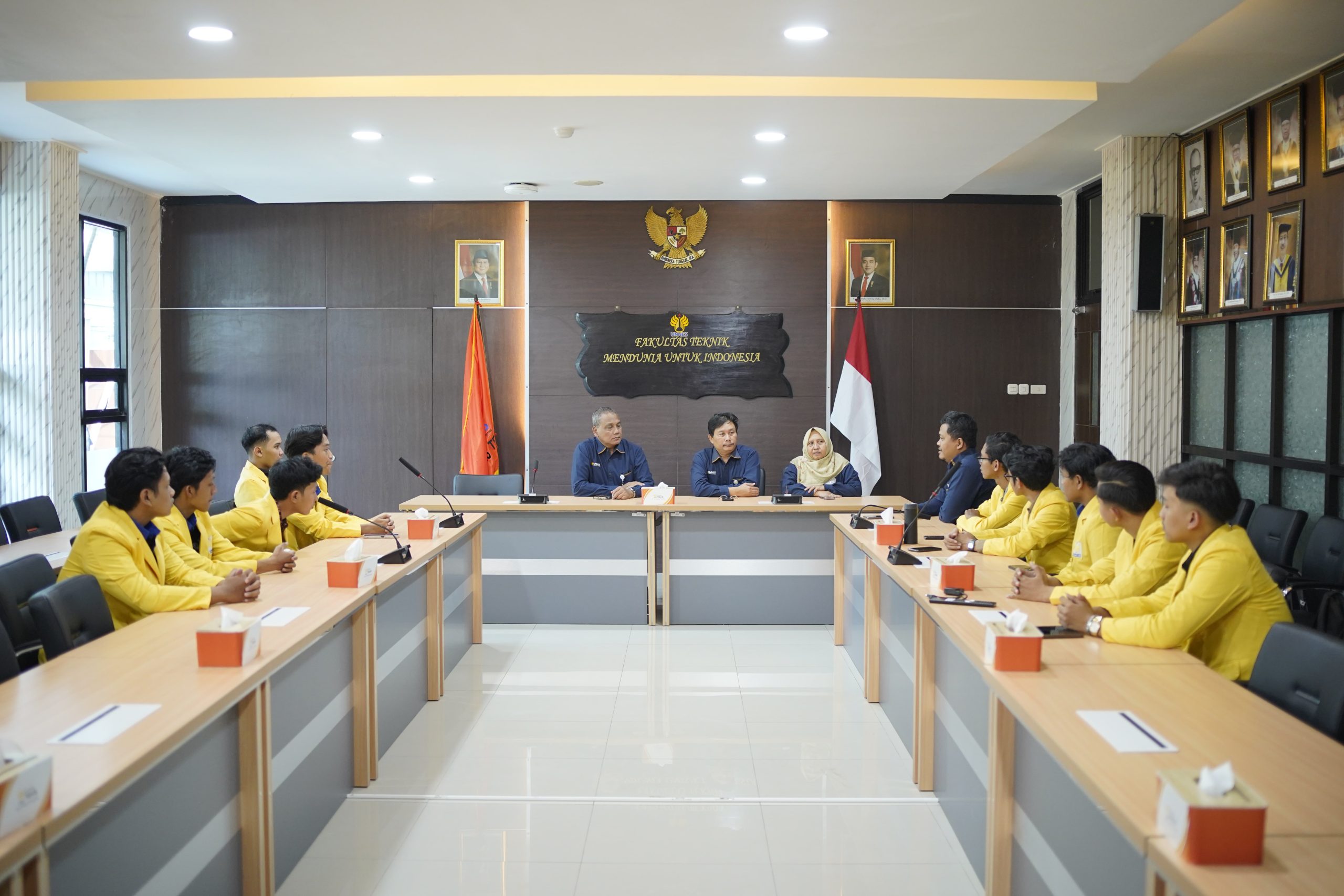
In his remarks, Dean of the Faculty of Engineering, UNNES, Prof. Dr. Wirawan Sumbodo, M.T., reminded the students that studying abroad is both a privilege and a responsibility. He encouraged the students to make the most of their time at UMPSA by actively engaging in academic discussions, exploring new knowledge, and developing meaningful relationships with lecturers, researchers, and fellow students. This is not simply an opportunity to study abroad. It is an opportunity to grow. Learn as much as you can, engage in discussions, build networks, and bring the experience back to UNNES as a foundation for future research and innovation.
The Dean also emphasized that the value of an international mobility program extends well beyond the duration of the visit. Academic networks established during the program can become a pathway to future research collaboration, scientific publications, international academic exchange, and opportunities for further study. He urged the students to uphold the values of integrity, discipline, professionalism, adaptability, and respect for the academic culture of UMPSA.
Through hands-on training and project-based learning, the program is expected to strengthen students’ competence in engineering analysis and manufacturing while giving them a broader understanding of how research and technology are developed in an international academic environment. The experience also provides an important platform for students to develop cross-cultural communication, teamwork, critical thinking, and research collaboration skills—competencies that are increasingly important in a rapidly changing global engineering landscape.
The initiative supports the United Nations Sustainable Development Goals (SDGs), particularly SDG 4: Quality Education, by providing inclusive and internationally oriented learning opportunities; SDG 9: Industry, Innovation and Infrastructure, through engineering research and technological development; and SDG 17: Partnerships for the Goals, by strengthening institutional collaboration between UNNES and UMPSA. For FT UNNES, the program represents more than an international student visit. It is part of a broader commitment to preparing future engineers and educators who are globally connected, research-oriented, technologically capable, and ready to contribute beyond borders. The collaboration with UMPSA is expected to pave the way for further academic exchange, joint research, student development, and international cooperation between the two institutions.