
FISIP UNNES dan Kyoto University Gali Praktik Satoyama untuk Perencanaan Wilayah Berkelanjutan

Universitas Negeri Semarang > Faculty of Social Sciences and Political Science > Berita > FISIP UNNES dan Kyoto University Gali Praktik Satoyama untuk Perencanaan Wilayah Berkelanjutan

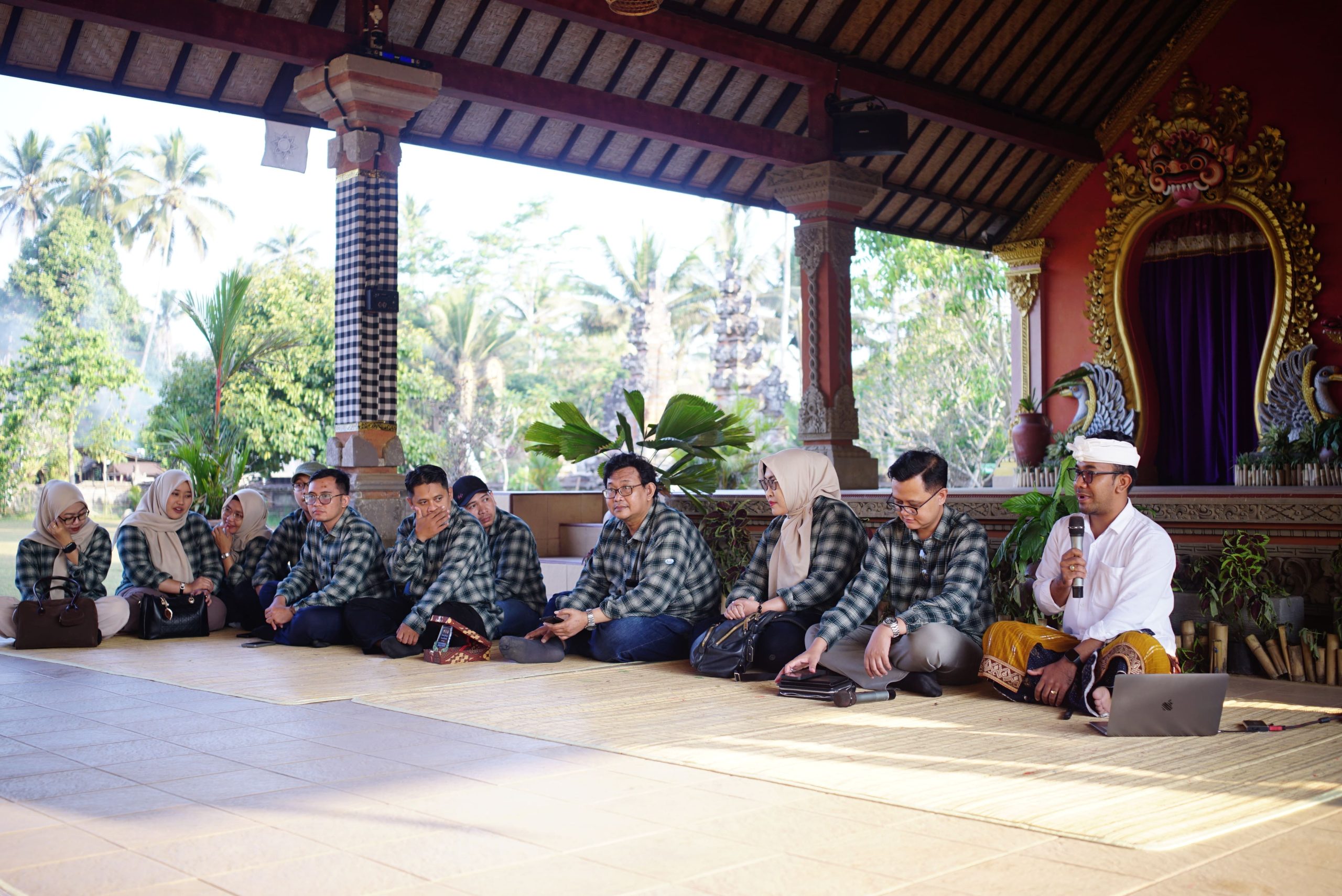
Fakultas Ilmu Sosial dan Ilmu Politik (FISIP) Universitas Negeri Semarang memperkuat kolaborasi internasional bersama Kyoto University, Jepang, melalui kegiatan bertajuk Integrasi Kearifan Lokal Satoyama dalam Sustainable Regional Planning. Kolaborasi ini mengangkat praktik Satoyama sebagai salah satu rujukan untuk melihat bagaimana kebutuhan masyarakat, pemanfaatan lahan, dan kelestarian lingkungan dapat berjalan beriringan.

Kegiatan yang berlangsung pada 21 April hingga 10 Oktober 2025 tersebut melibatkan Vina Nurul Husna, Aprillia Findayani, dan Nabila Nurul Hawa dari FISIP UNNES bersama tiga mahasiswa serta Minori Tokito dari Graduate School of Agriculture, Kyoto University. Program ini didukung pendanaan sebesar Rp27,5 juta.

Kyoto Prefecture menjadi ruang penting bagi tim untuk menelusuri penerapan Satoyama dalam kehidupan masyarakat. Konsep tersebut telah lama berkembang di Jepang melalui pengelolaan lanskap yang mempertemukan hutan, sawah, kebun, permukiman, dan aktivitas masyarakat dalam satu kesatuan ruang. Pendekatan ini menjaga agar pemanfaatan sumber daya tetap berlangsung tanpa melepaskan fungsi ekologis kawasan.

Perhatian tim salah satunya diarahkan ke Kita Village, kawasan pegunungan di Kyoto Prefecture yang masih mempertahankan karakter lanskap pedesaan. Di kawasan tersebut, tim FISIP UNNES menelusuri bagaimana prinsip Satoyama hadir dalam kehidupan sehari-hari masyarakat, termasuk melalui aktivitas pertanian yang masih dipertahankan di tengah perubahan sosial dan berkurangnya jumlah penduduk.

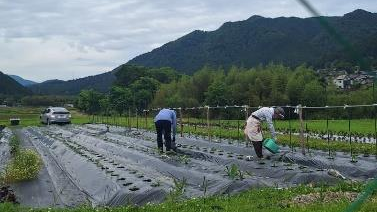
Di lahan pertanian yang dikelilingi perbukitan, tim mengamati dua warga lokal yang tetap mengelola lahan sebagai bagian dari kehidupan masyarakat Kita Village. Aktivitas tersebut berlangsung di tengah persoalan depopulasi yang membuat semakin sedikit keluarga memiliki tenaga untuk meneruskan pengelolaan pertanian. Sebagian lahan masih dipertahankan oleh keluarga setempat, sementara lahan yang terbengkalai menghadapi perubahan pengelolaan seiring perkembangan kawasan.

Kita Village kemudian berkembang pula sebagai desa wisata dengan tetap mempertahankan lanskap yang menjadi ciri khasnya. Rumah tradisional beratap jerami, kawasan pertanian, hutan, dan pemandangan pegunungan menjadi bagian dari identitas wilayah yang terus dijaga. Pemerintah dan masyarakat setempat juga memiliki peran dalam mempertahankan karakter kawasan agar perkembangan pariwisata tidak menghilangkan warisan budaya dan lingkungan yang telah terbentuk.

Prinsip Satoyama juga memberikan ruang bagi keberlanjutan fungsi ekologis kawasan. Hutan tetap menjadi sumber air dan bagian dari habitat keanekaragaman hayati, sementara sawah dan perkebunan mendukung kebutuhan masyarakat. Hubungan tersebut turut berkontribusi pada pelestarian biodiversitas, ketersediaan air, pengurangan risiko bencana, serta keberlanjutan warisan budaya masyarakat.

Pengalaman masyarakat Kyoto membuka ruang pertukaran pengetahuan bagi FISIP UNNES dan Kyoto University dalam melihat kembali potensi kearifan lokal untuk mendukung perencanaan wilayah di Indonesia. Satoyama tidak diposisikan untuk diterapkan secara langsung, melainkan menjadi referensi dalam mengembangkan tata ruang yang dapat disesuaikan dengan kondisi alam, budaya, serta kebutuhan masyarakat Indonesia.
Related Posts

Leave a Reply

* Kode Akses Komentar:

* Tuliskan kode akses komentar diatas:

GDPR

  • Privacy Policy

Privacy Policy

At unnes.ac.id, the privacy of our visitors is of extreme importance to us. This privacy policy document outlines the types of personal information that is received and collected by unnes.ac.id and how it is used.

Log Files

Like many other Web sites, unnes.ac.id makes use of log files. The information inside the log files includes internet protocol (IP) addresses, type of browser, Internet Service Provider (ISP), date/time stamp, referring/exit pages, and number of clicks to analyze trends, administer the site, track user’s movement around the site, and gather demographic information. IP addresses and other such information are not linked to any information that is personally identifiable.

Cookies

unnes.ac.id uses cookies to store information about visitors’ preferences, to record user-specific information on which pages the site visitor accesses or visits, and to personalize or customize our web page content based upon visitors’ browser type or other information that the visitor sends via their browser.

Third-party ad servers or ad networks use technology in their respective advertisements and links that appear on unnes.ac.id and which are sent directly to your browser. They automatically receive your IP address when this occurs. Other technologies (such as cookies, JavaScript, or Web Beacons) may also be used by our site’s third-party ad networks to measure the effectiveness of their advertising campaigns and/or to personalize the advertising content that you see on the site.

unnes.ac.id has no access to or control over these cookies that are used by third-party advertisers.

You should consult the respective privacy policies of these third-party ad servers for more detailed information on their practices as well as for instructions about how to opt-out of certain practices. unnes.ac.id’s privacy policy does not apply to, and we cannot control the activities of, such other advertisers or web sites.

If you wish to disable cookies, you may do so through your individual browser options. More detailed information about cookie management with specific web browsers can be found at the browsers’ respective websites.

Consent

By using our website, you hereby consent to our privacy policy and agree to its terms.

Update

This Privacy Policy was last updated on: 2023-02-14. Should we update, amend or make any changes to our privacy policy, those changes will be posted here.

Contact Us

If you have any questions, comments, or concerns about our Privacy Policy or our practices with regards to your personal information, please feel free to contact us through the contact form on our website or by emailing us at humas[at]mail.unnes.ac.id.

This Privacy Policy is intended as a general guide to our practices in collecting and using information. If there is any inconsistency between this Privacy Policy and the terms of the Service Agreement or any other terms that may apply to specific services you use, then those specific service terms shall apply.

Terms of Use

By using our website, you agree to abide by this Privacy Policy. If you do not agree with this Privacy Policy, please do not use our website. We reserve the right to update this Privacy Policy from time to time without prior notice. Please review our Privacy Policy periodically to check for changes. Your continued use of our website following the posting of changes to this Privacy Policy means that you accept the changes.

Thank you for reading our Privacy Policy. We are committed to protecting the privacy of our website visitors and will continue to update our Privacy Policy to ensure optimal protection.