

The relationship between Islamic teachings and cultural expressions, including language and art, is deeply interconnected and mutually reinforcing. The history of Islam’s spread throughout the Indonesian archipelago demonstrates how religion has become intertwined with local culture, making the two inseparable in daily life.
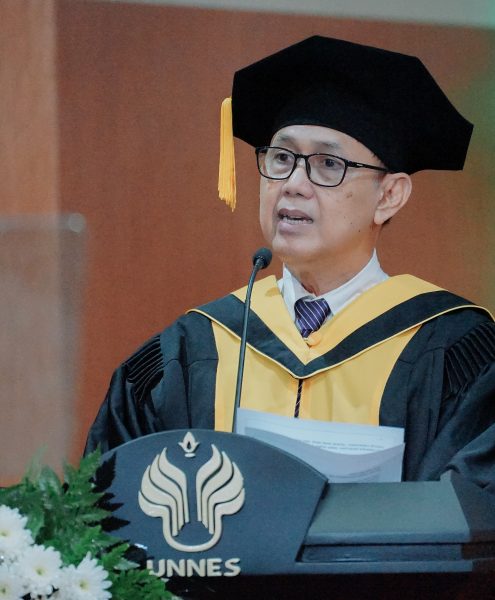
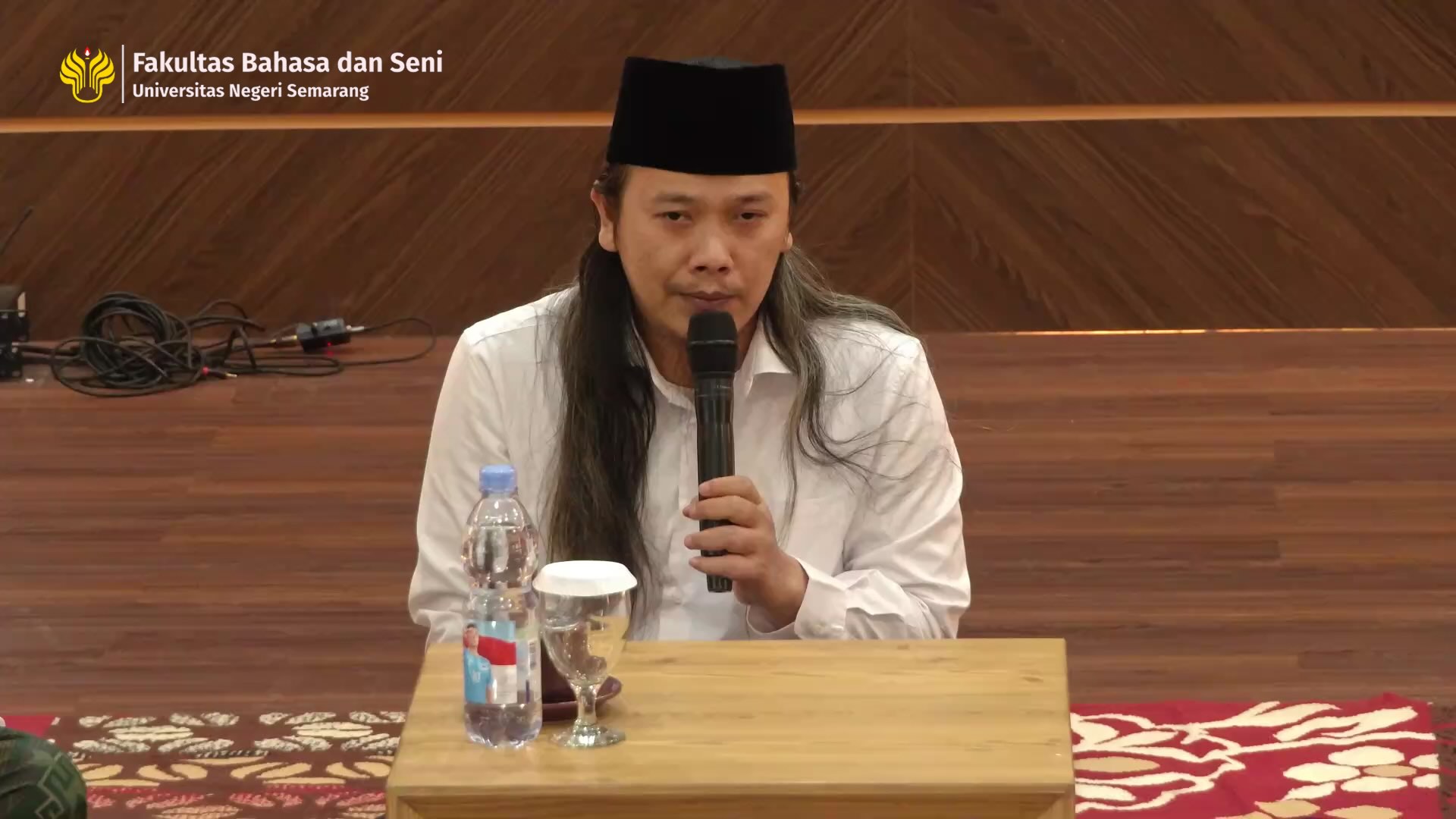
The caretaker of Az Zuhri Islamic Boarding School in Semarang, K.H. Muhammad Lukman Hakim, stated that the Prophet Muhammad (peace be upon him) was a figure who loved beauty. In communication, the Prophet and his companions always prioritized gentle and refined speech.
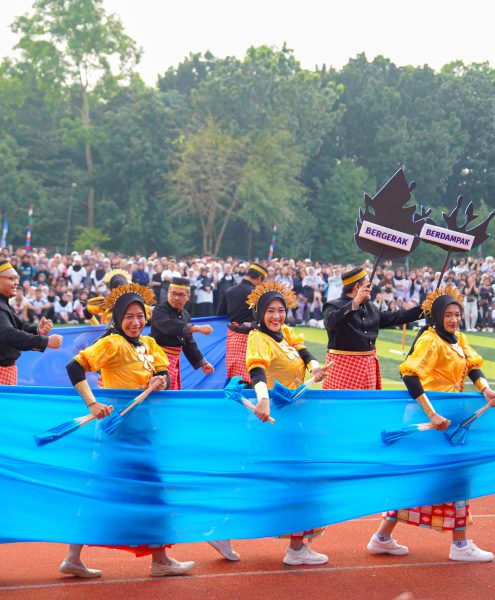
There were also forms of art that existed during the time of the Prophets and Messengers, such as poetry recitation, music, and dance, though in very simple forms. The history of the Arabic script (hijaiyah) in the Qur’an as Islam’s holy book has also undergone refinement over time, reaching a beautiful and clearly legible form.
“In the land of Java, the arts are more complex because we have gamelan, wayang, and dance. Even the wali (Islamic saints) used art as a medium for spreading Islamic teachings,” said the cleric, popularly known as Gus Lukman, during a Ngaji Budaya (Cultural Study Session) at the Faculty of Languages and Arts, Universitas Negeri Semarang (UNNES), on Tuesday, October 7, 2025.
According to Gus Lukman, these various historical facts must continue to be taught and understood so that misunderstandings do not arise within society regarding the relationship between religion and culture. He emphasized that in recent times, there have been groups eager to attack others with different principles, even within the same faith, particularly those whose religious practices are closely connected to cultural expressions.
In fact, such practices have been an integral part of Islamic propagation, both during the Prophet’s time and in the era of the wali. For this reason, Gus Lukman believes it is essential to have individuals who continue to share and spread this understanding within society.
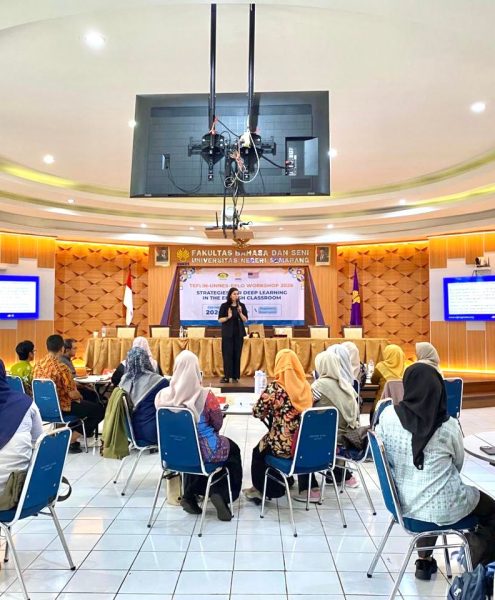
The Dean of the Faculty of Languages and Arts at UNNES, Prof. Dr. Tommi Yuniawan, M. Hum., stated that Ngaji Budaya is part of the series of events celebrating the 2025 Language and Arts Month. The event, attended by lecturers and academic staff of the faculty, served as a means to strengthen fellowship while deepening faith.
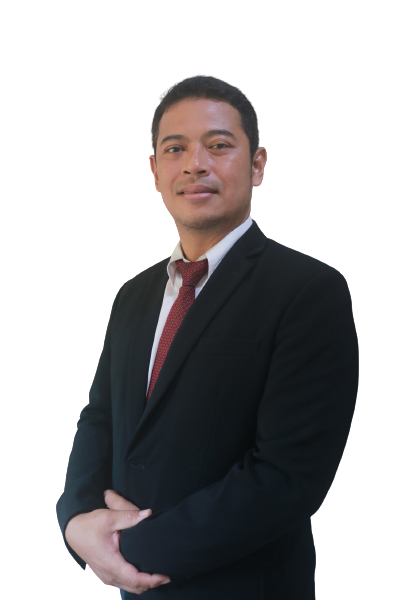
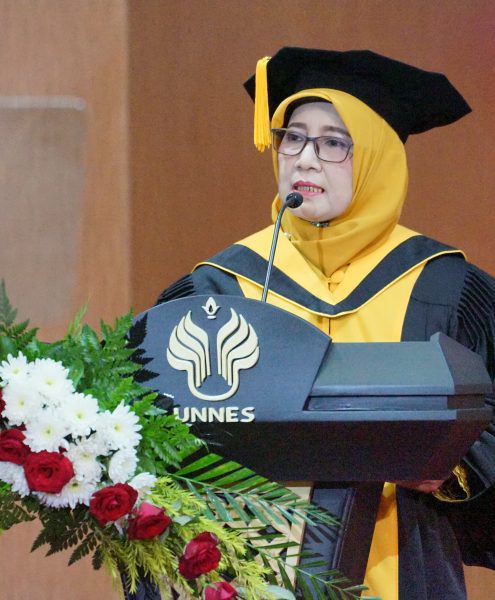
On the same occasion, a retirement farewell was also held for Dr. Wahyu Lestari, a lecturer from the Dance Education Study Program of the Faculty of Languages and Arts, UNNES. Vice Dean II, Dr. Muhamad Burhanudin, mentioned that Dr. Wahyu Lestari had served at UNNES since 1986. “Throughout 39 years of dedication, she has educated many students and produced numerous academic works,” Pak Burhan said. (DHZ)
Translated by Dafele Arozal/Student Staff FBS UNNES