Universitas Negeri Semarang (UNNES) strengthened its support for community members in establishing and developing businesses throughout 2025 through the establishment of the Edelweis Merbabu Micro, Small, and Medium Enterprise (MSME) Joint Business Group (Kelompok Usaha Bersama or KUB) in Kopeng Village, Semarang Regency, and the implementation of an incubation program for 16 cooperatives across Central Java. Both initiatives provided support through business organization development, management and financial training, product development, and the strengthening of marketing capabilities and business networks.
These initiatives were implemented through collaboration among the Institute for Research and Community Service (Lembaga Penelitian dan Pengabdian kepada Masyarakat or LPPM), the UNNES Business Unit Incubator (Inkubator Unit Bisnis or IUB), partner universities, and cooperative development institutions. The programs were designed to help communities develop economic activities supported by sound institutional foundations, value-added products, and prospects for financial and social sustainability.
UNNES Supports the Establishment of a New Business Group in Kopeng Village
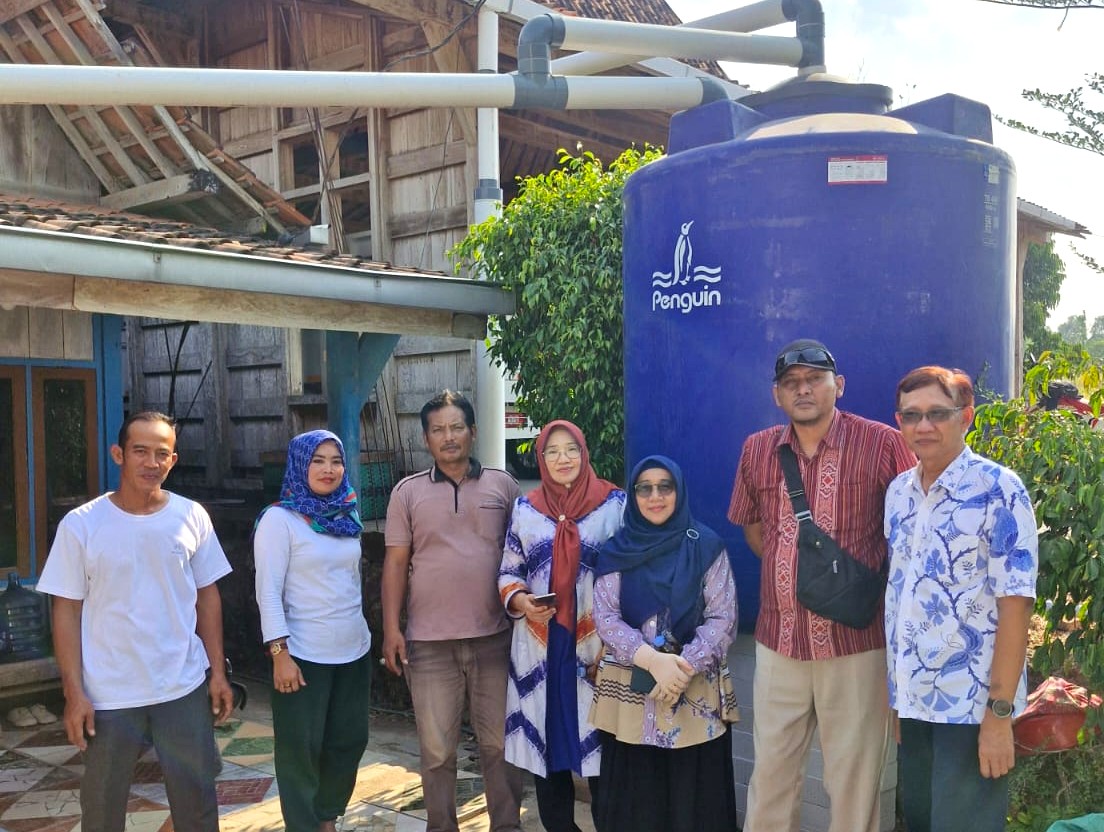
One tangible outcome of community engagement in 2025 was the establishment of the Edelweis Merbabu MSME Joint Business Group in Kopeng Village, Getasan District, Semarang Regency.
The group was established through the Collaborative Community Service Program (Program Pengabdian Masyarakat Kolaborasi or PMKI), involving UNNES, Universitas Negeri Malang, and Universitas Sebelas Maret. The initiative was reported on September 22, 2025, with a focus on developing the vegetable farming sector into a flagship local product through community empowerment.
The Edelweis Merbabu Joint Business Group was formally established under Kopeng Village Head Decree No. 400/019/2025. Led by Joko Susilo, the group brings together community representatives from nine hamlets in Kopeng Village.
The establishment of the group represents an important step toward providing a collective business platform for local residents, particularly farmers who have traditionally relied on agricultural production as their primary source of livelihood.
Through university-led assistance, community members are encouraged to transform harvested potatoes into processed products with greater added value and broader market potential.
Assistance Covers Product Development, Organizational Management, and Marketing
The support provided through the Edelweis Merbabu initiative extends beyond the establishment of the business group.
The UNNES community service team and its university partners provided assistance in institutional management, the development of processed potato products, packaging design, branding, preparations for obtaining Home Industry Food Production certification (Pangan Industri Rumah Tangga or PIRT), and marketing strategies through both direct sales and digital channels.
Community members also received training in producing various types of chips as an alternative means of utilizing locally grown agricultural commodities.
To support production, the group agreed on plans to develop production facilities equipped with a potato slicer, frying equipment, a spinner for removing excess oil, and packaging equipment. The provision of these tools formed part of the jointly established business development targets.
The UNNES lead program coordinator, Prof. Dr. R. Benny Riyanto, M.Hum., emphasized the importance of establishing a community empowerment ecosystem capable of supporting sustainable local economic development.
With an established organizational structure and assistance in product development, the Edelweis Merbabu Joint Business Group has an initial foundation for developing an agricultural processing business that engages community members from multiple hamlets.
UNNES Business Incubator Launches Assistance Program for 16 Cooperatives
In addition to helping communities establish new businesses, UNNES strengthened local business capacity through its LPPM Business Unit Incubator.
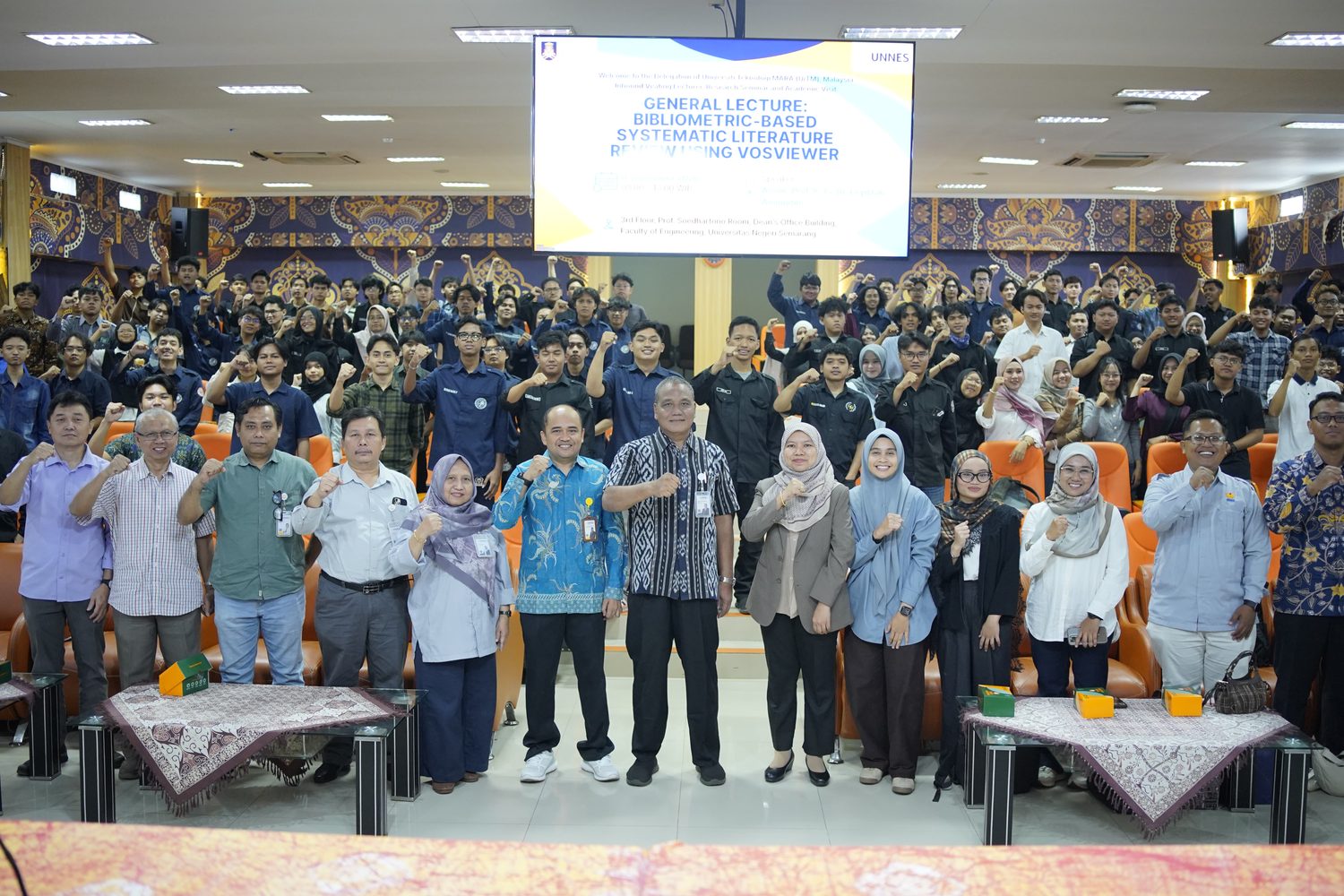
On April 19, 2025, the UNNES LPPM Business Unit Incubator, in collaboration with the Revolving Fund Management Agency for Cooperatives and Micro, Small, and Medium Enterprises (Lembaga Pengelola Dana Bergulir Koperasi dan Usaha Mikro, Kecil, dan Menengah or LPDB-KUMKM), launched an incubation program for 16 cooperatives from various regencies and cities across Central Java.
The participants comprised 15 real-sector cooperatives and one savings and loan cooperative. The program involved 20 resource persons and mentors and covered institutional strengthening, business management, financial management, and assessments of each cooperative’s development needs.
The launch also featured the signing of cooperation agreements between the participating cooperatives and the UNNES LPPM Business Unit Incubator.
Through this program, cooperatives gained opportunities to access academic expertise and business mentoring to strengthen organizational management and develop their operations in accordance with their respective needs.
Incubation Program Designed to Provide Continuous Support
The cooperative incubation program was designed to run for six months through coaching clinics, mentoring, field visits, and monitoring and evaluation activities conducted both online and in person.
This framework positions cooperative development as a phased support process, beginning with needs identification and progressing toward stronger managerial capabilities and business development.
At the institutional level, the UNNES Business Unit Incubator provides pre-incubation, incubation, and post-incubation services, including business consultations, training, product development, promotion, business network expansion, and support in accessing university facilities.
The incubator also has an 803-square-meter business development facility equipped with internet access for its tenants. This facility supports a learning and business development environment that draws on university expertise.
These forms of assistance enable cooperatives and entrepreneurs to acquire knowledge of business management, product development, and strategies for responding to market demands.
Business Development Focused on Economic and Social Sustainability
The establishment of the Edelweis Merbabu Joint Business Group and the incubation of 16 cooperatives demonstrate two complementary approaches to community-based enterprise development.
The establishment of the joint business group provides direct support for communities seeking to initiate a new business organization by utilizing local agricultural products. The assistance covers institutional development, production training, equipment planning, and marketing development.
Meanwhile, cooperative incubation strengthens existing business organizations through support in organizational development, management, and financial administration.
From an economic perspective, both initiatives aim to help entrepreneurs improve production capabilities, strengthen business management, and expand market opportunities. From a social perspective, the programs encourage cooperation among community members, build collective capacity, and strengthen community-based business institutions.
The involvement of universities, village authorities, and cooperative development institutions also broadens the support networks available to communities as they establish and operate their businesses.
UNNES Contribution to SDG 1: No Poverty
Through the establishment of new business groups and cooperative incubation initiatives throughout 2025, UNNES strengthened the role of higher education institutions in helping communities access business development knowledge, skills, and services.
The establishment of the Edelweis Merbabu Joint Business Group represents a tangible institutional outcome, formalized through a village head’s decree. Meanwhile, the incubation program for 16 cooperatives provided business management and capacity-building support for local enterprises.
Together, these initiatives demonstrate UNNES’s contribution to Sustainable Development Goal (SDG) 1: No Poverty, particularly by helping communities establish and develop businesses with the potential to achieve financial sustainability and generate social benefits for local communities.