UNNES Strengthens Campus-Wide Waste Measurement and Recycling through Daily Monitoring and Integrated Waste Management
SEMARANG – Universitas Negeri Semarang (UNNES) continues to strengthen its commitment to environmental sustainability through a comprehensive waste monitoring and management system covering university facilities. Through daily waste collection, weighing, recording, segregation, and processing at its Integrated Waste Processing Facility (Tempat Pengolahan Sampah Terpadu, TPST), UNNES systematically measures waste generation, recycling performance, and landfill diversion across its campus operations.
In 2025, UNNES recorded 4,365.45 tonnes of waste generated, of which 4,287.95 tonnes (98.22%) were reported as recycled, while zero tonnes were reported as sent to municipal landfills. These figures demonstrate the university’s efforts to establish measurable waste management practices and reduce dependence on conventional landfill disposal.
The system is supported by Rector’s Circular Letter No. B/28401/UN37/RT.02/2024 concerning the Obligation of Waste Recycling within UNNES. The policy requires university faculties and administrative units to segregate waste into organic, inorganic, and hazardous categories and report their waste management activities.
Through this institutional framework, UNNES promotes consistent waste measurement, recycling, and monitoring across academic, administrative, and supporting facilities.
Implementing Daily Waste Collection, Measurement, and Recording
UNNES implements a systematic daily waste management process involving cleaning service teams, university work units, and the Sub-directorate for Conservation.
Waste generated from campus buildings, including classrooms, laboratories, administrative offices, canteens, and communal areas, is collected daily and transported to the TPST. Upon arrival, waste is weighed, classified, recorded, and directed to appropriate processing or recycling activities.
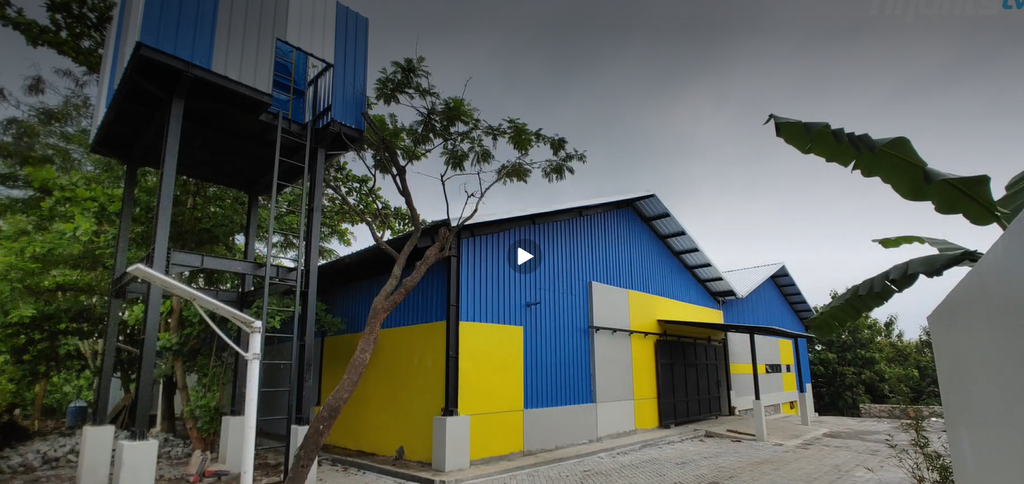
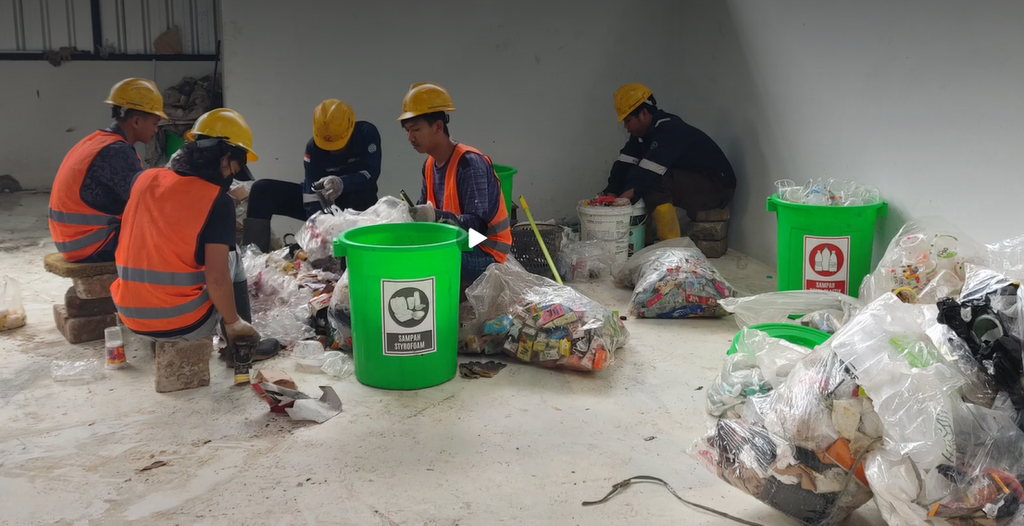
The monitoring system covers different categories of solid waste, including food scraps, foliage, plastic, paper, wood, and non-recyclable residues. Hazardous and toxic waste (B3) is segregated and managed through separate procedures appropriate to its characteristics.
Each work unit contributes to campus-wide waste monitoring by implementing waste segregation at source and supporting the documentation of its waste streams. The resulting data are consolidated through TPST operations and monitored by the Sub-directorate for Conservation.
This process enables UNNES to measure the total quantity of waste generated, identify materials recovered through recycling or organic processing, and distinguish non-recyclable residues requiring further treatment.
Regular recording and reporting provide a quantitative basis for evaluating waste management performance and tracking progress in reducing waste disposal.
Measuring Recycling Performance and Material Recovery
UNNES processes different waste streams according to their characteristics and potential for resource recovery.
In 2025, the university recorded approximately 4,217 tonnes of foliage waste, most of which was directed toward composting. The resulting compost supports campus greening, landscape maintenance, and other environmentally beneficial uses.
However, not all foliage waste is suitable for composting. The university’s residual-waste reporting identifies 51.19 tonnes of non-compostable foliage waste requiring alternative treatment. This material is distinguished from composted waste to ensure that residual treatment is not incorrectly reported as recycling.
In addition, approximately 36 tonnes of food scraps were collected and utilized as feed for black soldier fly (BSF) larvae, commonly known as maggots. This biological processing method transforms food waste into useful resources while supporting circular waste management practices.
For inorganic waste, UNNES recorded 28.62 tonnes of plastic, consisting of 1.73 tonnes of hard plastic and 26.89 tonnes of soft plastic. Recyclable plastics were sorted, shredded, and transferred as raw materials for further recycling into plastic products.
Meanwhile, 7.83 tonnes of paper waste were collected and sent to PT Pura Nusapersada in Kudus, Central Java, for recycling into new paper products.
These activities allow the university to measure the quantities of organic and inorganic materials recovered through composting, biological treatment, and external recycling partnerships.
By recording the weight of materials processed through each recycling pathway, UNNES strengthens the accuracy and accountability of its waste management reporting.
Managing Non-Recyclable Residues and Monitoring Landfill Diversion
In addition to measuring recyclable waste, UNNES monitors materials that cannot be processed through conventional composting or recycling.
Non-recyclable residues may include contaminated food packaging, styrofoam, oil-stained paper, non-compostable foliage, and other materials unsuitable for resource recovery.
These materials are separated from recyclable waste and directed toward alternative treatment methods, including incineration at the TPST.
According to the university’s 2025 residual-waste reporting, approximately 74.50 tonnes of waste were treated through incineration. This treatment stream is recorded separately from recycled materials because incineration does not constitute material recycling.
Based on the consolidated 2025 figures, the difference between total waste generated and waste reported as recycled was 77.50 tonnes, equivalent to 1.78% of total waste generation.
UNNES reported that no waste was transported to municipal landfills during the reporting year. This zero-landfill-disposal achievement refers specifically to the absence of waste sent to landfills, rather than the complete elimination of residual waste or the recycling of all generated materials.
By distinguishing recycling, residual treatment, and landfill disposal in its monitoring records, the university can evaluate the effectiveness of its waste management system more transparently.
This approach supports the university’s broader zero-waste-to-landfill commitment while recognizing the continued need to manage non-recyclable materials responsibly.
Strengthening Campus-Wide Monitoring and Institutional Accountability
The implementation of daily waste monitoring is coordinated through the Sub-directorate for Conservation, which oversees TPST operations and supports the evaluation of waste management performance across university units.
Waste data are compiled from collection and processing activities to assess waste generation patterns, recycling performance, material recovery, and residual treatment.
The university’s monitoring activities are also supported by waste segregation practices implemented across faculties, administrative offices, canteens, and other supporting facilities.
To strengthen data-based waste management, the university promotes continuous improvement in recording and reporting procedures, including more systematic monitoring of waste quantities and processing outcomes.
These efforts reinforce institutional accountability by ensuring that waste management performance is evaluated through measurable indicators rather than solely through the availability of waste processing infrastructure.
Through the combination of university-wide waste segregation requirements, daily weighing and recording, and centralized monitoring, UNNES continues to improve the management of waste generated by its academic and operational activities.
Advancing Responsible Waste Management and Sustainable Campus Operations
UNNES’s integrated waste monitoring and processing system demonstrates its commitment to managing campus waste through measurable and accountable practices.
The reported recycling of 98.22% of total waste generated in 2025, together with zero reported waste disposal to municipal landfills, reflects the university’s efforts to strengthen material recovery and reduce the environmental impacts of waste disposal.
By integrating daily waste measurement, composting, maggot cultivation, plastic and paper recycling, residual treatment, and institutional monitoring, UNNES continues to advance its conservation-oriented waste management system.