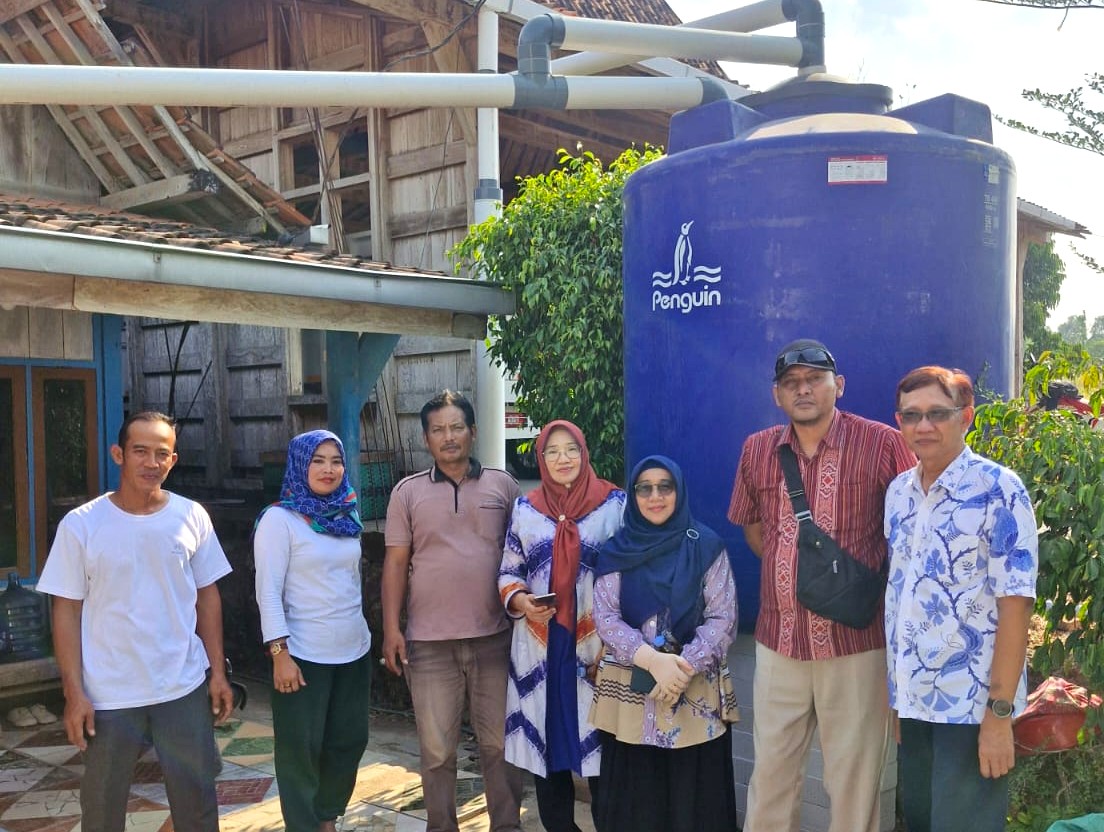
Universitas Negeri Semarang (UNNES) reaffirms its commitment to conservation and sustainable development by actively providing farmers and local food producers with access to agricultural knowledge, technologies, and skills. This initiative is formally governed by Circular Letter No. B/28473/UN37/RT.02/2024 on the Utilisation of Campus Facilities by Local Farmers for Sustainable Agriculture.
The policy represents a practical implementation of UNNES’s Tri Dharma Perguruan Tinggi—the three pillars of higher education comprising education, research, and community service, while strengthening partnerships between academia and local communities.
The circular authorises local farmers to utilise UNNES facilities, including land, laboratories, and research infrastructure, under the coordination of the Subdirectorate of Conservation. These facilities are intended to support collaborative research, field-based training, and the development of sustainable agricultural systems in partnership with students and researchers.
UNNES also emphasises good governance by establishing clear procedures: local farmers must submit formal proposals to the Rector detailing their planned activities, maintain cleanliness and order on campus, and ensure that their activities do not disrupt academic operations. In certain cases, access to these facilities may also be initiated through formal invitations from UNNES to local farming groups.
According to Prof. Heri Yanto, M.B.A., Ph.D., Vice Rector for Planning, General Affairs, Human Resources, and Finance, “This policy not only promotes sustainable agricultural research but also delivers direct benefits to the community. Collaboration with local farmers enables UNNES to integrate scientific knowledge with practical experience, thereby fostering an ecosystem of innovation and sustainability.” This initiative reflects UNNES’s alignment with the United Nations Sustainable Development Goals (SDGs), particularly SDG 2 (Zero Hunger), SDG 12 (Responsible Consumption and Production), and SDG 15 (Life on Land), which address food security, ecosystem health, and community well-being.
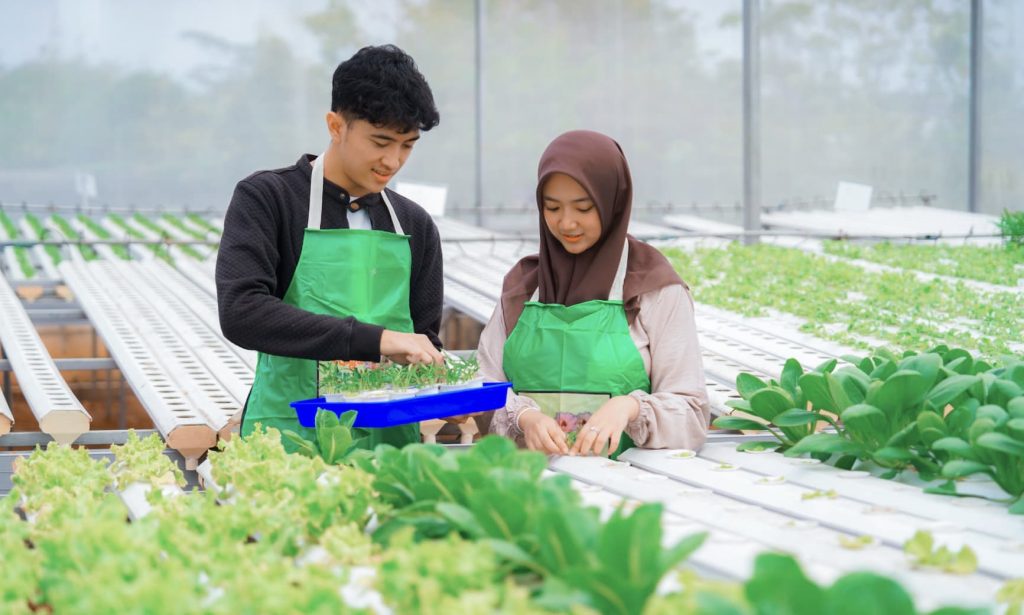
Beyond its institutional policies, UNNES extends its agricultural innovation efforts to rural communities through various student-led programmes. One practical example is the UNNES GIAT 16 Community Service Programme (Kuliah Kerja Nyata, or KKN) in Kranggan Village, Batang Regency. Through this programme, students designed a greenhouse incorporating a hydroponic system to increase local food production. With support from the local government, the initiative empowers 11 local farmers through free hydroponic cultivation training covering every stage of production, from seedling preparation to harvesting.