UNNES Measures Campus Waste Generation and Recycling Through Daily Monitoring
SEMARANG – Universitas Negeri Semarang (UNNES) systematically measures and monitors waste generated across its campus through daily collection, weighing, recording, and processing activities at its Integrated Waste Processing Facility (TPST). The system enables the university to track the amount of waste generated and recycled while evaluating the results of its waste management efforts.
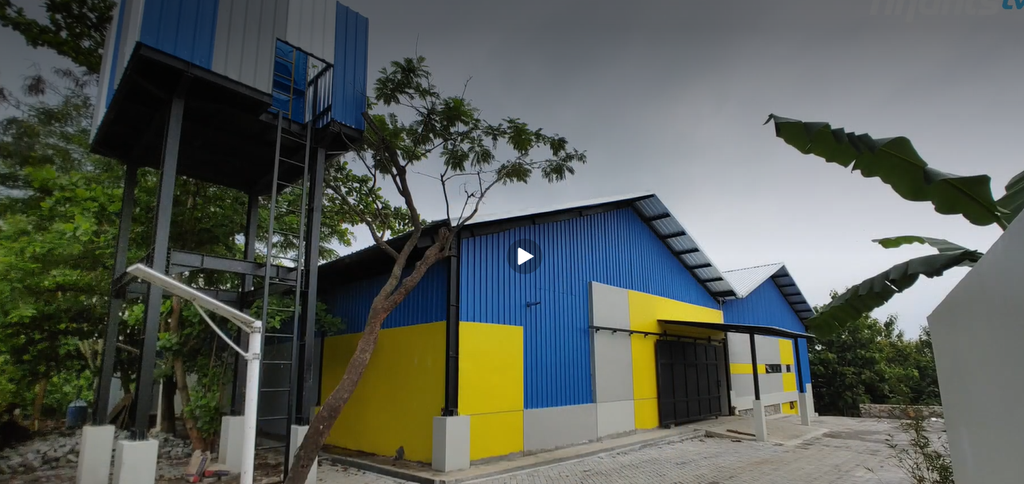
Every day, waste from campus buildings, including canteens, offices, and academic facilities, is collected by cleaning service teams and transported to the TPST for weighing, recording, sorting, and processing. The collected waste includes food scraps, foliage, plastic, paper, and wood. These daily monitoring activities provide quantitative data on waste generation and recycling across university operations.
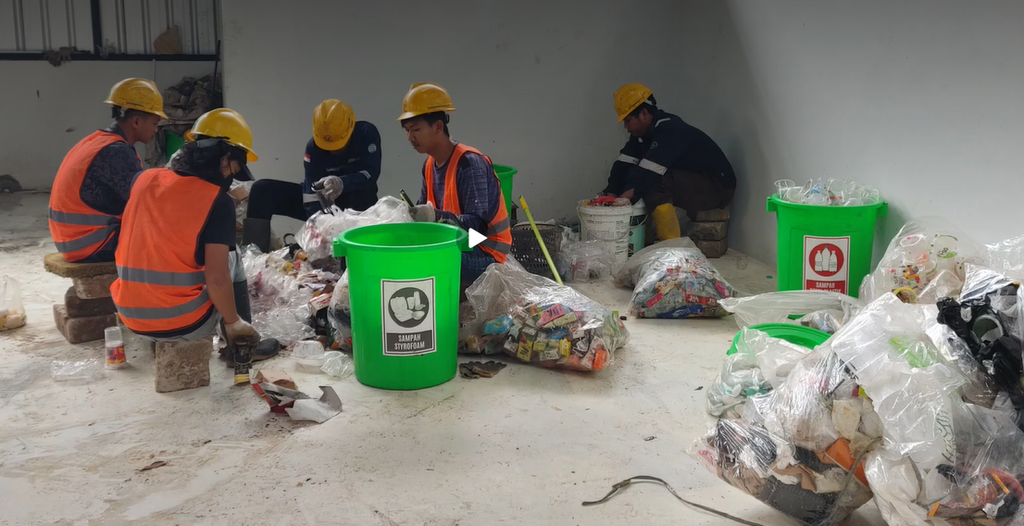
In 2025, the TPST recorded 36 tons of food scraps, which were processed into feed for maggot cultivation. Approximately 4,217 tons of foliage waste were processed, producing 4,211 tons of compost. Meanwhile, 28.62 tons of plastic were shredded into plastic pellets for use as raw materials in recycled plastic products. Paper waste was sent to PT Pura Nusantara Persada in Kudus for recycling into new paper products.
Waste generation and processing data are monitored by the UNNES Sub-Directorate for Conservation to support the evaluation of waste management performance. By recording the quantities collected and processed, the university can track recycling outputs and assess its progress toward reducing waste sent to final disposal sites.
Monitoring also extends to campus food services. According to UNNES publications, campus canteens undergo regular inspections by the Health and Food Safety Team to ensure compliance with hygiene, food safety, and sustainability standards. In addition, daily waste collection by cleaning service teams connects campus operations with the TPST’s measurement and processing system.
Through daily monitoring, quantitative recording, and waste processing, UNNES demonstrates an institutional approach to measuring waste generation and recycling across its campus. These practices support more accountable waste management and the university’s commitment to a zero-waste campus.