As part of its commitment as a conservation-minded institution, Universitas Negeri Semarang (UNNES) actively provides educational programs, technical workshops, and community outreach initiatives to promote clean energy and energy efficiency. Through faculty-led community service, student field programs, and strategic partnerships, the university translates sustainable energy research into practical solutions for local residents, schools, and small enterprises across Central Java.
Solar Technology Workshops and Local Industry Assistance
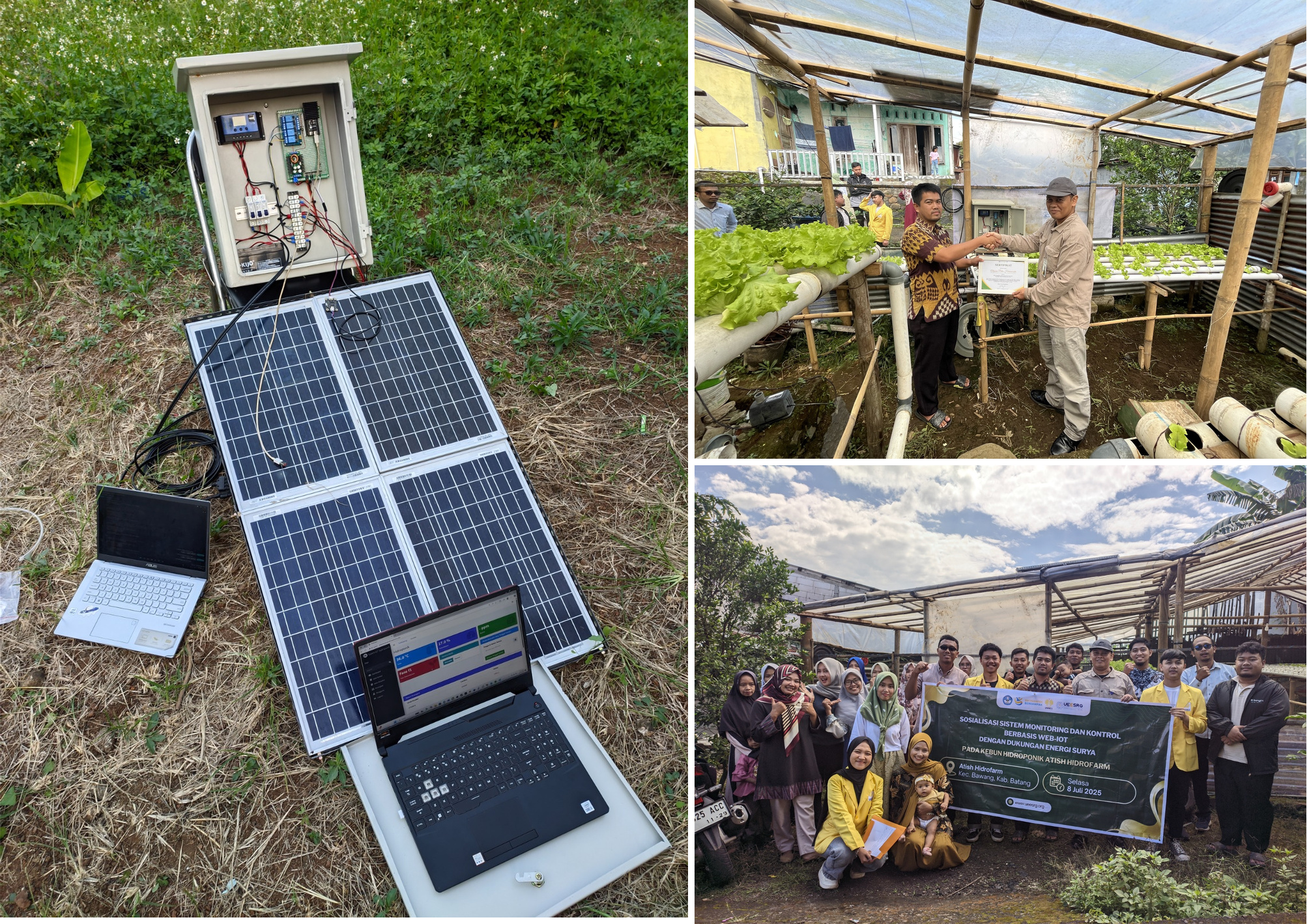
In Kadilangu, Pati, an UNNES community service team developed and installed 100 Wp solar photovoltaic systems equipped with IoT water monitoring to support local milkfish farmers facing unstable grid electricity. The installation was paired with field training to educate farmers on operating solar equipment, saving operational costs, and adopting sustainable energy practices. Similarly, UNNES engineering faculty conducted hands-on technical workshops on energy conversion machinery, installation, and maintenance of solar-powered street lighting (LPJTS) for residents in Kampung Bang Inggris, Semarang, as well as in the Sukorejo district.
Micro-Hydro Power and Biomass Innovations
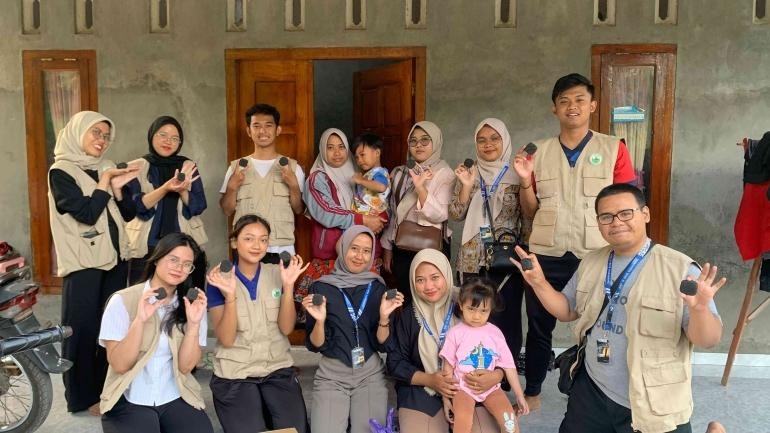
To support rural livelihoods and off-grid communities, UNNES partnered with PT Indonesia Power’s CSR program to construct a micro-hydro power plant (PLTMH) in Ngesrep Balong Village, Kendal. Located on the slopes of Mount Ungaran, the clean electricity generated by the plant powers coffee bean drying equipment for local farmers and energizes community coffee shops, with additional micro-hydro models deployed in Kwadungan, Wonosobo to support home food manufacturing industries. Furthermore, during the GIAT 12 community outreach program in Sidokumpul, Kendal, UNNES student teams trained villagers to convert abundant corncob agricultural waste into eco-friendly fuel briquettes, providing an affordable alternative to fossil fuels.
Youth Literacy and Public Advocacy Forums
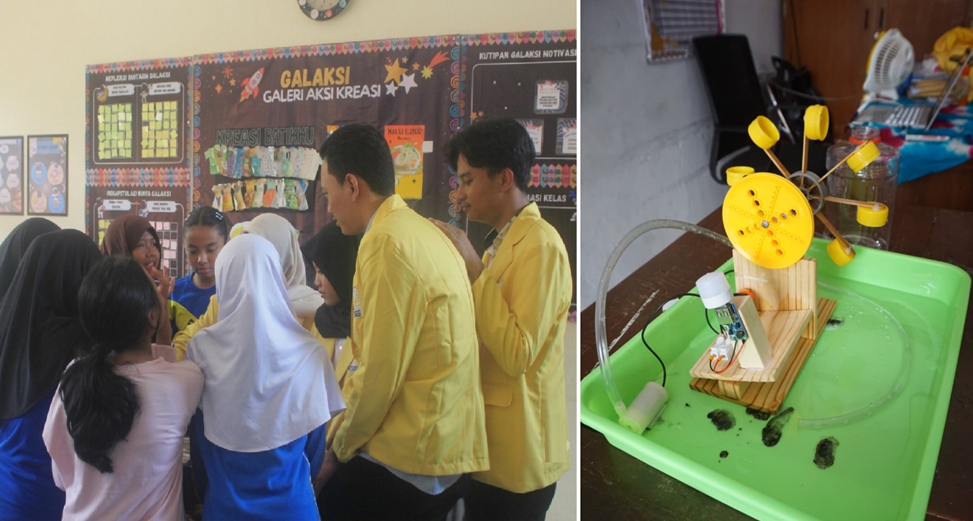
UNNES also builds clean energy awareness among youth through the Environmental Physics for Sustainable Development (EPISODE) program at SDN 1 Sekaran, where physics education students used interactive mini water turbines, solar cookers, and circular economy tools to teach elementary students about energy efficiency and renewable energy.
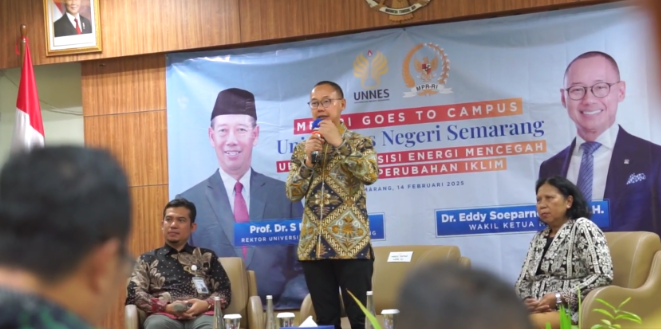
On a broader scale, UNNES co-hosted the national “Empower Roadshow” seminar with PLN Indonesia Power to discuss sustainable energy transitions, hosted the “MPR Goes to Campus” forum on climate and energy policy, and leads the annual UNNES Green School Ranking (UGSR) competition to build sustainability literacy across junior and senior high schools nationwide.