Universitas Negeri Semarang (UNNES) contributed to government policymaking and development programmes supporting poverty reduction in 2025 through formal advisory participation, regional investment planning, legislative planning assistance, and community data collection.
These contributions connect academic expertise with government decisions and programme implementation. They address several dimensions relevant to poverty, including employment opportunities, housing conditions, nutrition, and vulnerability to disasters.
Formal Policy Advisory Participation in Kendal (Local)
Under Kendal Regent Decree No. 100.3.3.2/92/2025, dated 17 March 2025, Prof. Dr. R. Benny Riyanto, S.H., M.Hum., CN, was appointed to the advisory board of Kendal’s Regional Development Acceleration Team (Tim Percepatan Pembangunan Daerah or TP2D).
The advisory board is tasked with providing policy advice and considerations to the team’s executive board. The team’s responsibilities include analysing strategic programmes, providing recommendations for the preparation and implementation of regent policies, and coordinating priority development programmes. Its executive leadership also has an explicit responsibility to consolidate poverty-alleviation programmes.
This appointment provides a formal channel for a UNNES academic to contribute expertise to local development policy and a team whose remit includes poverty reduction.
Supporting Provincial (Regional) Investment Planning and Employment Opportunities
At provincial level, UNNES participated in preparing Central Java’s General Investment Plan (Rencana Umum Penanaman Modal or RUPM). Government records identify Dr. Avi Budi Setiawan, S.E., M.Si., as part of the UNNES support team at the consultation held on 20 June 2025.
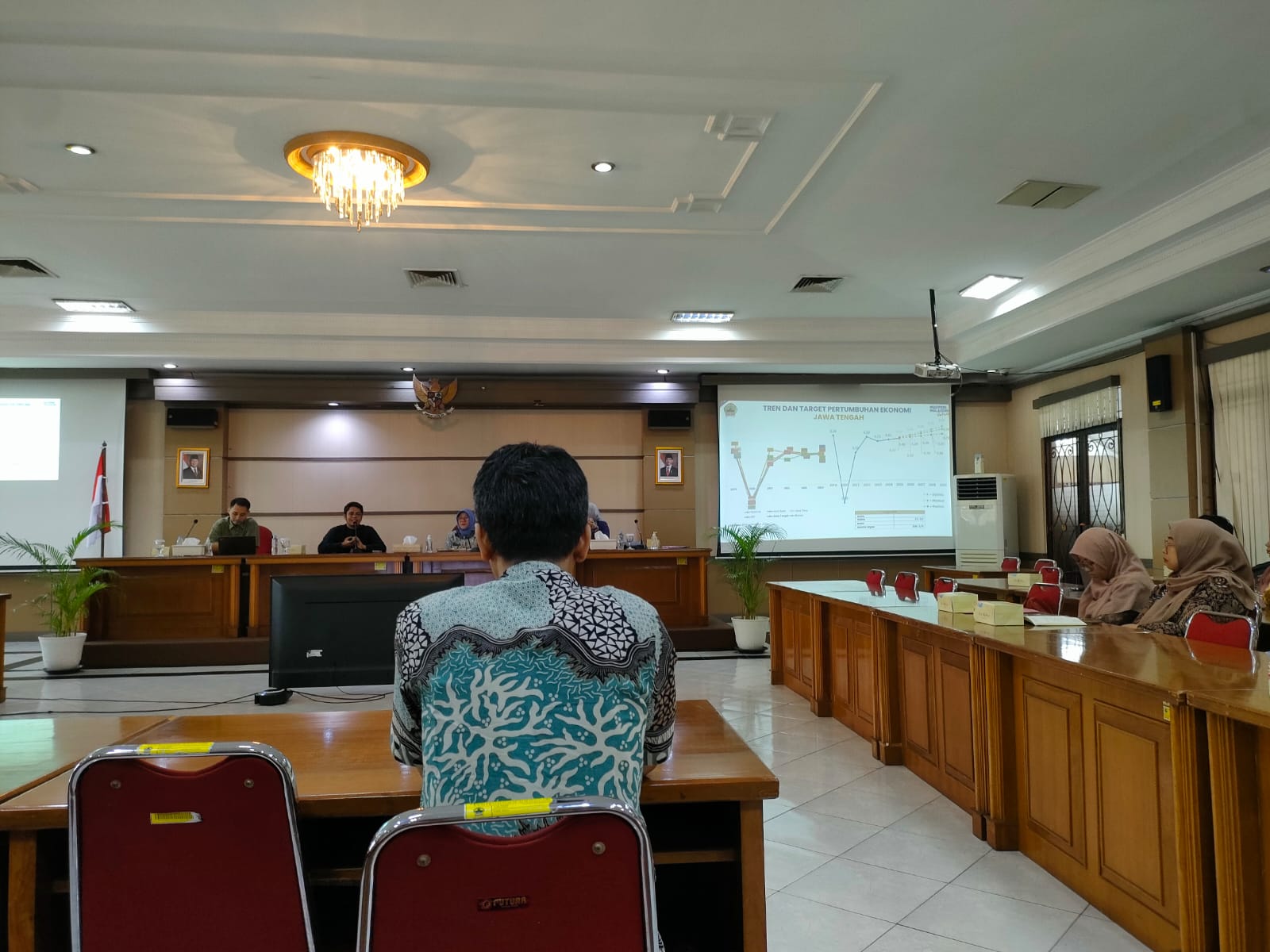
At a follow-up discussion on 26 August 2025, Avi presented material on the draft plan. Topics included alignment with Central Java’s long-term development plan, investment requirements for 2025–2045, sector priorities informed by employment absorption, and strategies to distribute investment more widely beyond its concentration along the northern coast.
These discussions demonstrate direct academic participation in preparing a government planning document. Their relevance to poverty reduction lies in the consideration of employment and the geographic distribution of economic opportunities.
Technical Assistance for Legislative Planning in Brebes
UNNES also served as a technical partner in preparing the five-year work plan of the Brebes Regency Regional House of Representatives (DPRD).
During the DPRD’s deliberative body meeting on 13 October 2025, the UNNES team presented its work on the planning document. This engagement demonstrates the university’s contribution to local legislative planning, complementing its more directly poverty-related advisory and programme activities.
National-Level Partnership with BPIP to Support Poverty Reduction
At the national level, UNNES continued its partnership with Indonesia’s Pancasila Ideology Development Agency (BPIP) through UNNES GIAT 12 in 2025. This cooperation builds on BPIP’s earlier support for the university’s Kampung Pancasila thematic community-service model, which explicitly connects the practical application of Pancasila values with improving community welfare and reducing poverty.
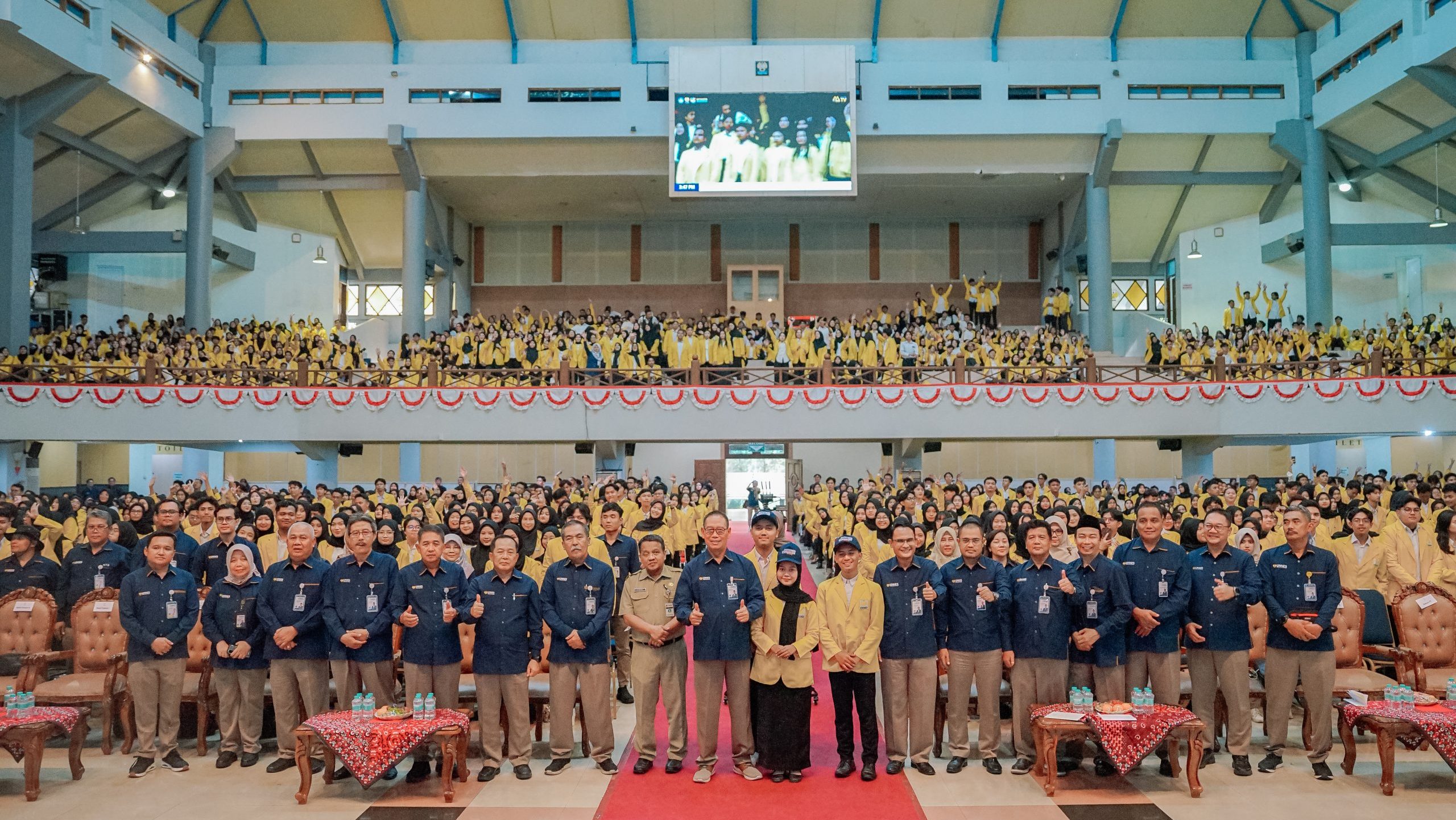
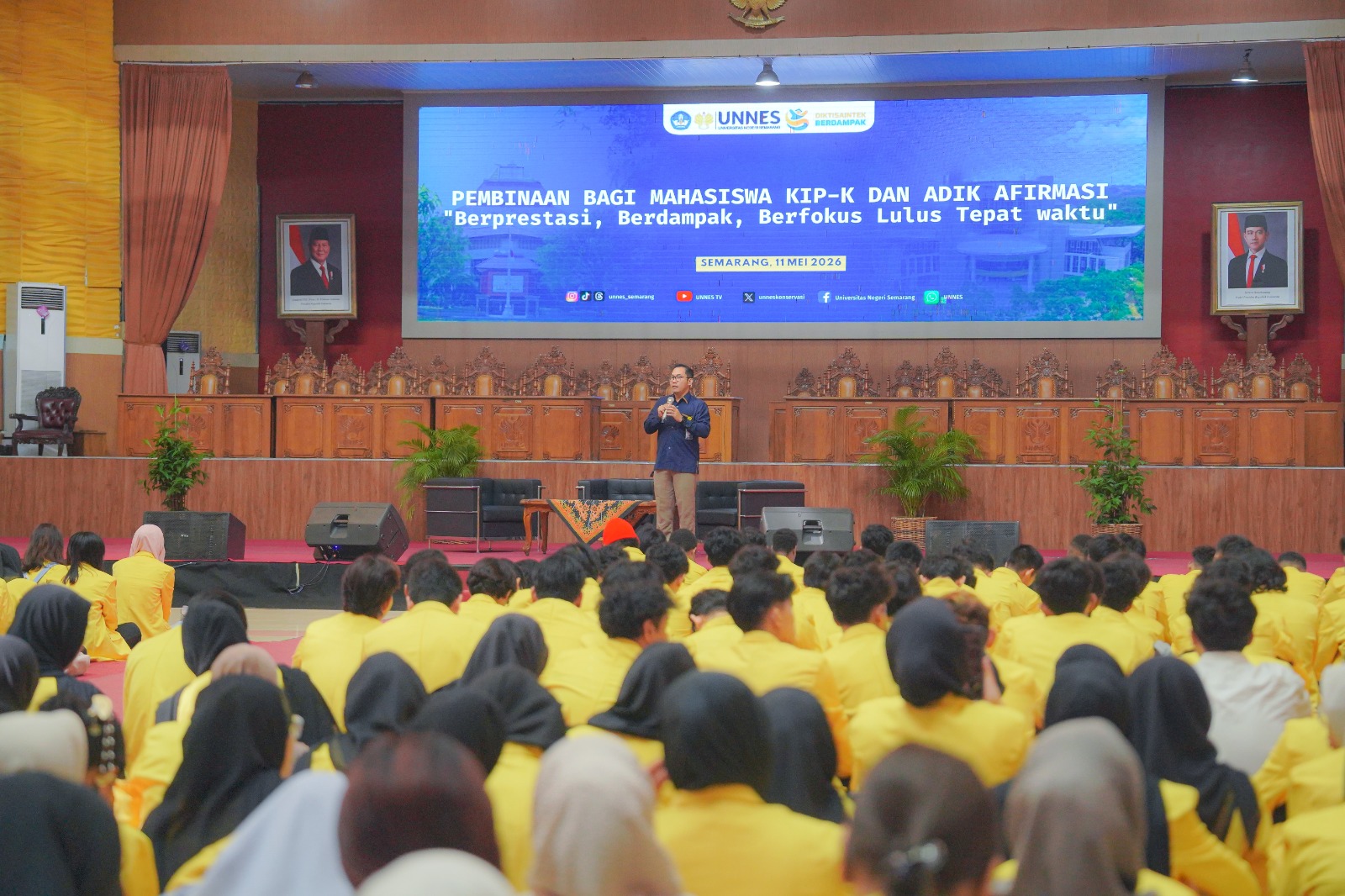
In 2025, BPIP was listed among the programme’s strategic partners. UNNES deployed 4,353 students, supported by 188 academic supervisors, across 355 villages in 14 regencies and cities in Central Java. Programme priorities included stunting prevention and management, verification of substandard housing data, and village disaster resilience.
The partnership demonstrates UNNES’s collaboration with a national government agency in implementing programmes addressing several dimensions of poverty. Community engagement and housing-data verification complement the university’s local and provincial policy advisory contributions by connecting government programmes with village-level needs.
Internationally Collaboration Supports Poverty-Alleviation Policy Development
UNNES’s policy-related contributions are also supported by internationally published research on Islamic social financing. The 2025 article “Initiation of Social Financing for Poverty Alleviation Through Cash Waqf Linked Qurban (CWLQ) in Indonesia,” published in the Journal of Islamic Economic Laws, examines the potential of waqf-based financing to support poverty reduction.
Using panel data from 34 Indonesian provinces for 2019–2023, the study analyses poverty in relation to sacrificial production, previous-period poverty, economic growth, the Human Development Index, and income inequality. It explores CWLQ as a financing approach relevant to economic welfare and unequal access to meat consumption.
The research offers a reference for policymakers and social and financial institutions developing waqf-based policies and sustainable CWLQ management strategies. Its international publication provides a channel for sharing evidence from Indonesia with a wider academic and policy audience, complementing UNNES’s government partnerships and contributions to poverty-reduction planning.
The Faculty of Law at UNNES collaborated with Wuhan University in China on comparative research into child labour and its legal and social implications in Indonesia and China. The research involved data collection in both countries and discussions comparing approaches to preventing child exploitation. Its findings are intended to inform government efforts to address vulnerabilities that can deepen poverty and limit children’s opportunities.
UNNES collaborate with Saint Francis of Assisi Institute of Pastoral and Catechetical Studies to examined how religious moderation in social studies education can strengthen disaster resilience and community-based economic development in vulnerable communities. Its recommendations—including support for community enterprises and stronger local disaster policies—offer locally grounded approaches that other regions may adapt to reduce poverty risks linked to disasters and livelihood disruption