
UNNES Applies Building Standards to Minimise Water Use

Universitas Negeri Semarang > Sustainable Development Goals Universitas Negeri Semarang > News > News > UNNES Applies Building Standards to Minimise Water Use

Universitas Negeri Semarang (UNNES) applies water-efficient building standards and installs water-saving fixtures to minimise water use across campus facilities. Through its H-BAT assessment programme and reference to SNI 8153 on Plumbing Systems in Buildings, the university incorporates water conservation into building management, new construction, and the gradual upgrading of existing facilities.

Applying Technical Standards through H-BAT
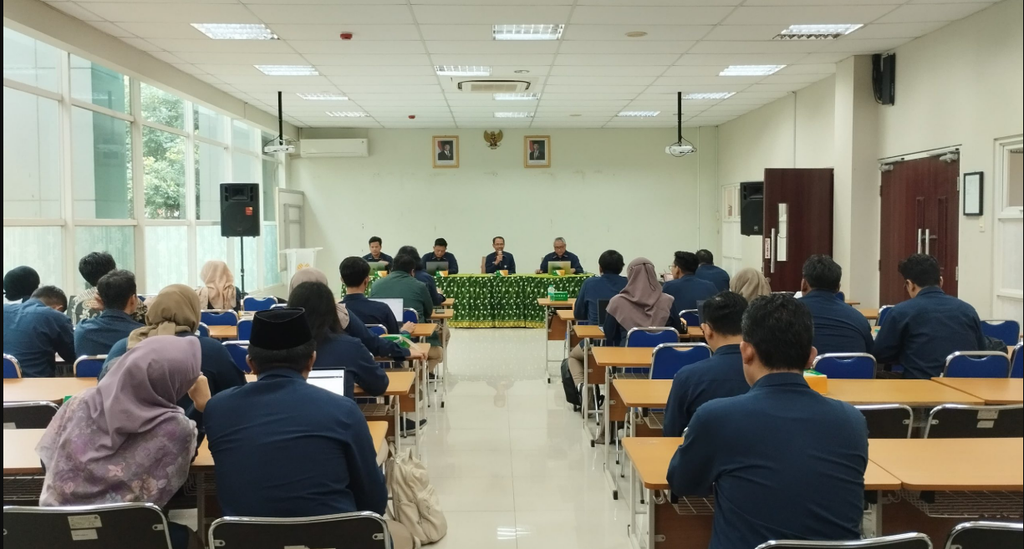
UNNES assesses water-saving fixtures through its H-BAT programme—Hijau, Bersih, dan Sehat (Green, Clean, and Healthy Campus). The programme evaluates environmental performance across faculty and university buildings, including water conservation, energy efficiency, waste management, and environmental health.

On 28 July 2025, UNNES’s Subdirectorate of Conservation held a briefing to guide faculties and units in completing H-BAT assessments. Participants received explanations of assessment parameters and practical guidance on recording evidence, supporting consistent documentation of campus sustainability practices.

The technical reference identified for building plumbing is SNI 8153, “Sistem Plambing pada Bangunan Gedung” (Plumbing Systems in Buildings). This provides the plumbing standards context for the university’s implementation of water-efficient infrastructure, alongside the H-BAT Technical Standards Guideline.

Recording 1,251 Water-Efficient Fixtures in 2025
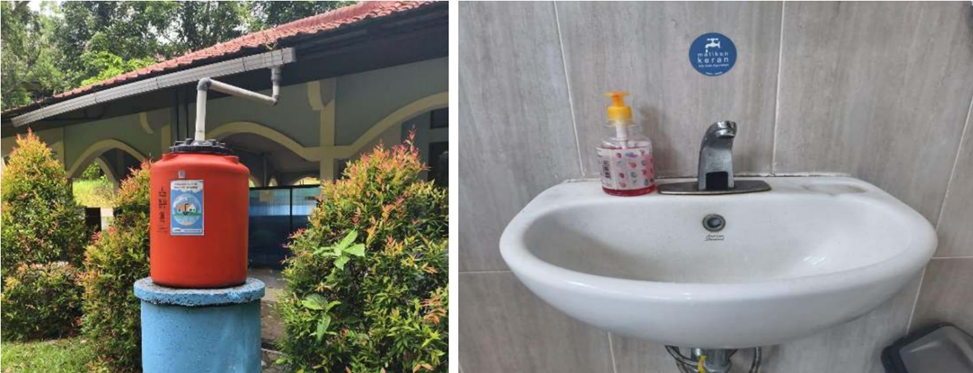
According to the university’s 2025 H-BAT assessment data, 1,251 of the 2,050 water fixtures assessed were classified as water-efficient, representing 61.03% of the total.

These installations include sensor-operated taps, which automatically control water flow, and dual-flush toilets, which allow users to select an appropriate flushing volume. Their use helps limit unnecessary water consumption during everyday campus activities.

The assessment measures the proportion of fixtures classified as water-efficient. It provides a basis for identifying further replacement needs and tracking the adoption of water-saving equipment across university facilities.

Incorporating Water Efficiency into New and Existing Buildings

Nearly all newly constructed campus buildings incorporate water-efficient fixtures as part of their infrastructure. This approach integrates water conservation into building provision from the outset.

For existing buildings, UNNES progressively replaces conventional fixtures with more efficient alternatives, taking account of asset condition and replacement requirements. These upgrades extend water-saving practices to older facilities while supporting the university’s ongoing infrastructure management.

A faculty-level example is documented in FMIPA’s report of 6 November 2025, which describes automatic taps in selected toilet facilities. These taps stop water flow automatically after use, helping prevent unnecessary water wastage.

Using Assessments to Guide Further Improvements

By combining technical references, fixture assessments, and phased infrastructure upgrades, UNNES translates water conservation into practical building management. The H-BAT inventory enables the university to monitor implementation and identify facilities where additional improvements are needed.

These measures support SDG 6: Clean Water and Sanitation by incorporating water efficiency into the design, operation, and maintenance of campus buildings.

Related Posts

Leave a Reply

* Kode Akses Komentar:

* Tuliskan kode akses komentar diatas:

GDPR

  • Privacy Policy

Privacy Policy

At unnes.ac.id, the privacy of our visitors is of extreme importance to us. This privacy policy document outlines the types of personal information that is received and collected by unnes.ac.id and how it is used.

Log Files

Like many other Web sites, unnes.ac.id makes use of log files. The information inside the log files includes internet protocol (IP) addresses, type of browser, Internet Service Provider (ISP), date/time stamp, referring/exit pages, and number of clicks to analyze trends, administer the site, track user’s movement around the site, and gather demographic information. IP addresses and other such information are not linked to any information that is personally identifiable.

Cookies

unnes.ac.id uses cookies to store information about visitors’ preferences, to record user-specific information on which pages the site visitor accesses or visits, and to personalize or customize our web page content based upon visitors’ browser type or other information that the visitor sends via their browser.

Third-party ad servers or ad networks use technology in their respective advertisements and links that appear on unnes.ac.id and which are sent directly to your browser. They automatically receive your IP address when this occurs. Other technologies (such as cookies, JavaScript, or Web Beacons) may also be used by our site’s third-party ad networks to measure the effectiveness of their advertising campaigns and/or to personalize the advertising content that you see on the site.

unnes.ac.id has no access to or control over these cookies that are used by third-party advertisers.

You should consult the respective privacy policies of these third-party ad servers for more detailed information on their practices as well as for instructions about how to opt-out of certain practices. unnes.ac.id’s privacy policy does not apply to, and we cannot control the activities of, such other advertisers or web sites.

If you wish to disable cookies, you may do so through your individual browser options. More detailed information about cookie management with specific web browsers can be found at the browsers’ respective websites.

Consent

By using our website, you hereby consent to our privacy policy and agree to its terms.

Update

This Privacy Policy was last updated on: 2023-02-14. Should we update, amend or make any changes to our privacy policy, those changes will be posted here.

Contact Us

If you have any questions, comments, or concerns about our Privacy Policy or our practices with regards to your personal information, please feel free to contact us through the contact form on our website or by emailing us at humas[at]mail.unnes.ac.id.

This Privacy Policy is intended as a general guide to our practices in collecting and using information. If there is any inconsistency between this Privacy Policy and the terms of the Service Agreement or any other terms that may apply to specific services you use, then those specific service terms shall apply.

Terms of Use

By using our website, you agree to abide by this Privacy Policy. If you do not agree with this Privacy Policy, please do not use our website. We reserve the right to update this Privacy Policy from time to time without prior notice. Please review our Privacy Policy periodically to check for changes. Your continued use of our website following the posting of changes to this Privacy Policy means that you accept the changes.

Thank you for reading our Privacy Policy. We are committed to protecting the privacy of our website visitors and will continue to update our Privacy Policy to ensure optimal protection.