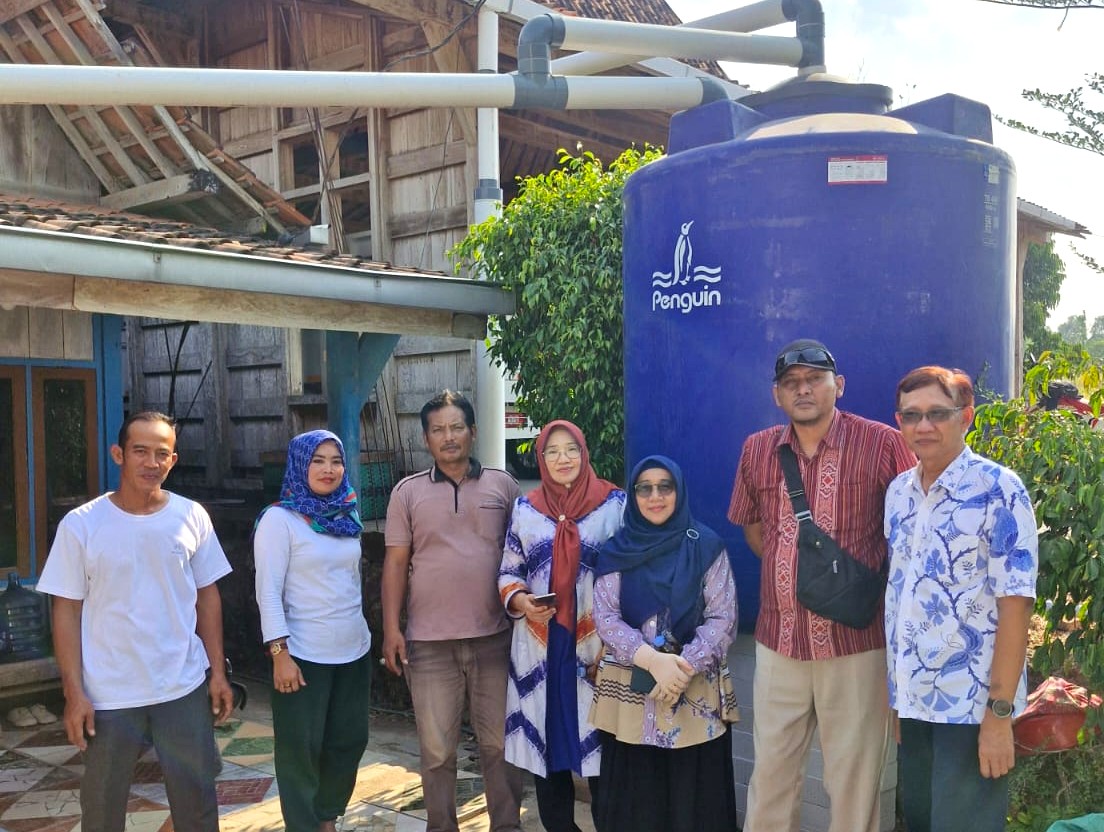
Universitas Negeri Semarang (UNNES) contributes to strengthening public institutional capacity by providing professional training, academic expertise, and policy-oriented collaboration with government institutions. Through its Institute for Learning and Professional Development (LPPP), Faculty of Law (FH), and Institute for Research and Community Service (LPPM), UNNES connects academic knowledge with the professional development needs of public institutions and regional governments.
In 2025, these contributions were reflected in professional education programmes for Indonesian National Police Academy (AKPOL) lecturers and educational staff, as well as policy research and cooperation initiatives with the Batang and Kendal Regency Governments. These activities demonstrate UNNES’s contribution to developing professional competencies and supporting evidence-based public governance, in line with Sustainable Development Goal 16.
Strengthening Professional Education Competencies through PEKERTI Training at AKPOL
In April 2025, UNNES, through LPPP, collaborated with the Indonesian National Police Academy (AKPOL) to conduct the Basic Instructional Skills Development Training (PEKERTI) for 25 AKPOL lecturers. The five-day programme took place from April 21 to 25, 2025, at the AKPOL campus in Semarang.
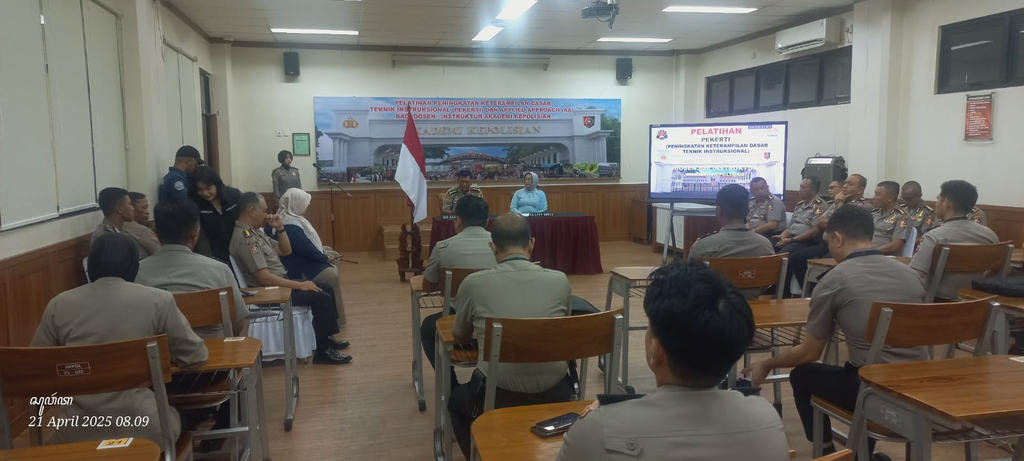
The training focused on strengthening participants’ pedagogical and andragogical competencies, particularly in adult learning approaches, instructional design, learning theories and motivation, innovative teaching models, team-based learning, case studies, and peer teaching and real teaching practices.
The participants came from different academic disciplines within AKPOL and included police personnel serving as lecturers and instructors. The programme was designed to improve their capacity to deliver professional education and develop the instructional competencies required in a public security education institution.
Through this collaboration, UNNES provided specialized educational expertise to support the professional development of AKPOL’s teaching personnel, contributing to the quality of education and institutional capacity within Indonesia’s police education system.
Advancing Teaching and Professional Competencies through Applied Approach Training
UNNES continued its collaboration with AKPOL through the Applied Approach (AA) Training Programme, conducted online from August 5 to 8, 2025. The programme was attended by 25 participants consisting of AKPOL lecturers and educational staff.
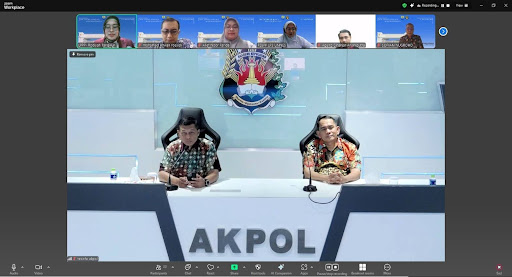
The training focused on strengthening pedagogical competencies, professionalism, social skills, and personal development. Participants engaged in activities involving course reconstruction, development of teaching materials, improvement of instructional strategies, and alternative learning assessment methods.
Delivered through Zoom and supported by a Learning Management System (LMS), the programme combined interactive online discussions with independent learning activities. This approach enabled participants to exchange teaching experiences and develop practical solutions for improving educational delivery within AKPOL.
Together with the PEKERTI programme, the Applied Approach training demonstrates UNNES’s continuing contribution to the professional development of educators serving in a national public institution. Although these programmes primarily address pedagogical and instructional competencies rather than policymaking skills, they support institutional capacity by improving the quality of professional education for personnel involved in police training.
Supporting Regional Policy Development through Legal Research Collaboration
Beyond professional training, UNNES also contributes academic expertise to regional governments through policy-oriented research and institutional cooperation.
On July 12, 2025, the Faculty of Law (FH UNNES) initiated a collaboration with the Batang Regency Government, involving Regent M. Faiz Kurniawan, S.H., M.H., and the Regional Secretary. The discussion explored cooperation in legal research, evidence-based policy formulation, legal assistance, and capacity-building for local government personnel.
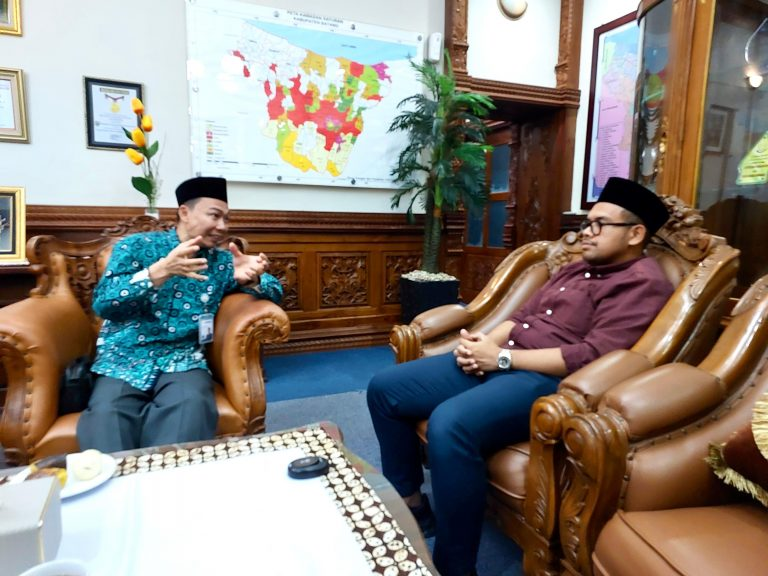
The initiative was intended to connect academic legal expertise with the practical needs of regional administration, particularly in developing regulations, improving legal governance, and strengthening the professional competencies of local government officials.
A similar initiative was undertaken on July 25, 2025, when FH UNNES and the Institute for Research and Community Service (LPPM) engaged with the Kendal Regency Government to explore collaboration in legal policy research, regional regulatory development, and community empowerment.
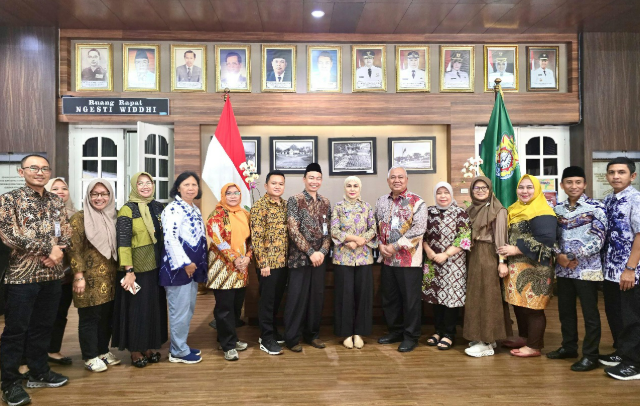
These engagements demonstrate UNNES’s role as an academic partner in identifying regional policy needs and developing opportunities for research-based recommendations and professional support for government institutions. The discussions also established a basis for further cooperation through formal institutional agreements.
Although the July 2025 meetings primarily documented partnership initiation and consultation rather than completed government training programmes, they demonstrate UNNES’s commitment to extending academic expertise to regional policymaking and exploring opportunities to strengthen the capacity of public officials.
Contributing to Stronger Public Institutions through Academic Expertise and Professional Cooperation
Through its professional training programmes and policy-oriented collaboration, UNNES contributes to institutional capacity-building across different public-sector contexts.
The PEKERTI and Applied Approach programmes provide structured professional development for AKPOL lecturers and educational staff, strengthening their pedagogical knowledge, instructional methods, and capacity to educate future police personnel. Meanwhile, the initiatives with the Batang and Kendal Regency Governments demonstrate the university’s role in connecting legal research and academic expertise with regional policy needs.
Together, these initiatives illustrate how UNNES supports public institutional development through professional education, academic cooperation, and the application of research-based knowledge. By extending its expertise to government institutions and public-sector educators, UNNES contributes to more capable institutions, improved professional standards, and evidence-informed governance.
These contributions support SDG 16: Peace, Justice, and Strong Institutions, particularly through strengthening institutional capacity, supporting effective public administration, and promoting cooperation between universities and government institutions.