The Bachelor of Natural Sciences (BSE) at Faculty of Mathematics and Natural Sciences (FMIPA), Universitas Negeri Semarang (UNNES) demonstrate its commitment to expanding collaborative networks and making a tangible impact on society. From 2023 to 2025, various cross-sectoral collaboration programs, from the national to international levels as well as environmental conservation actions have been successfully carried out.
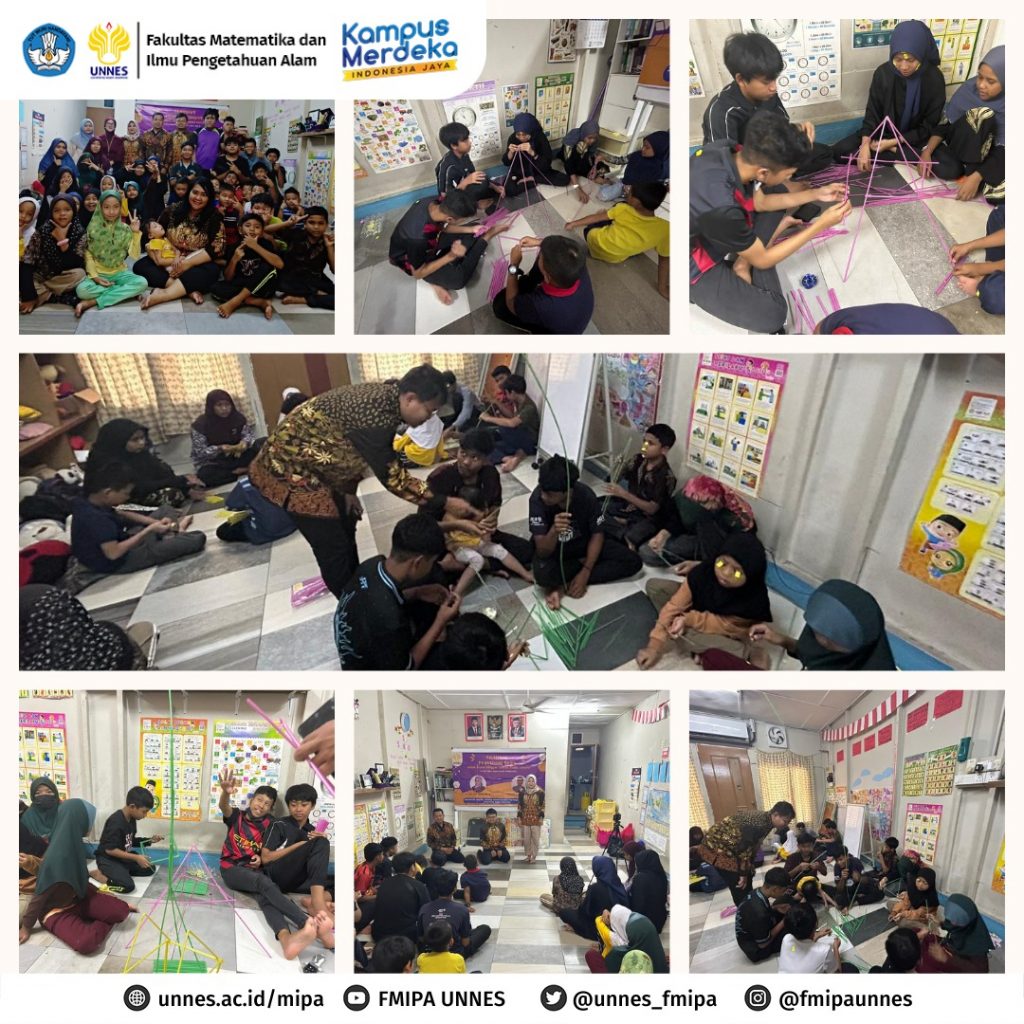
Figure 1. Community Service at Sanggar Sentul
The global footprint of BSE was in July 2023. A team of BSE lecturers departed for Malaysia to carry out Community Service by providing interactive science experiment training to the children of Indonesian migrant workers at Sanggar Sentul.
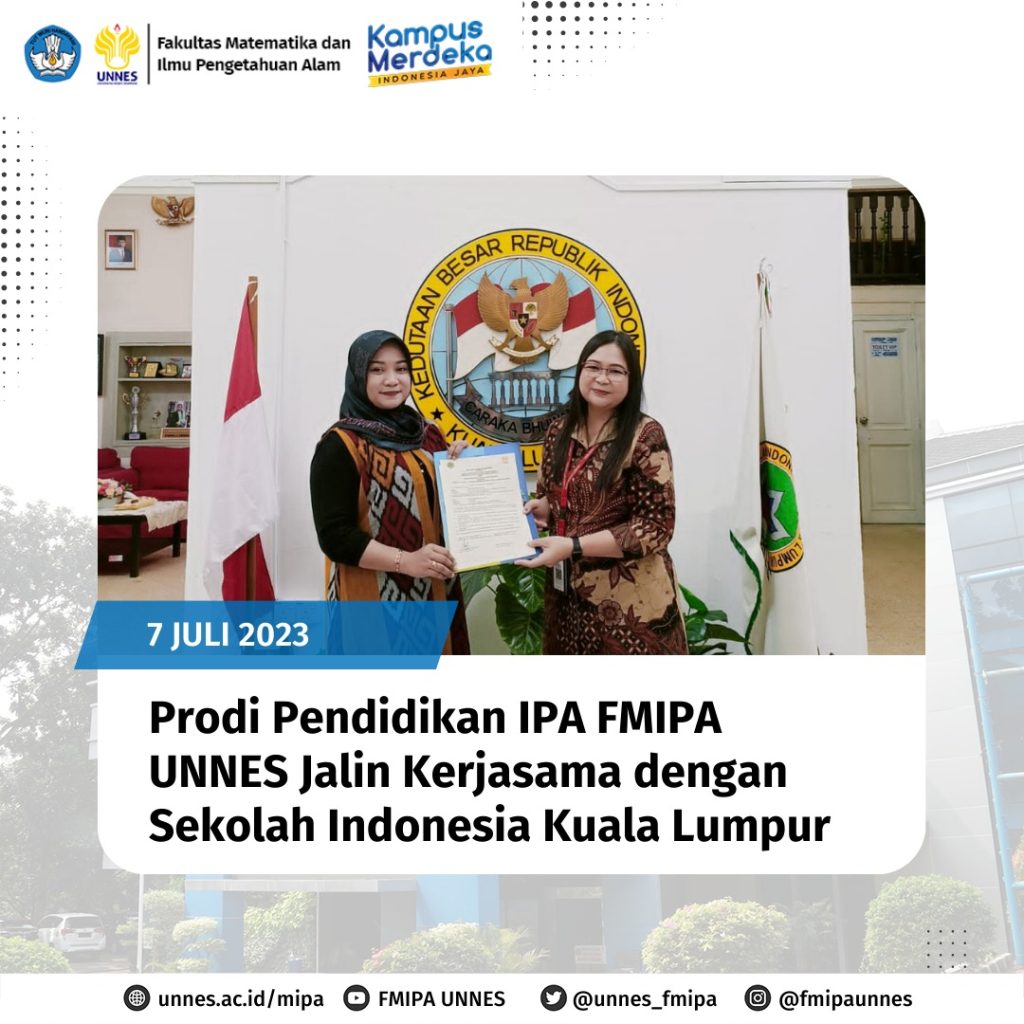
Figure 2. Collaboration Activities with Indonesian School in Kuala Lumpur (SIKL).
Simultaneously, the BSE officially established a partnership through the signing of an Implementing Arrangement (IA) with the Indonesian School in Kuala Lumpur (SIKL). This partnership opens significant opportunities for UNNES students to conduct International Community Service Programs (KKN) in Malaysia. To implement this collaboration, a team of UNNES experts provided training on “STEM-Based Science Learning Innovations (Science, Technology, Engineering, and Mathematics)” to elementary, middle, and high school teachers at SIKL to enhance the quality of 21st-century science teaching.
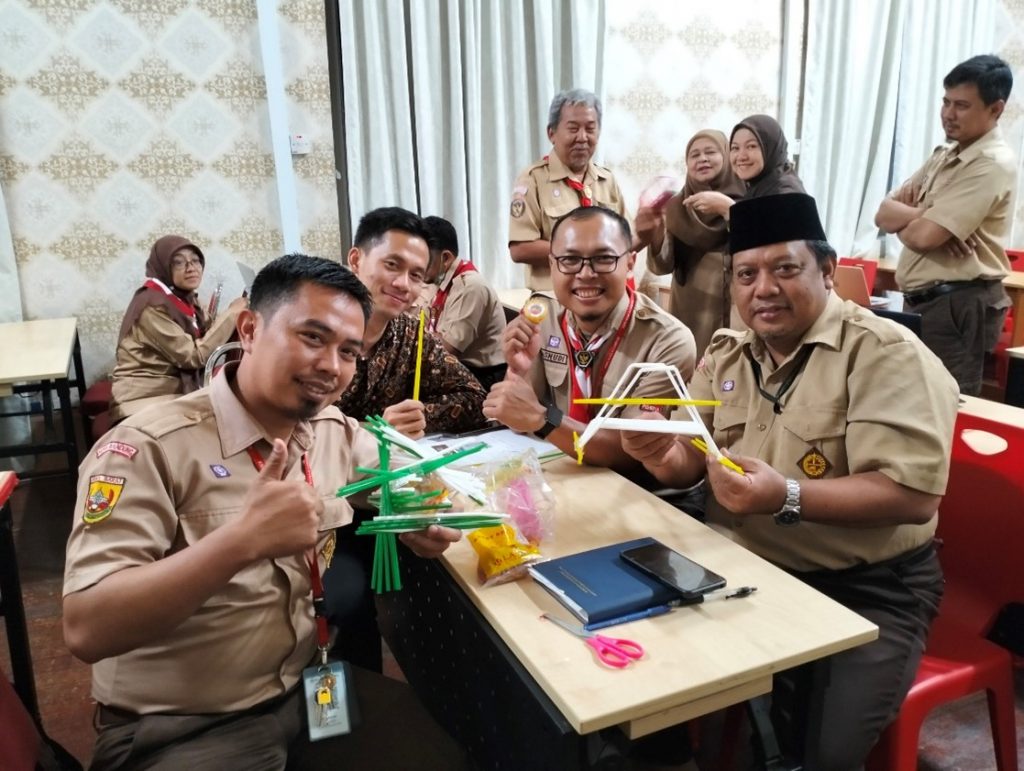
Figure 3. Collaboration with SIKL to Implementing STEM-Based Science Learning Innovations
In December 2024, BSE lecturers had the opportunity to deliver a guest lecture at the University of Miyazaki, Japan. The theme of the lecture was ICT in Science Education to share the valuable insights on how information and communication technology plays a crucial role in science education.
Figure 4. Collaboration Activities with University of Miyazaki, Japan
BSE lecturer had also the opportunity to teach undergraduate students at the Faculty of Agro-Industry, Prince of Songkla University (PSU), Thailand. This online teaching session was conducted together with co-lecturer Asst. Prof. Dr. Technol. Apichat Upaichit, focusing on the topic “DNA Sequence Analysis, Homology Search, and Phylogenetic Tree Construction of Lactic Acid Bacteria species.” This activity is part of the ongoing collaboration between AGRO-PSU Thailand and FMIPA-UNNES, which has been established since 2024. May this partnership continue to strengthen ties between the universities and provide significant support for FMIPA UNNES in achieving global excellence.
Figure 5. Collaboration Activities with Prince of Songkla University, Thailand
At the national level, a solid academic collaboration was demonstrated through a synergy between FMIPA UNNES and FMIPA Universitas Negeri Padang (UNP). The two institutions successfully hosted an innovative dissemination webinar titled “Ethno-Vlog as a Science Learning Media in the Millennial Era,” which encouraged the integration of local wisdom (ethnoscience) as an interactive learning medium.
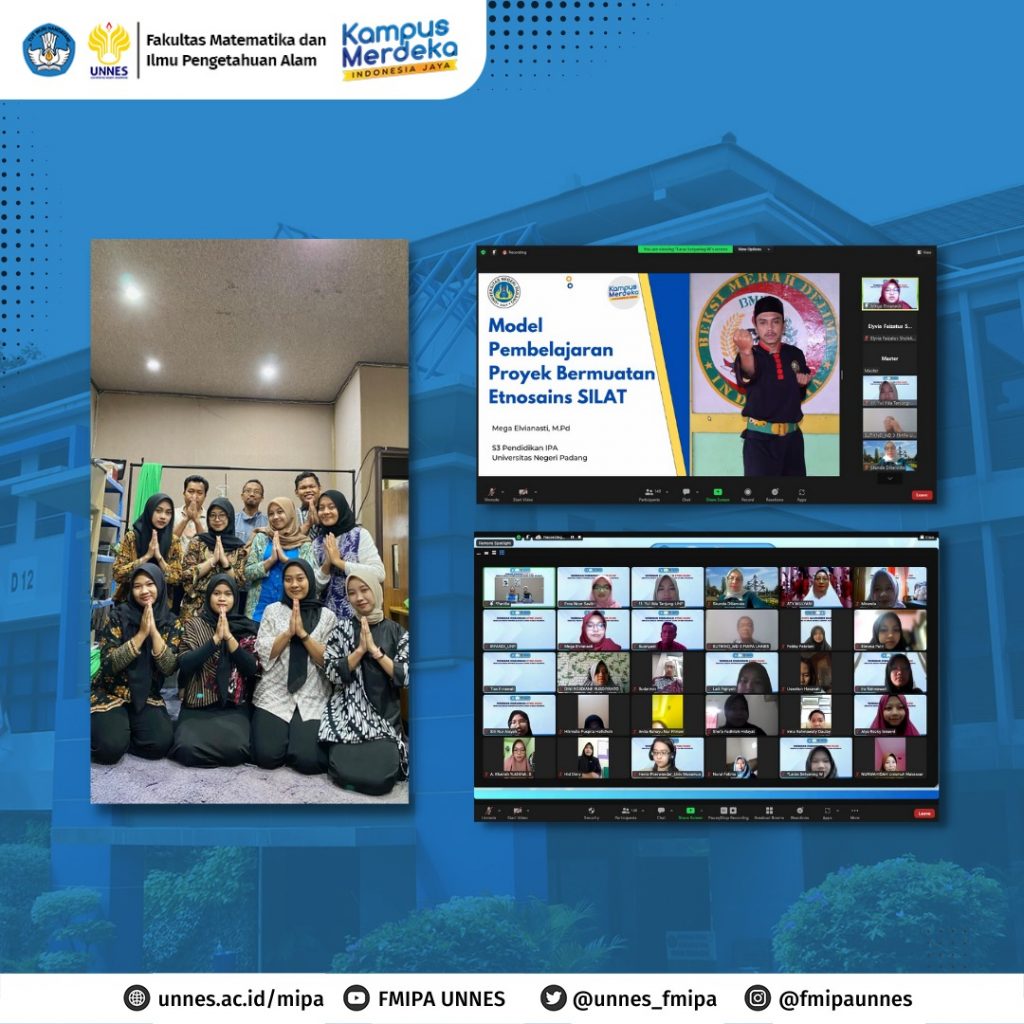
Figure 6. Collaboration with FMIPA UNP Webinar Ethno-Vlog
Steps to expand students’ global perspectives were also realized through international student exchange programs. UNNES hosted a female student from Julius-Maximilians-Universität Würzburg, Germany, to exchange academic experiences and culture. In addition, several FMIPA UNNES students, including those from the Natural Sciences Education program, were sent to participate in a 19-day international program in Malaysia. In collaboration with Universiti Teknologi Malaysia (UTM) and Universiti Pendidikan Sultan Idris (UPSI), this activity aimed to improve academic competence, broaden global horizons, and sharpen the cross-cultural communication skills of FMIPA UNNES students.
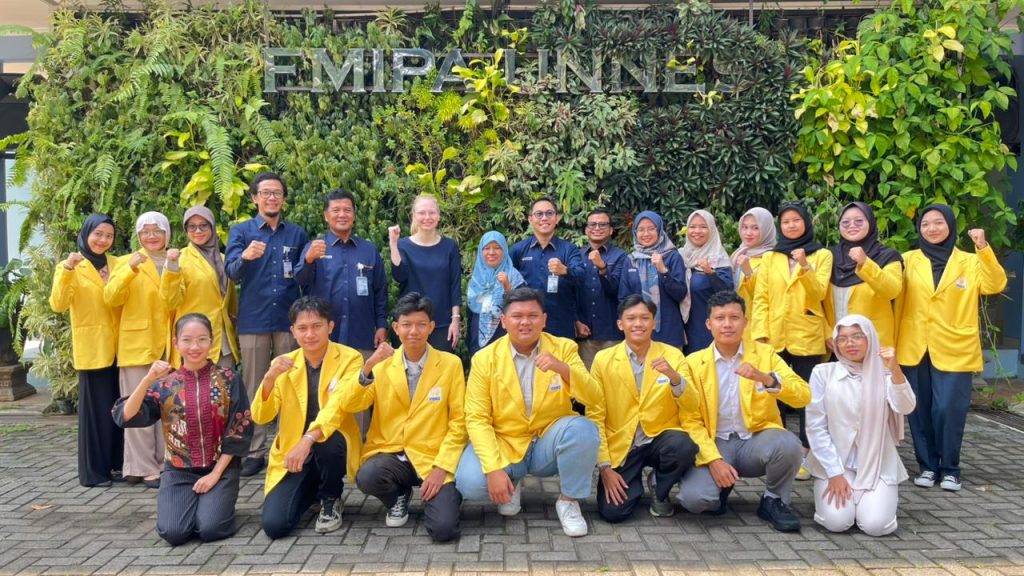
Figure 7. Student Mobility to UTM and UPSI
The university’s spirit as a Conservation Campus is kept alive by Natural Sciences Education students through various real actions. In June 2023, the UNNES Integrated Science Student Association (HIMA) went directly to Nyatnyono Village, Semarang Regency, to educate local residents on waste management and mitigating clove plant diseases.
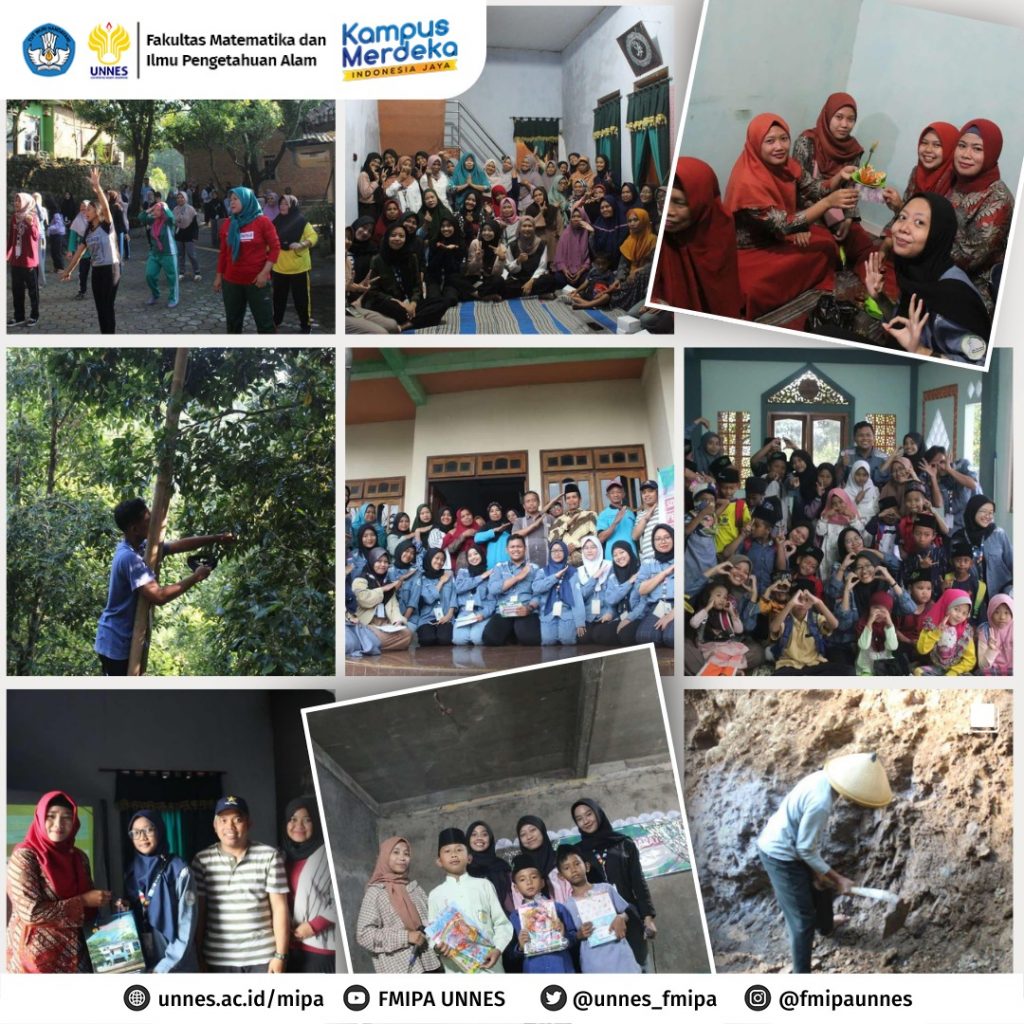
Figure 8. Integrated Science Student Association (HIMA) at Nyatnyono Village to educate local residents on waste management and mitigating clove plant diseases
This environmentally conscious initiative was reinforced in mid-2025. Natural Sciences Education students, together with Environmental Science students, conducted an educational visit to the UNNES Integrated Waste Management Site (TPST) in June 2025 to learn firsthand about zero waste practices, compost processing, and the circular economy. The culmination occurred in July 2025, when Natural Sciences Education students collaborated with Environmental Science students, peers from various partner universities, and UNNES international students (from Ghana, Timor Leste, and Pakistan) in the “ILING PROJECT 2025.” Together, they successfully planted 7,000 mangrove seedlings in the coastal area of Mangunharjo Beach, Semarang, as a concrete solution to mitigate climate change and restore marine ecosystems.
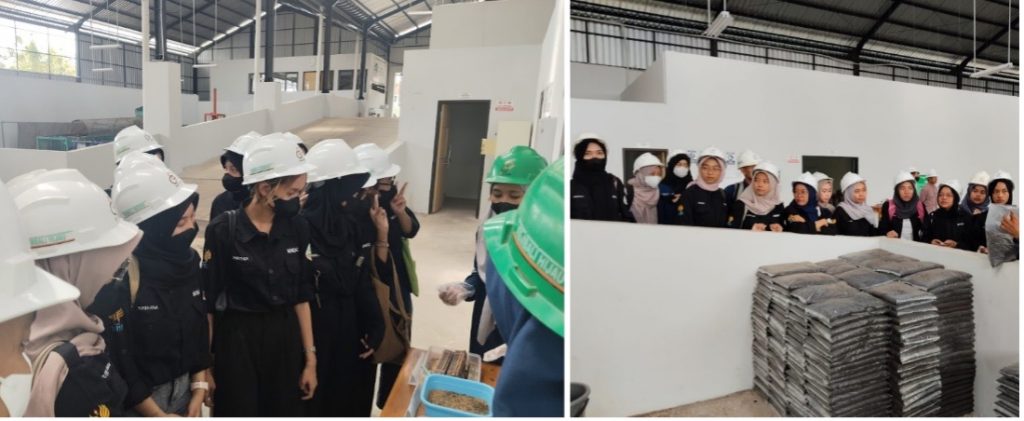
Figure 9. Educational Visit to The UNNES Integrated Waste Management Site (TPST)
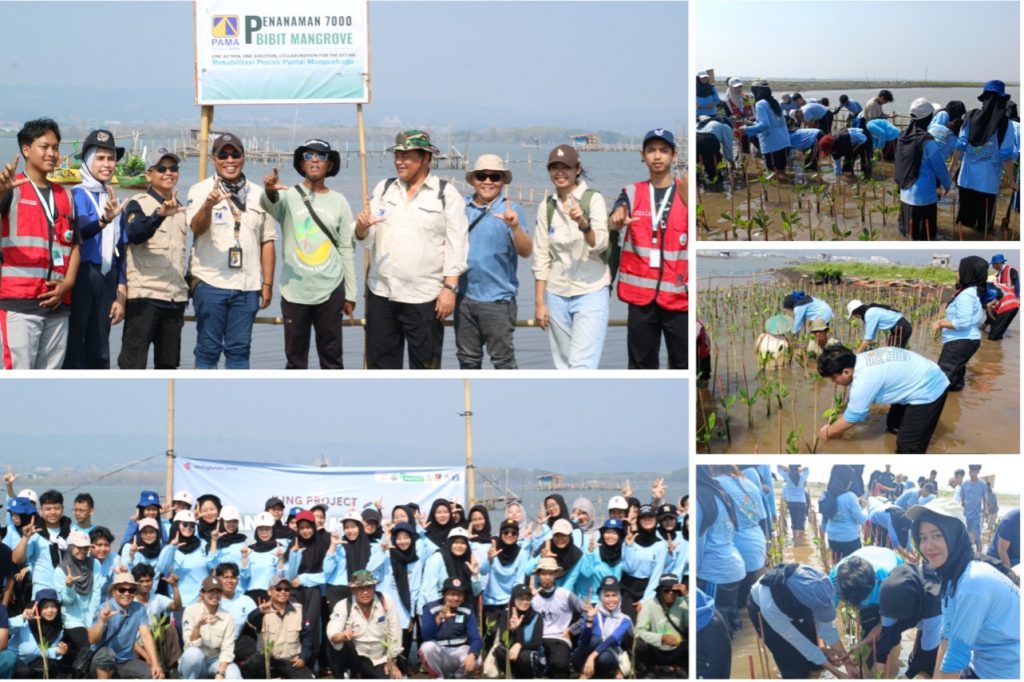
Figure 10. With PAMA Planted 7,000 Mangrove Seedlings in The Coastal Area of Mangunharjo Beach
BSE is once again presenting an inspiring activity for its students and alumni through the Webinar Career Journey in Science Education. This event is designed to help participants sharpen their competencies and prepare themselves to face the challenges of the professional world as future science educators. The free webinar will feature experienced speakers who will share insights on career pathways in science education, strategies for self-development, and professional opportunities available to graduates of the Science Education Program. With the spirit of “Ready to become future teachers,” this activity is expected to provide motivation and practical guidance for both students and alumni to pursue a strong and competitive career path.
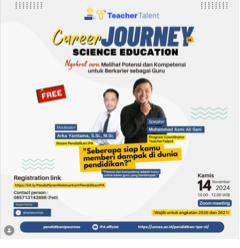
Figure 11. Collaboration with Teacher Talent for Career Journey in Science Education