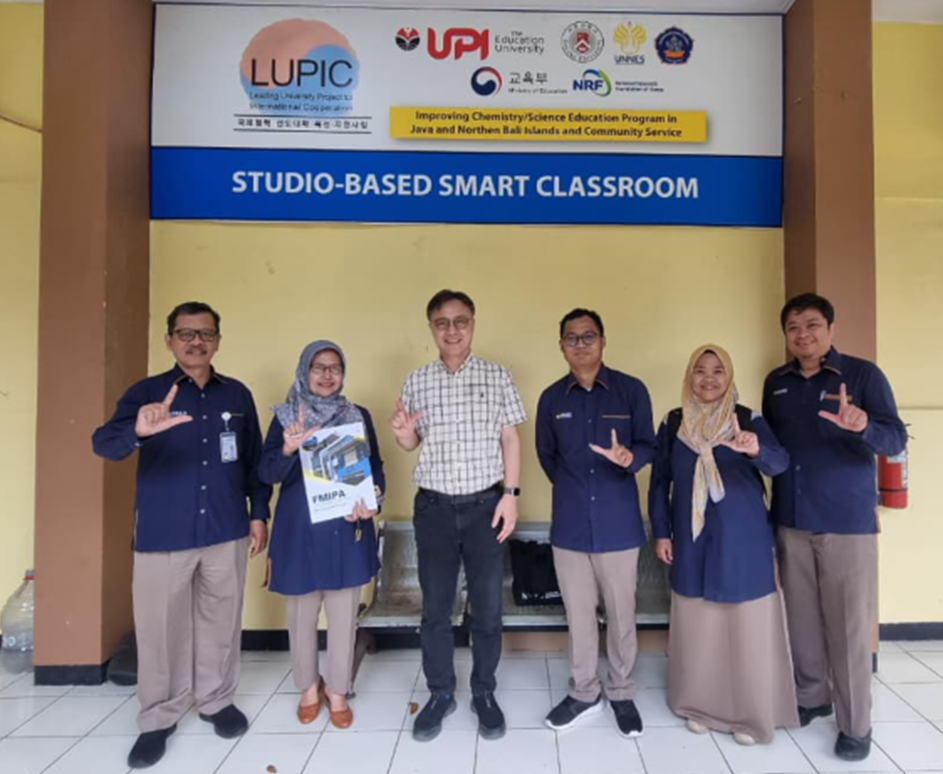



Department of Chemistry, Faculty of Mathematics and Natural Sciences (FMIPA), Universitas Negeri Semarang (UNNES), welcomed an academic visit from Prof. Wonkoo Lee, Director of the Leading University for International Cooperation (LUPIC) Program, on Monday, March 2, 2026. The visit marked an important milestone in enhancing the quality and impact of the LUPIC program implementation within the Department of Chemistry FMIPA UNNES.
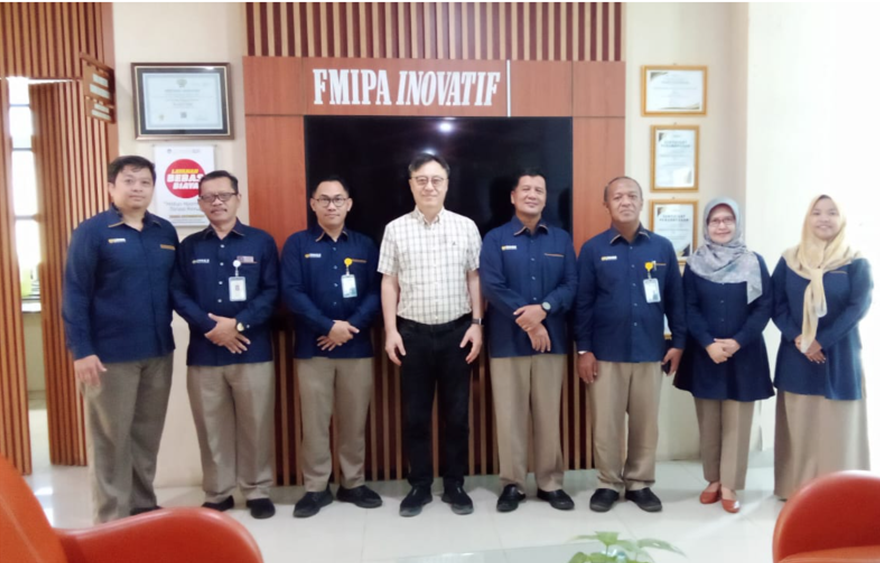
Prof. Lee was warmly received by the Dean of FMIPA, Prof. Dr. Edy Cahyono, M.Si., accompanied by the Vice Dean for Academic and Students Affairs, Zaenal Abidin, M.Cs., Ph.D., the Vice Dean for Business, Research, and Cooperation, Prof. Dr. Sutikno, M.Si., the Head of the FMIPA Laboratory, Prof. Dr. Sigit Priatmoko, M.Si., as well as the LUPIC Persons-in-Charge, Prof. Dr. Woro Sumarni, M.Si., and Cepi Kurniawan, Ph.D. In his remarks, the Dean expressed sincere appreciation for Prof. Lee’s visit and emphasized the importance of strengthening international networks, particularly in curriculum development and advancing the Chemistry Education Study Program.
Prior to the academic discussion session, Prof. Lee toured several key facilities, including the Fab Lab and the Small Scale Chemistry (SSC) facilities. The visit provided an opportunity to review the laboratory infrastructure and learning facilities developed over the past three years under the LUPIC program. During an engaging and interactive dialogue, faculty members highlighted the utilization of the Fab Lab, SSC facilities, and Smart Classroom in fostering innovative, student-centered, and globally oriented learning environments.
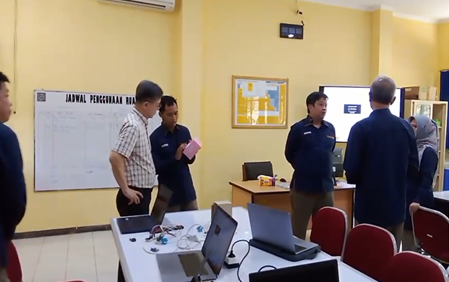
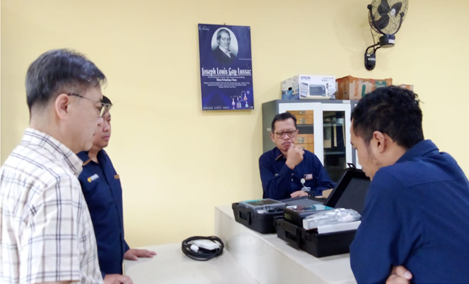
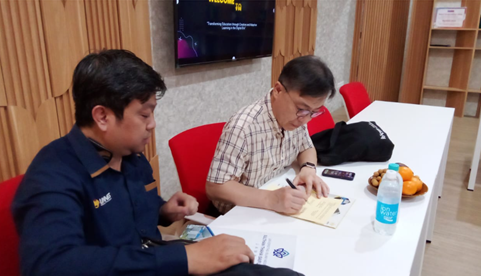
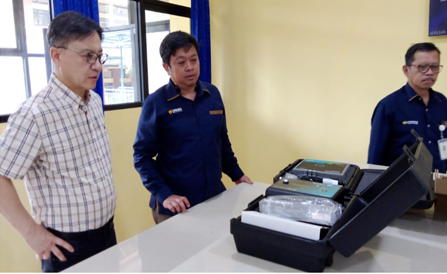
On this occasion, an Implementation of Arrangement agreement for the Guest Lecture Program at the Department of Chemistry, UNNES, was formally signed by Prof. Lee. This agreement reflects a shared commitment to expanding academic collaboration and providing students with broader international exposure.
During the academic discussion session, Dr. Dimas Gilang Ramadhani presented the 2025 performance achievements, including updates on curriculum reform within the Chemistry Education Study Program. Prof. Lee offered constructive feedback and strategic recommendations to ensure that the 2026 program activities will be more coordinated, measurable, and impactful.
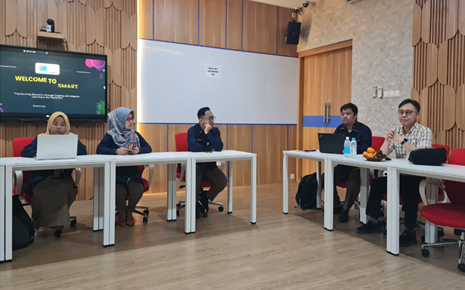
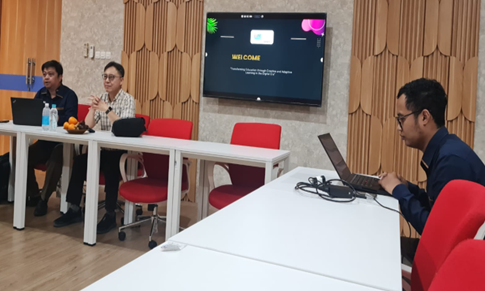
Cepi Kurniawan, Ph.D. noted that the visit represents a strategic step in strengthening LUPIC initiatives with partner institutions in Banjarmasin, Samarinda, and Manado. Through sustained collaboration, the program is expected to further enhance academic capacity and institutional development.
The visit concluded with a group photo session, symbolizing a shared commitment to long-term partnership and continuous improvement. This occasion not only reaffirmed the direction of international collaboration but also injected renewed enthusiasm into the Department of Chemistry Cluster in its pursuit of global academic standards.