UNNES and Sogang University Hold International Community Service Program in Banjarmasin: Technology-Based Chemistry Learning Innovation and Local Wisdom

Universitas Negeri Semarang/Faculty of Mathematics and Natural Sciences/Berita/UNNES and Sogang University Hold International Community Service Program in Banjarmasin: Technology-Based Chemistry Learning Innovation and Local Wisdom

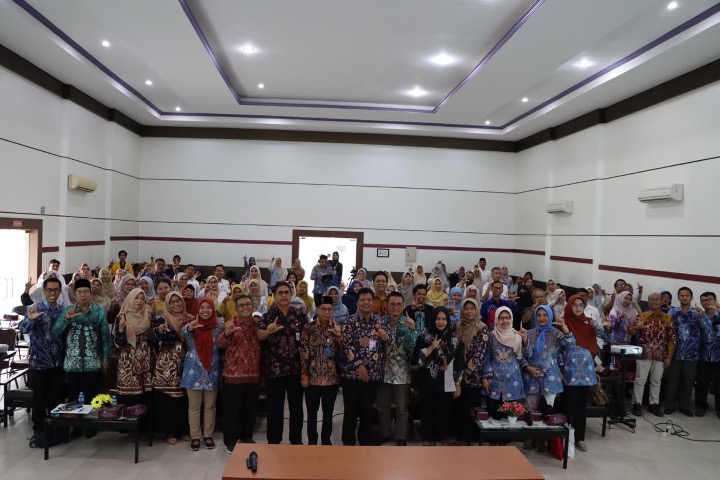
Banjarmasin, August 13–14, 2025 — Semarang State University (UNNES) and Sogang University Korea successfully implemented an international community service program through the Leading University Project for International Cooperation (LUPIC) in Banjarmasin, South Kalimantan. This activity involved three partner universities: Lambung Mangkurat University, UIN Antasari Banjarmasin, and the Islamic University of Kalimantan Muhammad Arsyad Al Banjari. It was attended by lecturers, chemistry education students, and teachers from the Banjarmasin Chemistry MGMP.

The event began with the signing of a Memorandum of Agreement (MoA) between UNNES and the three partner universities in Banjarmasin. This event also saw the handover of three 3D printers from Sogang University through UNNES, which will be used as innovative tools to support the development of laboratories and learning media at the partner universities.
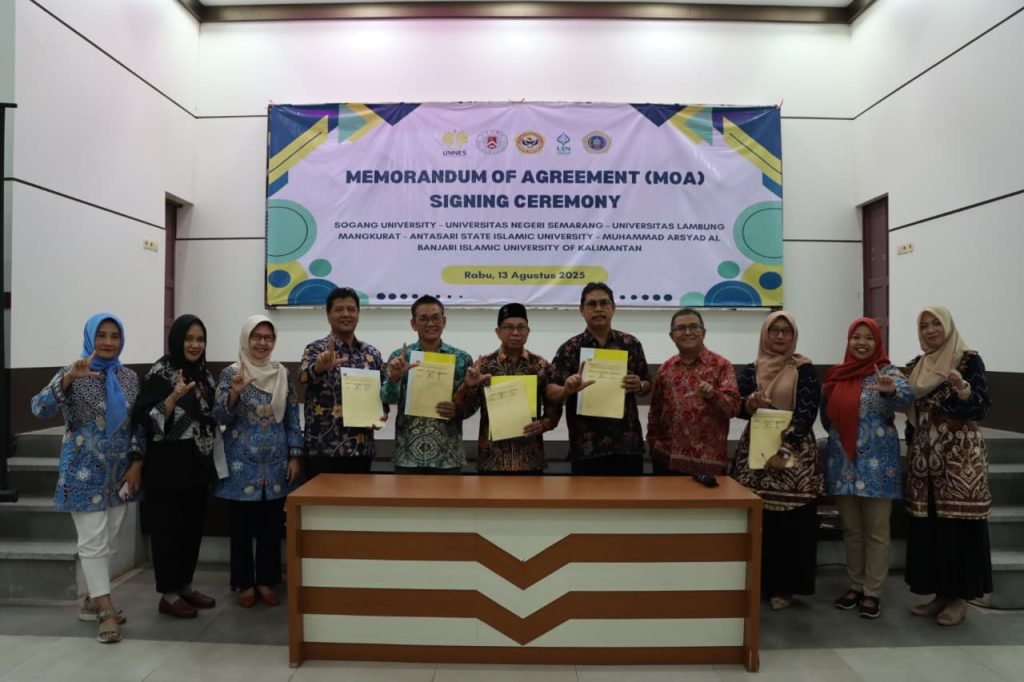
Figure 2 MoA Signing

Following the MoA ceremony, a series of community service activities began with inspiring presentations from experts. Prof. Dr. Edy Cahyono, M.Sc., opened the session with a presentation on the importance of reengineering chemical synthesis pathways for environmental sustainability. This was followed by a hands-on workshop by Harjito, M.Sc., who introduced the integration of the Internet of Things (IoT) for innovative chemistry teaching. Participants were then invited to apply the concept of small-scale chemistry with Endah Fitriani Rahayu, M.Sc., Devy Lestari, M.Pd., and Ridho Prasetyo, S.Si., who emphasized the importance of small-scale laboratory experiments that are environmentally friendly, safe, and cost-effective. The first day concluded with an Ethno-STEM training session by Prof. Dr. Woro Sumarni, M.Sc., which combines science, technology, and local wisdom as a foundation for contextual and relevant learning.
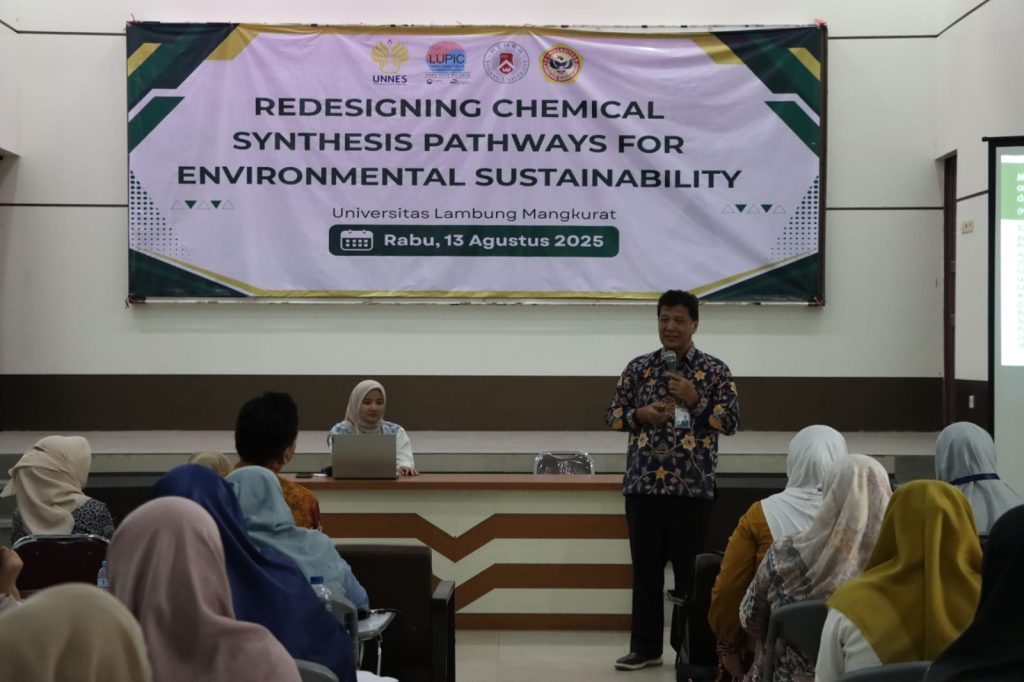
Figure 3 Workshop on the importance of re-engineering chemical synthesis pathways
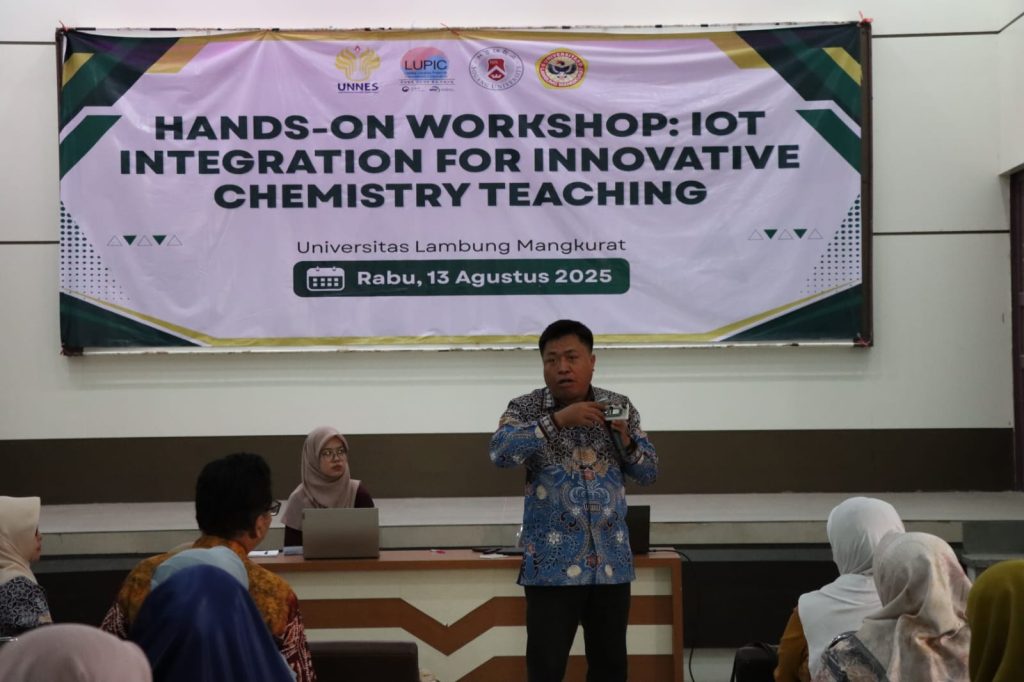
Figure 4 Internet of Things (IoT) integration workshop for chemistry teaching innovation
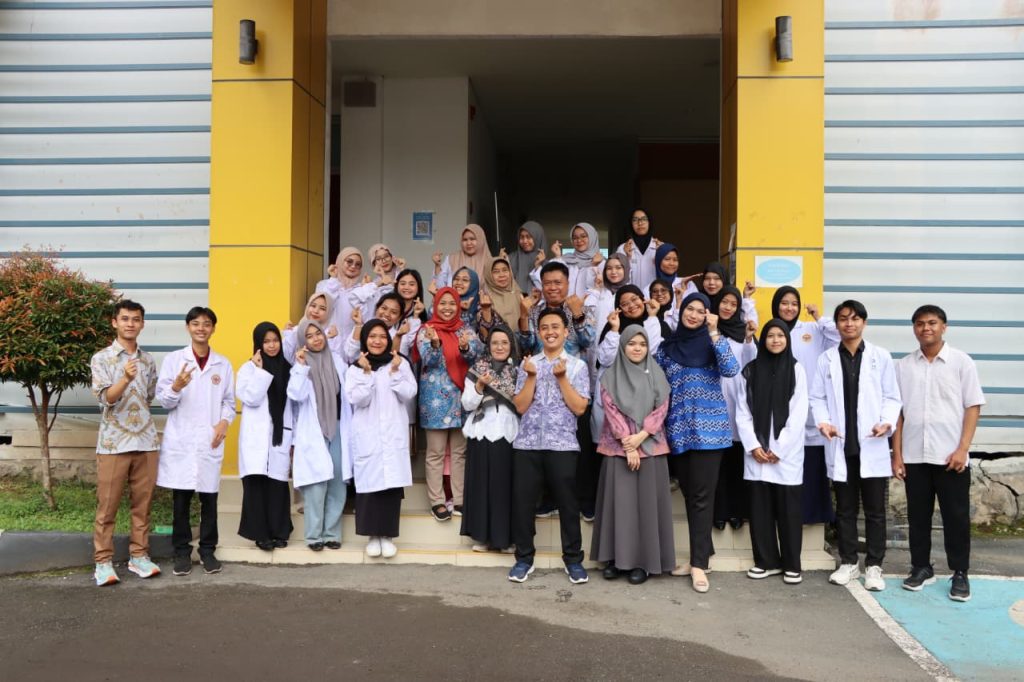
Figure 5: Microscale Practical and Ethno-STEM Training

On the second day, August 14, 2025, the UNNES and Sogang University community service team visited SMA Negeri 1 Alalak, Barito Kuala Regency. Students and teachers were presented with practical and enjoyable chemistry training. One of the most engaging topics was the training on making eco-friendly aromatherapy candles from used cooking oil, titled “From Waste Oil to Wellness.” In addition, students participated in a Life Skills Chemistry practical, which taught them how chemistry is present in everyday life through simple yet meaningful microscale practicals.
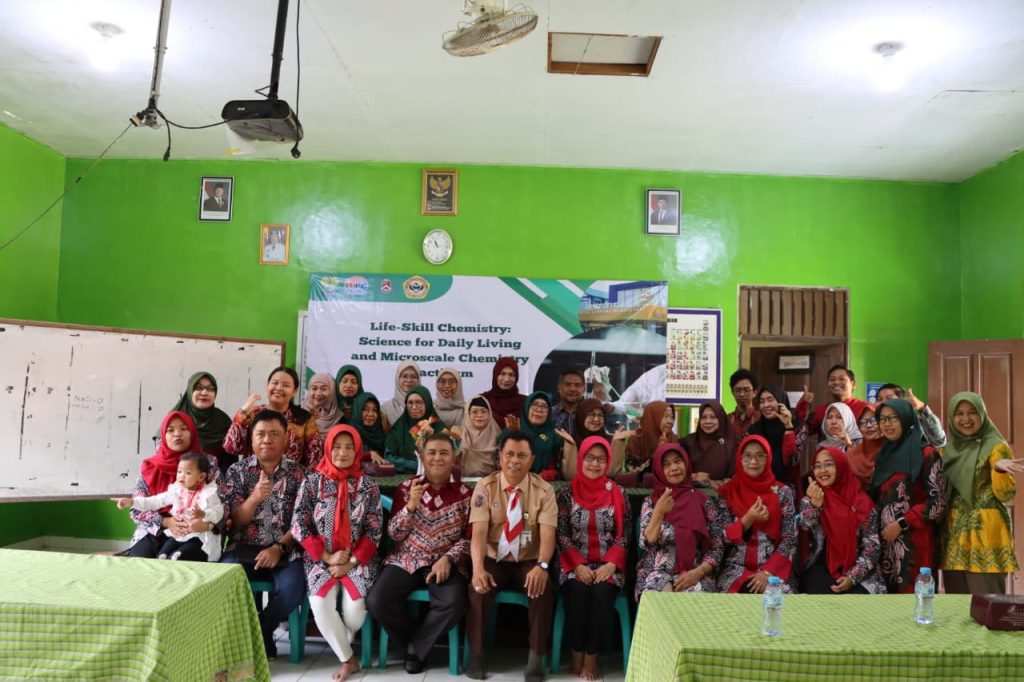
Figure 6: Joint Activities with Banjarmasin Chemistry MGMP Teachers

This program received an enthusiastic response from all participants. A lecturer from Lambung Mangkurat University said, “This activity not only broadened our knowledge but also inspired us to develop chemistry learning that is more innovative and relevant to today’s needs.” Meanwhile, a Banjarmasin Chemistry MGMP teacher said, “Small-scale workshops are very beneficial because we can implement them directly in the school laboratory at a lower cost and remain safe for students.” Similar enthusiasm was expressed by students from SMA N 1 Alalak. “I’m really happy to be able to learn how to make environmentally friendly candles from used cooking oil. It turns out that chemistry can be practiced in a fun and useful way for everyday life,” said one student.
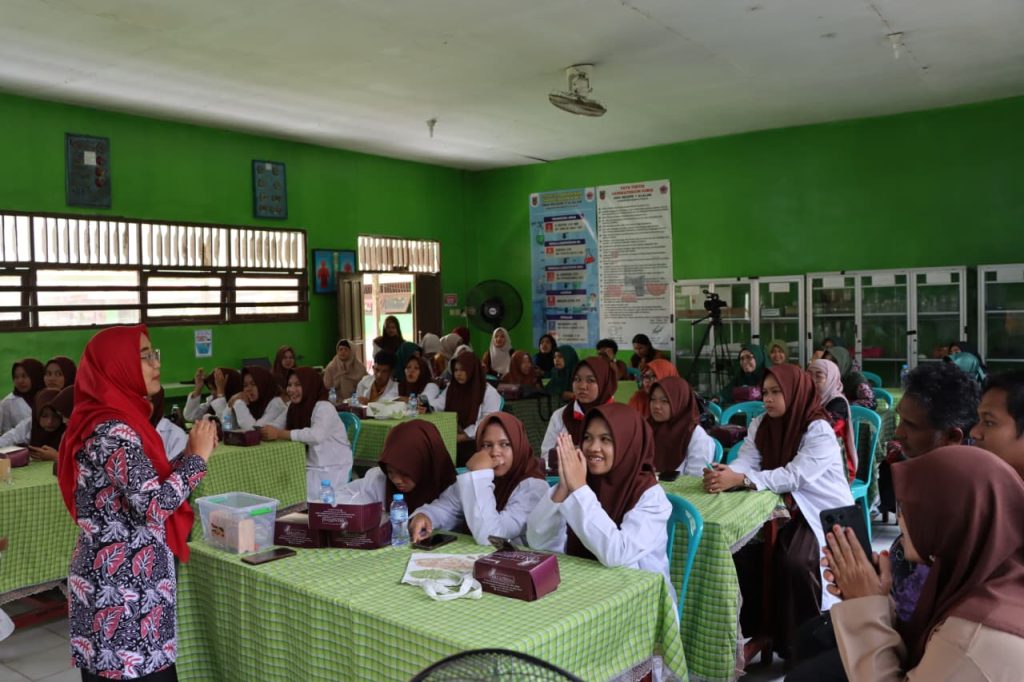
Figure 7: Community Service Activities at SMAN 1 Alalak Banjarmasin

This international community service activity demonstrates UNNES’ commitment as a world-renowned university to strengthening global networks, supporting the Tri Dharma of Higher Education, and promoting inclusive, innovative, and sustainable education in line with the conservation vision and SDGs.
Related Posts

Leave a Reply

* Kode Akses Komentar:

* Tuliskan kode akses komentar diatas:

GDPR

  • Privacy Policy

Privacy Policy

At unnes.ac.id, the privacy of our visitors is of extreme importance to us. This privacy policy document outlines the types of personal information that is received and collected by unnes.ac.id and how it is used.

Log Files

Like many other Web sites, unnes.ac.id makes use of log files. The information inside the log files includes internet protocol (IP) addresses, type of browser, Internet Service Provider (ISP), date/time stamp, referring/exit pages, and number of clicks to analyze trends, administer the site, track user’s movement around the site, and gather demographic information. IP addresses and other such information are not linked to any information that is personally identifiable.

Cookies

unnes.ac.id uses cookies to store information about visitors’ preferences, to record user-specific information on which pages the site visitor accesses or visits, and to personalize or customize our web page content based upon visitors’ browser type or other information that the visitor sends via their browser.

Third-party ad servers or ad networks use technology in their respective advertisements and links that appear on unnes.ac.id and which are sent directly to your browser. They automatically receive your IP address when this occurs. Other technologies (such as cookies, JavaScript, or Web Beacons) may also be used by our site’s third-party ad networks to measure the effectiveness of their advertising campaigns and/or to personalize the advertising content that you see on the site.

unnes.ac.id has no access to or control over these cookies that are used by third-party advertisers.

You should consult the respective privacy policies of these third-party ad servers for more detailed information on their practices as well as for instructions about how to opt-out of certain practices. unnes.ac.id’s privacy policy does not apply to, and we cannot control the activities of, such other advertisers or web sites.

If you wish to disable cookies, you may do so through your individual browser options. More detailed information about cookie management with specific web browsers can be found at the browsers’ respective websites.

Consent

By using our website, you hereby consent to our privacy policy and agree to its terms.

Update

This Privacy Policy was last updated on: 2023-02-14. Should we update, amend or make any changes to our privacy policy, those changes will be posted here.

Contact Us

If you have any questions, comments, or concerns about our Privacy Policy or our practices with regards to your personal information, please feel free to contact us through the contact form on our website or by emailing us at humas[at]mail.unnes.ac.id.

This Privacy Policy is intended as a general guide to our practices in collecting and using information. If there is any inconsistency between this Privacy Policy and the terms of the Service Agreement or any other terms that may apply to specific services you use, then those specific service terms shall apply.

Terms of Use

By using our website, you agree to abide by this Privacy Policy. If you do not agree with this Privacy Policy, please do not use our website. We reserve the right to update this Privacy Policy from time to time without prior notice. Please review our Privacy Policy periodically to check for changes. Your continued use of our website following the posting of changes to this Privacy Policy means that you accept the changes.

Thank you for reading our Privacy Policy. We are committed to protecting the privacy of our website visitors and will continue to update our Privacy Policy to ensure optimal protection.