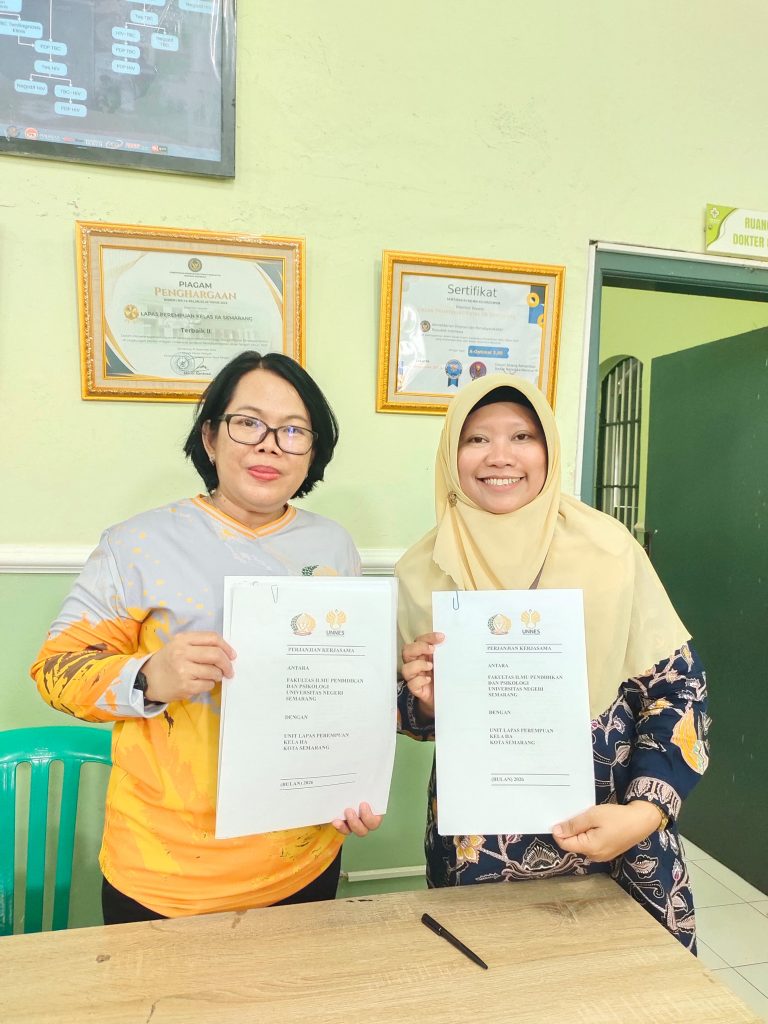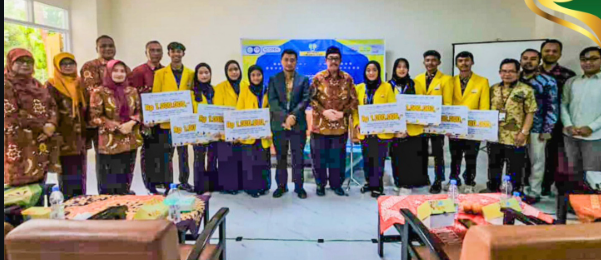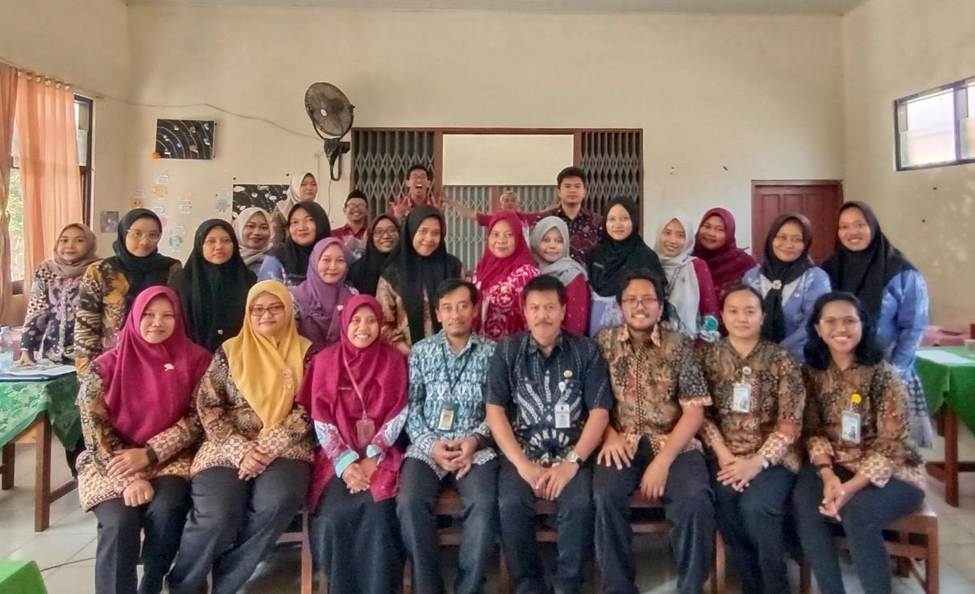


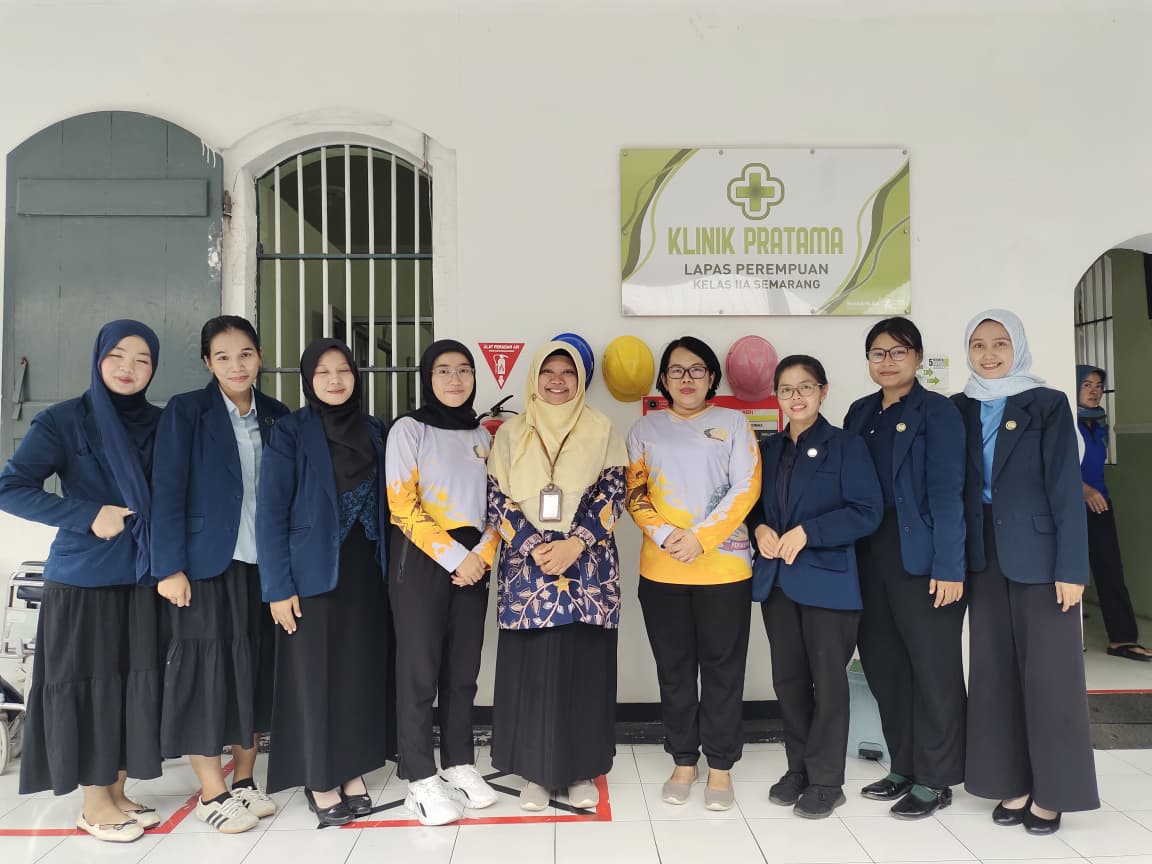
Semarang – The student internship program at the Clinic of the Semarang Class IIA Women’s Correctional Institution officially concluded after four months of implementation, from March to June 2026. The student withdrawal ceremony was accompanied by the signing of a cooperation agreement between the Professional Counselor Education (PPK) of Universitas Negeri Semarang (UNNES) and the Semarang Class IIA Women’s Correctional Institution, reflecting a shared commitment to supporting mental health services for correctional inmates.
Throughout the internship program, students were directly involved in various psychological service and assistance activities aimed at enhancing the mental well-being of inmates. Through this experience, students gained authentic learning opportunities by applying the knowledge and skills acquired during their studies to real-world community service settings.
The internship program also served as a platform for students to develop their professional competencies, particularly in understanding individual psychological dynamics, building counseling relationships, and collaborating with various stakeholders to support community mental health.
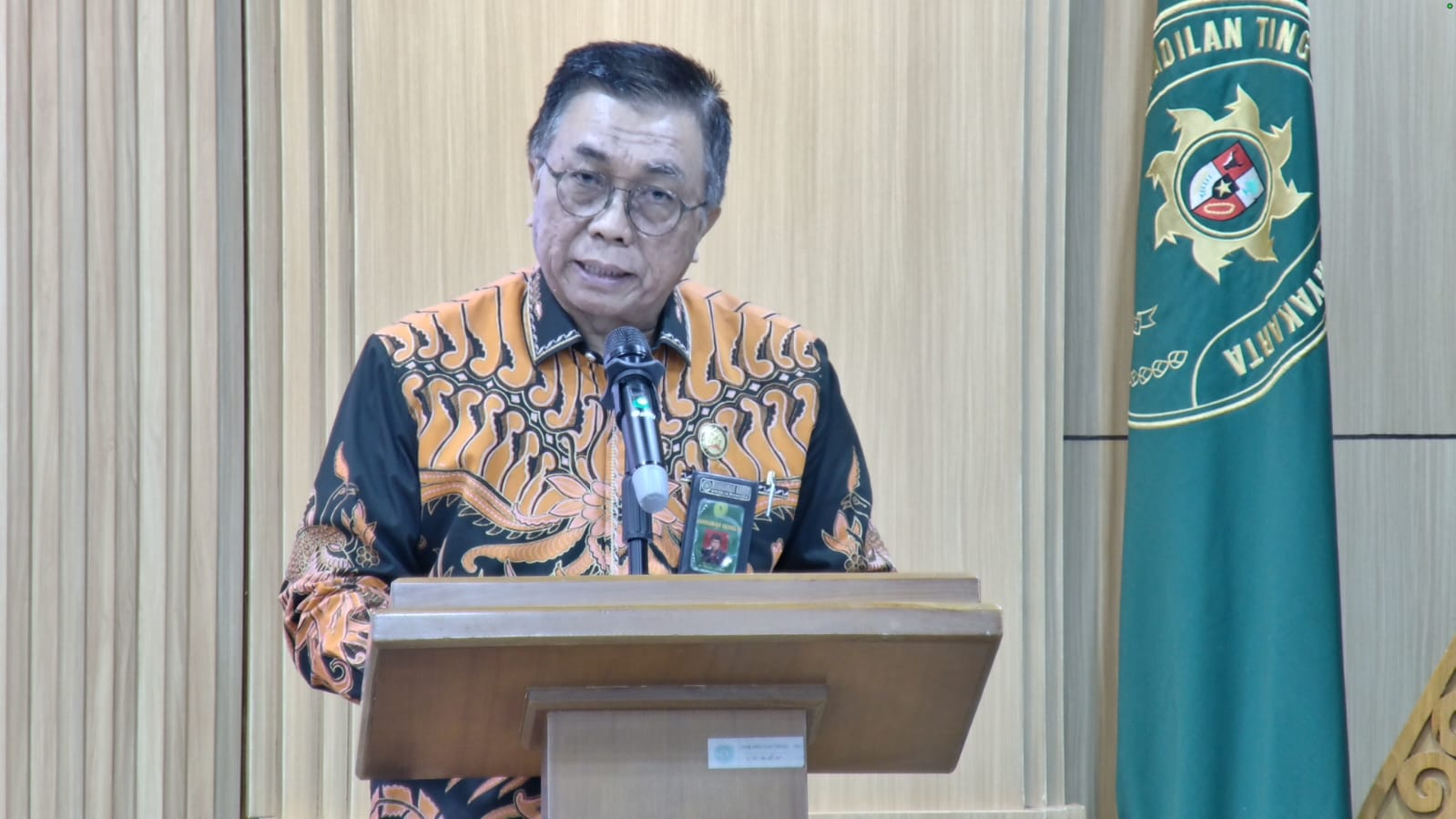
The Head of PPK UNNES stated that the partnership with the Semarang Class IIA Women’s Correctional Institution represents a strategic initiative to expand access to psychological services while strengthening the role of higher education institutions in fulfilling the Tri Dharma of Higher Education, particularly in the area of community engagement and service.
“Through this collaboration, students not only gain valuable field experience but also make meaningful contributions to supporting the psychological well-being of inmates. This experience provides an important foundation for developing future professionals who possess both strong competencies and a deep sense of social responsibility,” he said.
The cooperation agreement between PPK UNNES and the Semarang Class IIA Women’s Correctional Institution is expected to serve as a foundation for the development of various collaborative programs in the future, including counseling services, psychological assistance, research initiatives, and community service activities.
Through sustained synergy, both institutions hope to continue delivering programs that provide tangible benefits to society while supporting efforts to improve mental health services within correctional settings.
This collaboration demonstrates how higher education institutions can play an active role in addressing societal needs through humane, professional, and sustainable services.