

UNNES Non-Formal Education Study Program Develops OBE Curriculum to Meet the Needs of the World of Work
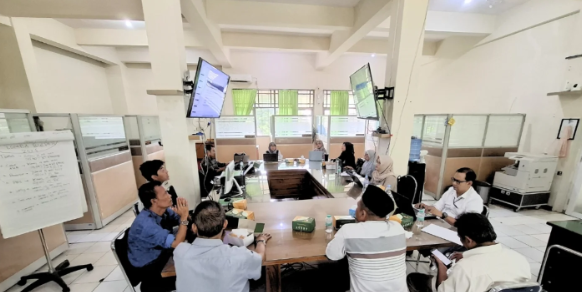
Semarang, June 18, 2025 — The Non-Formal Education (PNF) Study Program, Faculty of Education and Psychology (FIPP) Semarang State University (UNNES), held a curriculum development meeting based on *Outcome-Based Education* (OBE) on Tuesday, June 17, 2025. This activity is a strategic step in preparing a curriculum relevant to the needs of the workplace while also designing a collaborative workshop with the industrial world.
The curriculum development meeting discussed the development of the OBE curriculum as an approach that emphasizes the learning outcomes of graduates. This development is expected to strengthen the link between the learning process, the competencies that students must master, and the needs of graduate users. Thus, the curriculum can become the foundation for implementing a more focused and outcome-oriented education.
In addition to discussing curriculum development, this activity also served as part of the preparation for a collaborative workshop with the industrial world and various stakeholders. This collaboration is important to obtain input on competencies needed in the field and strengthen the relationship between universities and the workplace. Through the involvement of various parties, curriculum development is expected to be more in line with the dynamics and needs of society.
This activity supports Sustainable Development Goal (SDG) 4: Quality Education, particularly through the development of relevant curricula, improving the quality of learning, and strengthening student competencies. The implementation of the OBE approach is expected to help ensure that the educational process is oriented towards clear learning outcomes and supports the readiness of graduates to face professional challenges.
Through curriculum development meetings and preparation for this collaborative workshop, the UNNES Non-Formal Education Study Program strives to improve the quality of education delivery in a sustainable manner. The development of the OBE curriculum and strengthening relationships with the industrial world are expected to produce competent, adaptive graduates who are able to contribute to the development of non-formal education and community empowerment.