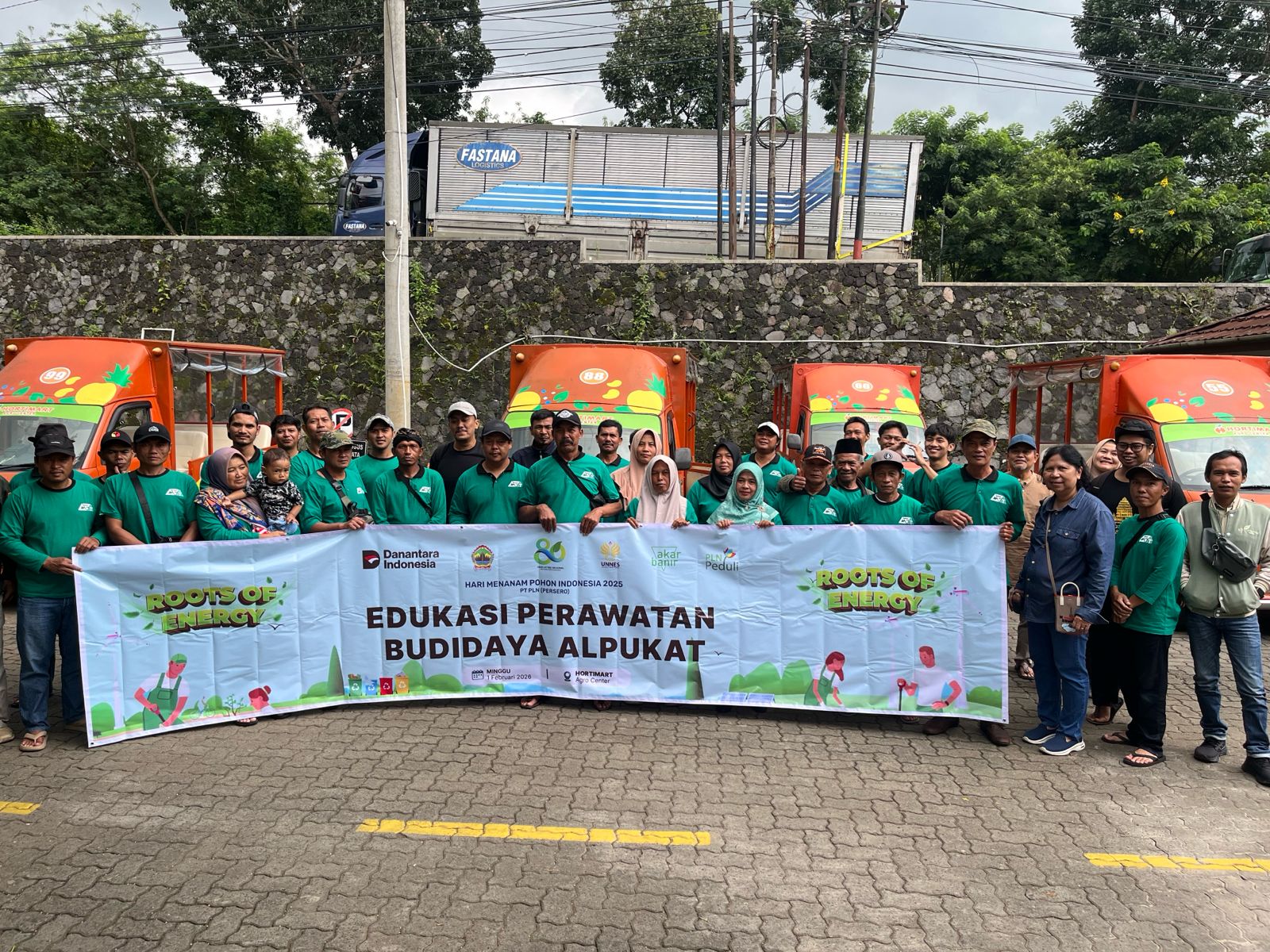
Semarang, Indonesia — Universitas Negeri Semarang (UNNES) informs and supports local and regional governments in disaster risk reduction through early warning system management, participatory risk mapping, technical assistance, and preparedness education. Through university-funded community service, faculty outreach, and its KKN student community service program, UNNES works with disaster management agencies, village officials, community organizations, and schools. These activities address flood monitoring and warning systems while strengthening local capacity to understand risks and respond to emergencies.
Strengthening Flood Early Warning Management with Tambakrejo Officials
UNNES supports flood preparedness in Tambakrejo Urban Village, Semarang City, through complementary initiatives addressing monitoring infrastructure and the capacity of local officials and residents to manage early warnings.
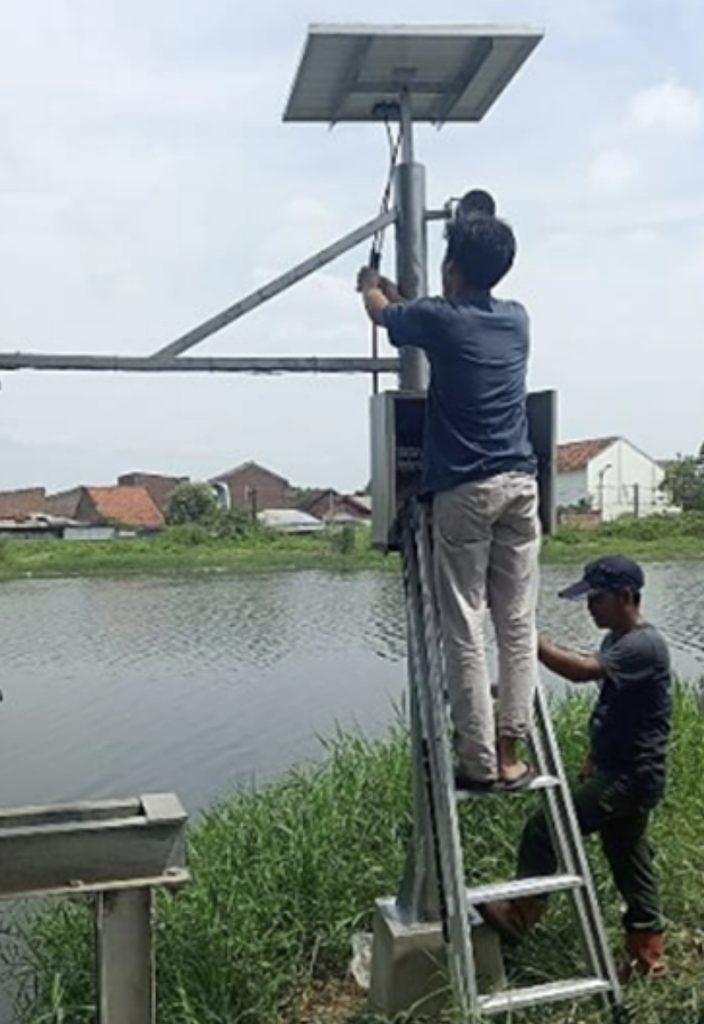
Prof. Nana Kariada Tri Martuti and the FMIPA UNNES team conducted participatory risk mapping and strengthened preparedness through a Disaster Safe Education Unit (SPAB) at SD Negeri Tambakrejo 3. Activities included forming a school disaster preparedness team, conducting emergency simulations, and providing evacuation routes, assembly points, and safety equipment. The program also introduced a solar-powered Flood Early Warning System (EWS) using ultrasonic sensors, enabling smartphone monitoring and alerts when water levels exceed critical thresholds.
Complementing this infrastructure, a UNNES community service initiative provided EWS management training on August 6, 2025, involving 25 participants, including the urban village head, the Disaster Preparedness Group (KSB), the Community Empowerment Institution (LPMK), and neighborhood representatives. Participants learned how sensors measure water levels in the East Flood Canal and communicate potential flood threats through application notifications and sirens.
UNNES also developed operational guidance covering warning dissemination, equipment maintenance, and stakeholder responsibilities. Supported by UNNES’s 2025 community service funding, the training equipped local officials and community representatives with practical knowledge to operate and maintain the warning system.
Supporting BPBD Kendal and Tirtomulyo Village in Risk Mapping and Warning-System Planning
UNNES collaborates with regional disaster management agencies (BPBD) to support preparedness at both village and school levels. These partnerships combine government technical guidance with university facilitation, education, and evaluation.
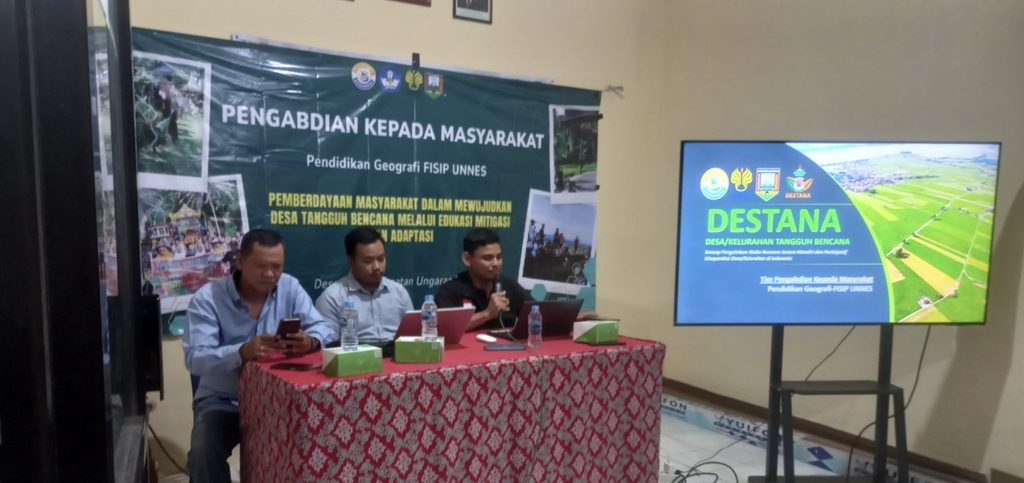
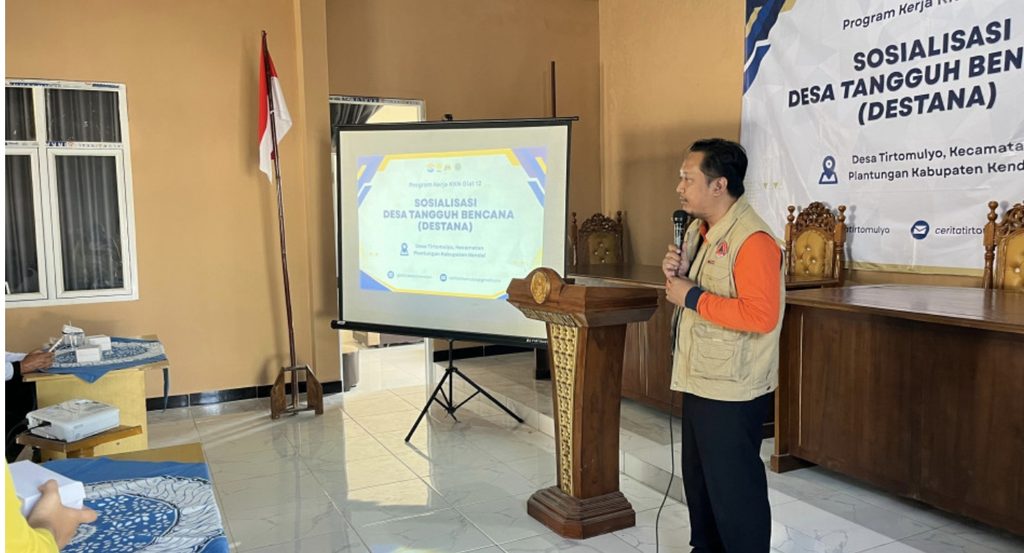
In Tirtomulyo Village, Kendal Regency, the UNNES KKN GIAT 12 team facilitated a Disaster-Resilient Village (DESTANA) activity with BPBD Kendal and the village government on August 1, 2025. The session involved 20 village officials, alongside BPBD personnel and UNNES students. Participants addressed risk assessment, hazard mapping, early warning systems, evacuation planning, disaster management plans, volunteer coordination, and contingency planning.
Village officials and facilitators jointly mapped vulnerable areas, prepared evacuation plans, designed an early warning system, and established a disaster risk reduction forum. The activity concluded with the reaffirmation of the village’s DESTANA volunteer team, demonstrating direct support for government-led disaster planning.
In Tegal Regency, UNNES partnered with BPBD to deliver disaster psychoeducation at SD Negeri Karangjambu 01, Balapulang, involving 59 students and 14 educators. Supporting the development of a Disaster-Resilient School (SEKTANA), the program combined awareness sessions, training, mentoring, and evaluation.
Students’ mean knowledge scores increased from 7.71 before the intervention to 22.71 afterward, indicating a statistically significant improvement. While the Kendal collaboration directly addressed village risk mapping and early warning planning, the Tegal partnership strengthened school preparedness and supported BPBD’s disaster education outreach.
Supporting Keji Village Government through Mitigation Education and Continued Assistance
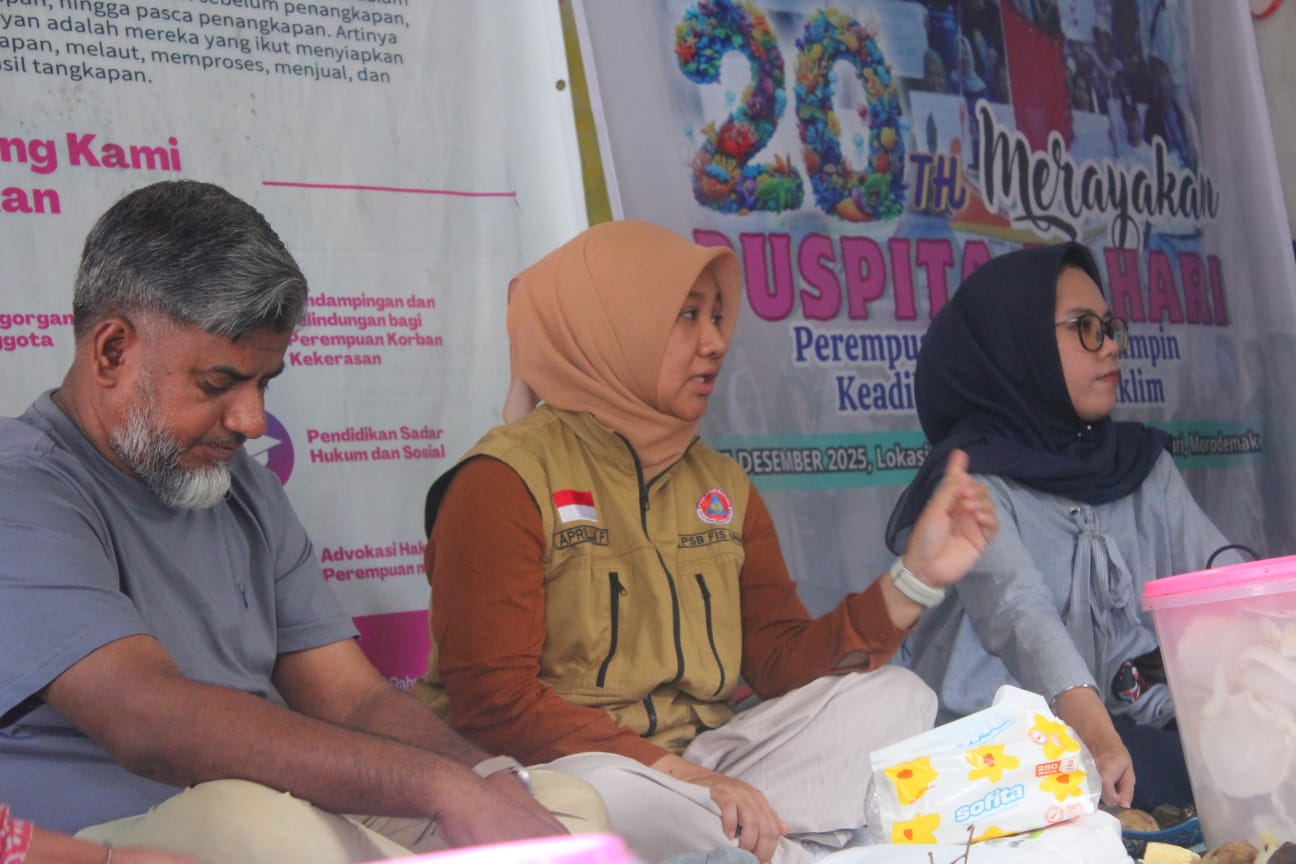
UNNES’s Geography Education Community Service Team conducted disaster mitigation and adaptation education in Keji Village on October 6, 2025, involving Karang Taruna youth members and community leaders. Keji is a university-assisted village under Rector’s Decree Number B/819/UN37/HK.02/2025, providing an institutional basis for continued engagement.
Led by Sriyanto, the session emphasized community participation in identifying hazards and planning preventive measures. Village Head Siswanto welcomed the program and recognized its contribution to local disaster preparedness.
UNNES committed to continued assistance through monitoring, evaluation, and further program development. This initiative supports village-level risk awareness and preparedness; its monitoring component concerns the progress of community assistance and program implementation.