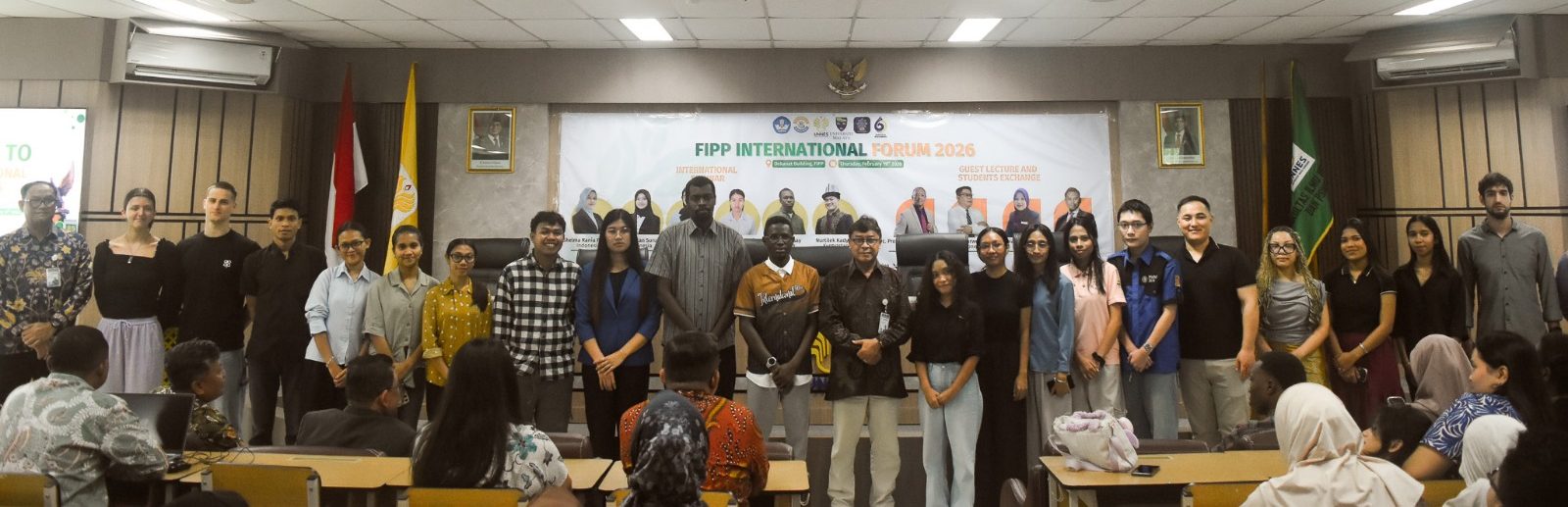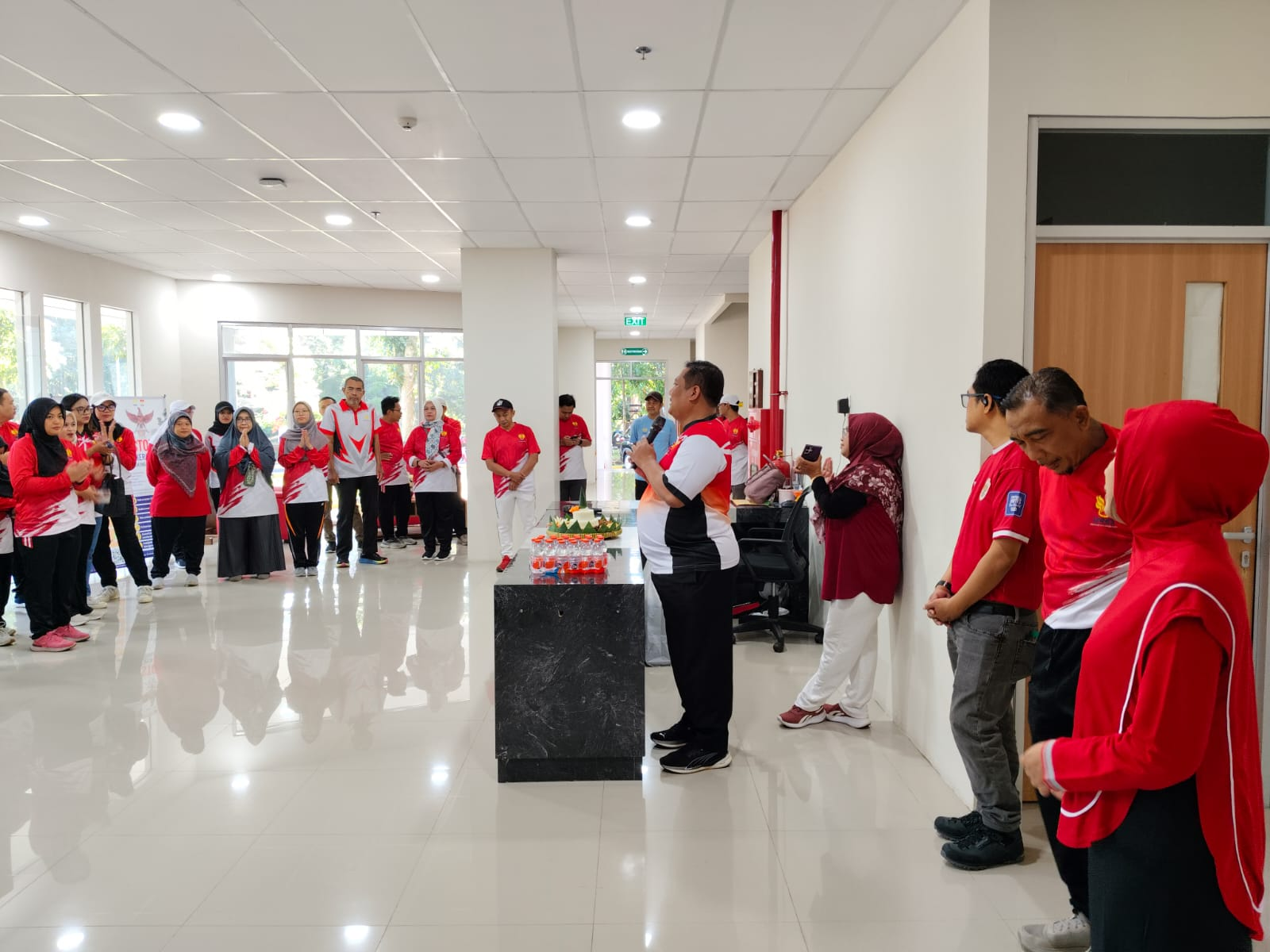
A progressive and inclusive academic ecosystem must recognize the multifaceted role of women, especially as mothers. Universitas Negeri Semarang (UNNES) stands at the forefront of such change, prioritizing women’s participation through maternity policies, infrastructure, data-driven awareness, and direct support aligned with Indonesian regulatory standards.
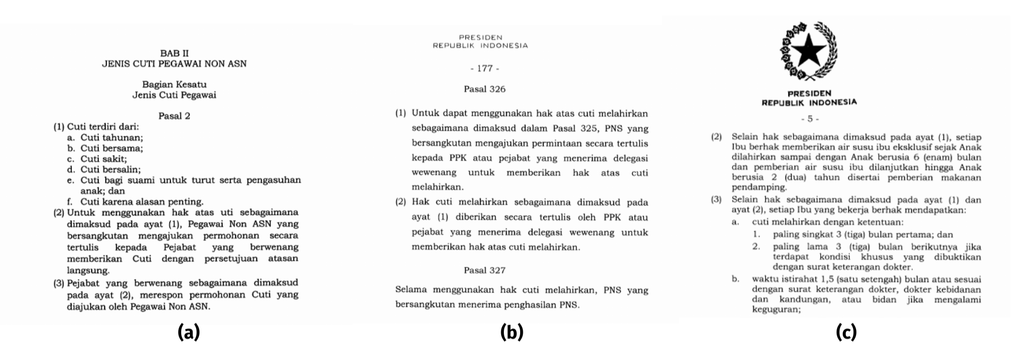
UNNES has issued Rector’s Regulation No. 122 of 2024 on Leave for Non-Civil Servant Employees, which provides three months of maternity leave for eligible female non-ASN employees, including written application and approval procedures. Meanwhile, maternity leave and income protection for civil servant lecturers and staff are governed by Government Regulation No. 11 of 2017 on Civil Servant Management, as amended by Government Regulation No. 17 of 2020, and relevant civil service regulations. These protections are complemented by Law No. 4 of 2024 on Maternal and Child Welfare, which establishes national standards for maternity leave and wage protection under applicable employment provisions.
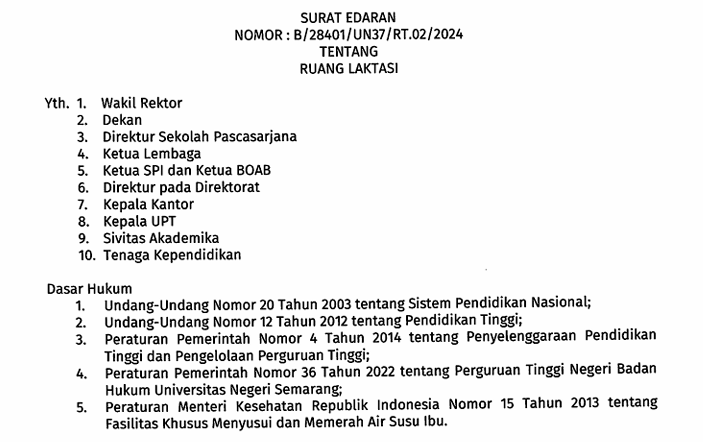
Furthermore, UNNES has issued Circular Letter No. B/28401/UN37/RT.02/2024 on Lactation Rooms, encouraging every faculty and work unit to provide clean, comfortable, and safe breastfeeding facilities in accordance with Indonesian Ministry of Health Regulation No. 15 of 2013. These facilities support breastfeeding mothers in fulfilling their academic and professional responsibilities while caring for their children. Together, maternity leave provisions and lactation facilities demonstrate UNNES’s commitment to protecting maternal well-being, promoting equal opportunities, and fostering a more inclusive and family-friendly academic environment.
Dedicated Facilities and Support Programs
Demonstrating commitment to SDG 5 (Gender Equality), UNNES makes breastfeeding corners or lactation rooms available in every faculty, as reinforced by a joint initiative led by conservation clusters. These are not generic spaces: they provide privacy, comfort, and align with health regulations. All are made easy for women to fulfill both academic duties and motherhood without compromise.
- Lactation Rooms: Established across campuses, these spaces include amenities such as comfortable seating, refrigerators, and proper hygiene facilities, strictly maintained according to national guidelines.
- Awareness Campaigns: Socialization programs inform mothers and expectant women about their rights and the campus resources available. Regular seminars, like those organized at FISIP, highlight the significance of these facilities in guaranteeing maternal health and workplace equality.
- Leadership Commitment: Deans and department heads actively support initiatives to expand facilities and affirm women’s rights at UNNES.
Extended Leave and Flexible Arrangements
In line with Law No. 13 of 2003 and Government Regulation No. 78 of 2015, female staff and lecturers at UNNES are entitled to a minimum three months maternity leave, split before and after birth, at full pay. Should medical factors require an extension, policies allow further paid leave, safeguarding both physical and mental health.
UNNES encourages flexible working arrangements for academic mothers, facilitating remote participation in academic activities when necessary. This adaptive approach upholds educational continuity while honoring important moments of motherhood.