Universitas Negeri Semarang (UNNES) continues to strengthen its role as a Conservation University by working with local government authorities, financial institutions, and community partners to support sustainable regional development. Through collaborations spanning education, research, community service, cultural development, and environmental conservation, UNNES contributes to initiatives that promote community welfare and more inclusive development around Semarang.
UNNES collaborates with the Semarang City Government through institutional agreements covering the university’s Tri Dharma Perguruan Tinggi: education, research, and community service. This cooperation provides a framework for academic and institutional engagement in addressing local development needs and strengthening the contribution of higher education to the wider community.
The collaboration also extends to cultural development. In June 2025, the Faculty of Languages and Arts (FBS) UNNES established a partnership with the Semarang City Department of Culture and Tourism to strengthen the city’s arts, cultural, and tourism sectors. The partnership includes opportunities for lecturers and students to contribute to cultural performances, festivals, creative activities, and programmes that introduce Semarang’s cultural heritage to the public.
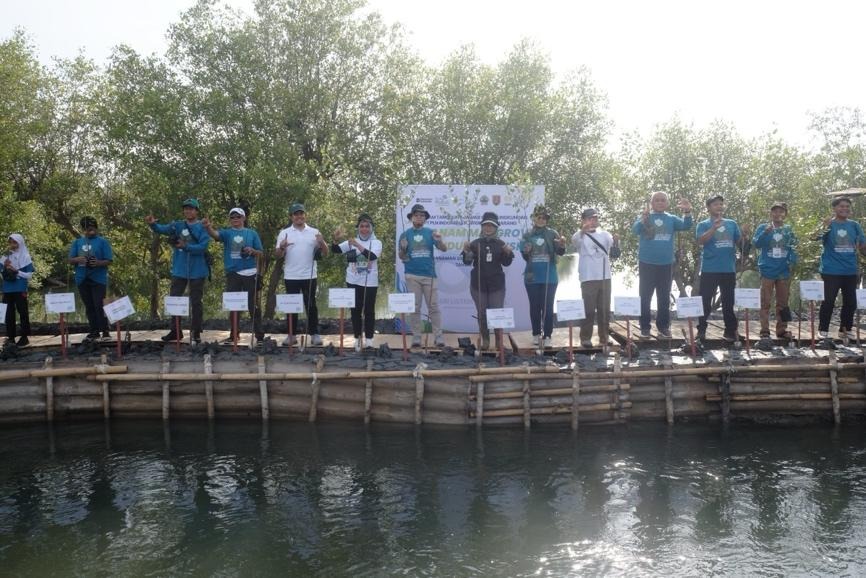
UNNES further contributes to environmental conservation and community empowerment through collaboration involving the Semarang City Government, PT PLN (Persero), and local communities. In Wonolopo, Semarang, the Faculty of Mathematics and Natural Sciences (FMIPA) UNNES participated in a programme to develop land beneath electricity transmission lines into productive and environmentally sustainable areas. Launched in November 2025, the initiative combines vegetation management, environmental rehabilitation, and community economic empowerment, including support for livestock farming and the cultivation of productive plants.
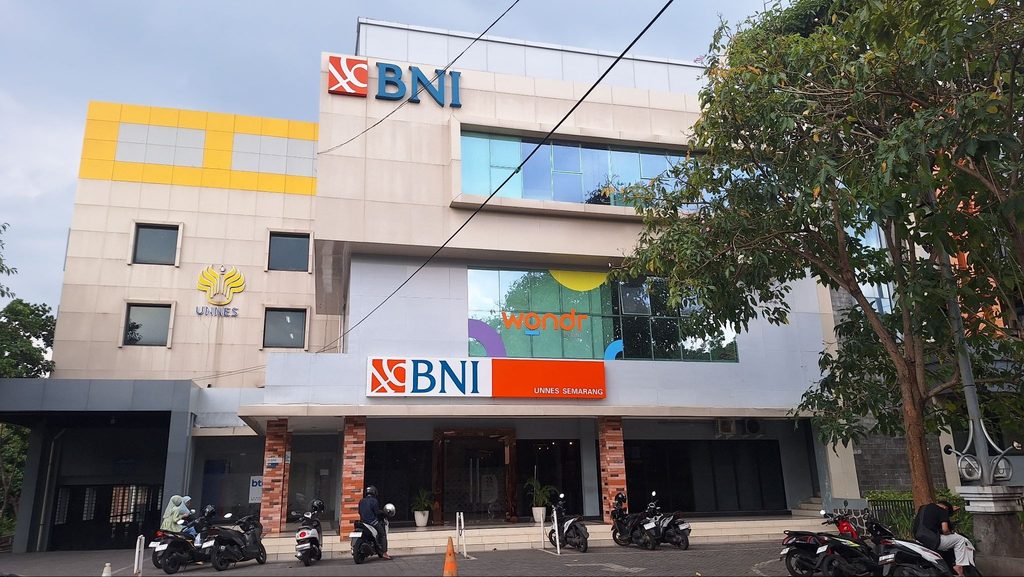
Alongside these partnerships, UNNES facilitates access to affordable housing finance through cooperation with Bank BNI, Bank BTN, and Bank Jateng. These institutions provide housing financing options for lecturers, administrative staff, and residents living around the university. The schemes are intended to help eligible beneficiaries access homeownership through more affordable financing arrangements and simplified credit procedures.
By combining institutional cooperation with local government, cultural development programmes, environmental conservation, community empowerment, and housing finance facilitation, UNNES demonstrates its contribution to sustainable regional development. These initiatives support Sustainable Development Goal 11 (Sustainable Cities and Communities) and SDG 17 (Partnerships for the Goals), while reinforcing the university’s commitment to extending the benefits of higher education beyond the campus and supporting the well-being of surrounding communities.