Universitas Negeri Semarang (UNNES) continues to strengthen its commitment to cultural preservation by providing free public access to historical collections, art exhibitions, and cultural facilities during scheduled public events. As a Conservation University, UNNES promotes cultural appreciation, historical learning, and community engagement by opening selected campus spaces to students, researchers, school groups, and the general public.
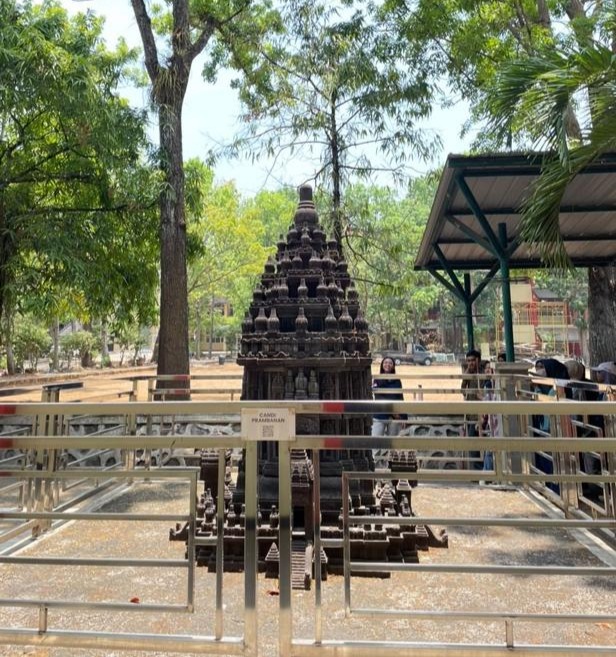
One of the university’s educational heritage facilities is located at the C5 Building of the Faculty of Social and Political Sciences (FISIP). The historical collections include replicas of Singasari Temple, Prambanan Temple, and Plaosan Temple. These replicas serve as visual learning resources for understanding temple architecture, Indonesia’s Hindu-Buddhist heritage, and the development of classical civilizations in the Indonesian archipelago. They also provide educational opportunities for students and visitors interested in exploring the country’s historical and cultural heritage.
UNNES also supports the preservation and appreciation of traditional arts through six arts pavilions at the Faculty of Languages and Arts (FBS). These facilities are dedicated to Javanese Karawitan, Balinese Karawitan, Calung Banyumasan, Gambang Semarang, dance, and performing arts. The pavilions provide spaces for artistic activities, cultural learning, and the appreciation of Indonesia’s diverse traditional performing arts.
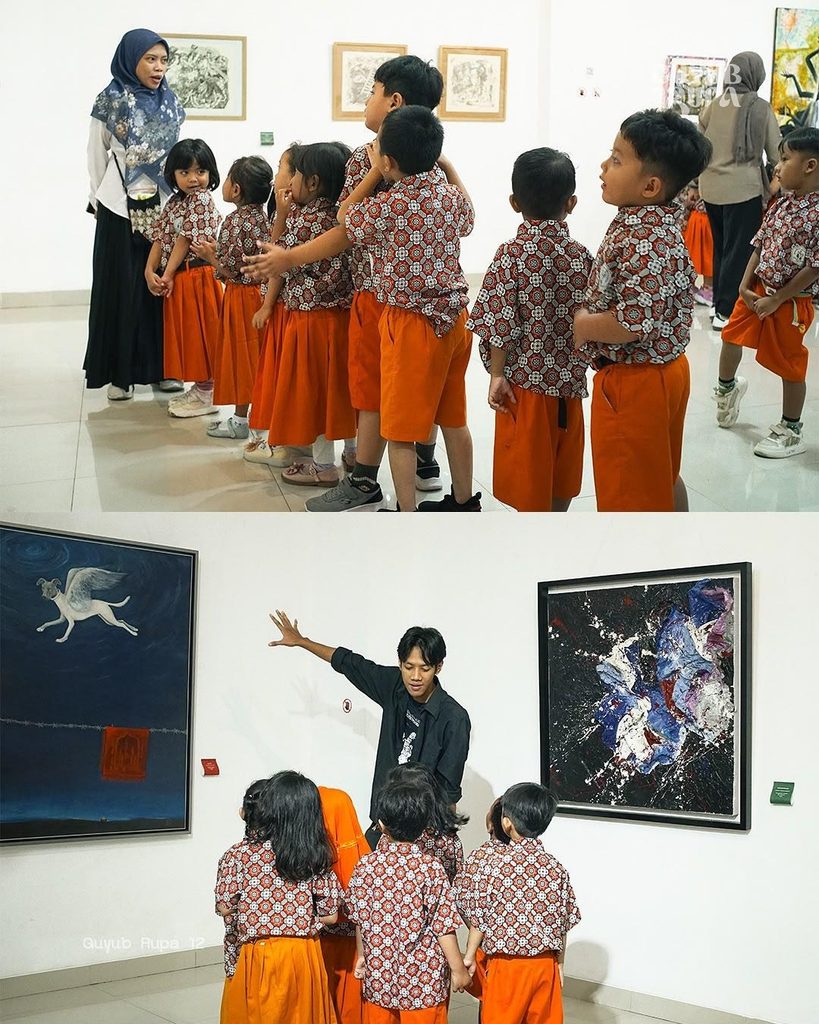
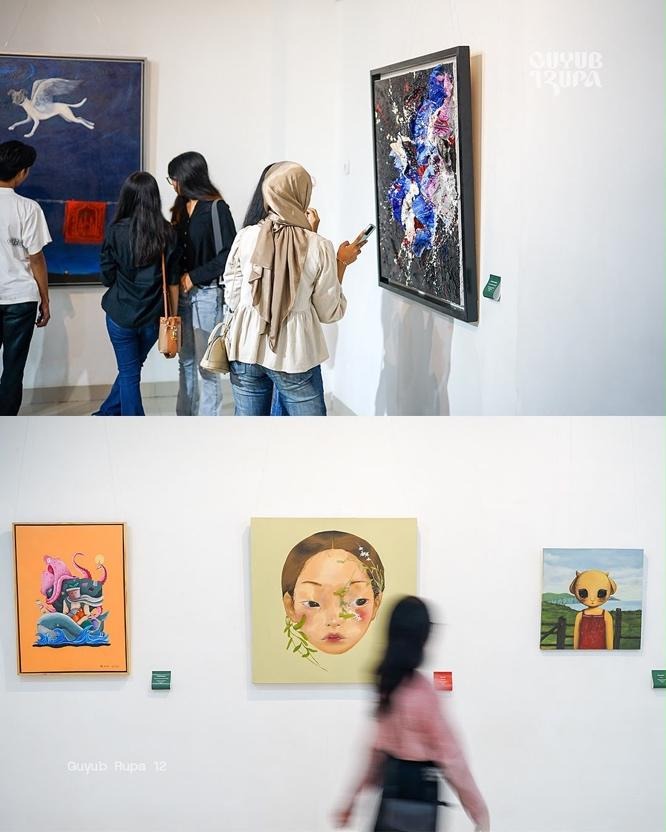
In addition to these facilities, FBS houses Galeri B9, an exhibition space that supports student creativity and public engagement with visual arts. From 5 to 12 December 2025, the gallery hosted Guyub Rupa #12, an art exhibition themed “Tumbuh” (“Growing”). The exhibition provided a platform for artistic expression and interaction between artists, students, and visitors, contributing to the development of a more active and accessible campus art environment.
Public access to these facilities is provided free of charge during relevant exhibitions, cultural events, performances, and other scheduled activities, subject to the arrangements of the respective facility managers. Through these initiatives, UNNES creates opportunities for the public to engage with historical collections, appreciate traditional and contemporary arts, and participate in cultural learning beyond the classroom.
By opening selected historical and artistic spaces to the wider community, UNNES reinforces its role in preserving Indonesia’s cultural heritage, encouraging lifelong learning, and promoting inclusive access to arts and cultural resources. These efforts contribute to the university’s broader commitment to cultural conservation and sustainable communities.