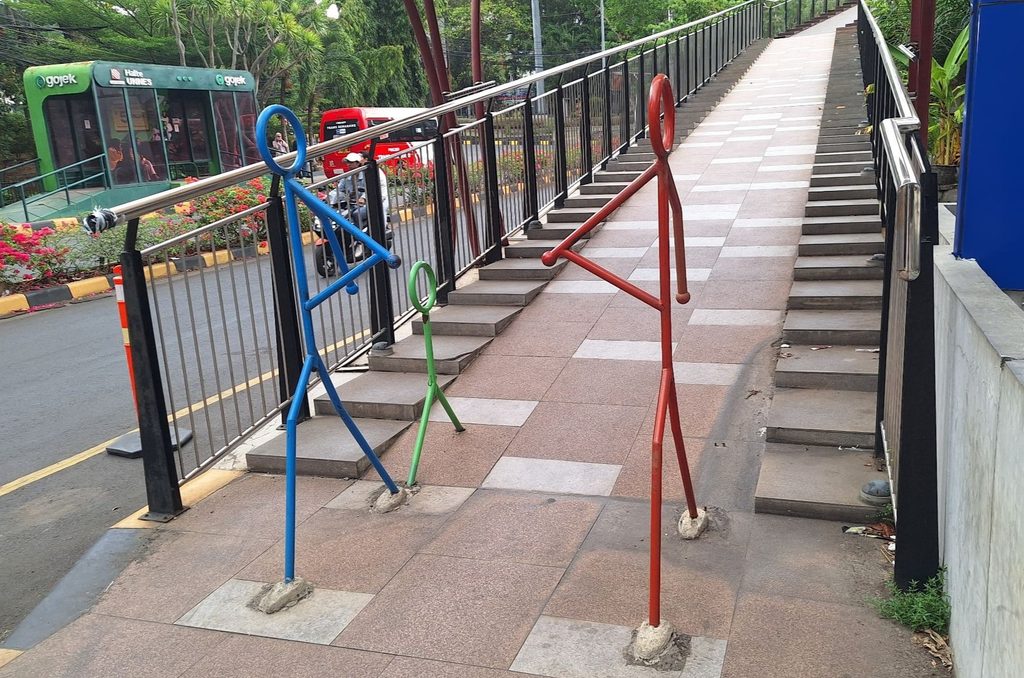
Universitas Negeri Semarang (UNNES) continues to strengthen its commitment to developing an environmentally friendly campus through the provision and improvement of pedestrian pathways. As part of its Green Campus initiative and its vision as a Conservation University, UNNES promotes walking as a sustainable mode of transportation while supporting a safer, more accessible, and healthier campus environment.
UNNES provides a total of 7.33 kilometers of pedestrian pathways across its West and East Campuses. The network comprises 3.98 kilometers on the West Campus and 3.35 kilometers on the East Campus. These pathways connect campus areas and support the daily mobility of students, lecturers, educational staff, and other campus users, while encouraging walking as an alternative to motorized transportation.
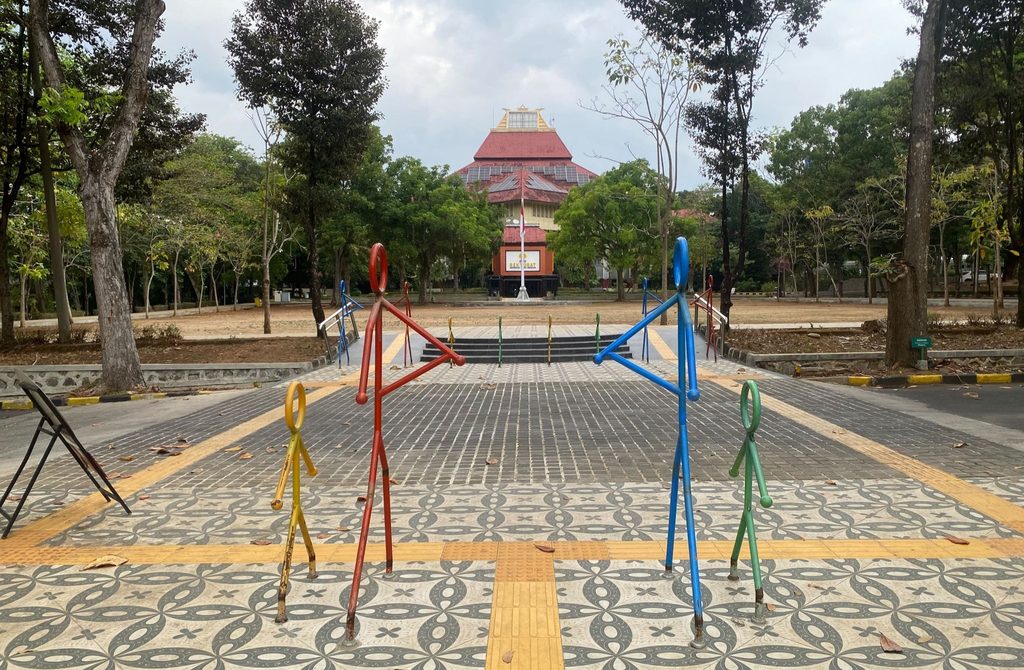
The development of pedestrian infrastructure reflects UNNES’s efforts to promote sustainable mobility and reduce dependence on private vehicles. The university also restricts motor vehicle access in selected areas, particularly around academic and student activity zones, to create a more pedestrian-friendly environment and minimize potential conflicts between pedestrians and vehicles.
In addition to supporting environmentally responsible transportation, pedestrian pathways contribute to a more inclusive campus. UNNES seeks to improve accessibility for people with disabilities and accommodate the mobility needs of diverse campus users. These efforts reinforce the importance of pedestrian infrastructure that supports safe and convenient movement throughout the university environment.
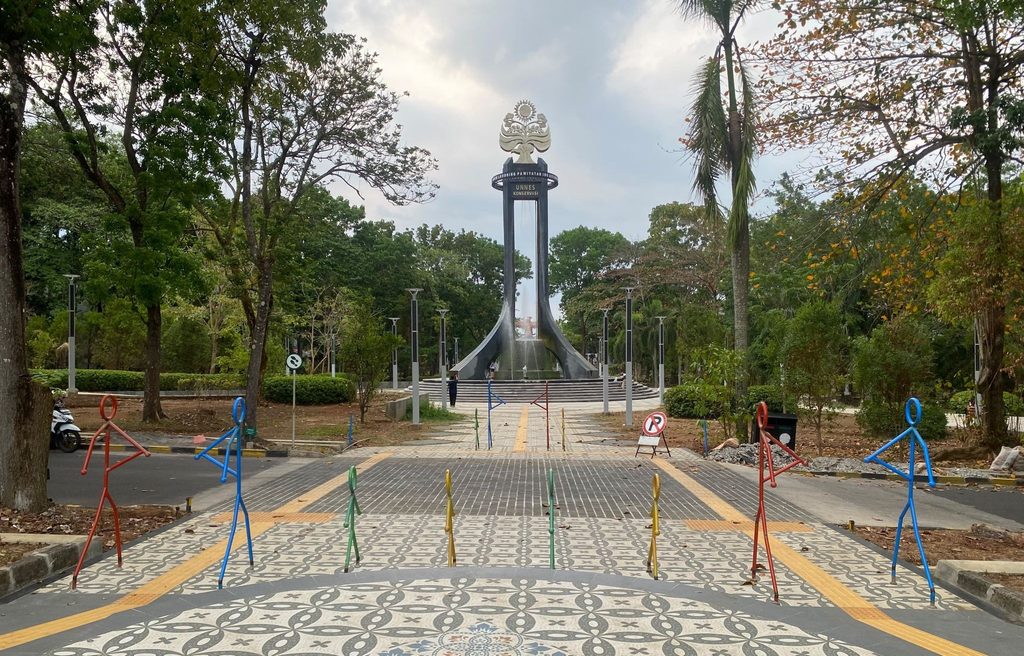
The provision of pedestrian pathways is part of UNNES’s broader sustainability agenda, which integrates environmental conservation into campus planning and daily activities. By encouraging students and staff to walk for short-distance journeys, the university promotes healthier mobility habits while supporting efforts to create a cleaner and more comfortable learning environment.
Through the continued development of pedestrian infrastructure and the management of vehicle access, UNNES demonstrates its commitment to a sustainable and inclusive campus. This initiative supports Sustainable Development Goal 11 (Sustainable Cities and Communities) and strengthens the university’s role as a Conservation University committed to environmentally responsible campus development.