

Mahasiswa FMIPA UNNES Berdayakan Masyarakat Desa Rawan Kekeringan di Klaten melalui Rainwater Harvesting dan Produksi Briket Limbah Jagung Berbasis Ekonomi Sirkular

Universitas Negeri Semarang/Faculty of Mathematics and Natural Sciences/Berita/Mahasiswa FMIPA UNNES Berdayakan Masyarakat Desa Rawan Kekeringan di Klaten melalui Rainwater Harvesting dan Produksi Briket Limbah Jagung Berbasis Ekonomi Sirkular
Kolase dua foto kegiatan lapangan di Desa Dukuh Klaten yang menampilkan mahasiswa dan anggota Karang Taruna mendorong gerobak sorong di jalan desa pada sisi kiri serta dua mahasiswa berrompi ungu-hijau mengumpulkan tongkol jagung kering ke dalam baskom pada sisi kanan.

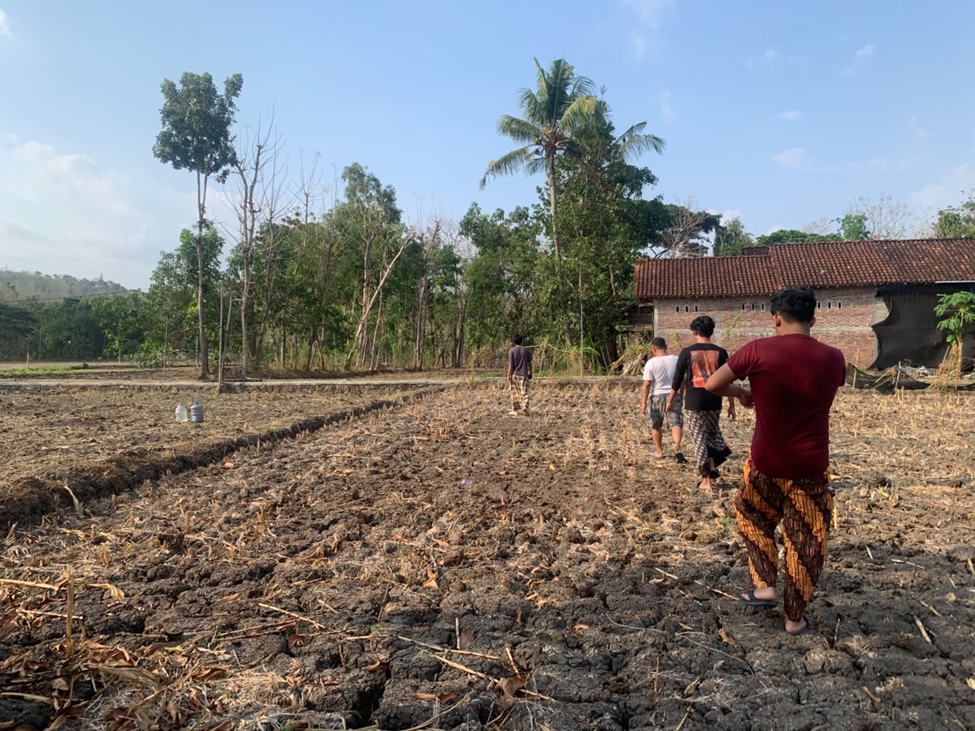
Desa Dukuh, Kecamatan Bayat, Kabupaten Klaten, merupakan salah satu wilayah yang menghadapi permasalahan kekeringan dan keterbatasan air bersih pada musim kemarau 2026. Kondisi ini menjadi tantangan bagi masyarakat yang sebagian besar menggantungkan mata pencaharian pada sektor pertanian, khususnya padi. Berangkat dari permasalahan tersebut, Himpunan Mahasiswa Pendidikan IPA dan Ilmu Lingkungan, FMIPA, Universitas Negeri Semarang (UNNES) melaksanakan program pemberdayaan masyarakat melalui inovasi konservasi air dan pemanfaatan limbah pertanian.

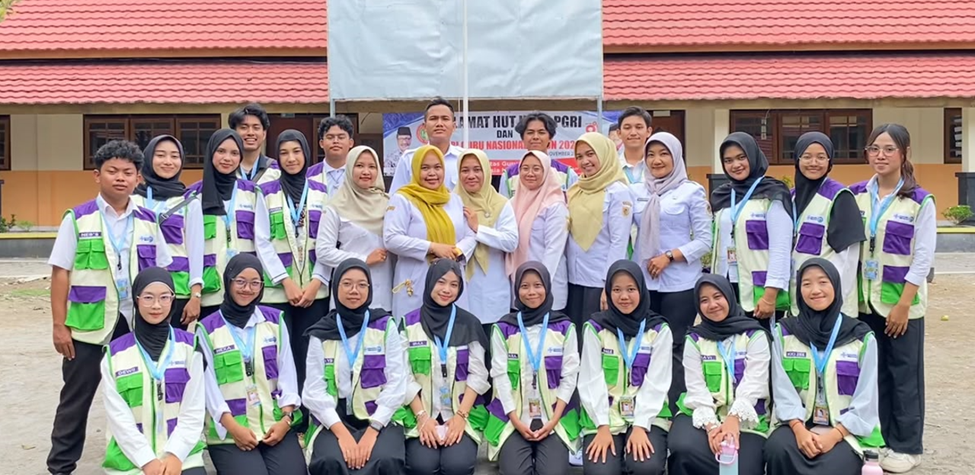
Kegiatan bertajuk “Pemberdayaan Kelompok Tani dan Karang Taruna Desa Dukuh melalui Rainwater Harvesting dan Briket Limbah Jagung Berbasis Ekonomi Sirkular” dilaksanakan oleh tim mahasiswa Himpunan Mahasiswa Pendidikan IPA dan Ilmu Lingkungan pada Oktober hingga awal Desember 2026. Program ini merupakan bagian dari Aksara Mahasiswa (Aksi Pembelajaran dan Pemberdayaan Masyarakat oleh Mahasiswa) yang diluncurkan oleh Kementerian Pendidikan Tinggi, Sains, dan Teknologi (Kemdiktisaintek).

Program tersebut berada di bawah bimbingan Abdul Jabbar, M.Ling., Amnan Haris, M.Ling., dan Rizky Nor Amelia, M.Pd., dosen dari Program Studi Ilmu Lingkungan dan Pendidikan IPA FMIPA UNNES. Kegiatan ini melibatkan kelompok tani dan karang taruna sebagai mitra pemberdayaan masyarakat di Desa Dukuh.

Salah satu fokus program adalah penerapan Rainwater Harvesting (RWH) atau pemanenan air hujan sebagai alternatif penyediaan dan penyimpanan air untuk membantu masyarakat menghadapi keterbatasan air pada musim kemarau. Pendekatan ini diharapkan dapat meningkatkan pemanfaatan air hujan sekaligus memperkuat kesadaran masyarakat terhadap pentingnya konservasi sumber daya air.
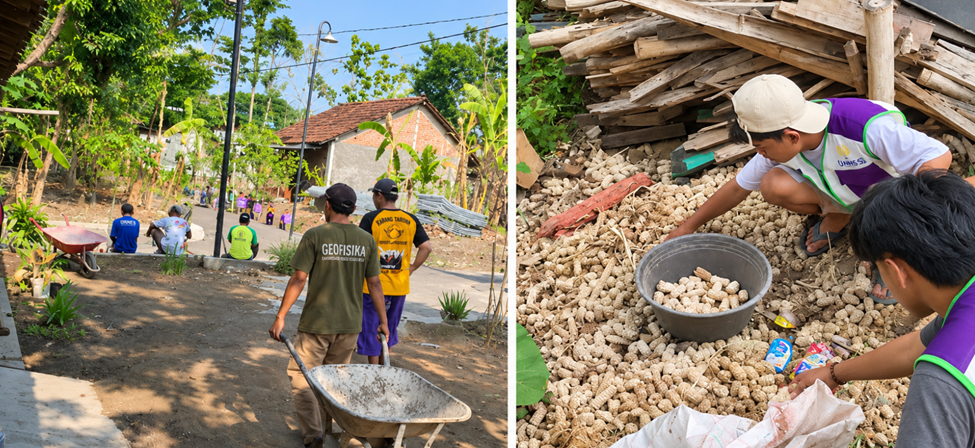
Selain konservasi air, mahasiswa juga mengembangkan pemanfaatan limbah jagung menjadi briket biomassa sebagai bentuk penerapan ekonomi sirkular. Inovasi ini diarahkan untuk meningkatkan nilai guna residu pertanian menjadi bahan bakar alternatif. Pengembangan briket juga sejalan dengan bidang kajian yang telah banyak dikembangkan dalam kegiatan penelitian di Program Studi Ilmu Lingkungan FMIPA UNNES.

Melalui keterlibatan kelompok tani dan karang taruna, program ini diharapkan dapat memperkuat keterampilan masyarakat dalam pengelolaan sumber daya lokal, mengurangi limbah pertanian yang belum dimanfaatkan, serta membuka peluang pengembangan kegiatan ekonomi produktif berbasis lingkungan.
Kegiatan ini mendukung Sustainable Development Goals (SDGs), khususnya SDG 6 (Air Bersih dan Sanitasi Layak) melalui pemanenan air hujan, SDG 7 (Energi Bersih dan Terjangkau) melalui pengembangan briket biomassa, SDG 12 (Konsumsi dan Produksi yang Bertanggung Jawab) melalui pemanfaatan limbah pertanian berbasis ekonomi sirkular, serta SDG 17 (Kemitraan untuk Mencapai Tujuan) melalui kolaborasi mahasiswa, perguruan tinggi, dan masyarakat desa.

Melalui program Aksara Mahasiswa, FMIPA UNNES menunjukkan kontribusinya dalam mengintegrasikan pendidikan, inovasi teknologi tepat guna, dan pemberdayaan masyarakat. Program ini diharapkan dapat mendukung ketahanan air, pemanfaatan energi alternatif, serta pengembangan ekonomi sirkular yang sesuai dengan potensi dan kebutuhan masyarakat Desa Dukuh.

Related Posts

Leave a Reply

* Kode Akses Komentar:

* Tuliskan kode akses komentar diatas:

GDPR

  • Privacy Policy

Privacy Policy

At unnes.ac.id, the privacy of our visitors is of extreme importance to us. This privacy policy document outlines the types of personal information that is received and collected by unnes.ac.id and how it is used.

Log Files

Like many other Web sites, unnes.ac.id makes use of log files. The information inside the log files includes internet protocol (IP) addresses, type of browser, Internet Service Provider (ISP), date/time stamp, referring/exit pages, and number of clicks to analyze trends, administer the site, track user’s movement around the site, and gather demographic information. IP addresses and other such information are not linked to any information that is personally identifiable.

Cookies

unnes.ac.id uses cookies to store information about visitors’ preferences, to record user-specific information on which pages the site visitor accesses or visits, and to personalize or customize our web page content based upon visitors’ browser type or other information that the visitor sends via their browser.

Third-party ad servers or ad networks use technology in their respective advertisements and links that appear on unnes.ac.id and which are sent directly to your browser. They automatically receive your IP address when this occurs. Other technologies (such as cookies, JavaScript, or Web Beacons) may also be used by our site’s third-party ad networks to measure the effectiveness of their advertising campaigns and/or to personalize the advertising content that you see on the site.

unnes.ac.id has no access to or control over these cookies that are used by third-party advertisers.

You should consult the respective privacy policies of these third-party ad servers for more detailed information on their practices as well as for instructions about how to opt-out of certain practices. unnes.ac.id’s privacy policy does not apply to, and we cannot control the activities of, such other advertisers or web sites.

If you wish to disable cookies, you may do so through your individual browser options. More detailed information about cookie management with specific web browsers can be found at the browsers’ respective websites.

Consent

By using our website, you hereby consent to our privacy policy and agree to its terms.

Update

This Privacy Policy was last updated on: 2023-02-14. Should we update, amend or make any changes to our privacy policy, those changes will be posted here.

Contact Us

If you have any questions, comments, or concerns about our Privacy Policy or our practices with regards to your personal information, please feel free to contact us through the contact form on our website or by emailing us at humas[at]mail.unnes.ac.id.

This Privacy Policy is intended as a general guide to our practices in collecting and using information. If there is any inconsistency between this Privacy Policy and the terms of the Service Agreement or any other terms that may apply to specific services you use, then those specific service terms shall apply.

Terms of Use

By using our website, you agree to abide by this Privacy Policy. If you do not agree with this Privacy Policy, please do not use our website. We reserve the right to update this Privacy Policy from time to time without prior notice. Please review our Privacy Policy periodically to check for changes. Your continued use of our website following the posting of changes to this Privacy Policy means that you accept the changes.

Thank you for reading our Privacy Policy. We are committed to protecting the privacy of our website visitors and will continue to update our Privacy Policy to ensure optimal protection.