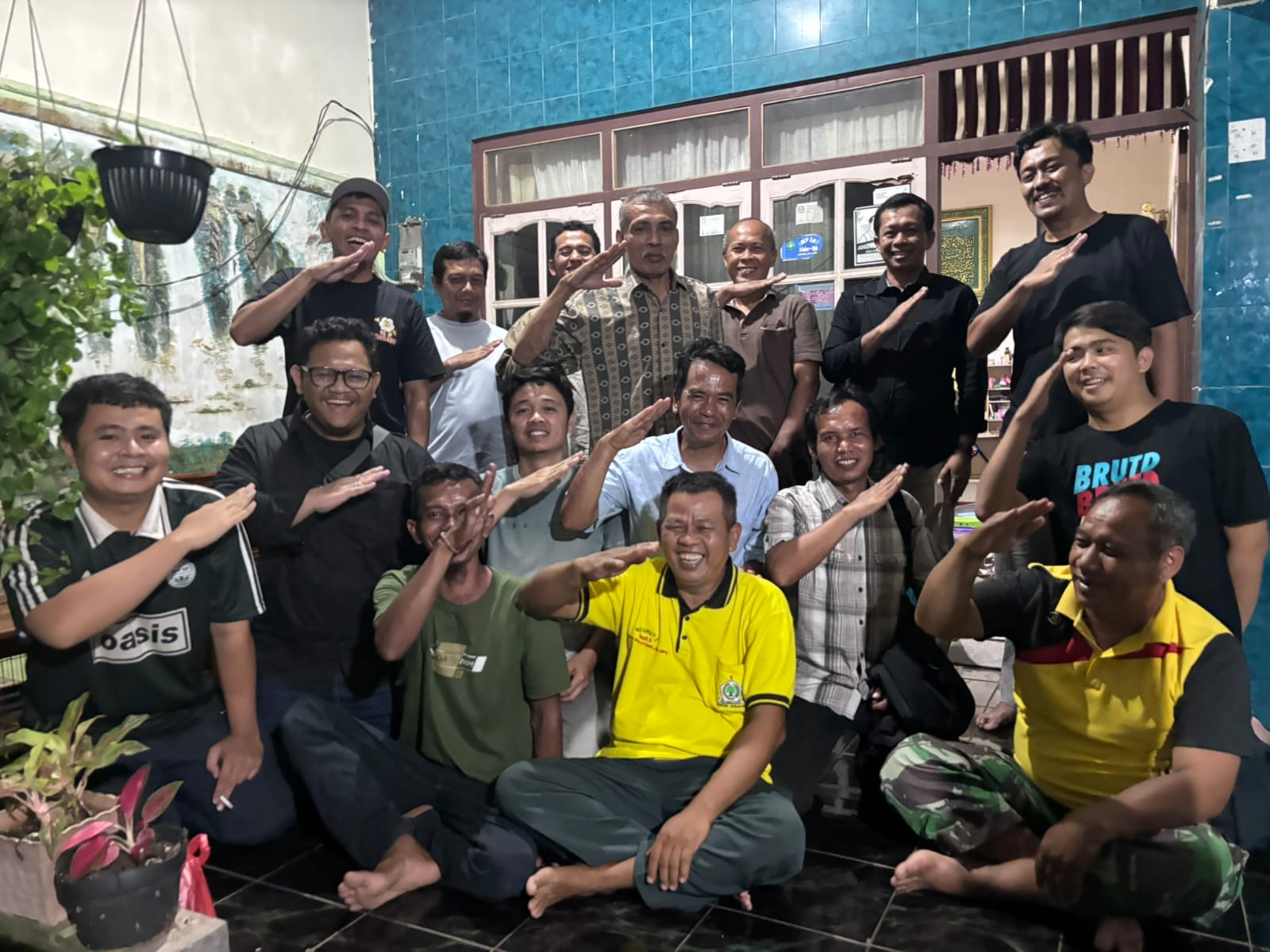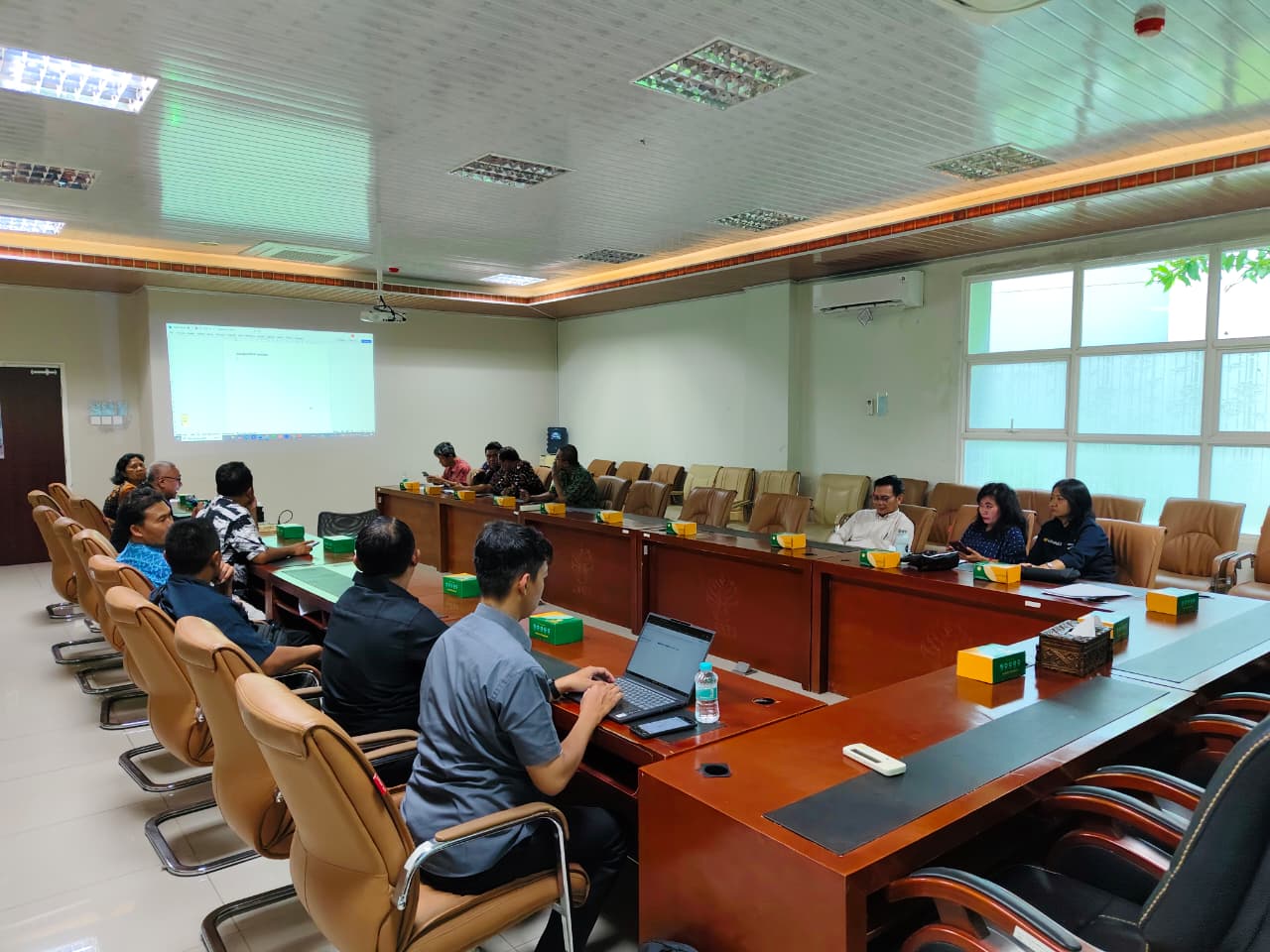


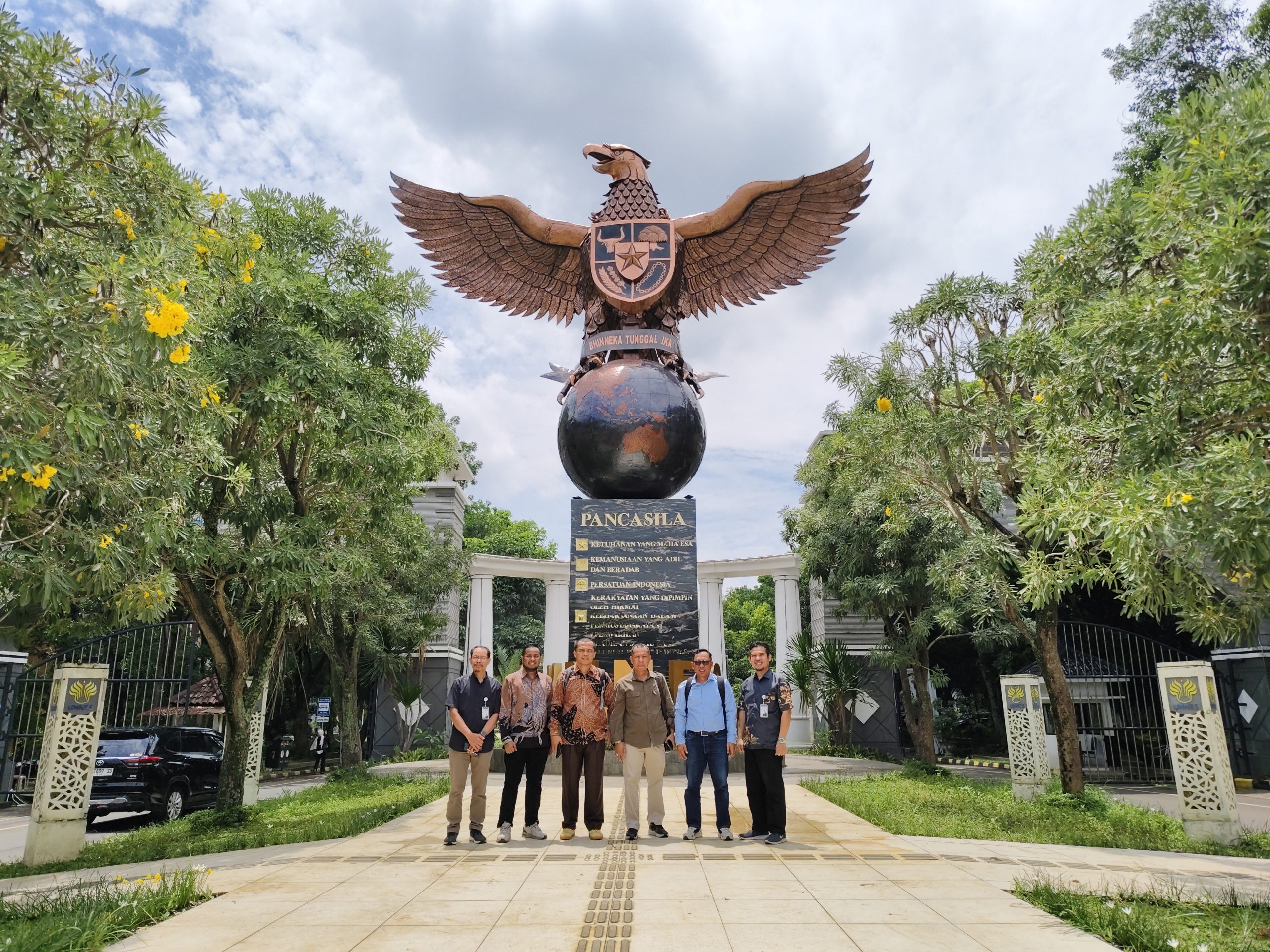
Universitas Negeri Semarang (UNNES) hosted a study visit from the leadership of Imam Bonjol State Islamic University (UIN) Padang on Wednesday, October 22, 2025, with the aim of learning more about campus conservation practices, particularly in waste management and innovation development. The UIN Imam Bonjol Padang team, which included the Vice Rector for Academic and Institutional Affairs, the Vice Rector for AUPK, the Head of the Administration and Household Subdivision of the General Section of the AUPK Bureau, and an Assistant Expert Lecturer from the Faculty of Science and Technology, were welcomed directly by the UNNES leadership.
The official welcome was led by UNNES Vice Rector I, Prof. Dr. Zaenuri, M.Sc., Akt., accompanied by the Director of AKK, Mr. Mulyo Widodo, S.Pd., M.M., and the Head of the Conservation Sub-Directorate, Prof. Dr. Nana Kariada Tri Martuti, M.Sc., demonstrating UNNES’s commitment to sharing best practices. The main focus of the visit was the UNNES Integrated Waste Processing Facility (TPST). The UIN Imam Bonjol team explored how the integrated waste management system operates, from sorting to processing organic waste into products with economic value, as a concrete manifestation of support for the Sustainable Development Goals (SDGs).
In addition to the TPST, the group also visited the Innovation House, a facility that serves as a showcase and platform for the development of innovative products created by the UNNES academic community. The trip continued to the UNNES Arts and Culture House, also known as the UNNES Cultural Village, to observe how the campus preserves and develops local artistic heritage and traditions. Finally, the UIN Imam Bonjol team also visited the UNNES Ecofarm, an area dedicated to sustainable agricultural practices and food security, including greenhouses and hydroponic gardens. Prof. Dr. Zaenuri, M.Si., Akt., expressed his hope that this visit would open up opportunities for broader collaboration between the two institutions, particularly in realizing campus governance based on conservation and innovation.