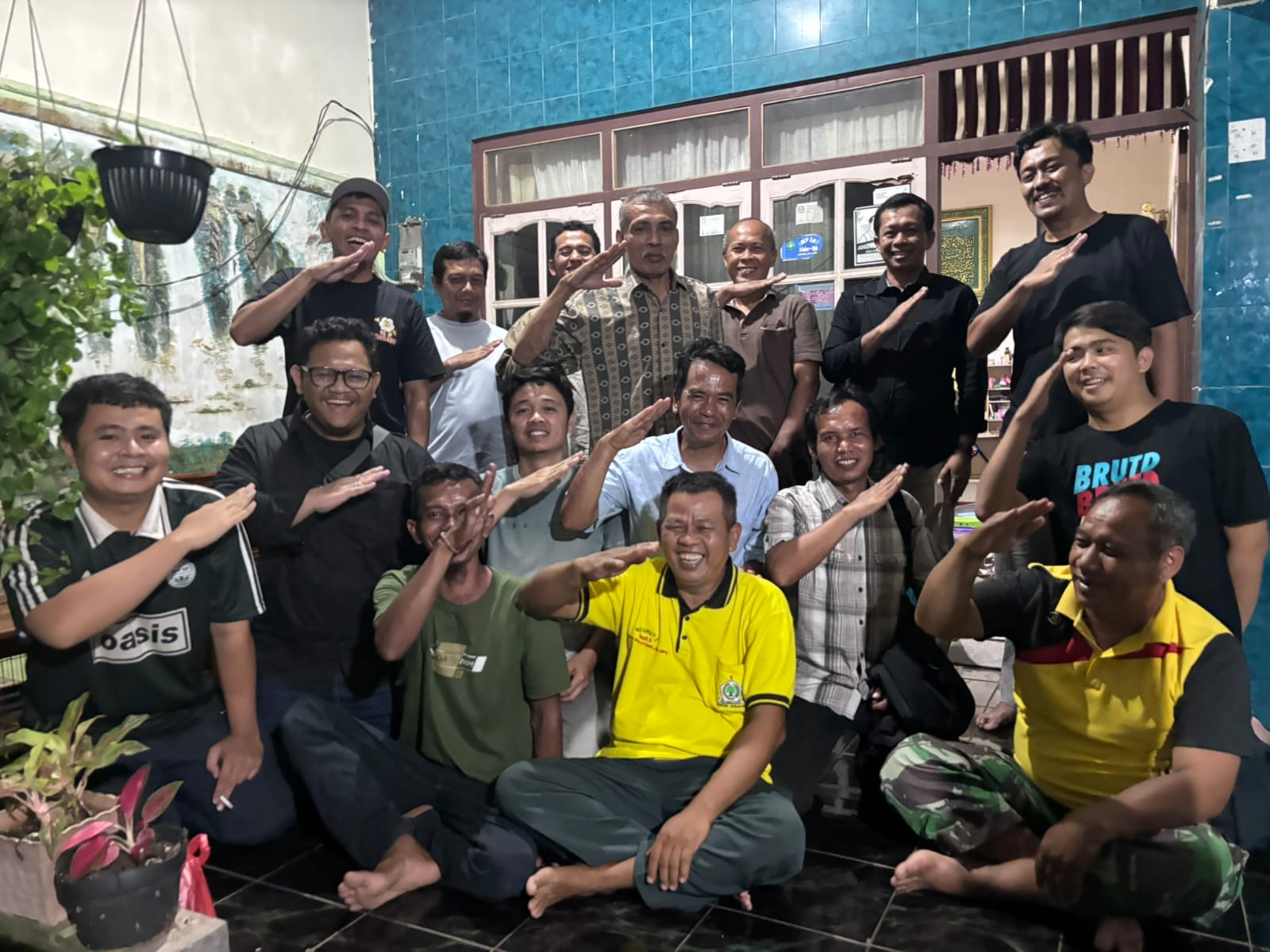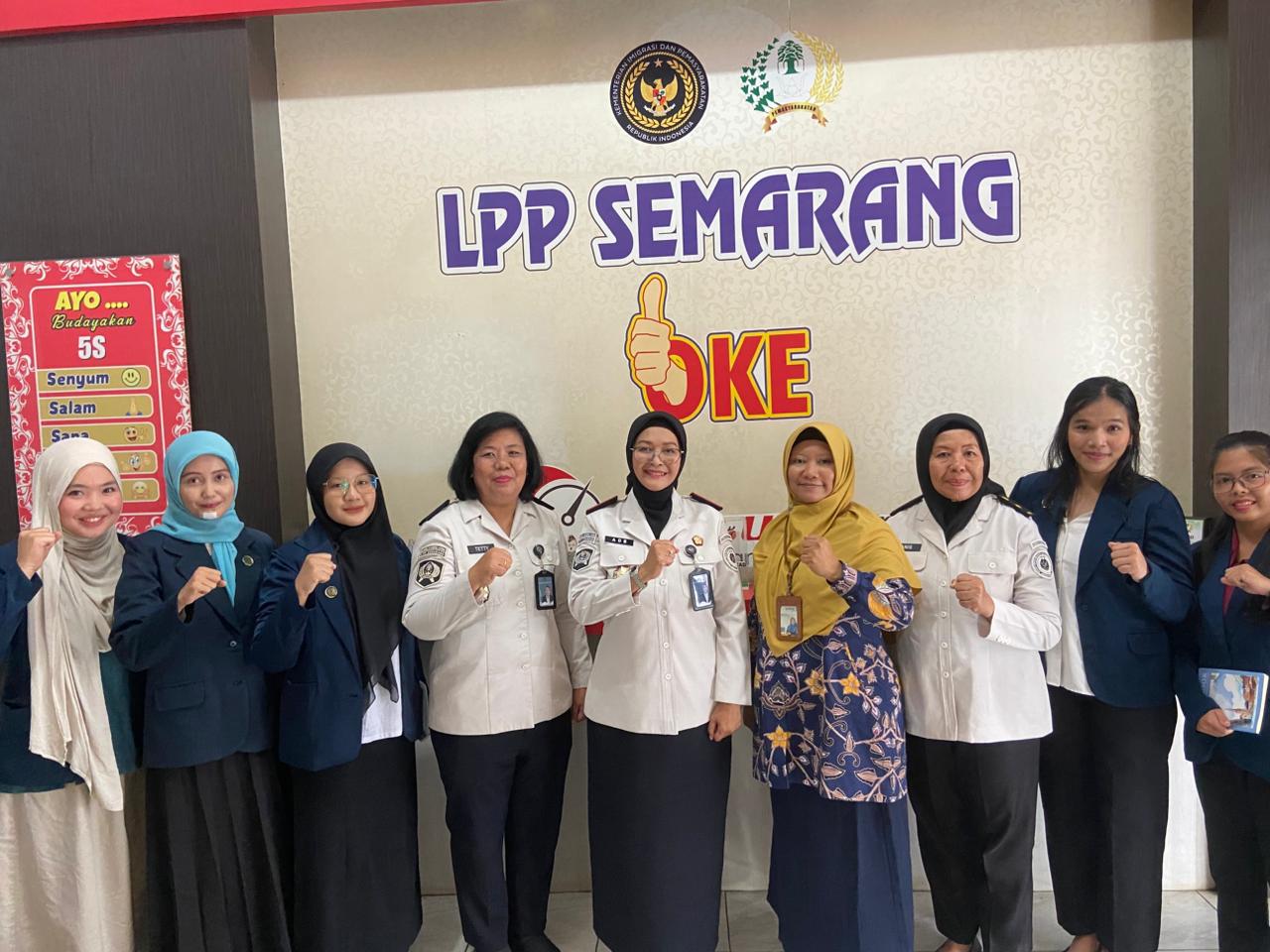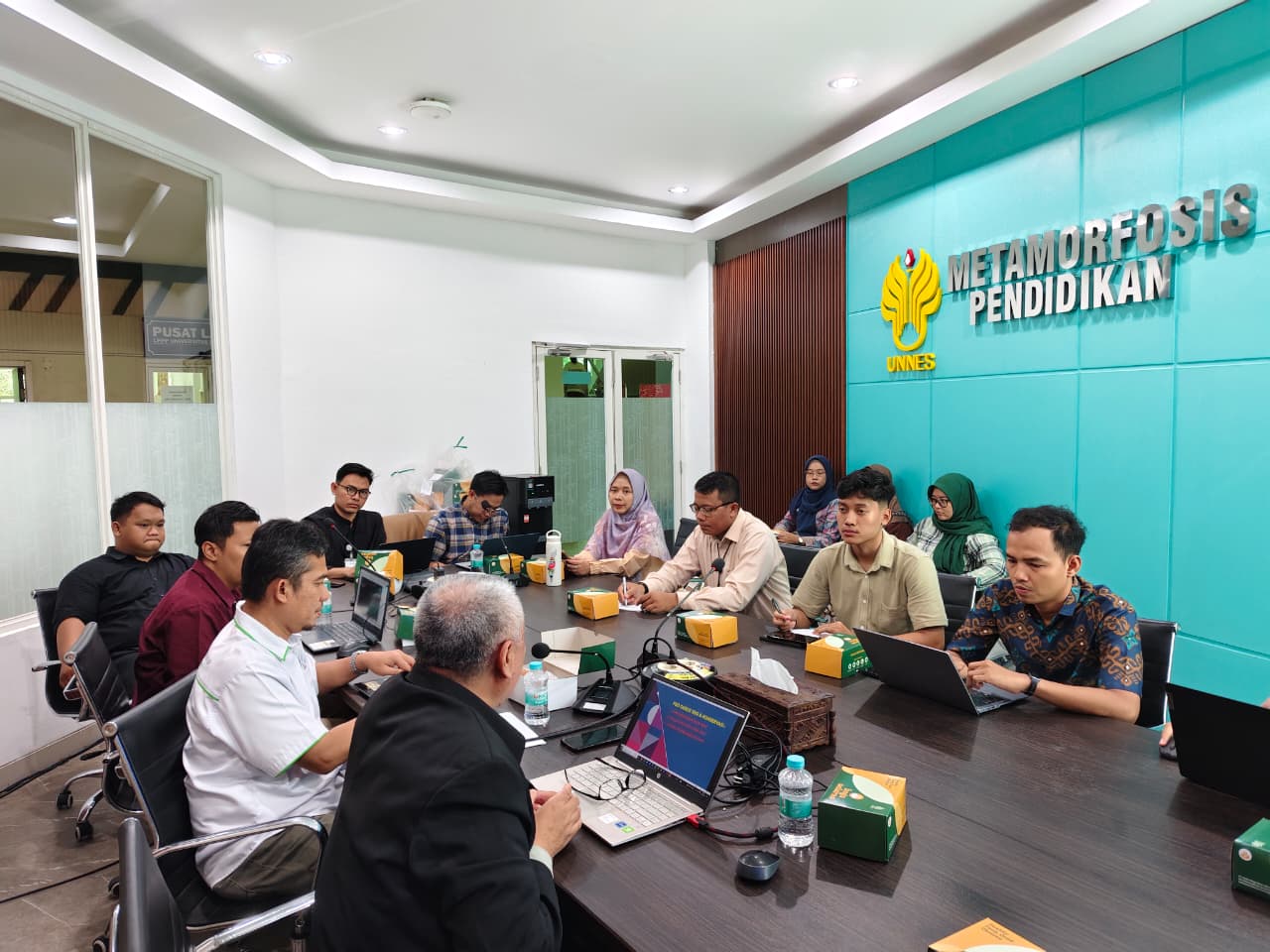


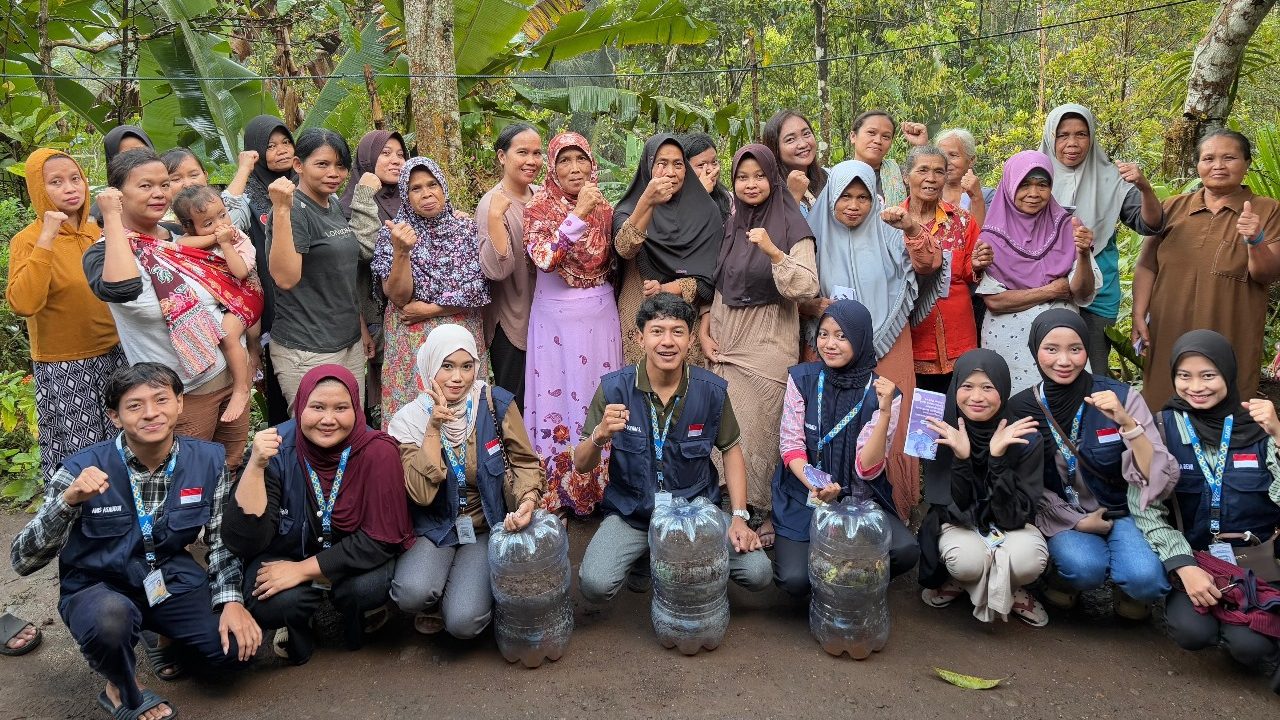
Students from the Universitas Negeri Semarang (UNNES) Community Service Program (KKN) Giat 12 conducted a waste management training program based on 2-in-1 composter technology from used gallon jugs in Separe Hamlet, Ngesrepbalong Village, Limbangan District, Kendal Regency. This activity targeted a group of housewives, with 25 participants in the first meeting and 20 in the second.
This activity was motivated by the high volume of poorly managed household waste and limited access to independent waste management systems among residents. Organic and plastic waste is often burned or dumped directly into the environment, causing pollution and health problems.
In response to these issues, UNNES KKN students provided training and mentoring to residents on how to make and use a 2-in-1 composter from used gallon jugs. During the two-week training, held at the residence of a community leader, Mrs. Witarti, participants learned about anaerobic fermentation, the use of bioactivators, and hands-on experience in composting and maintenance.
“With this composter, household organic waste can be processed into compost that is beneficial for residents’ gardens, while also reducing the amount of waste dumped into the environment,” said one of the students of Community Service Program Giat 12.
This composter, made from used gallon jugs, is an appropriate technology that is inexpensive, applicable, and environmentally friendly. With this tool, residents can process organic waste into ready-to-use compost to fertilize their gardens. As an agricultural area, this compost is very useful for increasing agricultural productivity for residents of Separe Hamlet.
In addition to reducing waste volume and preventing environmental pollution, this activity also encourages a circular economy at the household level, where organic waste is processed and reused to support residents’ productive activities. The use of used gallon jugs also educates the community about the importance of plastic recycling as an effort to reduce non-organic waste.
This activity aligns with the spirit of the Impact Campus, where students are encouraged to apply knowledge as real solutions to community problems. Through impactful community service based on environmental sustainability, UNNES strengthens its role as a solution center for addressing social and ecological challenges at the grassroots level.
Through this training, UNNES Community Service Program students hope the community will adopt new habits for more environmentally friendly and sustainable household waste management. The program is also expected to inspire other regions to implement similar innovations tailored to their respective local needs.