

Related to SDGs
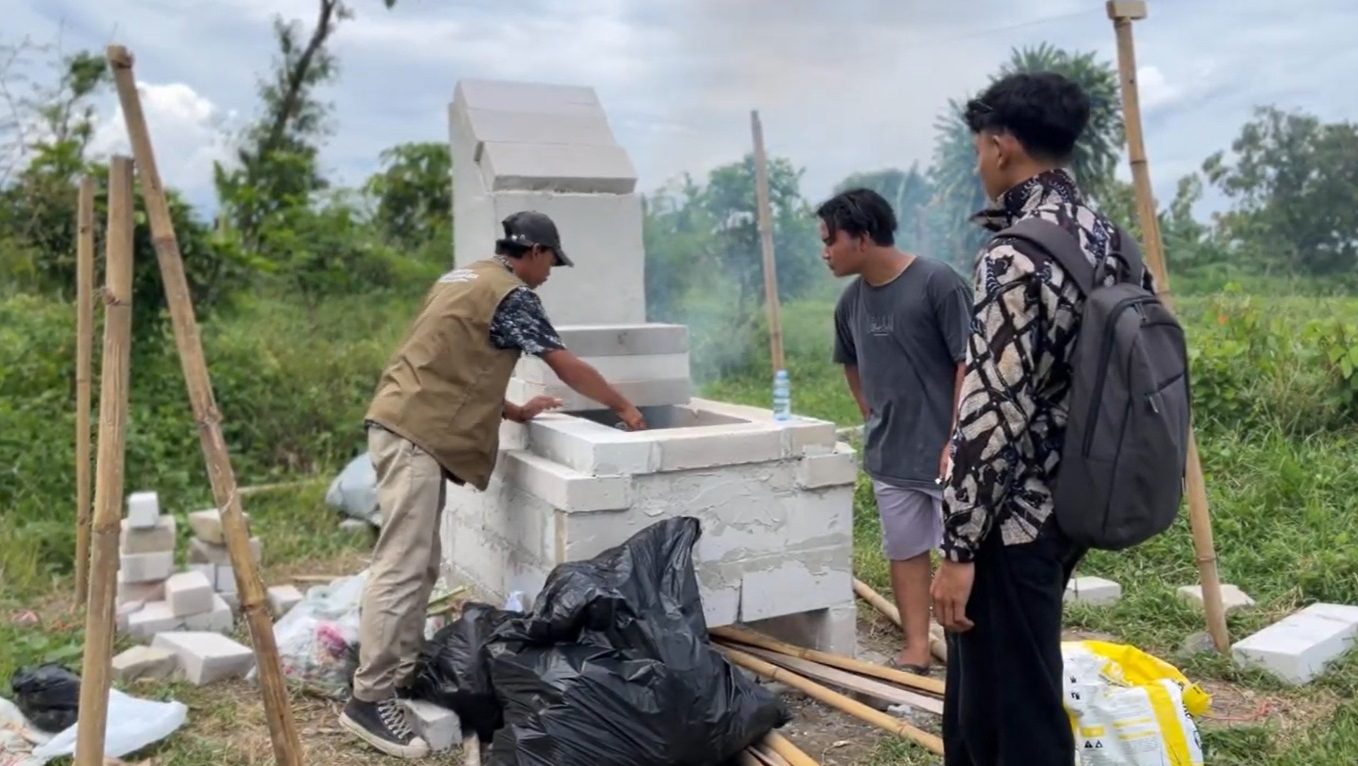
Improperly managed waste remains a challenge in several rural areas in Indonesia, including Brangkal Village, Klaten Regency. The common practice of dumping waste in open areas and burning it in the open often leads to environmental pollution, especially air pollution that impacts local communities. Responding to this condition, students from the GIAT 14 Program of Universitas Negeri Semarang (UNNES), under the guidance of Field Supervisor Septina Sulistyaningrum, S.Pd., M.Pd., introduced an eco‑friendly incinerator as an alternative waste‑management solution for the village. [unnes.ac.id]
The incinerator is a controlled‑burn waste‑processing tool designed to minimize the volume of waste while producing minimal exhaust smoke. The initiative stemmed from discussions with village authorities and observations of Brangkal’s geographical condition, which lies close to the Klaten–Solo–Yogyakarta Toll Road. This location makes open burning highly dangerous as thick smoke can obstruct drivers’ visibility and threaten road safety.
“Open burning is still often found in Brangkal, even though the area lies near a major toll road. Seeing this situation, we created a low‑smoke incinerator as a safer method for residents to manage waste without endangering toll‑road users,” explained Busyairi Majid, coordinator of the GIAT 14 student team.
Construction began on December 25, 2025, with the team selecting a location near the village’s waste bank and duck coop. This site was chosen for its strategic placement—not too far from residential areas and still accessible—while also maintaining safety and avoiding disruption to daily activities.
The construction stages included:
- Pouring concrete to create a strong foundation
- Building the burning chamber and waste chamber using hebel blocks and metal supports
- Installing a smoke chimney to ensure proper airflow during combustion
- Plastering the entire structure with cement to prevent smoke leakage
Once the structure was completed, the team carried out a test burn using dry waste and firewood to ensure that the incinerator operated effectively and safely before being handed over to the community.