


Related to SDGs


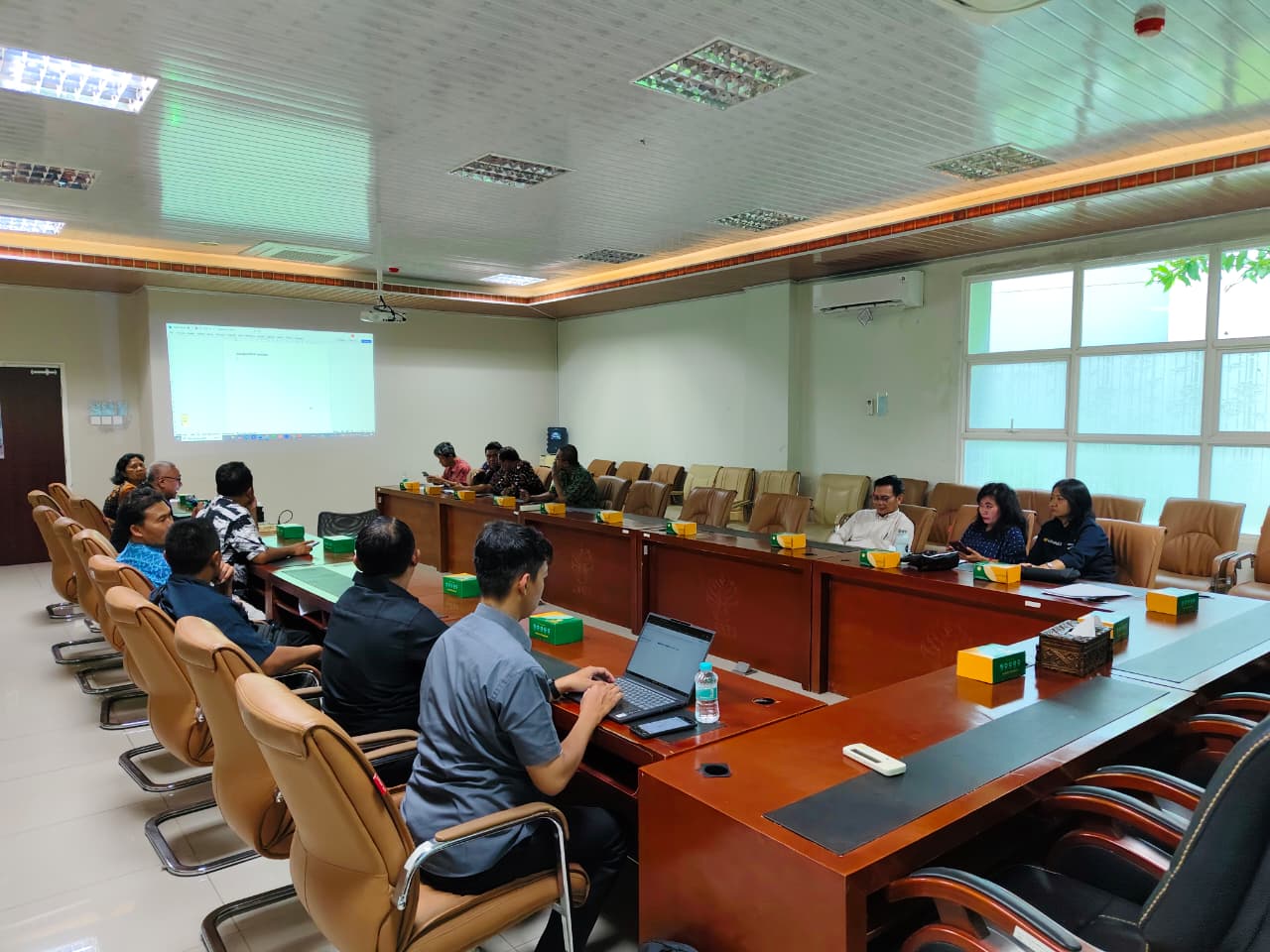
Students of Universitas Negeri Semarang (UNNES) have conducted an independent research project focusing on the analysis of campus air quality as a form of academic contribution to environmental conservation efforts. This initiative reflects UNNES’s commitment as a Conservation-Oriented University, which continuously encourages active participation from the academic community in monitoring and improving environmental quality across the campus.
The research was carried out by measuring various air quality parameters at several locations within the university campus. The collected data were then analyzed to assess current air conditions and identify potential factors influencing air quality, such as vehicle mobility, student activities, and the use of campus facilities. Through this study, students not only enhanced their scientific and analytical skills but also developed greater awareness of environmental issues that directly impact the health and well-being of the academic community.
This independent research activity represents an implementation of research-based learning, enabling students to engage directly with real-world environmental challenges in their immediate surroundings. The research findings are expected to serve as recommendations for campus management in formulating policies related to environmental management, particularly in improving air quality, controlling emissions, and planning green open spaces within the campus area.
From a sustainable development perspective, the campus air quality study is closely linked to the Sustainable Development Goals (SDGs). Efforts to monitor and analyze air quality contribute to SDG 3 (Good Health and Well-Being) by providing scientific data that support the creation of a healthier and safer campus environment for all stakeholders. In addition, the research supports SDG 11 (Sustainable Cities and Communities) through initiatives aimed at improving environmental quality and reducing the negative impacts of human activity on ambient air in educational areas.
Furthermore, student involvement in environmental research aligns with SDG 4 (Quality Education), particularly in strengthening research-based learning and developing 21st-century skills. Through independent research, students gain hands-on experience in applying scientific methods, critical thinking, and data-driven decision-making, producing knowledge that is relevant to sustainable development needs.
Through this initiative, UNNES reaffirms its role as an educational institution that prioritizes not only academic excellence but also environmental awareness and responsibility. The independent research on campus air quality is expected to stimulate further data-driven conservation actions and strengthen student participation in supporting environmental sustainability within the university setting.