

Related to SDGs
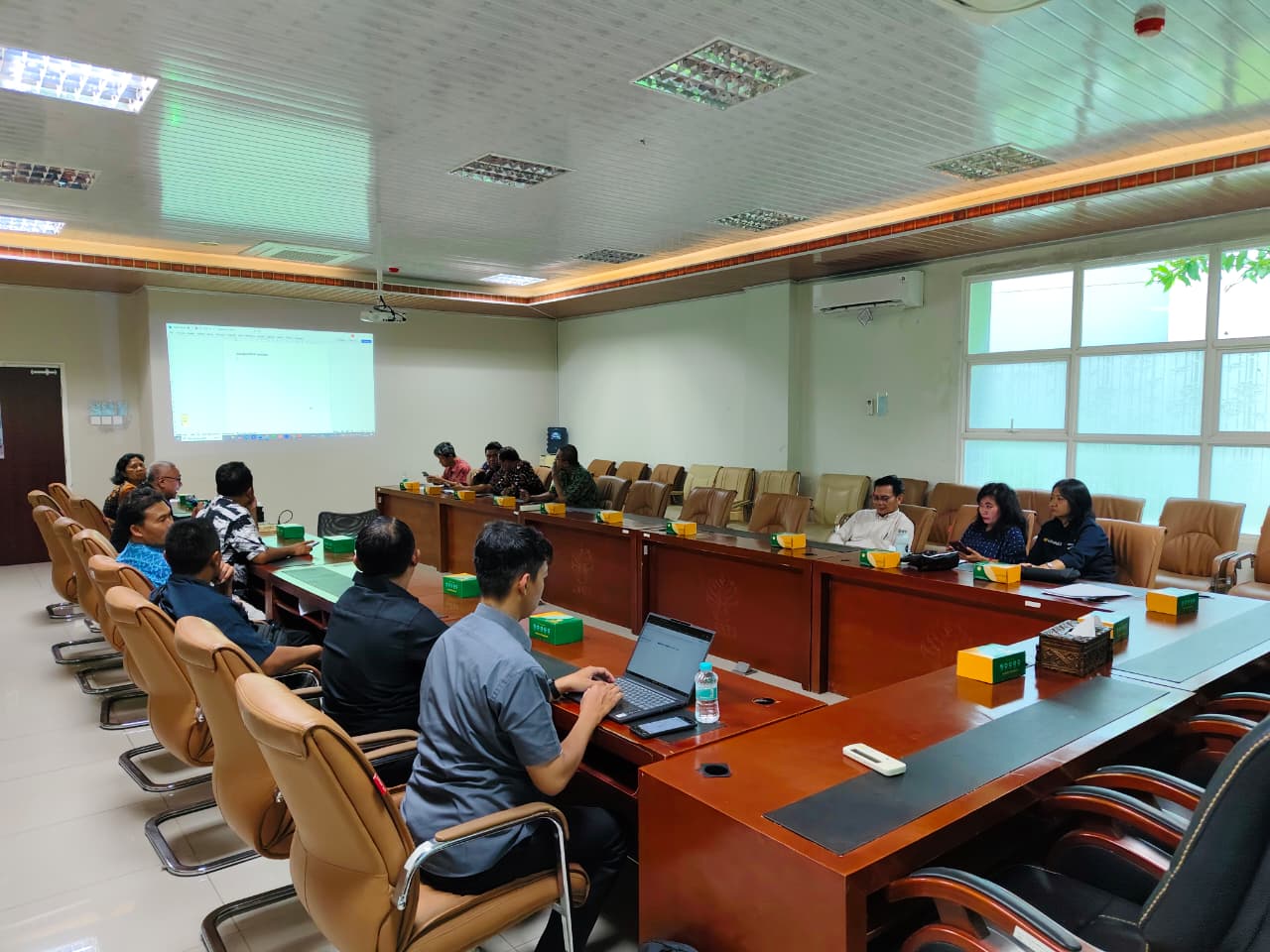
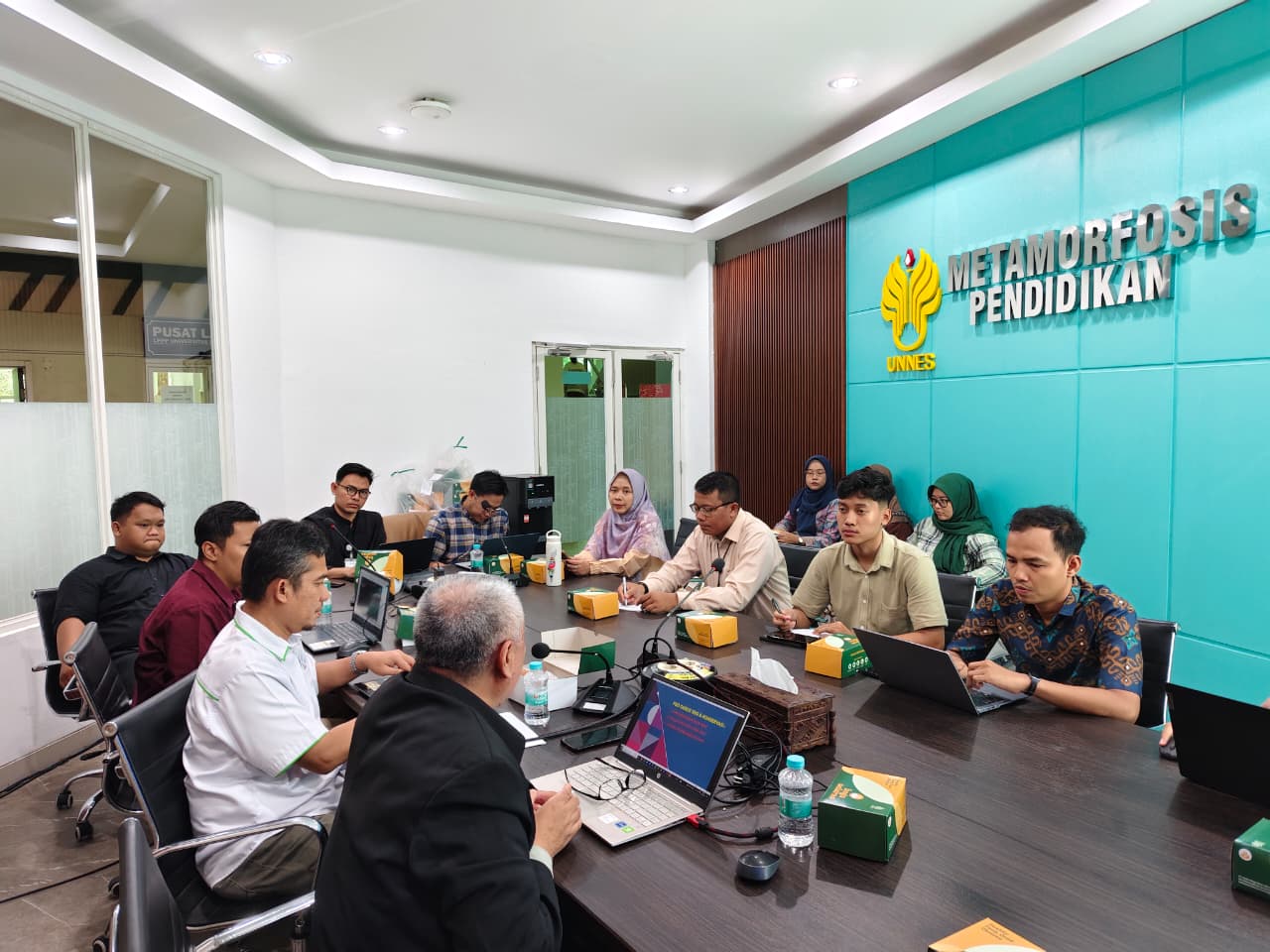
The Subdirectorate of Conservation of Universitas Negeri Semarang (UNNES) organized a Focus Group Discussion (FGD) of the Conservation Working Group on Tuesday, April 7, 2026, as part of ongoing efforts to strengthen the implementation of the conservation campus concept and the achievement of the Sustainable Development Goals (SDGs). The forum was attended by 25 participants representing the Conservation and SDGs Working Groups from all units and faculties within UNNES.
The discussion focused on updating conservation data and evidence, particularly related to Habitat (HBAT) and the University Impact on Global Metric (UIGM). Data reporting emphasized the October 2025 to May 2026 period, including updated evidence from courses integrating the 17 SDGs, lecturer and student publications, and the importance of reporting through official faculty websites. The Subdirectorate of Conservation highlighted the need to ensure data quality and validity, including the use of time-stamped photographic documentation, clear captions, and consistent photo composition.
Participants also discussed strategies to strengthen sustainable campus environmental management, including revalidation of biopores and infiltration wells, the standardization of conservation site coding systems, and the planned implementation of household water metering integrated with Internet of Things (IoT) technology. In addition, units and faculties were encouraged to complete supporting documentation such as integrity zone decrees, community-based development programs, and alumni tracking related to green jobs aligned with the SDGs.
Tree planting programs were another key focus of the FGD. It was agreed that planting activities would be conducted in the current year under two schemes: faculty-facilitated planting with a ratio of three students per tree and independent planting with a ratio of one student per tree. Thirty percent of planting activities will be facilitated directly by faculties, while the remaining seventy percent will be carried out independently by students. All planting activities will be monitored through the SIOMON application, which has been integrated with UNNES academic systems and is regularly validated by conservation administrators.
Through this FGD, UNNES reaffirmed its commitment to integrating sustainable education, environmentally responsible campus management, and climate action. The Conservation Working Group FGD directly supports the achievement of SDG 4 on Quality Education, SDG 11 on Sustainable Cities and Communities, and SDG 13 on Climate Action, while further strengthening UNNES’s role as a conservation-oriented university committed to sustainable development.