

Related to SDGs
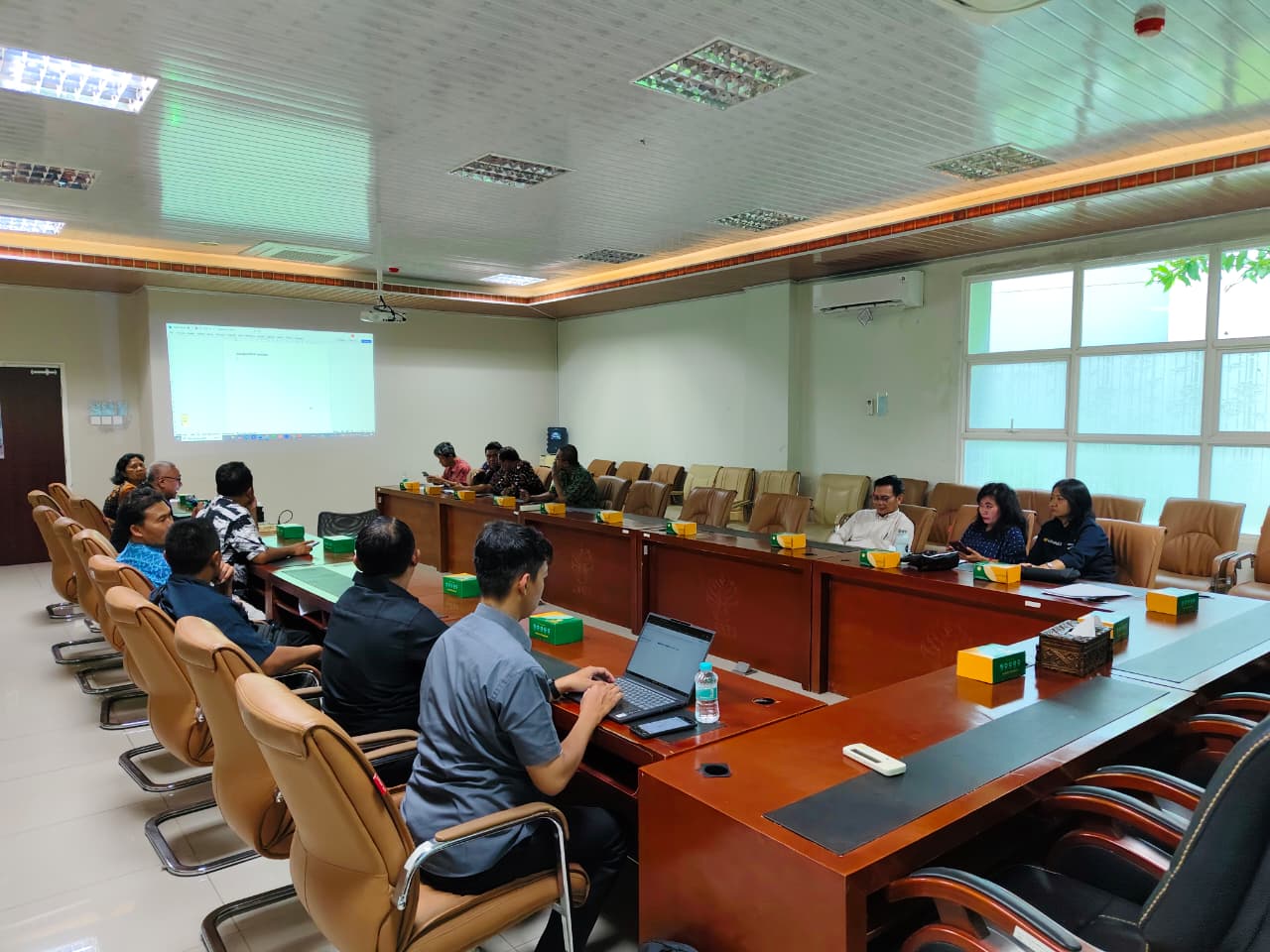
The Conservation Subdirectorate of Universitas Negeri Semarang (UNNES) organized a Focus Group Discussion (FGD) on Electricity and Water Efficiency on Wednesday, April 1, 2026. The forum was attended by 30 participants, including the Conservation Subdirectorate team and representatives of general affairs divisions from all faculties, units, and central offices across the UNNES campus.
The FGD aimed to strengthen coordination and formulate strategic measures for more efficient, accountable, and sustainable management of energy and water resources within the university. Particular emphasis was placed on improving the availability of accurate, unit-based quantitative data, as efficiency assessments to date have largely relied on aggregated household-level data.
During the discussion, participants agreed on the need for each faculty and unit to establish clear Standard Operating Procedures (SOPs) for electricity and water efficiency, complete with defined performance indicators, targets, and realization measurements. One of the key issues highlighted was electricity consumption related to academic and student activities conducted after 4:00 p.m., which was identified as requiring stricter regulation through SOPs governing building use, facilities, and activity scheduling, supported by enhanced supervision.
Representatives from the General Affairs unit explained that the Sekaran Campus currently operates under a centralized electricity system with two main kWh meters serving the western and eastern campus zones, making it difficult to monitor consumption at the faculty level. To address this limitation, UNNES plans to install dedicated kWh meters for each faculty, integrated with Internet of Things (IoT) technology. This system will enable real-time monitoring of electricity usage, including PLN supply, solar cell utilization, and overall energy efficiency.
Water resource management was also a major focus of the discussion. Each faculty outlined its respective water sources, including artesian wells, PDAM supply, and other local sources. The forum emphasized the importance of ensuring proper licensing for deep wells and explored opportunities to develop centralized water treatment systems as a more sustainable alternative to multiple independent water sources.
The implementation of IoT-based electricity and water metering is targeted for August–September 2026. Once operational, consumption data will be recorded every five minutes and evaluated using usage ratios per student, rather than percentage reductions alone, allowing for a more equitable and data-driven assessment of efficiency performance.
The FGD aligns with UNNES’s commitment as a conservation-oriented university and contributes to the achievement of the Sustainable Development Goals (SDGs). Improved water management supports SDG 6 (Clean Water and Sanitation), optimized energy use advances SDG 7 (Affordable and Clean Energy), and strengthened governance and responsible resource management reflect SDG 12 (Responsible Consumption and Production).
Through this forum, the Conservation Subdirectorate expects to foster shared understanding and concrete cross-unit actions toward building a more efficient, transparent, and sustainable campus resource management system, reinforcing UNNES’s role in advancing sustainable development in higher education.