

Related to SDGs

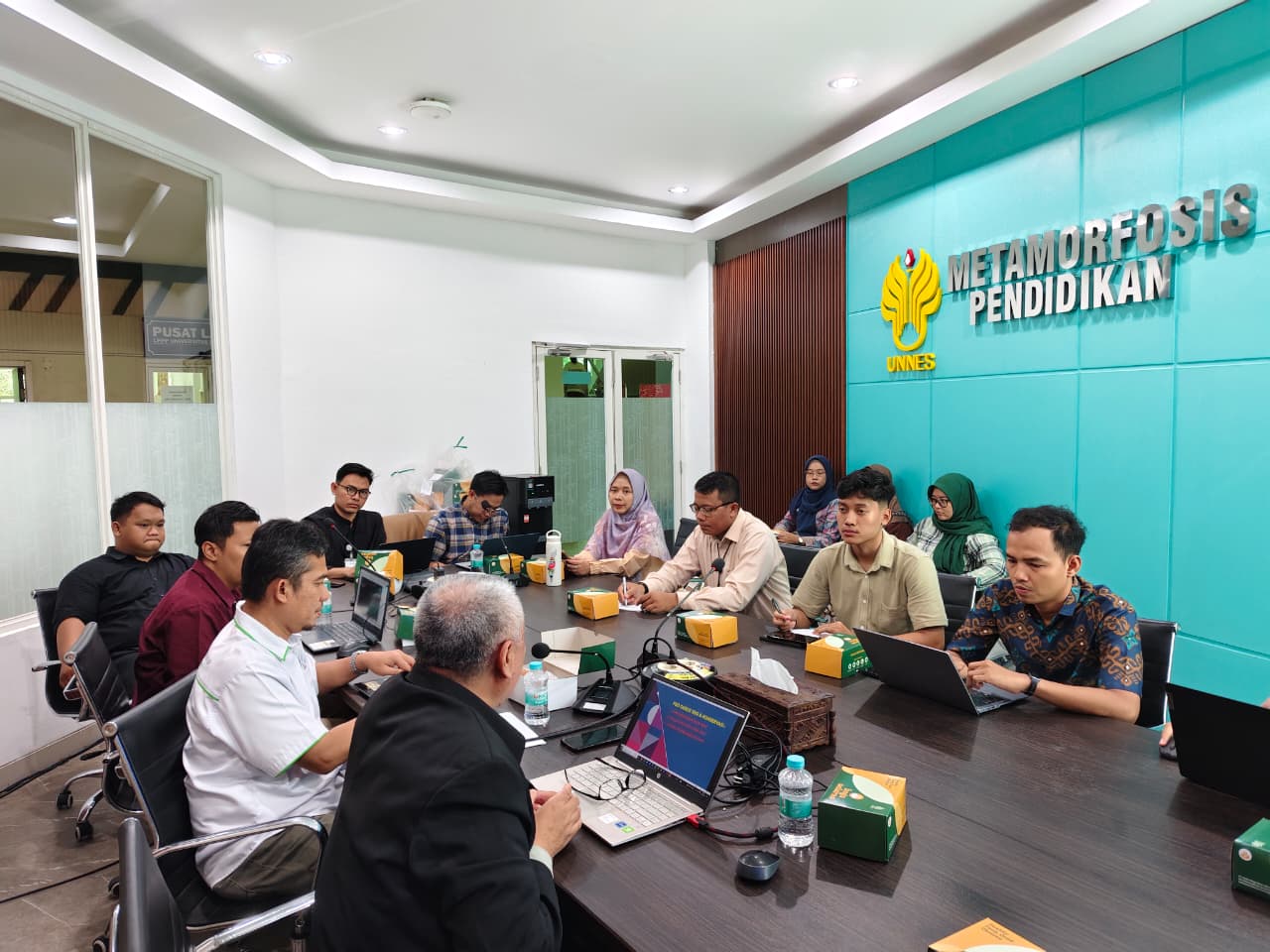
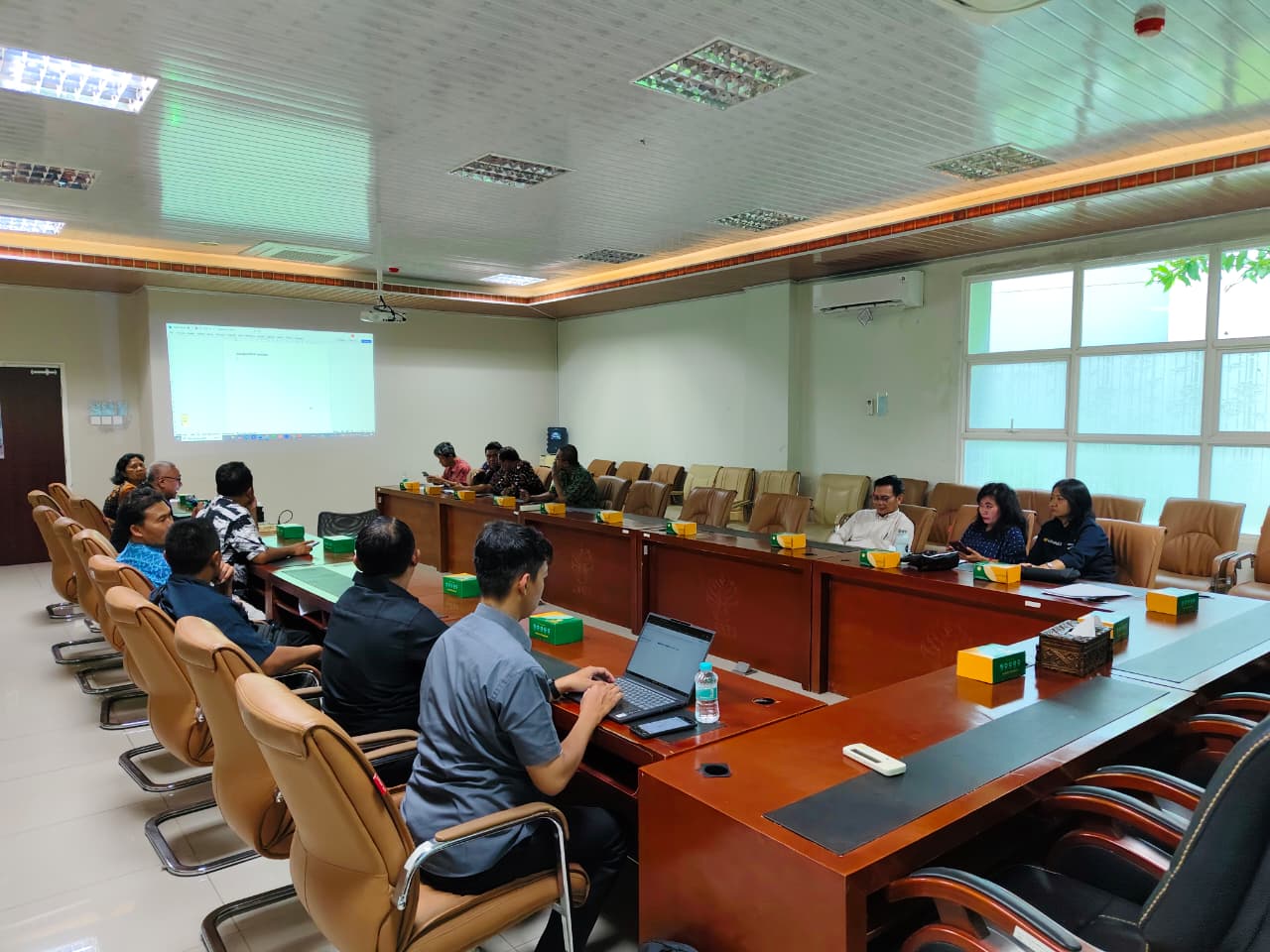
Universitas Negeri Semarang (UNNES), in collaboration with PT PLN (Persero) Unit Induk Transmisi Jawa Bagian Tengah (UIT JBT), is developing Kampung Minapolitan Siroto through an IoT-based fish farming program as part of PLN’s Corporate Social Responsibility (CSR) initiative. The program is designed to strengthen sustainable aquaculture practices while improving the economic resilience of local fish farmers in Siroto Village.
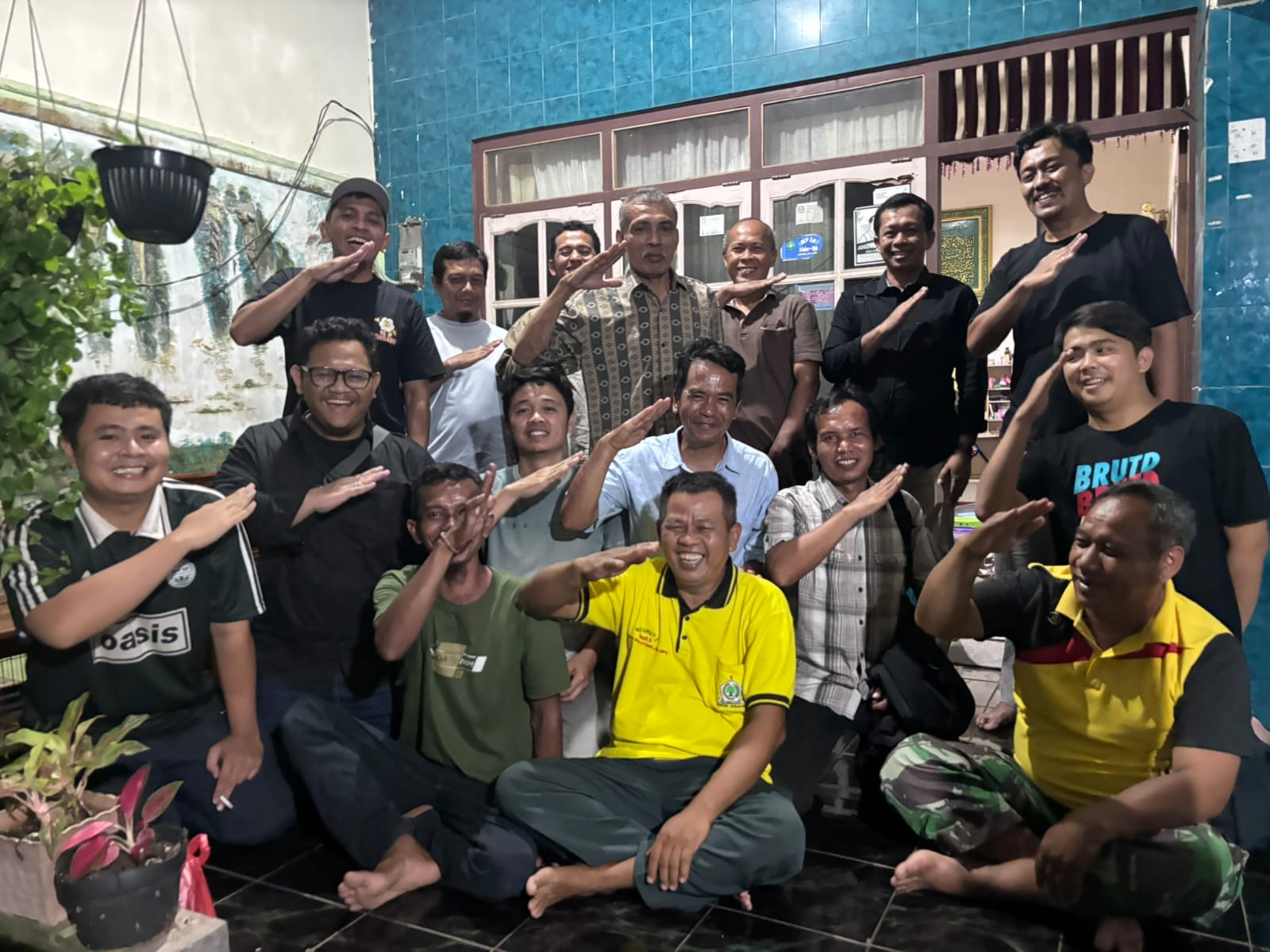
The program was initiated through a socialization meeting held on the evening of April 7, 2026, at the residence of Sarpi’i, a member of the Mina Lancar Fish Farmers Group (Pokdakan). The activity was attended by representatives from UNNES, Yayasan Akar Banir Indonesia as the program facilitator, and members of the local fish farming community. During the session, the facilitation team presented an overview of Siroto as a catfish production center and introduced a three-year development roadmap consisting of initiation, development, and sustainability phases.
In its first year of implementation, the Kampung Minapolitan Siroto program focuses on several key interventions, including the application of smart climate aquaculture using Internet of Things (IoT) technology, reactivation of inactive fish ponds, protection of water springs located under the Right of Way (ROW) of extra-high-voltage transmission lines (SUTET), and the establishment of a Minapolitan Learning Center. These interventions aim to increase productivity, optimize resource use, and support climate-adaptive aquaculture practices.
UNNES emphasized that the primary target of the program is strengthening the capacity of Pokdakan Mina Lancar as the main driver of local aquaculture development. The program also involves landowners around water springs and SUTET corridors, as well as partnerships with local government and related institutions. Through this collaborative approach, the program seeks to promote innovation-based, environmentally responsible, and socially inclusive fish farming.
An interactive discussion session followed the presentation, reflecting both the enthusiasm and cautious optimism of the fish farmers. One member, Muklis, raised questions regarding the possibility of reactivating ponds located outside the Siroto area, which was confirmed to be feasible. He also highlighted the importance of technological readiness to enable fish farmers to adapt to modern aquaculture practices. The group agreed to collect detailed data on ponds proposed for reactivation as part of the preparation process.
Sarpi’i expressed his appreciation for the CSR program opportunity while also emphasizing the need for realistic implementation. He noted concerns related to the ability of some members to operate IoT-based systems, the maintenance of feed production equipment, limitations on pond reactivation coverage, and the importance of long-term support, particularly in ensuring stable fish feed supply. These inputs were acknowledged as valuable considerations for shaping an effective and sustainable assistance model.
As an immediate follow-up action, the facilitation team conducted initial field data collection by identifying the status of ponds owned by attending members, recording location points, active and inactive pond numbers, and production capacity. This initial mapping will serve as the technical and social foundation for the first-year implementation, including determining priority ponds for reactivation, designing IoT-based smart aquaculture installations, and planning contextualized mentoring aligned with the actual conditions and capacities of Pokdakan Mina Lancar.
The Kampung Minapolitan Siroto CSR program aligns with the Sustainable Development Goals (SDGs), particularly SDG 8 on Decent Work and Economic Growth through strengthening local aquaculture-based livelihoods, SDG 9 on Industry, Innovation, and Infrastructure through the application of IoT technology in fish farming, and SDG 13 on Climate Action by promoting climate-adaptive aquaculture and water spring protection. Through the collaboration between UNNES, PLN, facilitators, and the local community, the program is expected to become a sustainable and replicable model for minapolitan development.