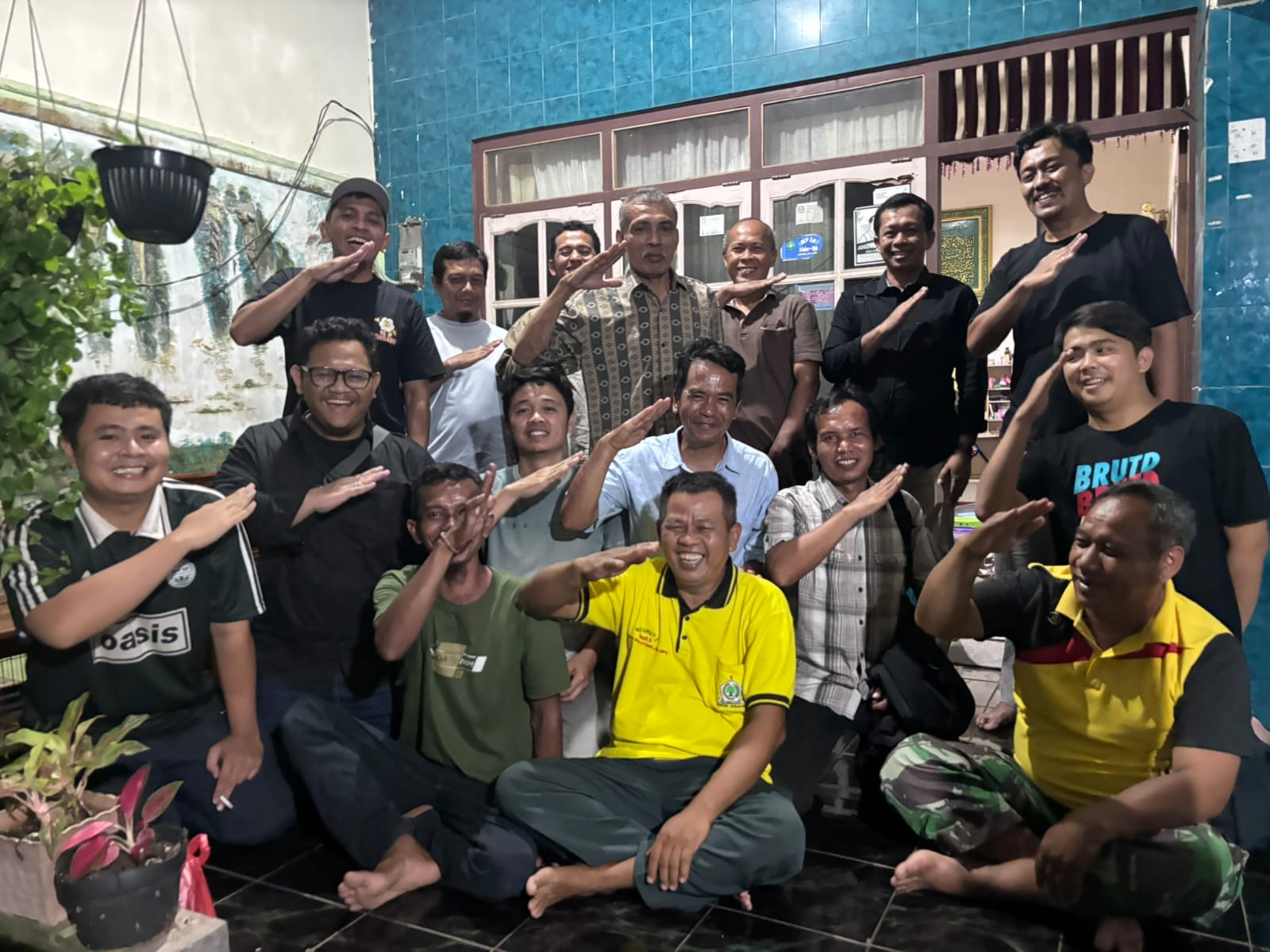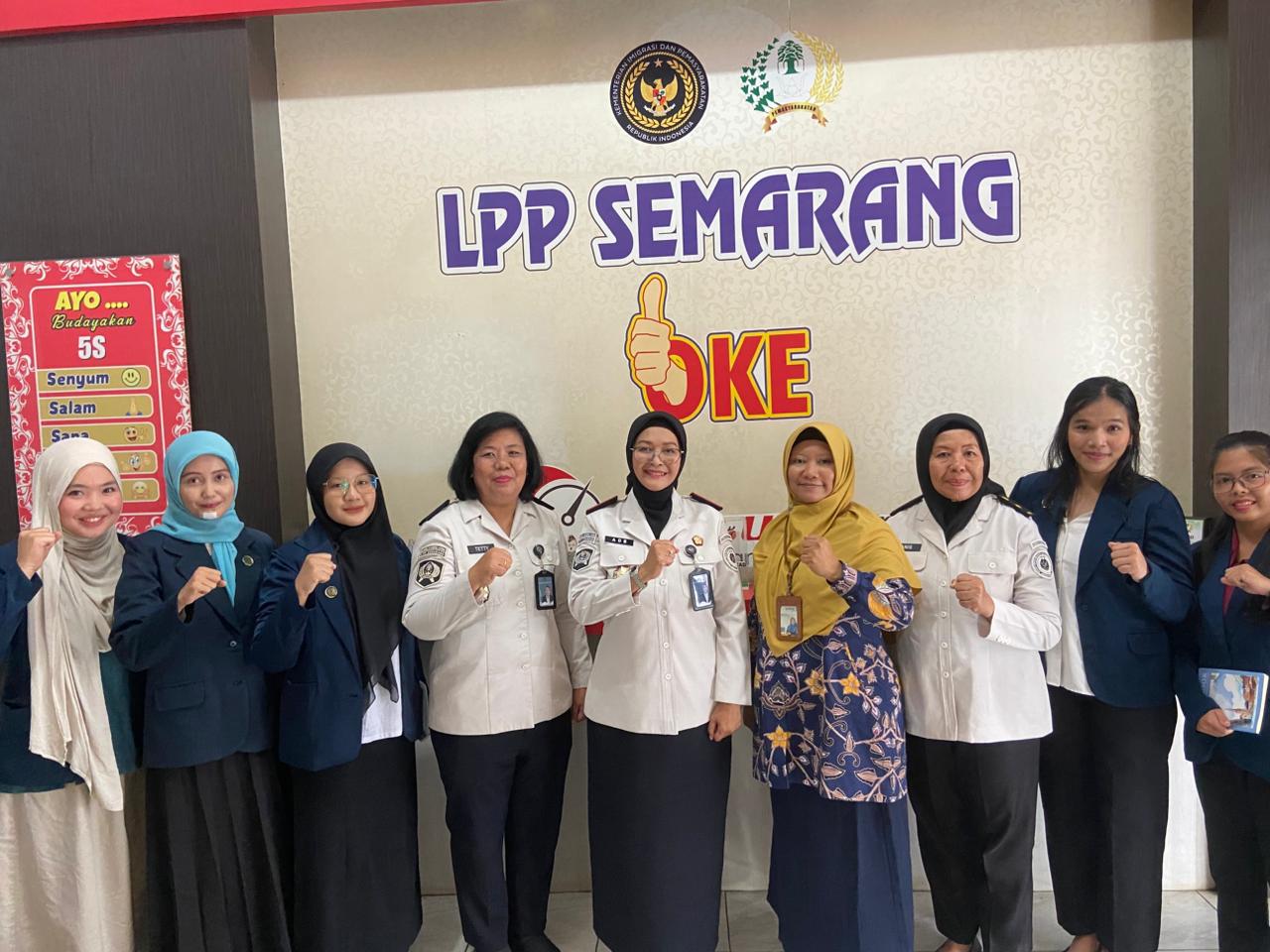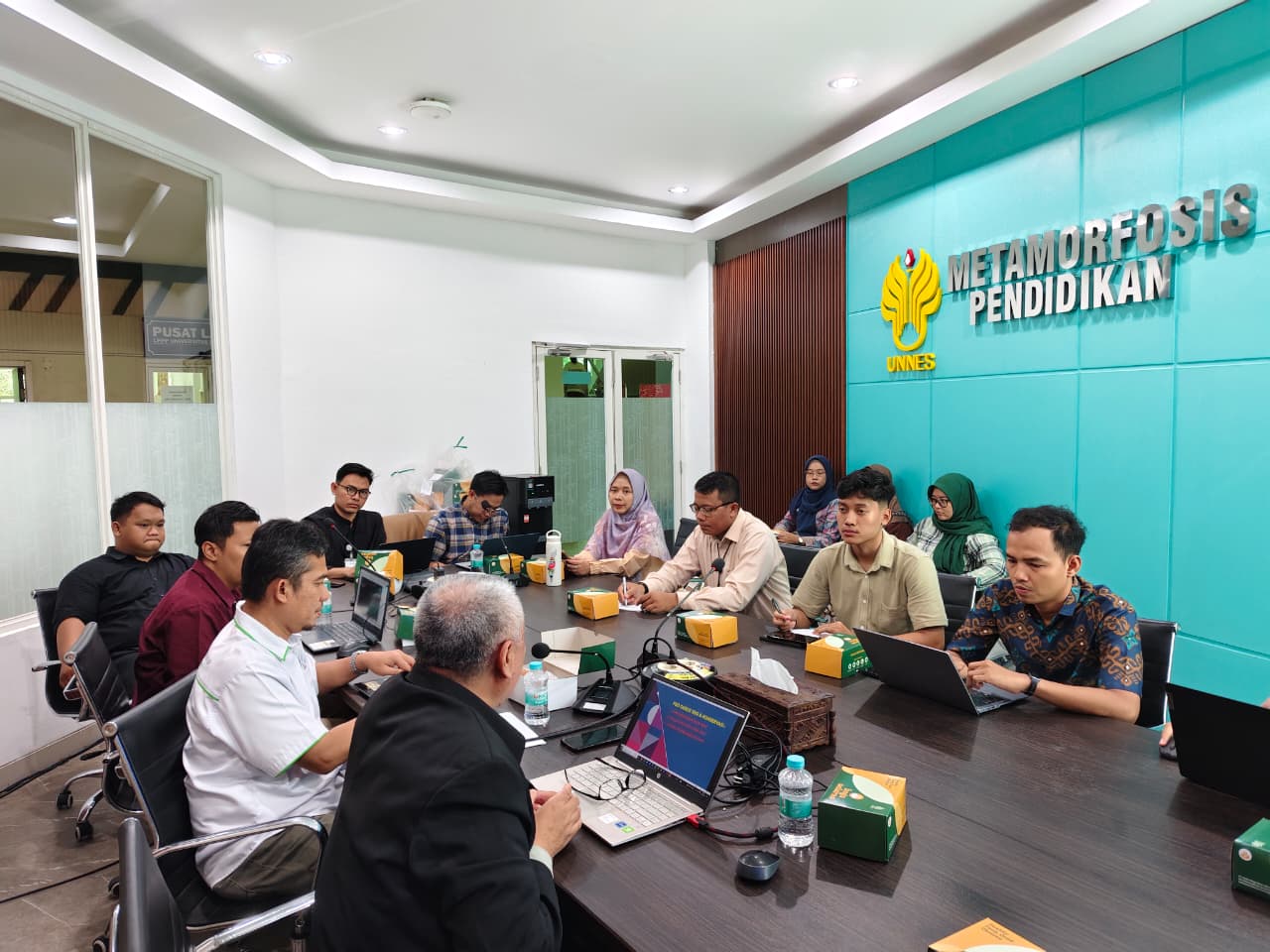


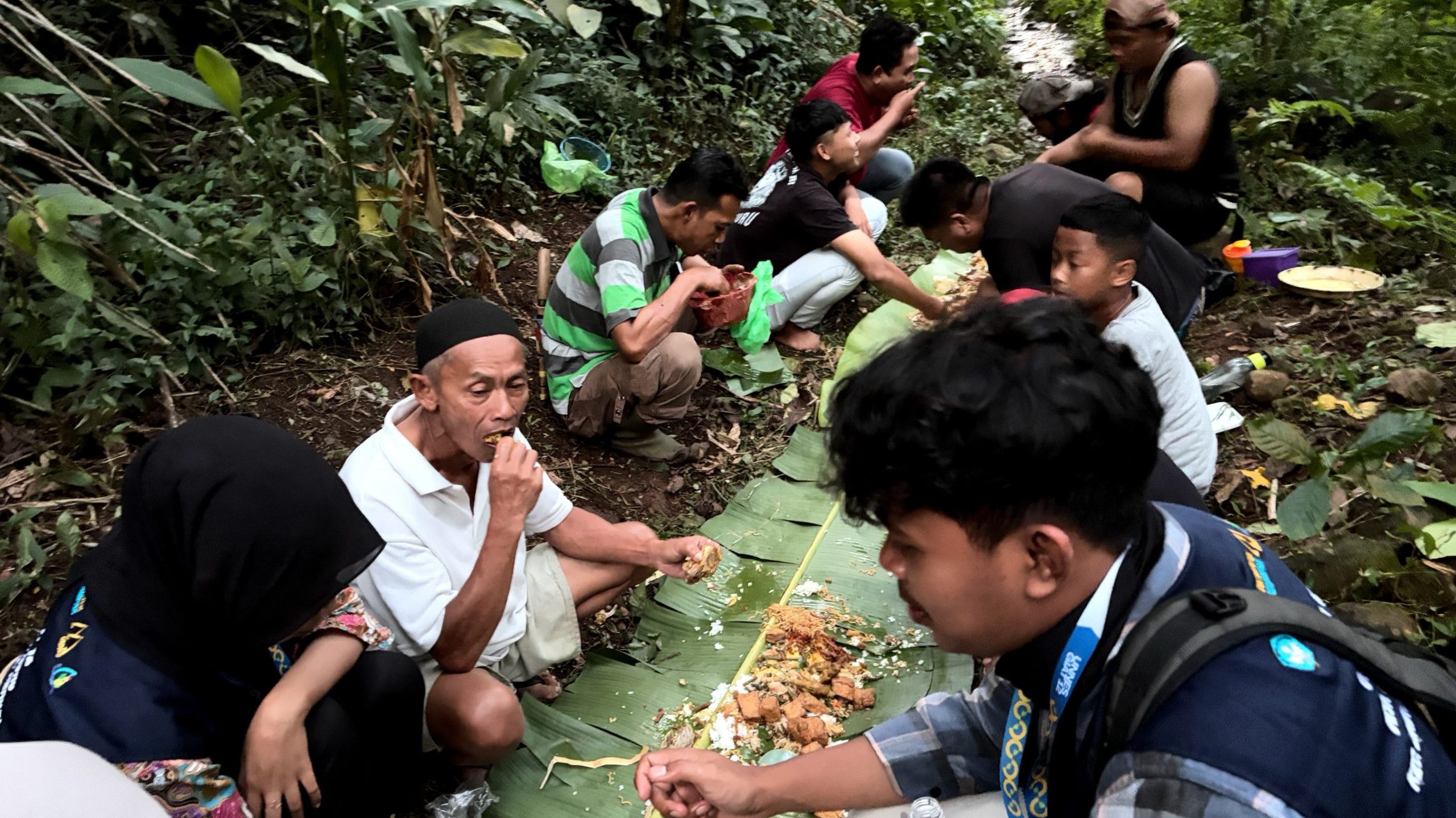
Students from the GIAT 12 Community Service Program at Universitas Negeri Semarang (UNNES) participated in preserving local culture by documenting the Memuleh Gunung tradition in Separe Hamlet, Limbangan District, Kendal Regency. This activity aims to preserve the community’s spiritual culture and educate the younger generation.
The Memuleh Gunung tradition, also known as Sedekah Gunung, is an annual ritual held every Suro month, specifically on the night of Friday Legi or Friday Wage. The community believes this is the most sacred time to communicate with spirits who guard nature. The main problem faced is the younger generation’s waning understanding of the cultural symbols and local language in the spiritual tradition.
The Sedekah Gunung tradition, more commonly known as Memuleh Gunung in Separe Hamlet, has been practiced since before 1976 and is still maintained today. This ritual is held every Suro month, specifically on the night of Friday Legi or Friday Wage, as these two times are believed to be the most sacred by the local community.
“All spirits only want to be summoned every Suro, the night of Friday Legi or Friday Wage,” said Village Head Suryono.
The Memuleh Gunung tradition also includes provisions for reciting prayers that must be performed before or during the tradition, namely: (1) deciding the day the tradition will take place; (2) naming those for whom prayers are to be prayed for; (3) praying for the deceased; (4) praying for the living; and (5) praying for personal safety.
For the local community, this tradition is a form of nyelameti, or an effort to ask for safety and peace, both for humans and the surrounding environment. This tradition is carried out directly on the mountain. A variety of foods are served and then eaten together by the community. The menu is unique and full of meaning, including white ingkung (vegetable salad), dried tempeh (tempeh), braised tofu, and urap (a side dish consisting of white mustard greens, green mustard greens, and long beans).
After the communal meal, the leaves used for the dishes are left untouched. This is part of the final offering to spirits and symbolizes that humans have “shared” with nature and its guardians.
The people of Separe Hamlet believe that in this life, spirits or spirits also inhabit nature. Therefore, during the Sedekah Gunung (Mountain Alms) ceremony, various offerings are prepared, not only as a symbol of gratitude but also as “food” for the spirits so they don’t bother humans and can continue to coexist in harmony.
The most important symbol of this tradition is the ingkung putih laki (white male rooster), a white free-range chicken slaughtered and cooked whole. Not all chickens can be used; white is chosen because it symbolizes purity, while roosters are considered to bring strength. The parts used as offerings include the blood, feathers, and claws. Chicken blood, for example, is an important part of the offering, placed in a batok bonglu (a three-holed coconut shell). These chicken parts are considered special requests from the spirits themselves.
Besides the white ingkung, the contents of the offerings are also very diverse and have symbolic meaning. There’s bucu (cone-shaped rice), sticky rice with salak sundul langit (sticky rice with beef jerky on top), wajik (wajik gemblong), rujak degan (coconut fruit salad), rujak tape (tape), tape with sugar, and a mixture of coconut and sugar. Not to be missed are young coconut leaves (janur), breadfruit cigarettes, and ground coffee. All of these offerings are meticulously arranged because the community believes that a complete offering will bring peace and ward off disturbances from spirits. The breadfruit and young coconut leaves are even used as symbolic boundaries to prevent anyone from damaging or disrupting the offerings.
This tradition demonstrates the community’s strong belief in nature and the unseen world, and how language, symbols, and ritual actions are inseparable from their lives. Belief in spirits is not merely a form of superstition, but rather a manifestation of local wisdom that shapes social consciousness.
In response to these challenges, UNNES students conducted a comprehensive inventory and documentation of the tradition, from oral narratives, food symbols, traditional prayers, to the philosophical meanings of offerings such as ingkung putih laki (white male rice), bucu nasi (rice cake), sticky rice with snake fruit (snake fruit), and wajik (rice cake). This activity also included interviews with village elders and mentoring village youth in introducing the tradition through visual and written media.
The impact of this activity was not only seen in the increased cultural awareness of the village community, but also in the emergence of a local initiative to make this tradition an annual event open to cultural education tourism. This documentation serves as a safeguard for local values from the pressures of modernization and a bridge for intergenerational communication.
This activity aligns with UNNES’s spirit and commitment to the “Impact Campus” program, which involves community service based on local wisdom. Thematic KKN programs like this serve not only as a learning tool for students but also as a tangible manifestation of higher education’s contribution to sustainable community development.