

Universitas Negeri Semarang (UNNES), through its GIAT 12 Community Service Program (KKN), once again demonstrated its commitment as a conservation campus by conducting environmental preservation activities in Malangan Village, Tulung District, Klaten Regency. Students, along with the local community, created biopore holes as a way to manage kitchen waste and improve environmental quality.
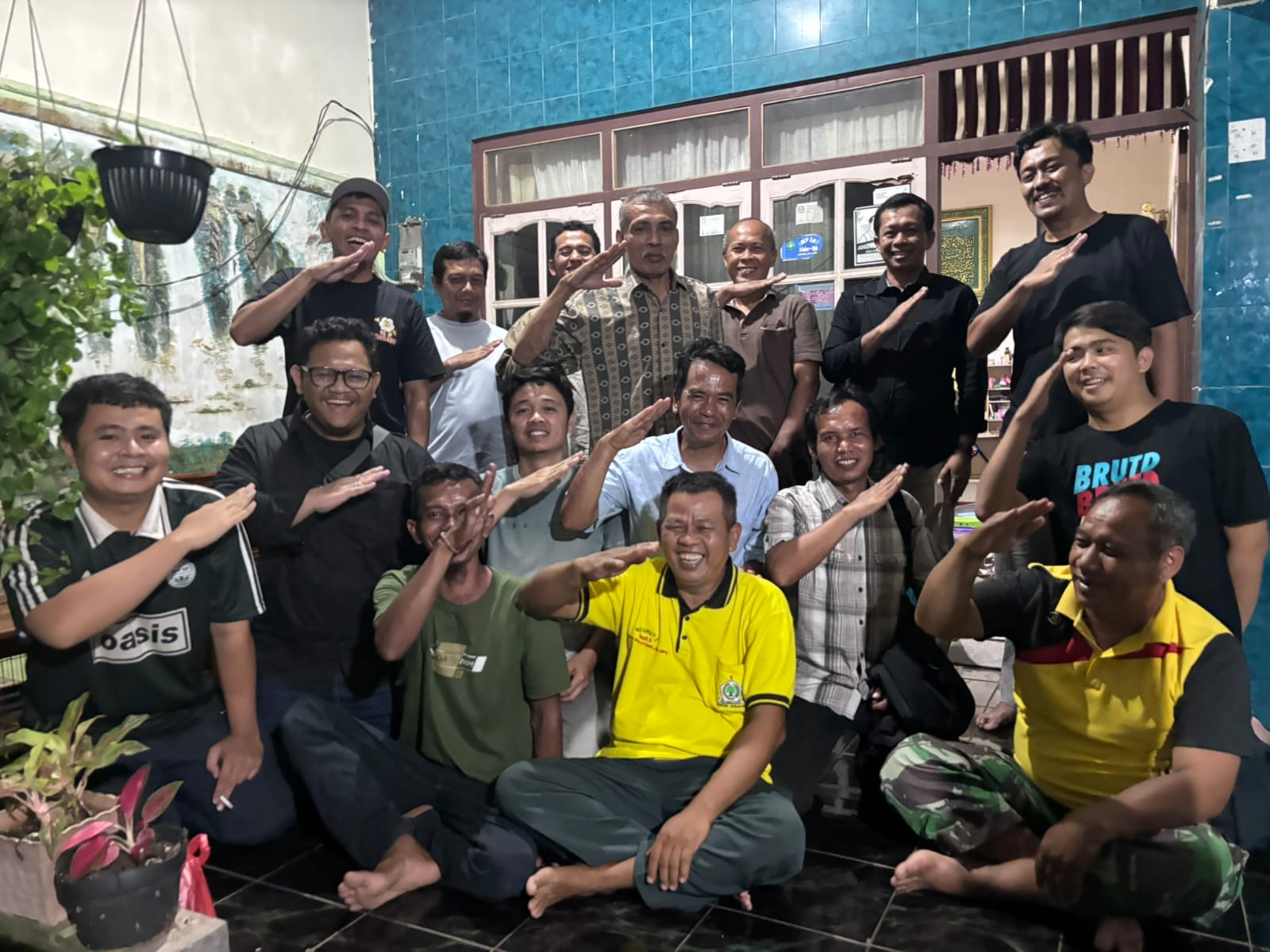
This outreach and hands-on biopore creation activity was held in Dukuh Asri, Malangan Village, on Monday (July 21st). The program, initiated by the GIAT 12 Group in Malangan Village, received a warm welcome from the village government, community leaders, and local residents.
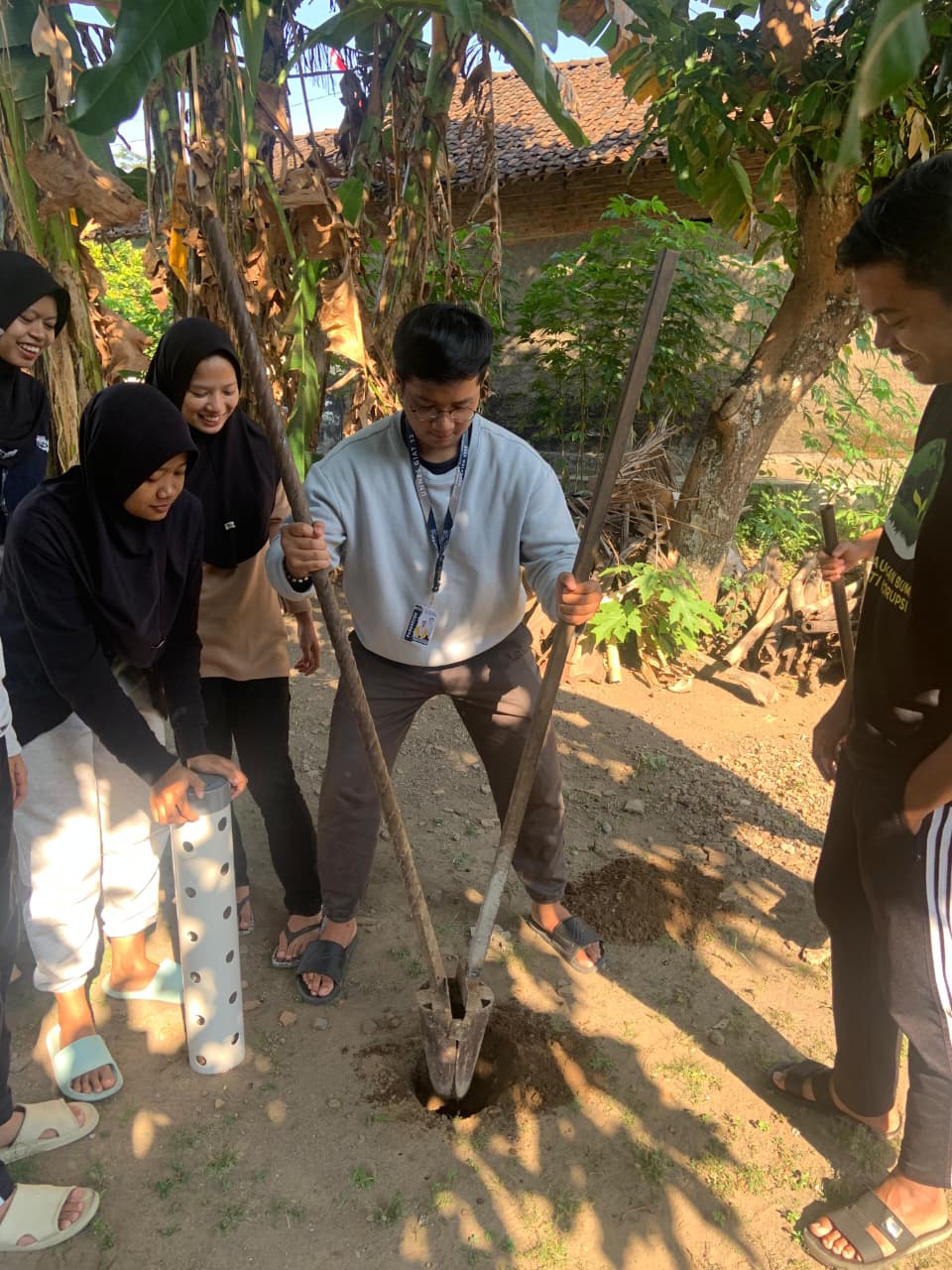
The biopore creation involved students and residents through a collaborative effort. Holes approximately 65 cm deep were dug at strategic points, such as residential yards and public areas. Biopores not only serve as water absorption holes to prevent puddles and flooding, but also serve as a composting medium for household organic waste, which can be used as natural fertilizer.
“Creating biopore holes is a small step with big benefits. Besides helping absorb rainwater, biopore holes can also be used as a medium for processing organic waste to fertilize plants in yards,” said Hanif Tsabit, Head of GIAT 12 Malangan Village.
In addition to practicing making biopore holes, students also provided education to residents about the benefits of biopore holes, the proper procedure for filling organic waste, and the process of decomposing waste into compost. The residents’ enthusiasm was evident in their involvement in this activity. A community leader from Asri Hamlet expressed his hope that this program would continue even after the Community Service Program (KKN) ends.
“We feel supported by the student KKN activities. The outreach has made the community more environmentally conscious. We hope that Asri Hamlet can become a pioneer in household waste management for other villages,” he said.
Through this program, UNNES students not only implement academic knowledge but also contribute significantly to community empowerment and village development. This biopore activity aligns with UNNES’s spirit as a conservation campus that consistently promotes environmental preservation through simple yet impactful steps.