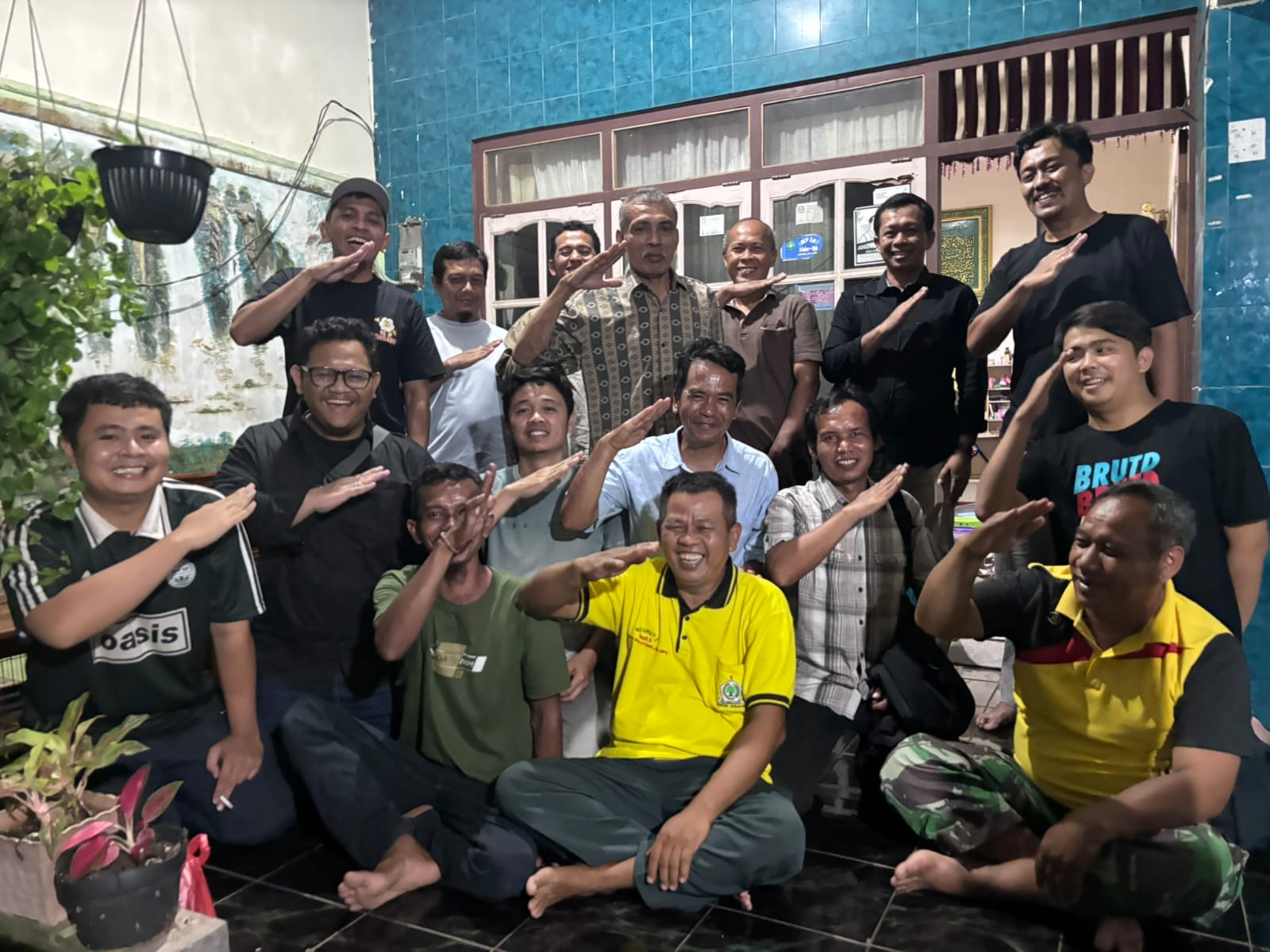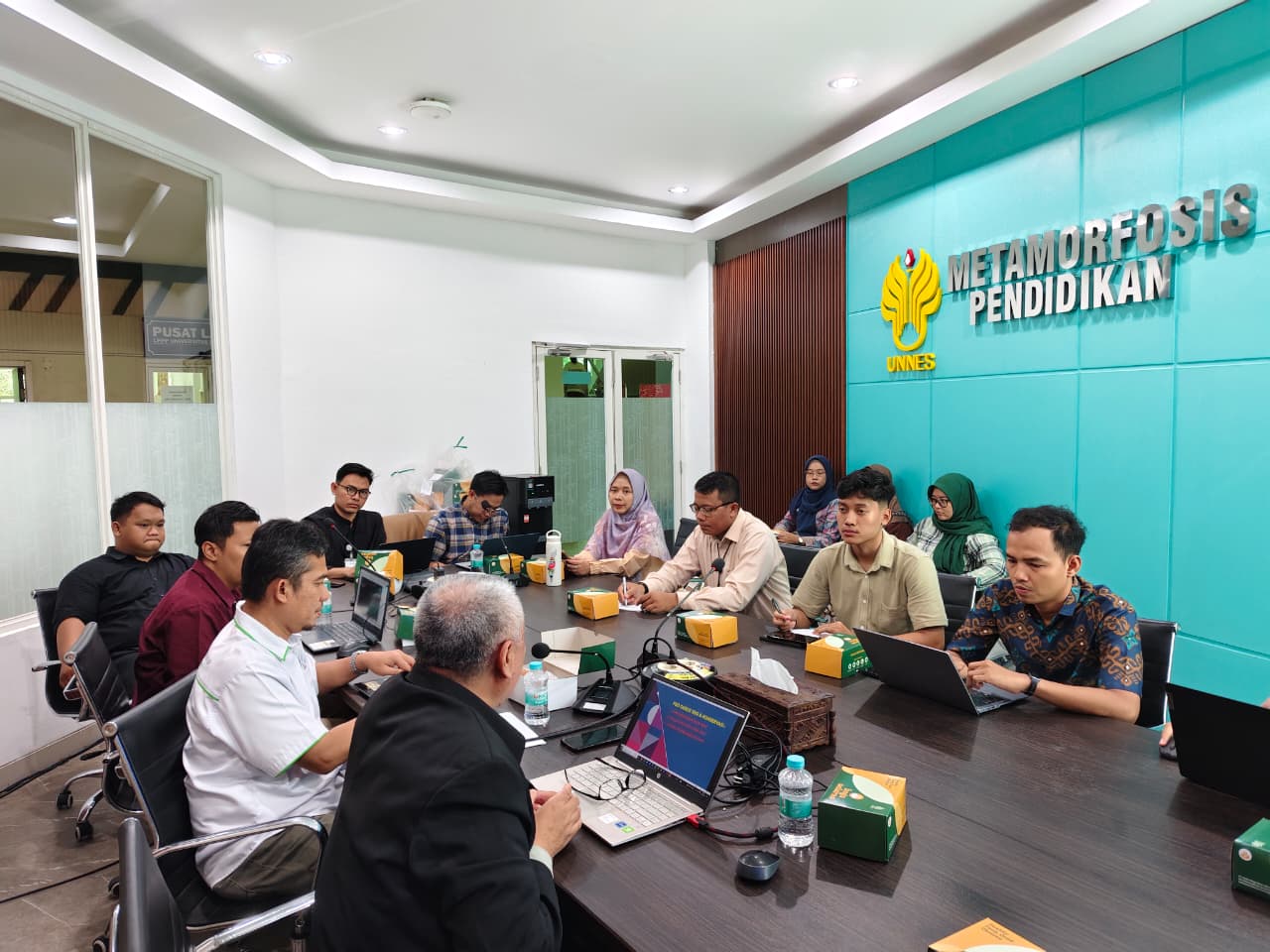


Universitas Negeri Semarang(UNNES)’s commitment to being a Conservation University continues to be strengthened through staff competency development. Two staff members from the UNNES Conservation Subdirectorate recently completed an intensive upskilling program in Bogor to manage the campus garden more intelligently and efficiently.
The training, held in collaboration with SRA Agro Tani and Care LRI IPB, aimed to equip the staff members with cutting-edge knowledge and skills in sustainable, technology-based agriculture.
The two staff members participated in a series of materials highly relevant to UNNES’s efforts to optimize the Hydroponic Garden and UNNES Ecofarm. The training covered three main pillars:
- Organic Fertilizer and Hydroponic Fertilizer Production: Staff members were equipped with practical knowledge and in-depth theory regarding the formulation and production of organic fertilizer from waste, as well as the balanced mixing of hydroponic nutrients. This knowledge is crucial to ensuring a self-sufficient and environmentally friendly supply of plant nutrients.
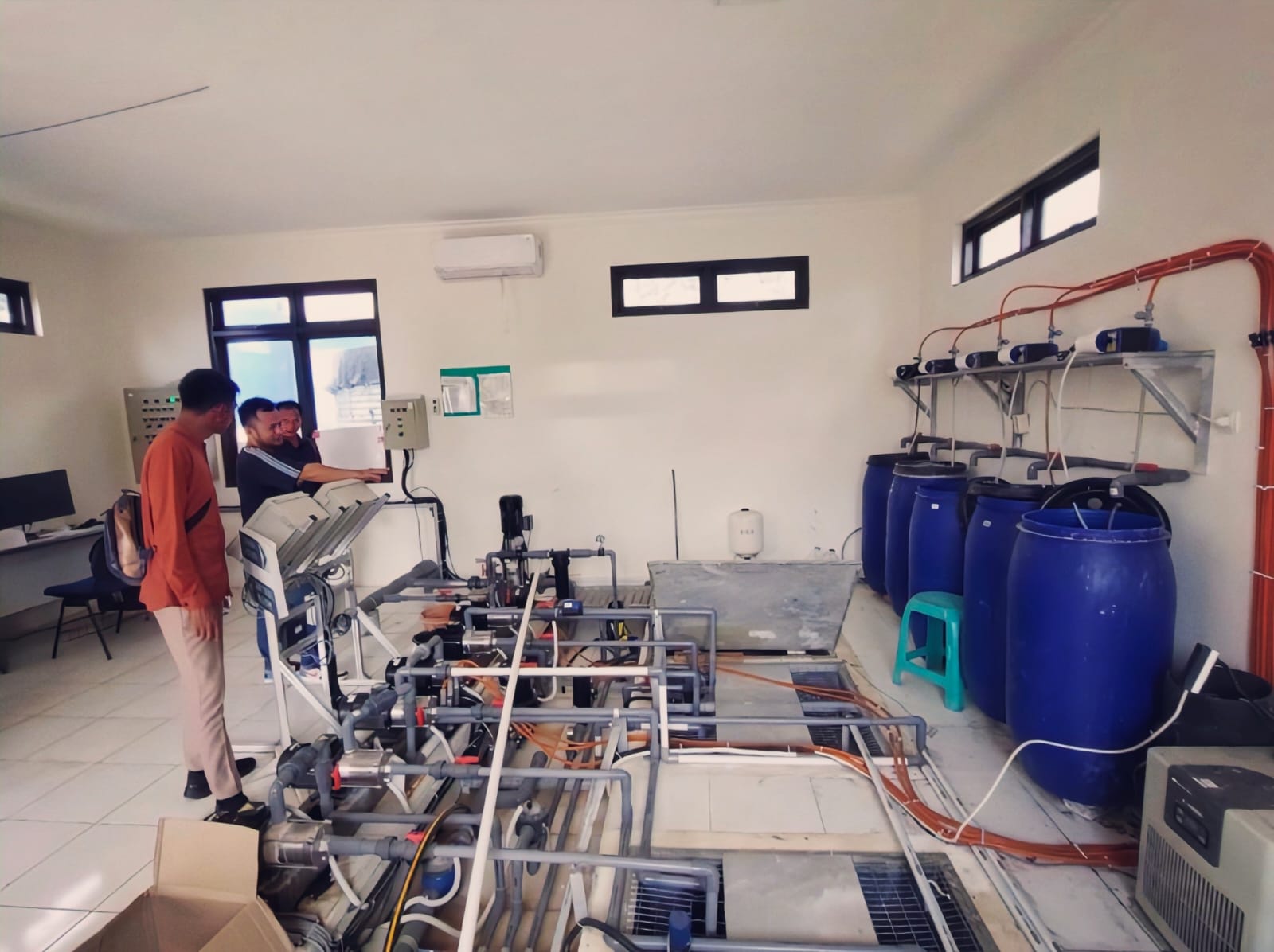
- Automated Fertilization Mechanism: The most innovative part of this training was learning about effective fertilization through an automated system. The application of this technology is expected to increase efficiency in time and energy, while ensuring proper and consistent nutrient delivery to plants in the UNNES gardens.
- Plant Pest and Disease Control (IPM): The training also explores safe pest and disease control techniques, particularly using natural and integrated approaches to support sustainable agricultural systems (organic and semi-organic).
The Head of the UNNES Conservation Sub-Directorate, in his statement, stated that this upskilling activity is an integral part of the implementation of UNNES’s Three Pillars of Conservation, particularly the Natural Resources and Environment Pillar.
“This step is crucial to realizing the UNNES Hydroponic Garden and Ecofarm as living laboratories that are not only productive in terms of yields but also excel in the application of efficient and environmentally friendly agricultural technologies,” he said. “With these new competencies, we hope that campus garden management can become a model for modern and sustainable agriculture for the academic community and the wider community.”
Through this initiative, UNNES reaffirms its commitment to utilizing technology for environmental conservation and sustainable food production, while also enhancing the professionalism of educational staff in managing campus facilities.