

Related to SDGs
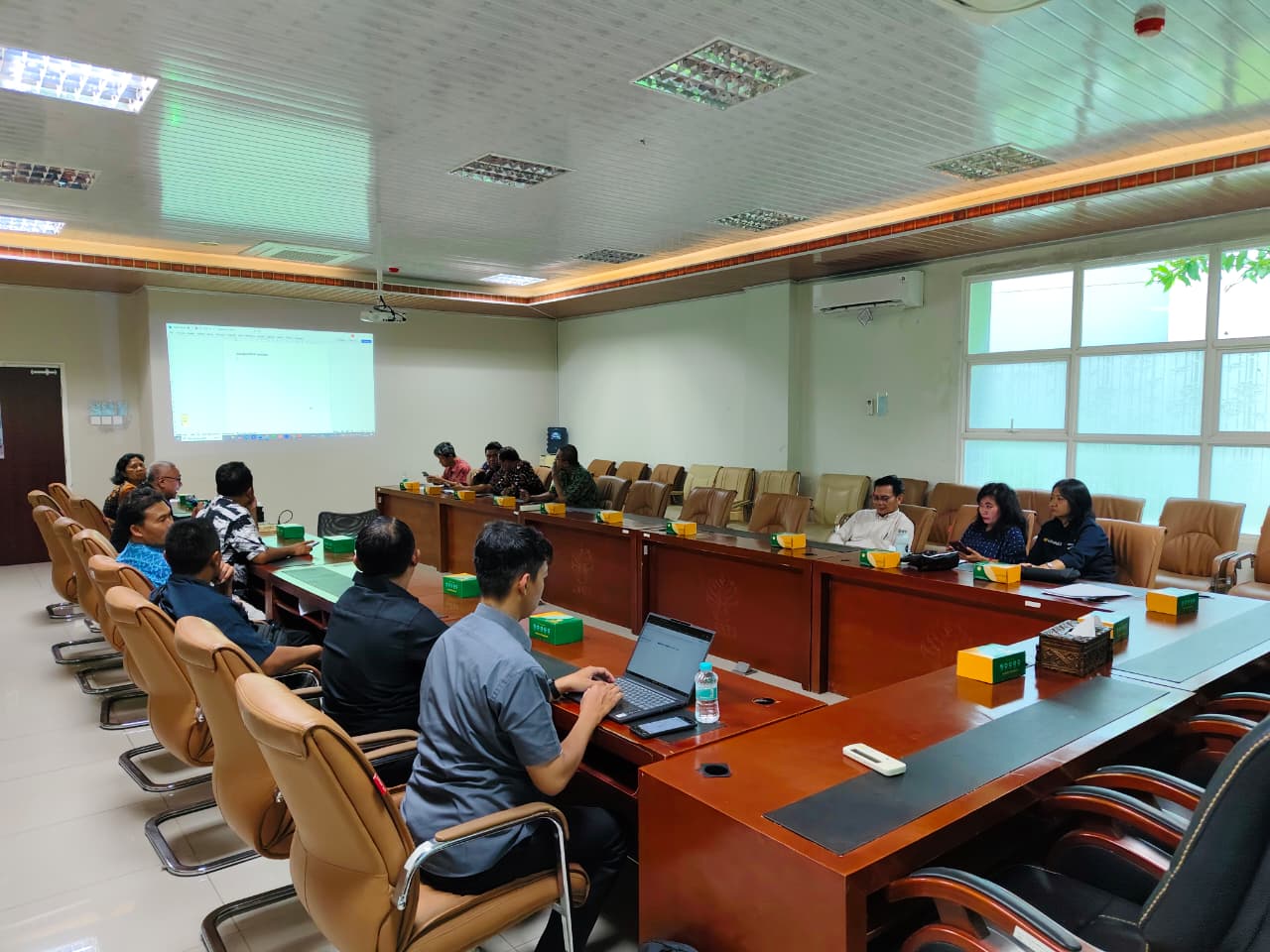
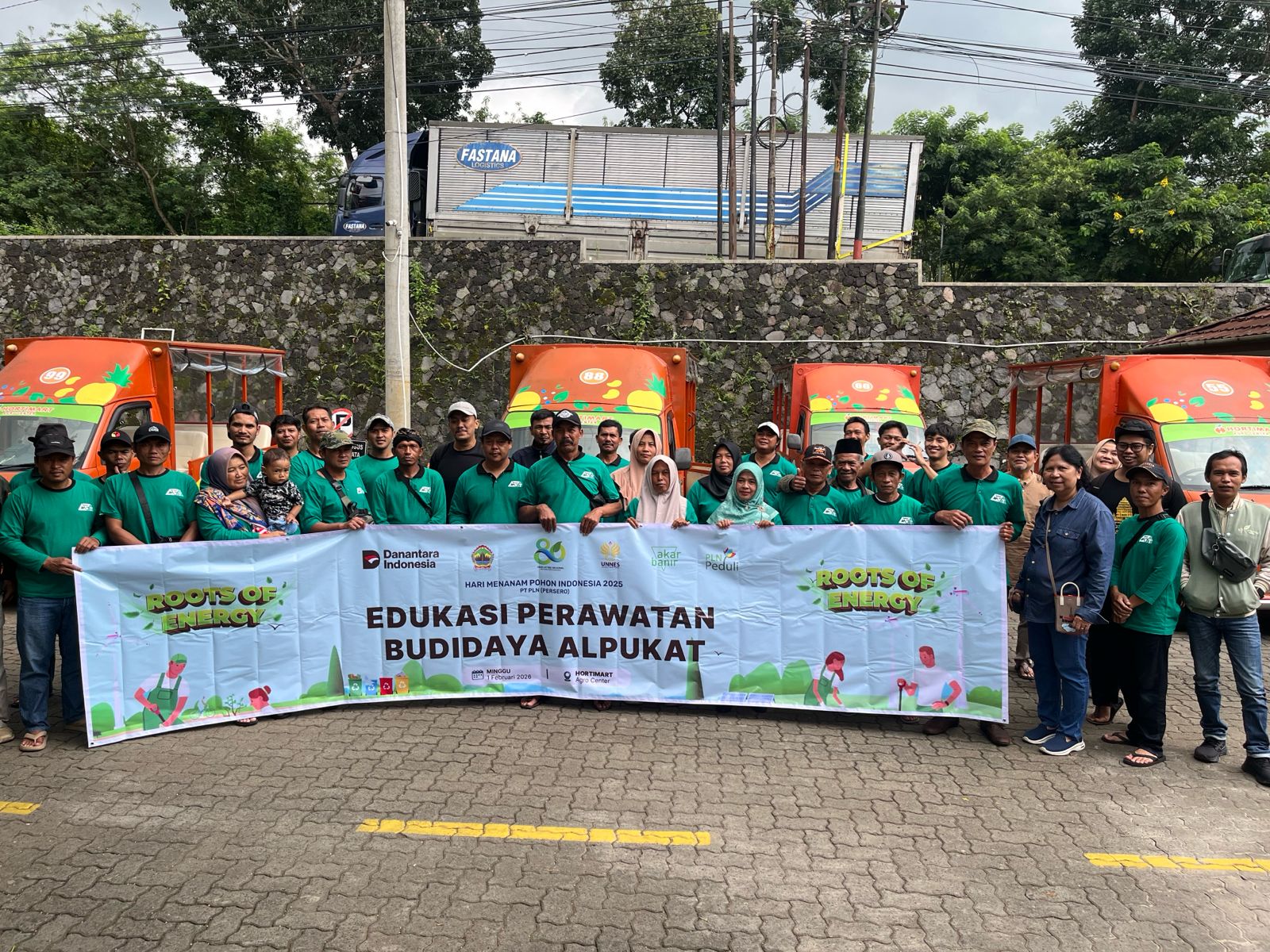
Bawen, February 1, 2026 — In commemoration of the 2025 Indonesian Tree Planting Day (HMPI), PT PLN (Persero) UID Central Java and the Special Region of Yogyakarta collaborated with the Subdirectorate of Conservation at Universitas Negeri Semarang (UNNES) and the Akar Banir Indonesia Foundation to organize a Training Program on Avocado Cultivation and Maintenance. This activity serves as a follow-up to the previous avocado planting initiative carried out in the slopes of Mount Ungaran.
Prof. Dr. Nana Kariada T.M., M.Si., Head of the UNNES Conservation Subdirectorate, explained that the HMPI 2025 series began with the planting of 600 avocado trees in Talun Hamlet, Candi Village, Bandungan District, Semarang Regency. She emphasized that the success of the planting is largely determined by the consistency of plant care.
“Planting is relatively easy, but the part that requires long-term commitment is the maintenance. We hope the planted avocado trees will not only function as conservation vegetation strengthening the catchment area but also contribute to improving community welfare,” she said.
She further stated that the activity is directly aligned with the Sustainable Development Goals (SDGs). The program supports SDG 13 (Climate Action) through increased vegetation cover, carbon absorption, and ecosystem-based adaptation. It also aligns with SDG 15 (Life on Land) because it contributes to land restoration, biodiversity conservation, and sustainable land ecosystem management in rural areas. In addition, the avocado cultivation program supports SDG 2 (Zero Hunger) by enhancing farmers’ capacity in good agricultural practices, strengthening local food security, providing sustainable nutritious food sources, and opening economic opportunities through high-value avocado harvests.
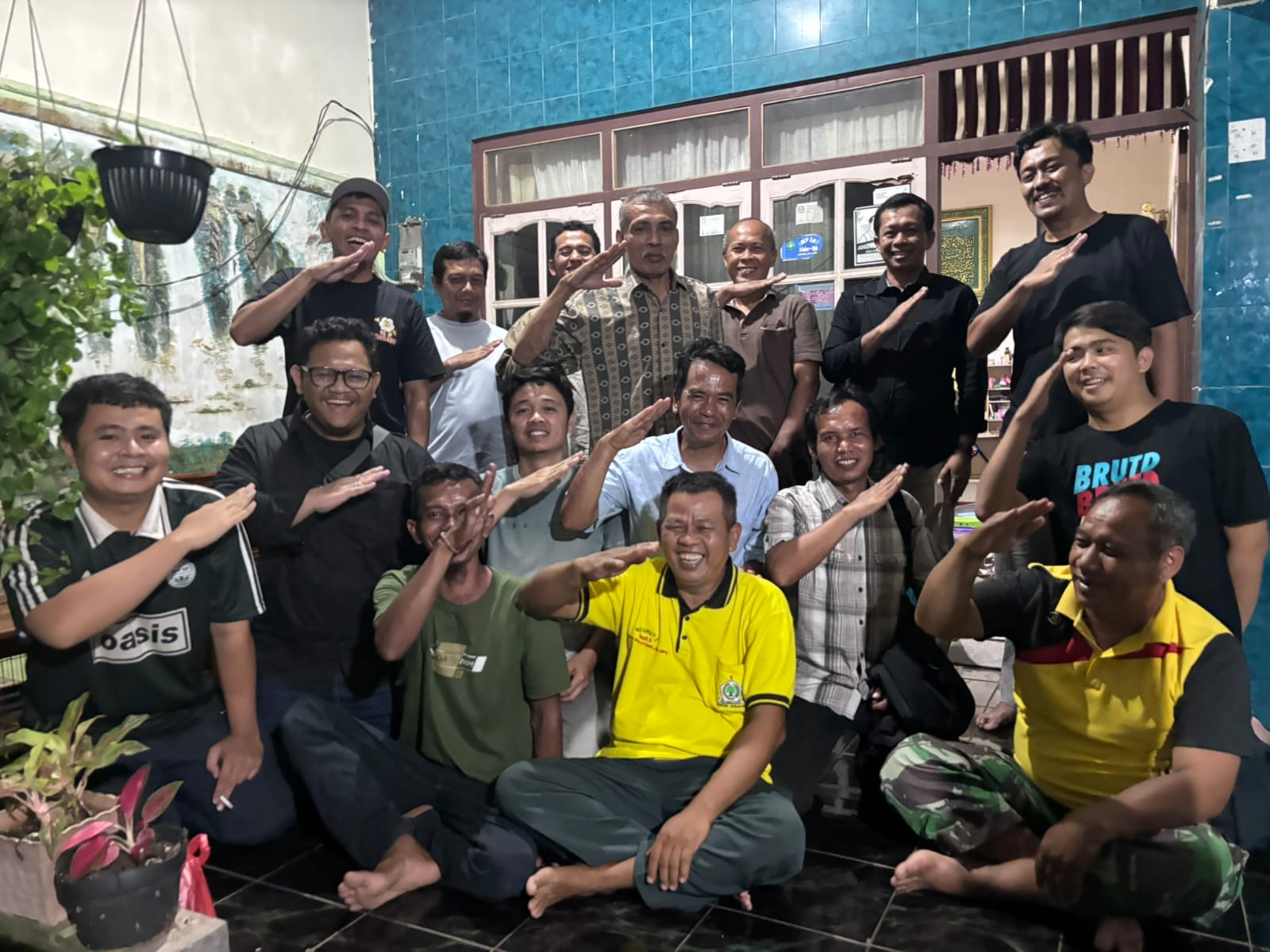
A total of 32 members of the Muda Utomo Lestari Farmers Group participated in a follow-up learning visit to Hortimart Agro Center Bawen. During the visit, farmers observed modern avocado cultivation practices firsthand, including irrigation systems, fertilization methods, planting distance arrangements, and the use of Internet of Things (IoT) technology such as soil-moisture sensors integrated with drip irrigation systems.